 Outmane A
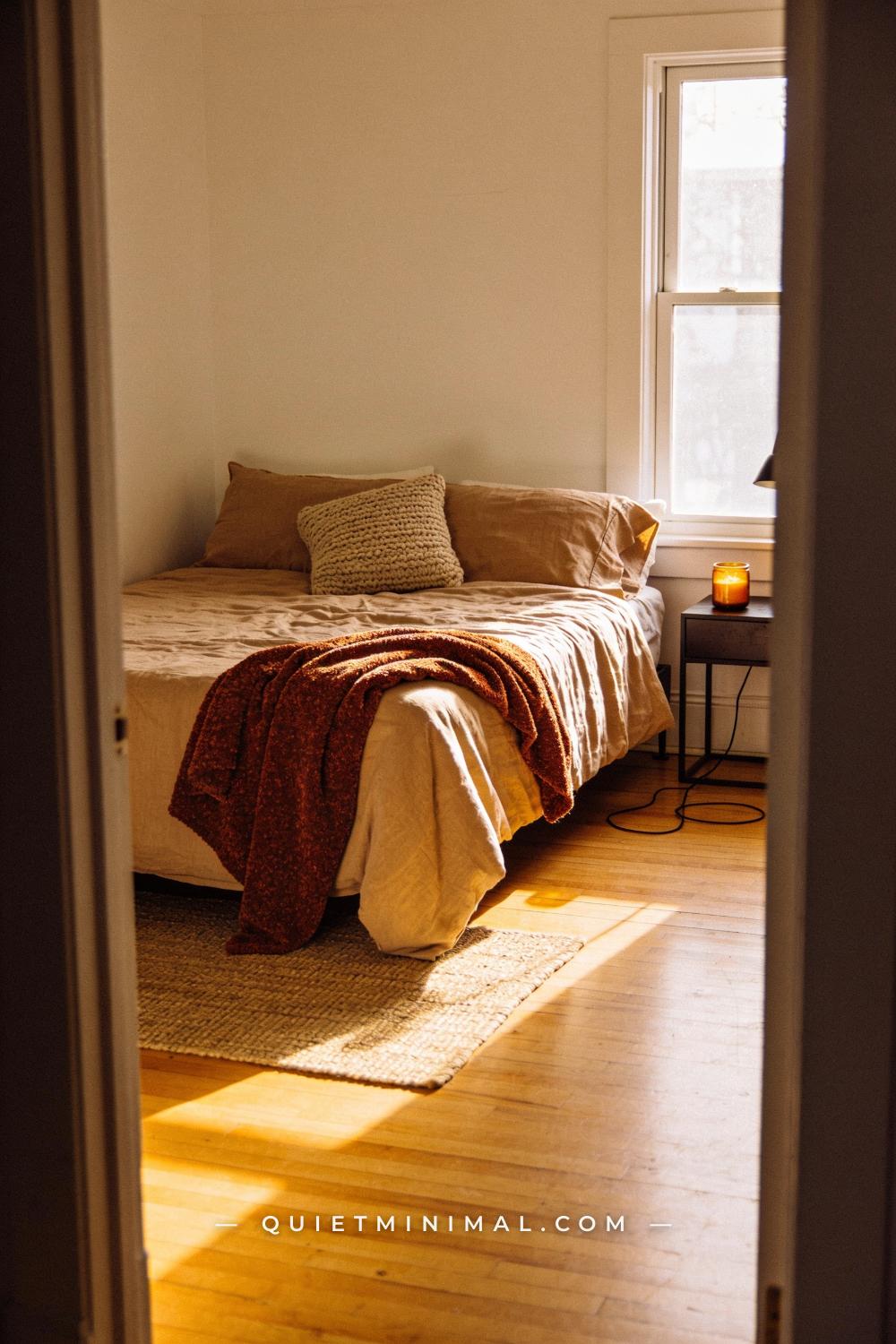
There is a specific kind of warm that a fall bedroom can reach — the kind where the light looks amber before noon, the bed looks like something you’d cancel plans to stay in, and every surface feels considered without looking fussed over. Most bedrooms miss it not because they lack fall decor, but because they add fall pieces on top of a summer base and wonder why the room still feels thin.
Warm layering is a method, not a mood board. It starts at the foundation — your bedding, your base colors, your light sources — and builds outward through texture, accent color, and scent until the room reads fall from every angle. These fifteen ideas follow that order. Work through them and the coziness compounds.
Start With a Warm-Toned Linen Duvet Cover
 Save
Every fall bedroom layer rests on whatever duvet cover you start with. Synthetic white covers read crisp and summery regardless of what you stack on top — they visually resist warmth rather than absorbing it. Switching to a warm-toned linen cover in oatmeal, wheat, or undyed natural changes the entire base temperature of the room. Linen’s natural wrinkle also reads as intentional texture rather than laziness, which makes every layer above it look more considered.
Look for a washed linen construction — pre-washed linen is softer from day one and falls into casual folds rather than stiff creases. Oatmeal and natural undyed tones are the most versatile fall base because they read warm in all light conditions, pair with every accent color in the fall palette, and don’t shift cool under morning or evening light the way cool gray does.
Key Takeaway: Swap your duvet cover to a warm linen tone first — every fall layer you add after will perform better because of it.

Layer a Chunky Knit Throw at the Foot of the Bed
 Save
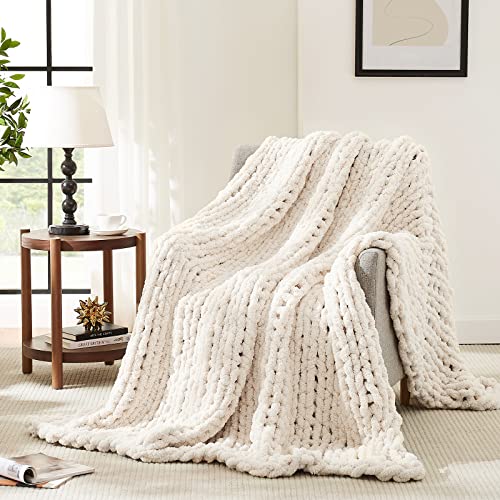
The throw at the foot of the bed is the most visually active layer in a fall bedroom — it’s the element that reads immediately in a Pinterest photo and signals warmth before anything else lands. Chunky knit construction earns its place here because the visible stitch structure adds three-dimensional texture that photographs and reads across a room in a way that flat woven throws simply can’t replicate.
Position it with intention: draped diagonally across one corner with one end slightly trailing feels more lived-in than centered folding. For fall, opt for warm creams, rust, caramel, or muted terracotta rather than grays or cool-toned whites — the warmth of the yarn color contributes as much as the texture. Natural fibers (wool, cotton) hold their structure better than acrylic and don’t flatten after a few nights of use.
Key Takeaway: A chunky knit throw in a warm fall tone is the single highest-impact swap you can make to a bedroom for under the cost of a full bedding refresh.
Add Velvet Cushions in Rust or Deep Burgundy
 Save
Velvet interacts with fall light differently than any other fabric — its pile catches and deepens color so that a rust cushion looks almost terracotta in morning light and closer to burnt sienna by evening. That dynamic color behavior is part of what makes a velvet-accented bed feel so seasonally rich. Two velvet cushions in rust, deep burgundy, or warm amber placed at the front of the pillow stack introduce the fall color story without overwhelming a neutral base.
For a layered arrangement that doesn’t look staged: start with your standard sleeping pillows in linen cases, stack one larger boucle or textured cushion behind the velvet accent covers, and let the velvet pair sit slightly asymmetrically in front. The variation in size and texture keeps the arrangement reading as naturally composed rather than retail-display symmetrical.
Key Takeaway: Two velvet accent cushions in a warm fall tone do more color work than four throw pillows in the same fabric as your duvet.

Introduce a Boucle Accent Pillow for Texture Contrast
 Save
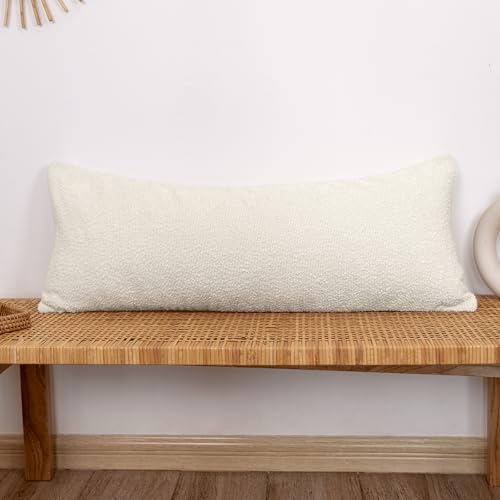
Boucle’s looped texture sits at the opposite end of the tactile spectrum from velvet — where velvet is smooth and shimmering, boucle is nubby and matte. Placing them in the same pillow arrangement creates a textural conversation that reads as intentionally layered rather than accidentally collected. A boucle lumbar pillow in cream or warm white works particularly well positioned between your sleeping pillows and your velvet accent covers.
The matte quality of boucle also balances the light-catching nature of velvet, preventing the pillow arrangement from looking too shiny or too flat depending on light conditions. Boucle cushion covers in natural or undyed cream tone are the most versatile option — they slot into warm fall arrangements without competing with accent colors and can stay on the bed through winter without feeling out of season.
Key Takeaway: A boucle lumbar in a neutral tone is the texture bridge between your sleeping pillows and your seasonal accent covers — it makes the whole arrangement read as curated.
Swap Your Bedside Lamp for a Warm-Glow Bulb
 Save
The bulb inside your bedside lamp shapes the entire evening atmosphere of a fall bedroom more than most decor additions. A cool or daylight-spectrum bulb will render warm fall tones flat regardless of how many rust cushions and chunky knits surround it. Replacing it with a warm-toned filament-style LED (in the 2200–2700K range) shifts the room’s evening light from sterile to golden in one swap that takes under a minute.
The warm amber glow of an exposed filament bulb also amplifies the depth of velvet textures and makes linen bedding look richer at night. For maximum fall effect, pair this bulb change with a lamp that has a ceramic or matte-finish base in a warm neutral — the combination of amber glow, tactile base, and linen shade creates a bedside tableau that photographs beautifully and feels even better in person.
Key Takeaway: A 2200K–2700K filament LED bulb is the lowest-cost, highest-impact atmosphere upgrade in a fall bedroom — the light color changes everything.

Lay a Jute or Sisal Rug Under the Bed
 Save
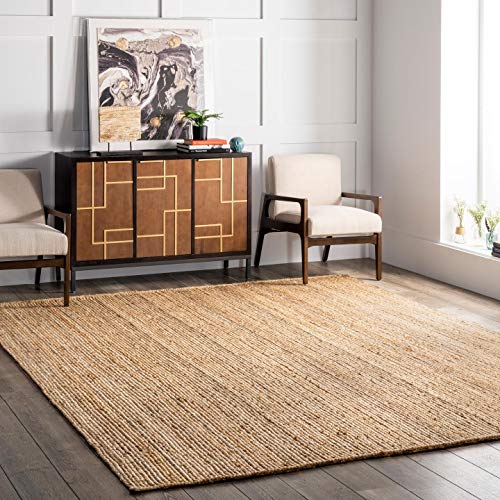
Hard floors lose warmth fast as the seasons shift — both literally and visually. A natural fiber rug in jute or sisal grounds a fall bedroom by adding the kind of organic, earthy texture that synthetic alternatives can’t replicate. The warm honey and tan tones of natural jute also extend the bedroom’s warm color story to the floor, which matters in a room where the bed is the visual anchor — if the floor underneath reads cold, no amount of warm bedding overhead compensates.
Size is the most common mistake here: the rug should extend at least 18–24 inches beyond the sides and foot of the bed. A rug that barely peeks out from under the frame looks like an afterthought. Choose a rug large enough to land warmly underfoot when you step out of bed on both sides.
Key Takeaway: Lay the largest natural fiber rug your floor space allows — it anchors the bed and warms the floor temperature of the whole room visually.
Style the Bedside Table With an Amber Glass Candle Holder
 Save
Scent and light work together to make a room feel inhabited rather than styled. An amber glass candle holder placed on the bedside table does both: the amber glass filters candlelight into warm gold tones that echo the fall palette of the whole room, and a fall-scented candle (cedar, sandalwood, warm spice, or dried amber) layers olfactory warmth on top of the visual kind. This is the type of detail that photographs beautifully in the amber glow of a 2200K bulb overhead.
Choose a holder with enough visual weight to anchor the bedside tableau — thin glass tends to disappear next to a lamp base and a stack of books. A ribbed or faceted amber glass with some opacity holds its presence better as a standalone object and catches the lamp light with more depth than clear glass.
Key Takeaway: An amber glass candle holder does double duty — it contributes to the fall color palette visually during the day and amplifies warm atmosphere at night with real candlelight.

Bring in Terracotta With a Small Bedside Plant or Planter
 Save
Terracotta is the most fall-appropriate of all accent materials — its burnt orange-red sits naturally in the same color family as rust, copper, and dried foliage without requiring any specific seasonal product. A small terracotta planter on the bedside table or dresser introduces earthy color and a living organic element simultaneously, which shifts a room from decorated to inhabited.
The scale matters: a planter that is too large dominates the bedside surface and makes the lamp and books around it feel like afterthoughts. A 3–4 inch terracotta pot with a small trailing or compact plant (pothos, peperomia, or small fern) fits naturally beside a lamp without competing. The rough matte finish of unglazed terracotta also provides a nice material contrast against ceramic lamp bases and smooth linen fabric.
Key Takeaway: A small terracotta planter earns its spot in a fall bedroom by contributing earthy color, organic texture, and a living element — three jobs for one small object.

Hang Linen Curtains in a Warm Neutral Tone
 Save
Curtains are the largest textile surface in most bedrooms after the bedding itself, and they shape the quality of incoming light before it touches anything else in the room. Heavy blackout curtains in cool gray or stark white actively cool the atmosphere of a fall bedroom. Swapping them for floor-length linen panels in oatmeal, warm white, or undyed natural transforms how morning and afternoon light enters the room — linen filters light into a diffused warm glow that makes the whole room feel sunlit even on overcast fall days.
Hang the rod as high as possible — ideally ceiling-mounted or within a few inches of the crown molding — and let the panels extend to the floor with a small break. The extra height and length make a room feel taller and more generous, which gives every other fall layer more visual breathing room.
Key Takeaway: Ceiling-height linen curtains in a warm neutral tone are the single largest surface swap for converting a bedroom’s light quality from cool to warm for fall.

Stack Your Pillows in Graduated Sizes
 Save
The difference between a pillow arrangement that looks intentionally layered and one that looks like a jumble is almost entirely about graduated sizing. Starting with the tallest pillows at the back and stepping down in height toward the front creates visual depth — the bed gains a sense of dimension that a flat, same-height row of pillows never achieves, no matter how many you add.
A practical fall stack that works without requiring many purchases: two king-size sleeping pillows in linen cases (back row), one or two standard pillows in a warm neutral tone (middle), one boucle or textured lumbar (front center), two velvet accent covers flanking the lumbar or leaned in front. The result reads as generous and layered without tipping into hotel-excess territory.
You've saved it, wanted it. Here's the how: codes, measurements, order. Your choices make it yours.

Key Takeaway: Graduating pillow height from back to front is the styling rule that makes a pillow arrangement look professionally composed — it costs nothing and transforms a flat bed into a layered one.

Add a Woven Basket for Throw Storage
 Save
Extra throws and blankets are essential to a layered fall bedroom — but without a home for them, they end up in a closet where they do nothing for the room’s warmth visually or practically. A large woven basket in the corner beside the bed or at the foot of the frame solves both problems: it gives the throws a visible, accessible home that adds organic texture and earthy tone to the room at the same time.
A seagrass, water hyacinth, or rattan basket works best because the natural fiber materials align with the organic fall palette — metal or plastic containers interrupt the tactile story. Keep it generously filled, with the tops of a chunky knit and a folded blanket visible. The overflow-in-the-basket look photographs well and signals abundance rather than clutter.
Key Takeaway: A large woven basket filled with your extra throws turns overflow storage into a decor element — it adds natural texture, earthy tone, and accessible warmth to the same corner.

Layer a Lightweight Wool Blanket Between Duvet and Throw
 Save
The true feeling of a layered bed — the reason it looks genuinely warm rather than just stacked — comes from the middle layer that most people skip. A lightweight wool or wool-blend blanket folded across the lower half of the bed, sitting between the duvet and the throw, adds visible depth to the bedding arrangement and creates the practical warmth that makes a fall bed actually feel different to sleep in, not just look it.
A caramel, warm tan, or muted rust tone works well for this middle layer because it bridges the neutral duvet and the accent-colored throw without creating a jarring color jump. Keep it folded rather than fully spread to show all three layers clearly — the folded edge creates a visible line that defines each layer and makes the overall arrangement read as intentionally composed.
Key Takeaway: A folded wool blanket as the middle layer is the move that transforms a bed from “has a throw on it” to “actually layered” — both visually and in practical warmth.

Warm the Walls With a Fall-Toned Gallery Ledge
 Save
Bare walls drain warmth from a fall bedroom even when the bedding and textiles are working hard. A gallery ledge — a narrow floating shelf above the headboard or on an adjacent wall — offers a low-commitment way to bring fall color and organic form to the walls without committing to permanent art hanging. Leaning small prints or minimal art pieces in warm rust, amber, dried botanicals, or abstract warm-toned work from the ledge feels casual and changeable in a way that hammered nails don’t.
The ledge also functions as a small styling vignette: a small ceramic vase, a dried botanical bundle, or a single candle beside the leaning prints turns a flat shelf into a composed fall moment. The key is restraint — a gallery ledge with one or two prints and two small objects looks curated; the same ledge stuffed with ten items reads as clutter.
Key Takeaway: A gallery ledge above the headboard lets you bring fall tones to the walls without permanent commitment — and doubles as a small vignette surface for seasonal objects.

Use a Ceramic Bedside Tray for a Composed Nightstand
 Save
The bedside table is one of the first things you see when you walk into a bedroom and one of the first things a Pinterest photo reads. Without any organizing structure, a bedside table looks like accumulated drift — a phone charger, a glass of water, and a stack of books that clearly just landed there. A small ceramic tray creates a contained zone that makes whatever sits inside it read as a deliberate arrangement rather than a collection of necessities.
Choose a matte ceramic finish in a warm tone — muted terracotta, warm putty, or sage with a warm undertone — and keep the tray to three or four objects maximum. For a fall composition: a small amber candle, a bud vase with a single dried stem, and a folded card or matchbox. The tray contains the arrangement visually and makes the nightstand surface look wider and calmer around it.
Key Takeaway: A small ceramic tray on the nightstand transforms a surface full of objects into a composed vignette — it is the difference between a styled bedside and an occupied one.

Finish With a Fall Scent to Complete the Sensory Layer
 Save
A fall bedroom that looks right but smells like nothing in particular feels incomplete in a way that is hard to name but immediately noticeable. Scent is the final sensory layer that closes the season — it makes the room feel like it has been tended to rather than just styled. For fall, the most versatile scent profiles are dry, warm, and woody: cedarwood, sandalwood, dried amber, patchouli, and warm spice read as fall without being aggressively pumpkin-spiced.
A linen-sleeved or neutral-label candle in a ceramic or amber glass vessel keeps the visual contribution calm while the scent does the atmospheric work. Place it in a low-traffic
 Save
Styling Ideas
 Save
Build Your Cozy Fall Bedroom Decor Ideas With Warm Layering Order
 Save
A Chunky Knit Throw at the Foot of the Bed for Cozy Fall Warmth
 Save
Style an Amber Glass Candle Holder on Your Cozy Fall Bedside Table
 Save
Stack Pillows in Graduated Sizes for Cozy Fall Bedroom Decor Warmth
 Save
Tuck a Lightweight Wool Blanket Between Duvet and Throw for Fall Coziness
 Save
Hang Warm Neutral Linen Curtains to Complete Cozy Fall Bedroom Decor
You've saved it, wanted it. Here's the how: codes, measurements, order. Your choices make it yours.


