Georgia

There is a specific mood that hits in October — shorter days, the smell of old books, candlelight that actually makes sense at 5pm. Dark academia decor captures exactly that feeling, and fall is the one season when the entire aesthetic clicks into place without trying. The problem is that most attempts at it end up looking like a Halloween store or a Pinterest board that never quite became a room. The difference between moody and chaotic comes down to layering — choosing the right color anchor, building texture in a specific sequence, and understanding which objects carry the aesthetic without overwhelming a space. These twelve ideas give you that framework, room by room, piece by piece.
1. Anchor the Room with a Deep Jewel-Tone Palette
 Save
Dark academia lives and dies by its color choices. The palette that works is narrow: deep forest green, burgundy, cognac, warm charcoal, and aged brass. Pick one of these as your room’s dominant anchor — a sofa, a rug, or a large textile — and let the others appear as accents. The mistake most people make is using all five colors at once, which reads as theatrical rather than studied. Choose your anchor, then build toward it with two supporting tones.
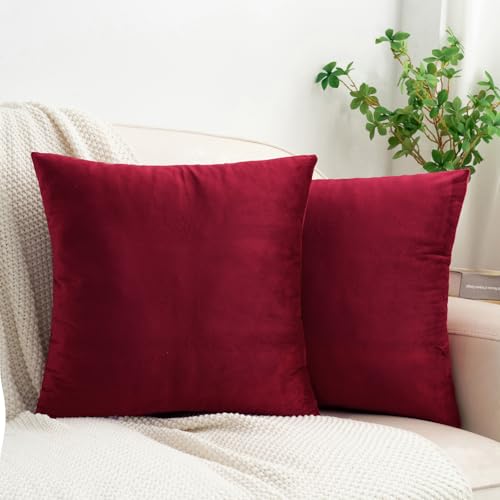
Jewel tones are the bridge between fall’s natural warmth and the dark academia mood. A deep green velvet sofa with burgundy throw pillows and a cognac leather journal on the coffee table tells a cohesive story. The neutrals — warm cream walls, pale wood, oatmeal linen — keep it from becoming suffocating.
Key Takeaway: Choose ONE jewel tone as your room anchor, then layer two supporting dark academia tones — everything else stays neutral.
2. Build a Book Wall That Works as Decor
 Save
Books are the single most powerful dark academia decor object — more than any candle or skull, a wall of real books communicates the aesthetic instantly. The key is styling them the way a person who actually reads looks, not the way an Instagram flat lay does. That means mixing upright and horizontal stacks, varying heights, and letting the color of the spines do the color work. Pull books with dark, aged, or warm-toned spines to the front and push bright modern paperbacks toward the back.
Add a few non-book objects between the stacks: a single dried stem in a dark vessel, a brass candle holder, or a small sculptural object in iron or ceramic. The ratio should stay roughly 80% books to 20% objects — the moment that flips, the shelf reads as curated display rather than lived-in library.
Key Takeaway: Style shelves at 80% books to 20% objects, and vary upright and horizontal stacks for a genuinely-read-in look.

3. Layer Lighting with Brass and Candlelight
 Save
Overhead lighting is the enemy of dark academia fall decor. It flattens the room and destroys the atmospheric shadow-and-glow contrast that makes the aesthetic work. In fall especially, leaning into warm, low-level light sources creates the scholar-by-candlelight mood that makes a room feel like a retreat rather than a living space with Halloween decorations on it.
The layering sequence: start with a warm-bulb table lamp as your reading anchor, add brass taper candle holders at a lower surface nearby, and use a floor lamp in the corner to create depth without adding overhead brightness. Brass is the metal that ties the aesthetic together — it photographs as warm gold in candlelight and reads as aged and intellectual rather than shiny or modern.
Key Takeaway: Replace overhead light with a layered trio of table lamp, taper candles, and a corner floor lamp — all in warm brass finishes.

4. Introduce Dried Botanicals Instead of Fresh Flowers
 Save
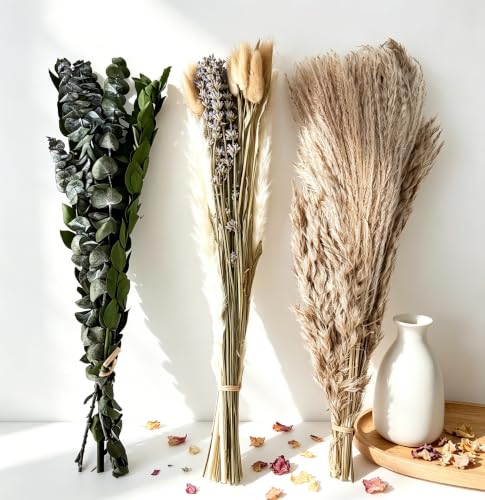
Fresh flowers feel spring and summer. Dark academia fall decor calls for botanicals that have dried, aged, and kept their structure — dried pampas grass, preserved eucalyptus, dried seed pods, and dark dried botanicals like preserved black dahlias or dark dried globe thistle. These are not only more visually aligned with the aesthetic, they are also considerably lower maintenance and last through the entire season.
Place dried arrangements in vessels that support the palette: slim dark ceramic vases, short squat vessels in raw clay or aged terracotta, or vintage-look glass apothecary bottles. Avoid clear glass with bright water — the preserved, dust-settled quality of a dried arrangement in an opaque vessel is the detail that reads as authentically dark academia rather than “fall decorating.”
Key Takeaway: Swap fresh florals for dried botanicals in dark or matte vessels — preserved stems read as scholarly and age beautifully through the whole fall season.
5. Use a Persian or Oriental Rug as Your Room’s Foundation
 Save
A Persian or Oriental-style rug is the single purchase that does the most work in a dark academia room. It brings in the deep jewel tones, the aged pattern, and the layered textile quality all at once — and it works on hardwood floors, tiles, and even over carpet. The pattern carries the aesthetic even when the rest of the room is fairly minimal, which makes it an ideal starting point for anyone easing into the style.
When choosing, look for rugs with a muted, slightly worn patina rather than bright, saturated new colors. The tones to prioritize are deep red, forest green, navy, and warm gold. These read as found or inherited rather than recently purchased, which is exactly the quality that makes dark academia feel lived-in rather than decorated.
Key Takeaway: A muted Persian-style rug in deep jewel tones does more dark academia work than any accent object — build the room’s color palette from it.

6. Style a Reading Nook with Intentional Layers
 Save
A reading nook is the archetypal dark academia space — and in fall, it becomes the room within a room that the aesthetic promises. You don’t need a window seat or architectural alcove to create one. A single armchair, a floor lamp, a side table, and a nearby bookcase define the territory clearly. The key is that every object within the nook should be chosen to support the act of sitting and reading: a surface for a mug, light at the right angle, books within arm’s reach, and a textile that makes you want to stay.
Layer the textures in sequence: start with a solid upholstered chair in a jewel tone, add a knitted or chunky wool throw over one arm, place a small rug beneath the chair to define the zone, and position the lamp so the light falls on the page rather than on the back of your head. The nook should feel like it belongs to someone, not like it was styled for a photo.
Key Takeaway: A reading nook needs exactly four elements — a jewel-tone chair, a page-level light source, a textile layer, and books within arm’s reach — styled to look used, not posed.

7. Add Aged Brass or Iron Accents Strategically
 Save
Metals anchor the dark academia aesthetic in a way that textiles alone cannot. Brass and iron are the two metals that work — brass for warmth and antiquity, iron for weight and severity. The rule is to pick one as your dominant metal and use the other sparingly as contrast. An all-brass room reads as maximalist; an all-iron room can feel industrial. The combination — brass lamp, iron bookends, brass candle holders, iron drawer pulls — reads as layered and collected over time.
Strategic placement matters. Concentrate your metal accents on horizontal surfaces: desk, side table, shelf. Keep walls and vertical elements clear of metal except for thin picture frames. This keeps the eye moving through the room horizontally rather than feeling bombarded from every angle.
Key Takeaway: Use brass as your dominant metal and iron as a contrast accent — concentrate both on horizontal surfaces to keep the room from feeling visually loud.

8. Hang Dark-Toned Art That Earns Its Place
 Save
Art is where dark academia decor most often goes wrong. The temptation is toward dramatic imagery — ravens, anatomy prints, skull illustrations — that reads as thematic rather than considered. The art that works best in this aesthetic is abstract, botanical, or topographic: deep-toned abstract paintings, aged botanical study prints, and faded map or manuscript fragments. These support the mood without naming it.
Frames matter as much as the art itself. Choose thin dark wood or aged brass frames in consistent sizes or clearly varied sizes (avoid three prints all in slightly-different-but-almost-the-same sizes). Hang them slightly lower than convention suggests — at eye level when seated rather than the standard “center at 57 inches.” This draws the room’s energy downward, making it feel intimate and inhabited rather than institutional.
Key Takeaway: Choose abstract or botanical art in dark tones rather than thematic dark academia imagery — thin dark frames hung at seated eye level make the aesthetic feel studied, not costumed.
You've saved it, wanted it. Here's the how: codes, measurements, order. Your choices make it yours.


9. Incorporate Natural Materials — Wood, Leather, and Linen
 Save
Dark academia fall decor works because of its textures as much as its colors. The materials that carry the aesthetic are all natural: aged wood, cognac leather, raw linen, ceramic, and cast iron. Synthetic substitutes — faux leather, polyester velvet, plastic frames — undermine the sensory quality of the aesthetic even when the colors are right. The room should feel different to touch as well as to look at.
For fall specifically, linen bedding in oatmeal or warm cream on a dark walnut frame is one of the most effective single changes you can make. Add a leather-bound journal on the side table and a ceramic vessel for dried stems, and the bedroom shifts tone entirely without a single coat of paint.
Key Takeaway: Natural materials — wood, leather, linen, ceramic — are what make dark academia feel genuine; synthetic substitutes break the sensory logic of the aesthetic even when the colors are correct.

10. Use Fall Scent as a Decor Layer
 Save
Decor is not only visual, and dark academia understands this better than almost any other aesthetic. The scent layer — what the room smells like — is part of how the space communicates its mood before anyone looks at a shelf or touches a textile. For fall, the scents that align with dark academia are not the sweet mass-market options: they are darker, drier, and more complex — oud, amber, vetiver, smoky birch, aged leather, or tobacco and vanilla.
Large pillar candles in deep amber or dark cream, placed on a tray with a few dried botanicals beside them, serve dual purposes: they are visual objects that carry the aesthetic, and they deliver the scent when lit. Choose candles with a genuine wax-and-wick aesthetic — not colorful novelty shapes, but simple, weighty pillars or tapers in neutral-to-dark tones.
Key Takeaway: Scent is a full layer of dark academia decor — choose complex, dry fragrance profiles (amber, oud, smoky woods) in candles that look as considered as they smell.

11. Layer Textiles in a Specific Sequence
 Save
The textile layering sequence in dark academia is specific and it matters. Start with a neutral linen base — bedding, sofa slipcover, or curtains in oatmeal, warm white, or pale cream. This is the foundation. Add your jewel-tone accent in velvet: one or two throw pillows in deep burgundy, forest green, or cognac. Then bring in your natural-fiber throw — chunky knit, wool, or woven cotton — in a warm neutral that bridges the two. Three layers, three textures, three distinct roles.
What makes this sequence work is the contrast between the cool linen base, the saturated velvet middle, and the organic knit accent. Each layer adds a different sensory quality, and together they read as the kind of textile richness that the dark academia aesthetic promises. Add a layered rug beneath the furniture to extend the logic from furniture to floor.
Key Takeaway: Layer textiles in three distinct steps — linen base, velvet jewel-tone accent, natural-fiber throw — and extend the logic to the floor with a layered rug beneath.

12. Create a Scholar’s Desk Vignette as a Focal Point
 Save
A scholar’s desk vignette is the dark academia equivalent of a fireplace mantel — it’s the room’s focal point, the place the eye goes first, and the surface that communicates the aesthetic most clearly. The objects on it should suggest active intellectual life: a leather journal, a pen holder, a small stack of hardcover books, a single botanical stem, and a lamp. Everything else is noise.
The desk itself should be in dark wood if possible — walnut, mahogany, or a dark-stained oak. If you have a light-wood or painted desk, a dark leather desk mat grounds it and brings the surface into alignment with the aesthetic. Position the desk lamp to one side rather than center so the light creates shadow drama across the surface rather than flatly illuminating it. A single piece of art hung at seated eye level directly above the desk completes the vignette and gives the space a vertical axis.
Key Takeaway: A scholar’s desk vignette — journal, lamp, botanical, books, a single piece of art above — is the fastest way to anchor the dark academia aesthetic in any room.

Dark academia fall decor works because it is coherent — every element is chosen to support a specific sensory and intellectual mood rather than to decorate in the traditional sense. The three things that matter most are the color anchor you choose, the quality of your textile layering, and the light you build the room around. Get those three right and the rest of the objects — the books, the botanicals, the brass — fall into place. Start with one corner: the reading chair, the scholar’s desk, or the bookcase wall. Commit to the layering logic there before expanding outward. A room that feels like a retreat is built in sections, not all at once.
 Save
Styling Ideas
 Save
The Layering Logic Behind Dark Academia Fall Decor Ideas
 Save
Brass and Candlelight Layers That Define Dark Academia Fall Decor
 Save
A Persian Rug Is the Foundation Your Dark Academia Fall Decor Needs
 Save
Dark-Toned Art That Earns Its Place in Dark Academia Fall Decor Ideas
 Save
Fall Scent as a Decor Layer in Your Dark Academia Scheme
 Save
A Scholar’s Desk Vignette as the Focal Point of Dark Academia Fall Decor
You've saved it, wanted it. Here's the how: codes, measurements, order. Your choices make it yours.