 Georgia
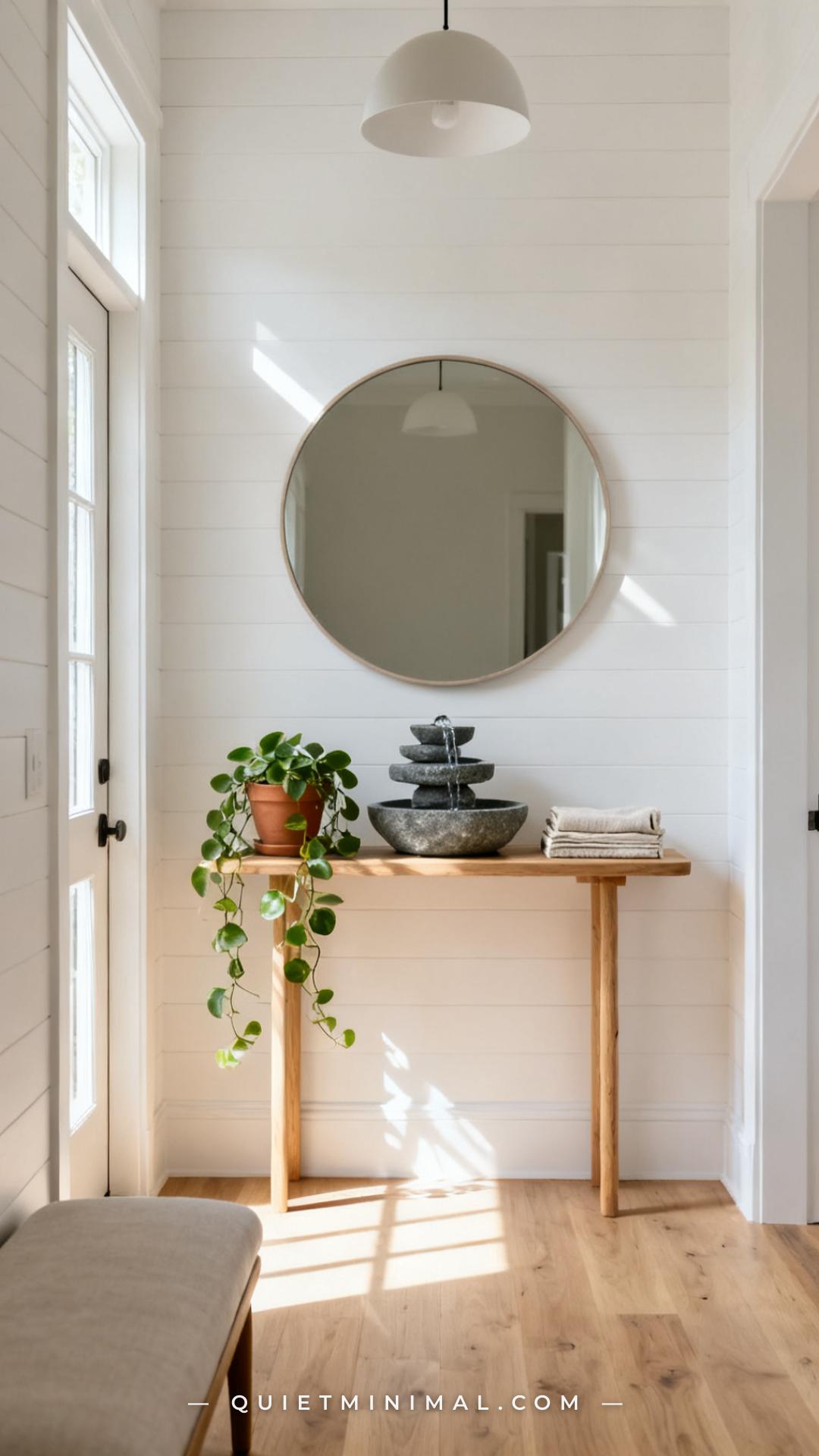
Your entryway sets the emotional tone for everything that happens next. Walk through the door stressed and into a space that immediately signals calm — sound of moving water, soft light, a few grounded layers of texture — and something genuinely shifts. That’s not interior design mythology. It’s why biophilic design, and water features in particular, have moved from spa lobbies and luxury hotels into regular homes at a pace designers are actively tracking.
The problem is that most content about indoor fountain ideas shows you a beautiful image and tells you nothing about the part that actually matters: where to put it, how to style around it so it doesn’t look like an afterthought, and what to expect in terms of maintenance. This article covers all of it — 13 specific ideas organized around real entryway constraints, with the practical details that turn a nice-looking Pinterest idea into something you’d actually live with.
1. The Console Table Fountain — Your Most Versatile Starting Point
 Save
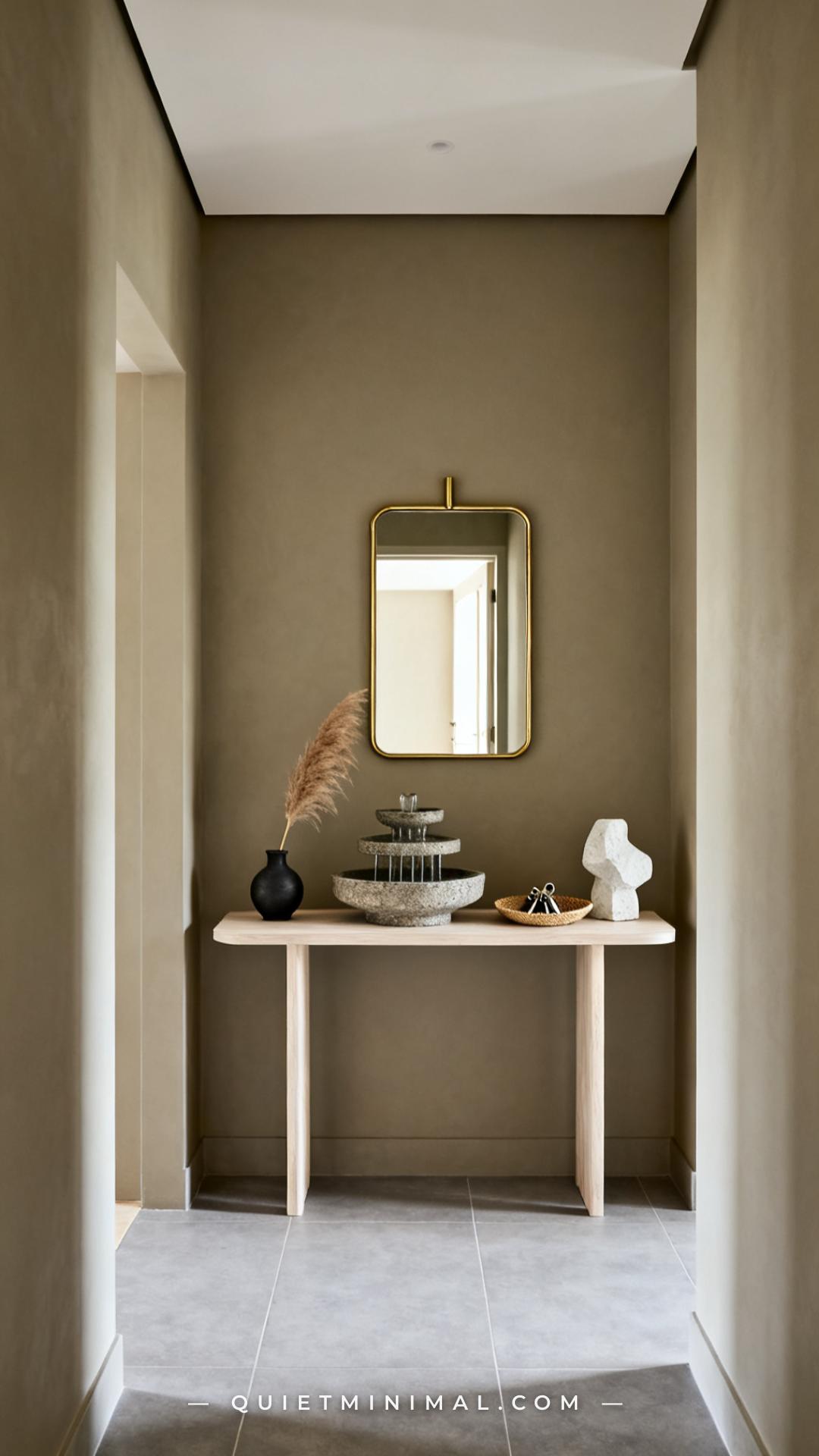
The console table fountain works in more entryways than any other format because it meets the space where it already is. Most entryways already have a console table — or have room for one — and a tabletop fountain sits on that surface without requiring wall mounting, electrical work beyond a standard outlet, or any permanent commitment.
From the guides
You've saved it, wanted it. Here's the how: codes, measurements, order. Your choices make it yours.
 The Japandi Honest PlaybookThe honest version of the style: what to keep, what to skip, and the order to do it in.See inside →
 The Room Refresh PlaybookA repeatable four-step method, room by room, in ten minutes, thirty minutes, or one weekend.See inside →
 Make Any Room Feel Cozy on PurposeWhy some rooms hold people and others empty out, and the moves that change it.See inside →
The key is scale. A fountain that’s too small reads like a desk toy. A general rule: the fountain should occupy roughly one-third of the console’s length, sit at least 10–12 inches tall, and be placed slightly off-center toward the wall — not dead center — so there’s room for one flanking element on each side. A single plant and one grounding object (a tray, a small sculpture, a candle) complete the vignette without crowding it.
Avoid fountains with excessive plastic components visible from the front. Stone, slate, resin with a stone finish, or ceramic are the materials that read as intentional decor rather than a novelty item.
Key Takeaway: The console table placement is the lowest-commitment, highest-impact starting point — choose a fountain at least 10–12 inches tall in stone or ceramic to keep the scale and material quality right.

2. Wall-Mounted Fountain on a Narrow Entryway Wall
 Save
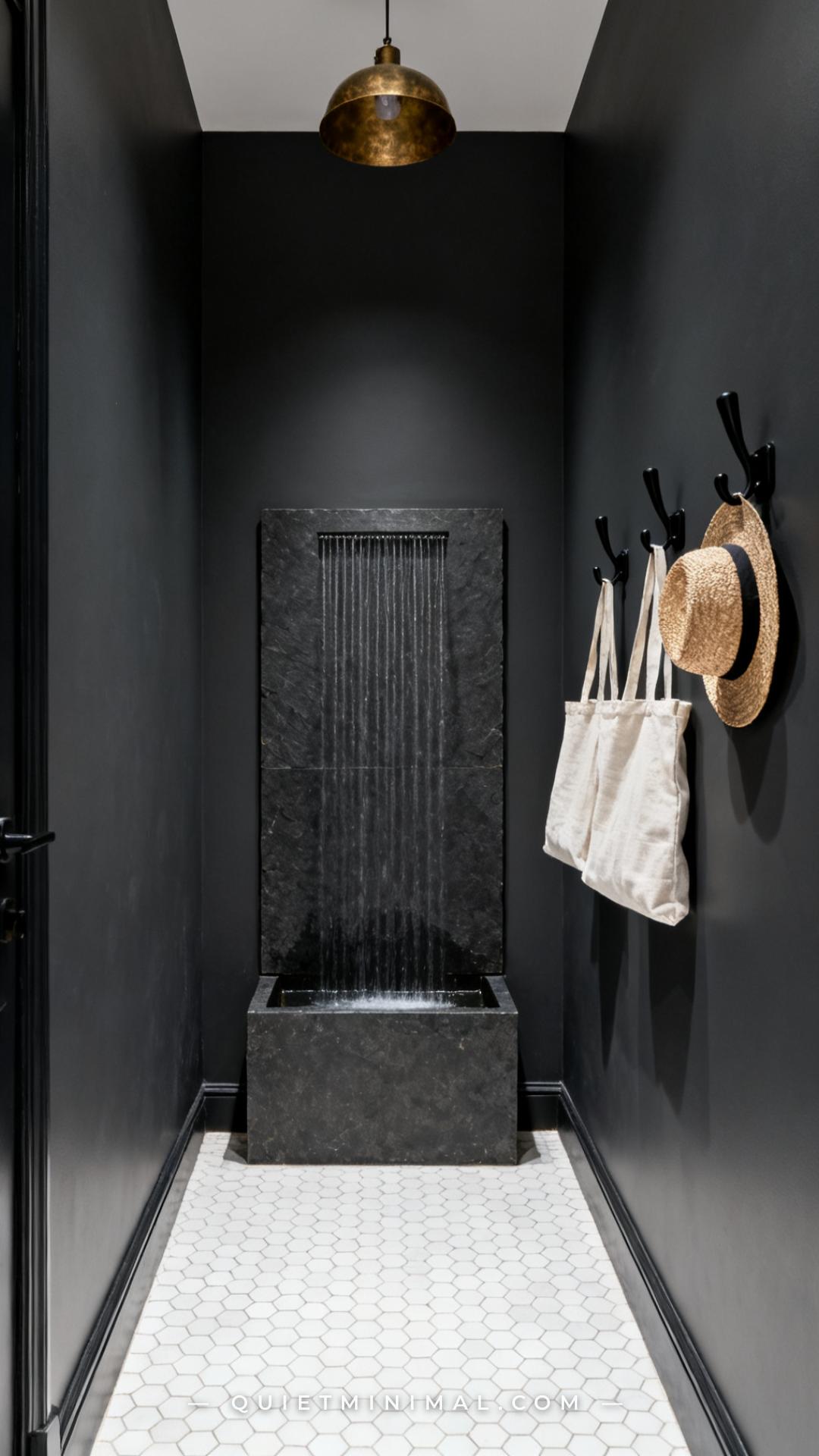
When the footprint is genuinely too narrow for a console — under 36 inches of clear wall space — the wall-mounted fountain becomes the answer. It takes up zero floor space and turns the most awkward element of a tight entryway (bare, featureless walls) into the most interesting one.
Wall fountains in this context work best when they’re treated as art, not appliance. That means the wall behind and around the fountain should be largely clear — one fixture, no competing frames or shelves. Keep the basin flush with the baseboard and make sure the water sound is audible but not dominant. A sound level between running faucet and light rainfall is the target; anything louder in a narrow hall creates echo amplification.
The electrical requirement (standard outlet, usually hidden behind the unit or routed through the wall) is the primary planning consideration. If there’s no outlet on that wall, a recessed outlet installed by an electrician is the cleaner solution — extension cords running across a narrow entryway floor are a hazard and look exactly as bad as they sound.
Key Takeaway: Wall-mounted fountains work best in tight entryways when treated as a solo focal point — clear the surrounding wall and plan for a hidden outlet before purchasing.

3. Floor Fountain for a Double-Height or Grand Foyer
 Save
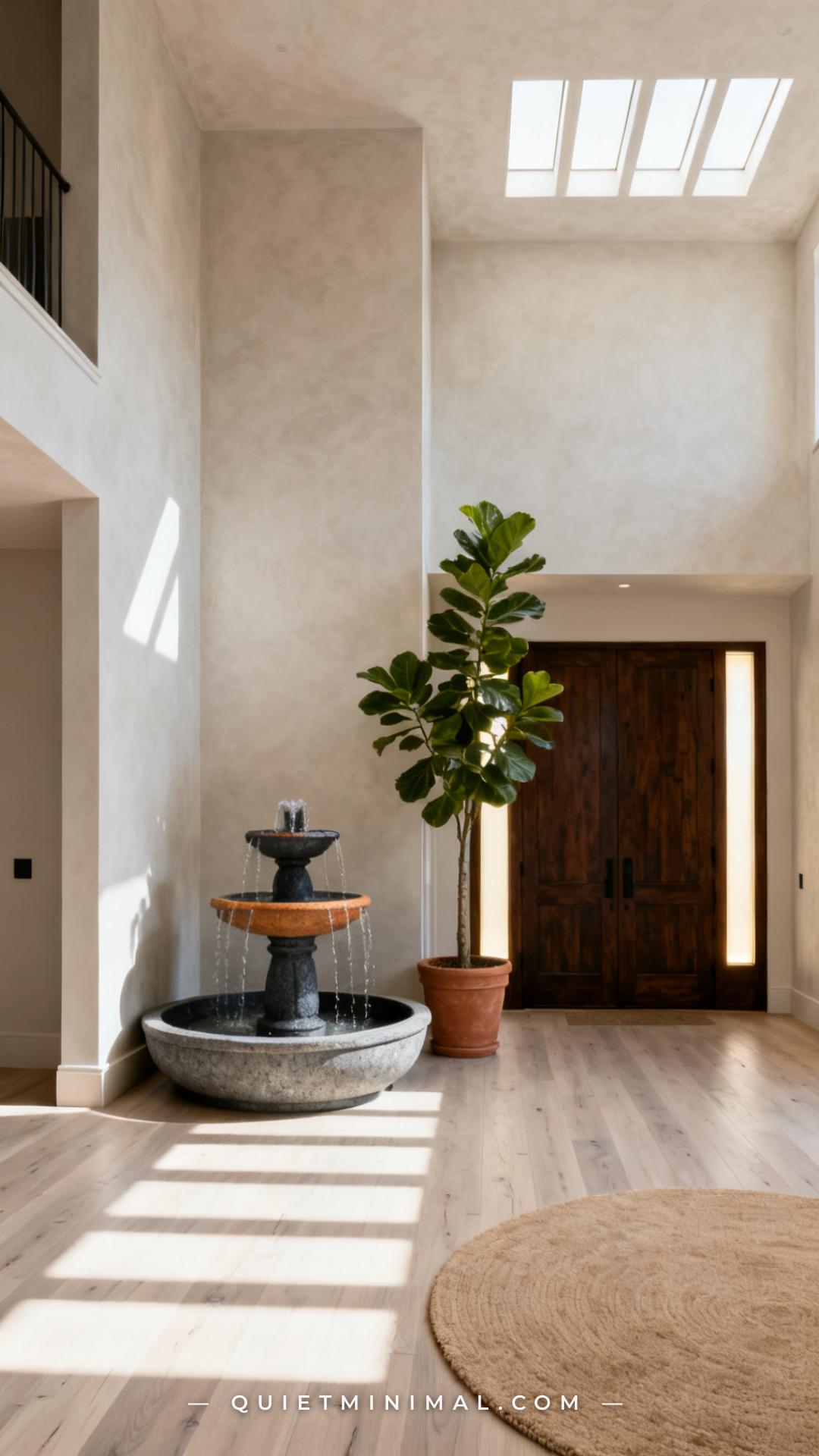
A double-height foyer can absorb a floor fountain in a way a standard entryway cannot. The vertical scale of the space means a tabletop fountain would disappear; you need something that reads at standing eye level from across the room.
Place floor fountains in corners rather than centered on a wall — corner placement reduces the visual mass and prevents the unit from reading as an obstacle. The corner also happens to be the most acoustically favorable position: sound reflects outward into the room rather than bouncing directly back at the listener.
Material matters more at floor scale. Large floor fountains in lightweight resin with a faux-stone finish can look convincing from a distance but cheap up close. If the foyer is a formal space, investing in genuine slate, cast stone, or ceramic tile panels makes the difference. This is where budget anchoring matters: the step-up from resin to real stone usually changes the total cost significantly, but in a grand foyer it’s worth it.
Key Takeaway: In tall, open foyers, use a corner-placed floor fountain at standing eye level — corner placement reduces visual mass and improves sound projection into the room.

4. The Zen Bowl Fountain — Calm Without Commitment
 Save
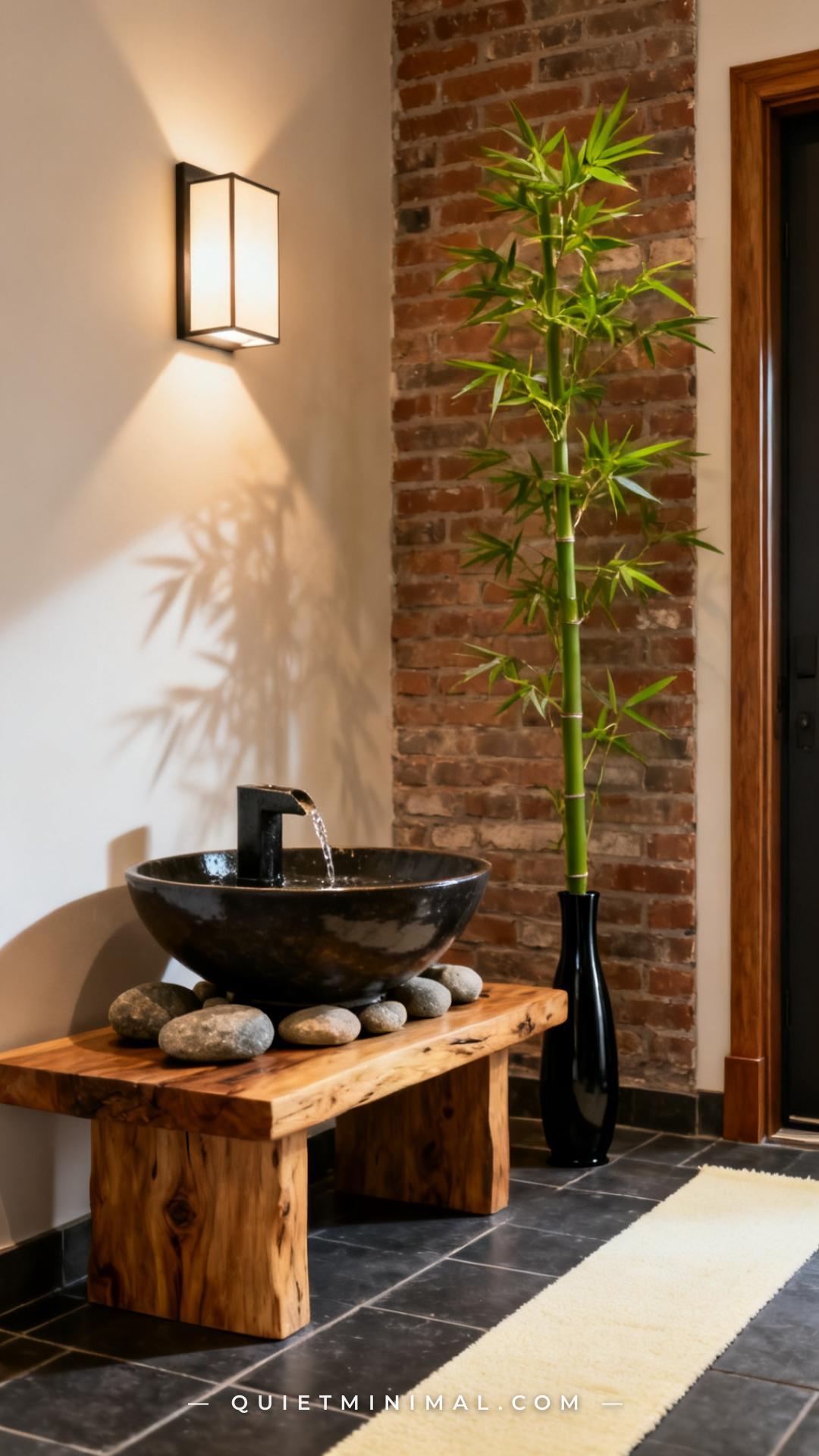
The zen bowl fountain — a wide, shallow ceramic or stone basin with a central spout and river rocks — is the lowest-profile version of this idea. It sits on a low platform or even directly on the floor, and its horizontal emphasis makes it work particularly well in entryways with low ceilings or Japanese-influenced interiors.
The appeal beyond aesthetics: zen bowl fountains are the easiest to maintain. The basin is wide and accessible, so cleaning algae, refilling water, and checking the pump take under five minutes. There are no stacked tiers to disassemble, no narrow internal channels to clear with a brush.
The styling rule here is restraint. River rocks in the basin (often included), one tall vertical plant (bamboo, snake plant, or a single stem in a bud vase), and a natural fiber rug below. That’s the complete vignette. Resist the impulse to add more — the whole point of this aesthetic is deliberate emptiness around the focal point.
Key Takeaway: The zen bowl fountain is the most maintenance-friendly format and works in low-ceiling entryways — style it with just one vertical plant and natural fiber underneath, nothing else.

5. Bamboo Spout Fountain for a Natural, Organic Feel
 Save
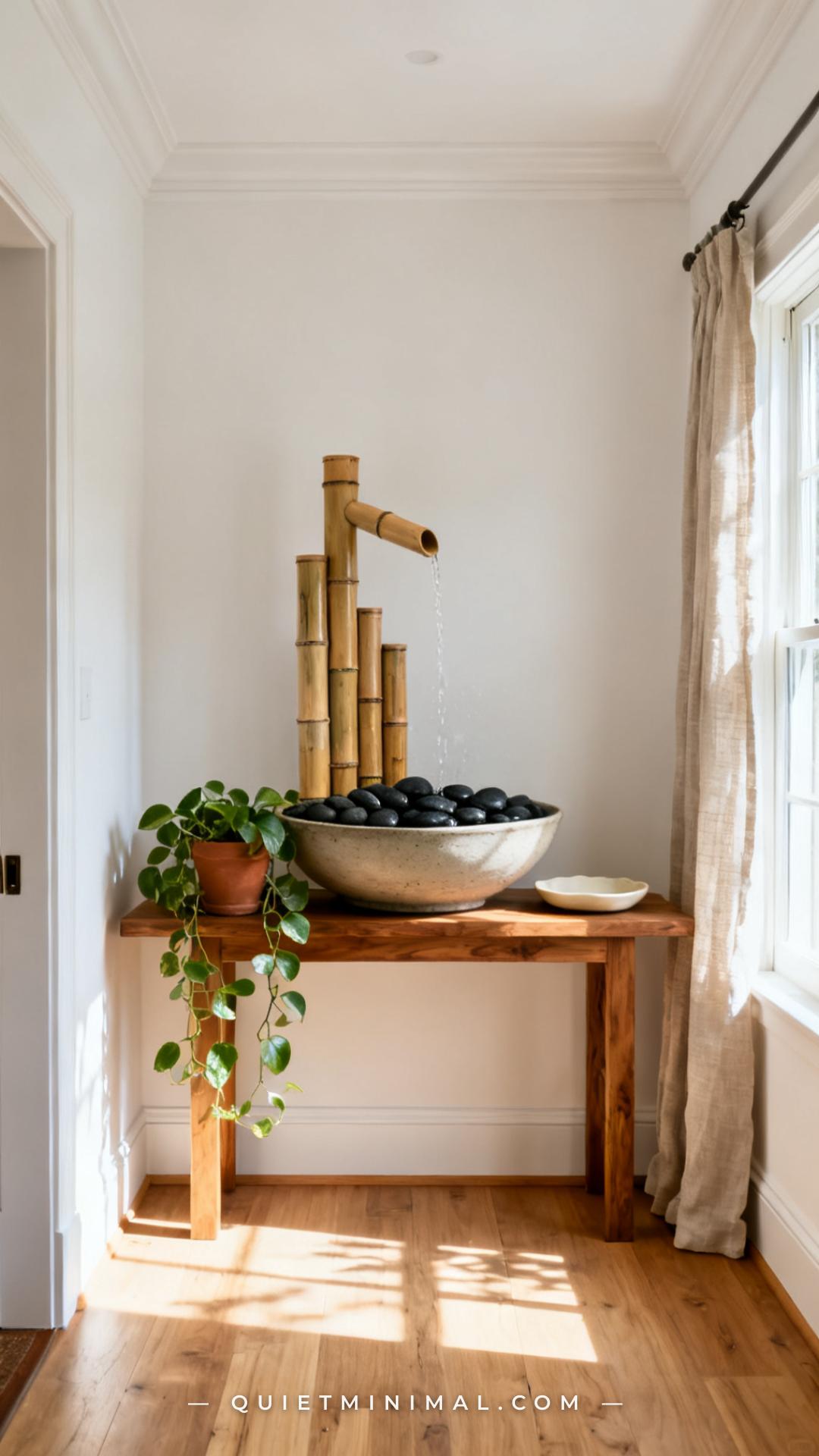
Bamboo spout fountains read organic in a way stone and resin cannot. The natural culm texture, the sound of water hitting a ceramic or stone basin (slightly more hollow and resonant than a fountain flowing over slate), and the material connection to the outdoors make them the obvious choice when the rest of the entryway leans toward Japandi, wabi-sabi, or organic modern styling.
The practical consideration with bamboo: real bamboo spouts require sealing once or twice a year to prevent splitting as the material reacts to humidity fluctuations. Faux-bamboo resin versions skip that maintenance step but sacrifice some of the material richness up close. For a high-use, high-humidity entryway — one near a bathroom or a coastal climate home — the resin version is the smarter call.
Sound profile is different with bamboo. Water on stone produces a lower, more resonant drip; water flowing over slate produces a consistent, lighter trickle. Neither is better, but knowing the difference before you buy prevents the situation where the fountain’s sound doesn’t match the sensory experience you were expecting.
Key Takeaway: Bamboo spout fountains suit Japandi or organic modern entryways, but check whether the material is real bamboo (needs annual sealing) or sealed resin before committing in a humid climate.

6. Mirrored Alcove Fountain — Making a Small Entry Feel Twice as Large
 Save
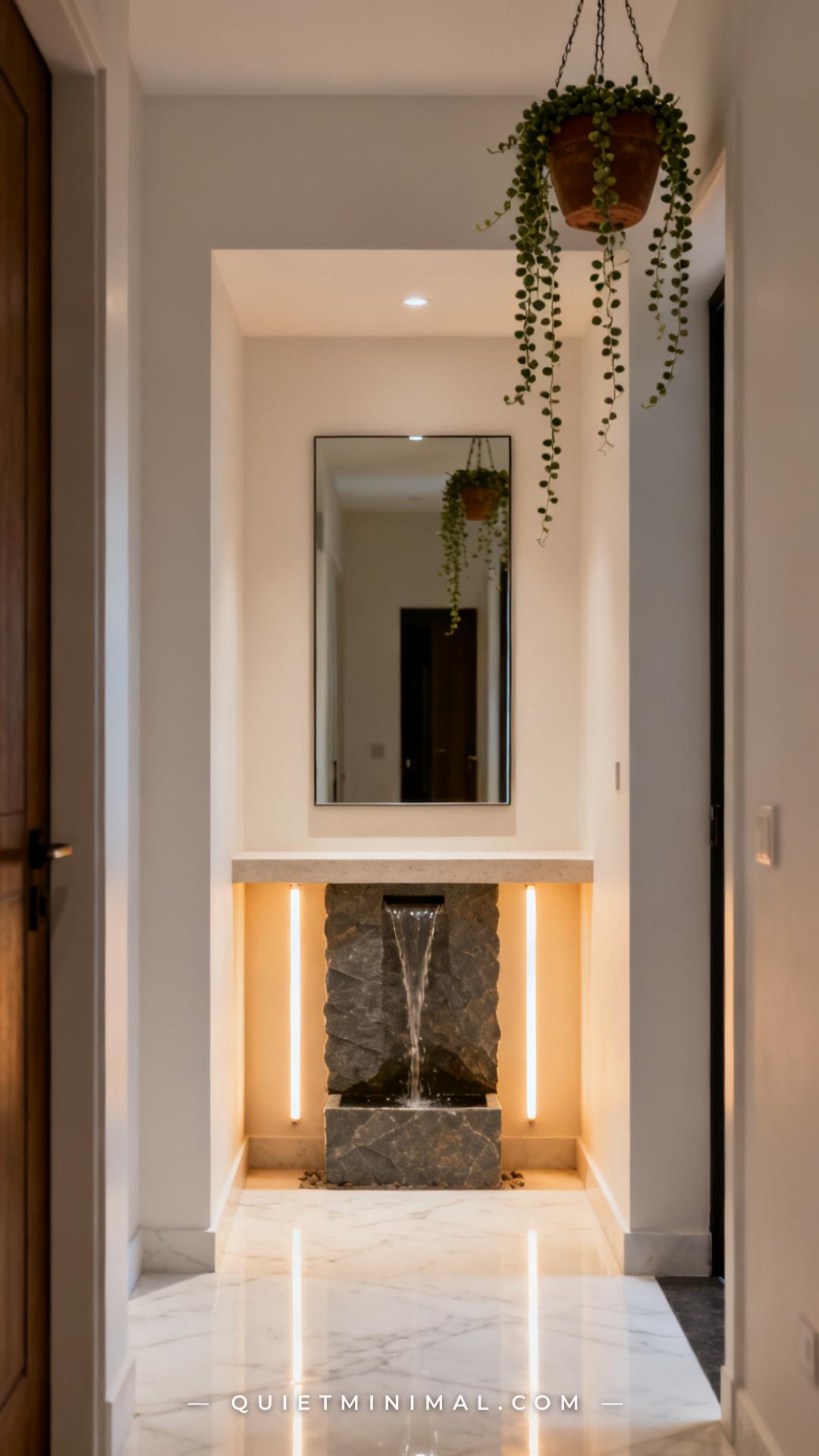
A narrow alcove or niche in an entryway is typically treated as dead space — a place for a coat hook or nothing at all. Treating it as a fountain zone turns the most overlooked square footage in the home into the most memorable moment.
The trick is layering a large mirror behind the fountain. The mirror doubles the visual depth of the alcove, reflects the moving water (which catches light in a way that static objects do not), and eliminates the darkness that alcoves tend to trap. A slim wall fountain on the mirror’s ledge or wall-mounted below it, flanked by narrow LED strips, creates a hotel-spa moment that costs a fraction of what it looks like.
Keep the palette of the alcove tight: the mirror frame, the fountain material, and the light fixture should share the same metal finish — brushed brass, matte black, or warm bronze. Three different metals in a space this small create visual fragmentation that undercuts the calm you’re building.
Key Takeaway: Use a large mirror behind the fountain in an alcove to double visual depth and reflect moving water — keep all metal finishes in the space matchy to preserve the sense of calm.

7. Fountain + Living Wall Combination — Biophilic Design at Its Peak
 Save
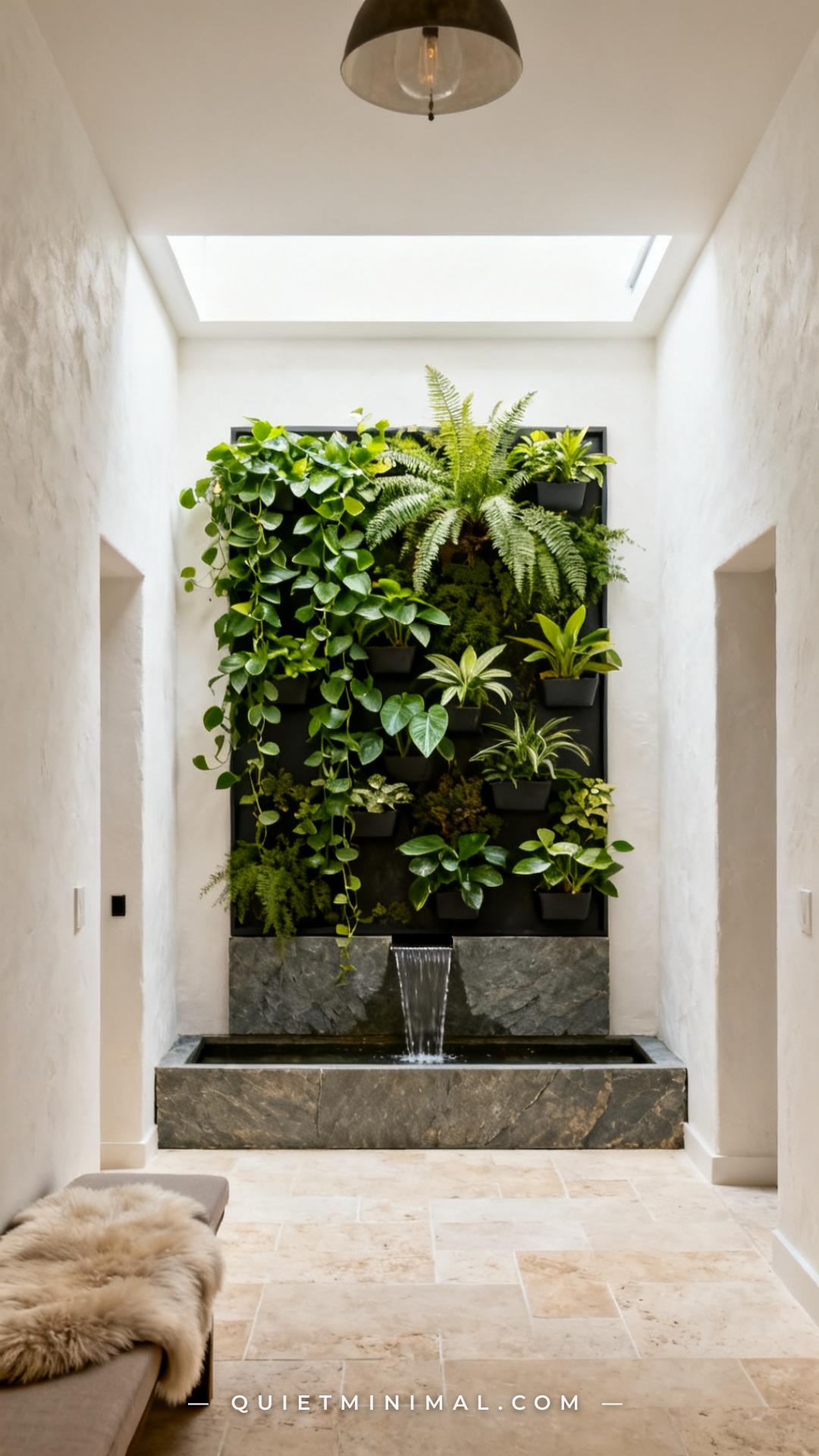
The living wall with an integrated fountain is the most ambitious version of this idea — and also the one that most consistently gets saved on Pinterest because it looks like it belongs in a boutique hotel lobby. Done right, it’s achievable in a residential entryway.
The structural requirement: this combination works best when the living wall system is self-watering (most modern kits are) and the fountain’s reservoir is large enough that daily refills aren’t necessary. The fountain component keeps the humidity slightly elevated, which the plants actually benefit from — making these two elements functionally symbiotic, not just aesthetically compatible.
Scale this to the wall: a 3×4-foot panel with an integrated fountain base is achievable without professional installation. The most critical planning step is electrical access for the pump, and waterproofing the wall surface behind the panel with a moisture barrier membrane before installation.
Key Takeaway: A living wall with an integrated fountain base is symbiotic — the fountain adds humidity the plants need — but plan for waterproof membrane behind the panel and a large reservoir before you build.
8. Sculptural Fountain as the Only Decor on an Entry Wall
 Save
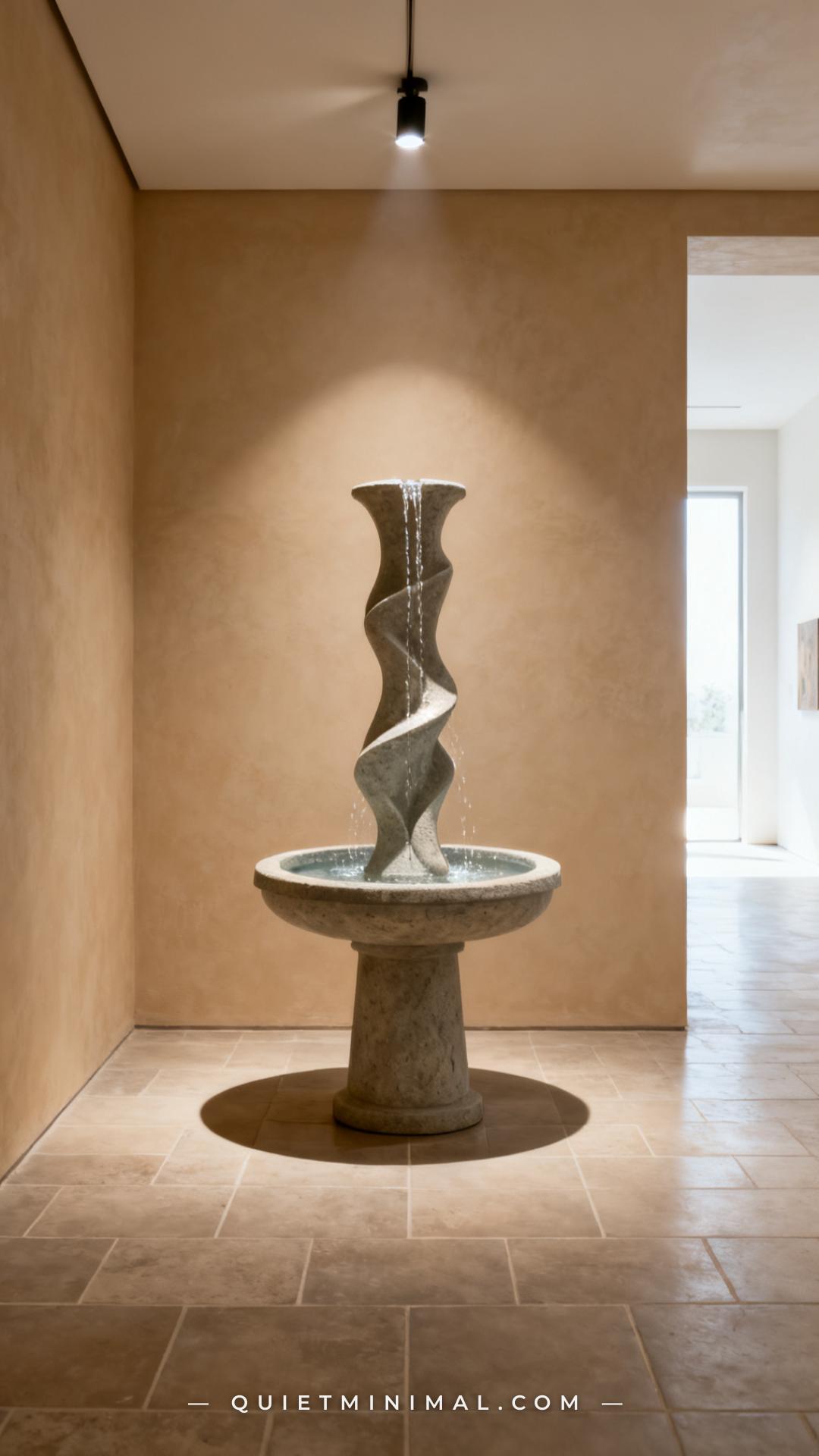
The most underused entryway fountain strategy is also the most effective one: treat the fountain as the only piece of decor on its wall. No gallery frames alongside it. No floating shelf above it. No competing visual elements. Just the fountain, on a low pedestal or directly on the floor, against a clean painted wall with a single directional light source angled at it.
From the guides
You've saved it, wanted it. Here's the how: codes, measurements, order. Your choices make it yours.
The Japandi Honest PlaybookThe honest version of the style: what to keep, what to skip, and the order to do it in.See inside →The Room Refresh PlaybookA repeatable four-step method, room by room, in ten minutes, thirty minutes, or one weekend.See inside →Make Any Room Feel Cozy on PurposeWhy some rooms hold people and others empty out, and the moves that change it.See inside →This approach requires confidence — empty walls feel uncomfortable to most people before the fountain is in place — but the result is genuinely striking. The moving water and sculptural form carry enough visual interest that additional decor would only dilute the effect.
The lighting angle is the detail that separates this from looking like an afterthought. A recessed directional spotlight or a track head angled at roughly 30–45 degrees from above catches the water’s surface and creates a moving light pattern on the wall that no static artwork can replicate.
Key Takeaway: One sculptural fountain with a single directional spotlight on a bare wall outperforms a fountain surrounded by competing decor — resist the impulse to fill the rest of the wall.

9. The Pump-Hidden Approach — When You Want the Look Without the Visible Hardware
 Save
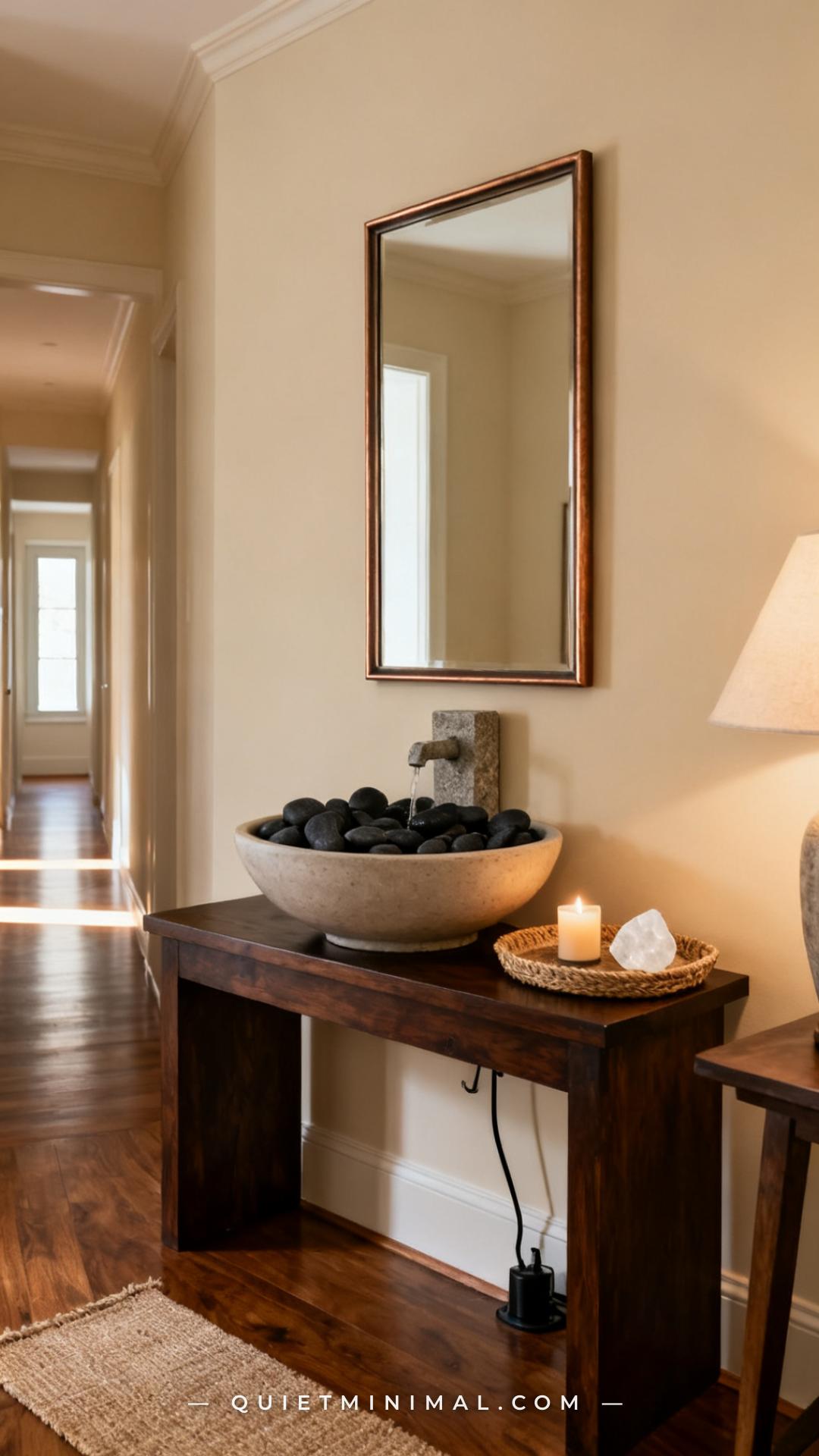
One of the most common complaints in Reddit interior design threads about indoor fountains is visible hardware — the pump cord snaking out from behind the basin, or the pump itself floating visibly at the water’s surface. This is almost always a sourcing problem, not an inevitable feature.
The best fountains for entryway use route the cord through a hollow column or basin leg, or include enough river rock fill to submerge the pump completely below the surface. When shopping, look specifically for units that describe cord routing or include a cord cover, and check buyer photos (not the listing photos, which are staged) to confirm the pump isn’t visible at operating water level.
For existing fountains where the cord situation is imperfect: a narrow cable raceway in the same color as the baseboard is nearly invisible and keeps the setup looking intentional. White raceways on white baseboards, black on black trim. This one fix changes the read of the entire vignette from DIY to designer.
Key Takeaway: Visible pump cords are the number-one reason entryway fountains look cheap — look for cord-routing features in the listing specs, or use a color-matched cable raceway as a fast fix.

10. Seasonal Styling — Refreshing the Fountain Vignette Without Replacing the Fountain
 Save
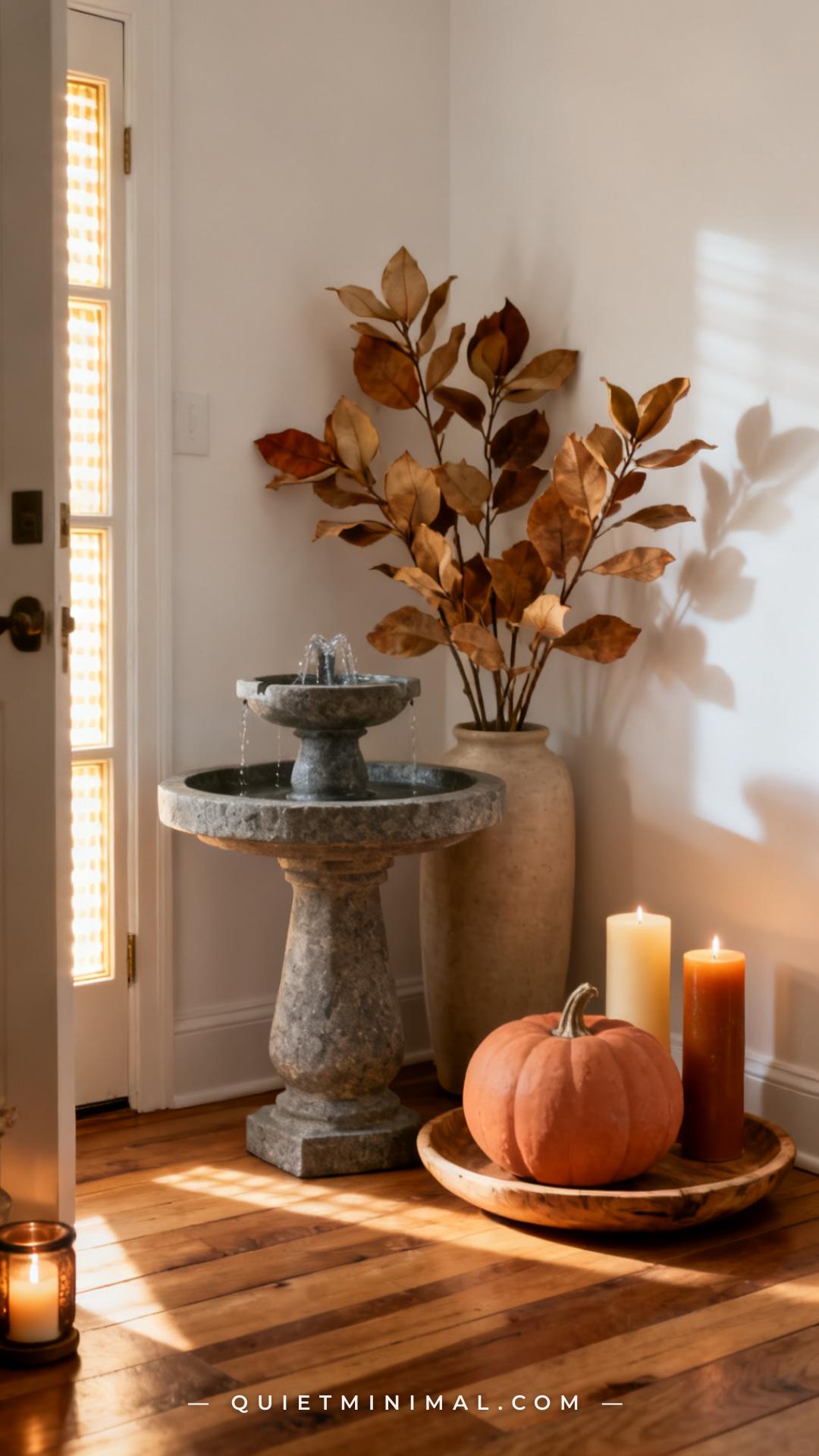
The fountain is the fixed anchor. Everything around it can change seasonally without touching the fountain itself, which is what makes this format worth the investment — it’s not a one-season piece of decor.
The vignette logic: the fountain occupies the left-center of the console, and the styling “season” changes through the objects to its right and the arrangement behind it. In spring, trailing pothos and white ceramic vessels. In autumn, matte terracotta tones, dried stems, and warm candlelight. In winter, a single evergreen branch, a matte gold tray, a white pillar candle. Each iteration looks intentional because the fountain provides the constant visual anchor.
The practical rule: seasonal accessories should share the fountain’s material family. If the fountain is slate (cool gray, rough texture), warm autumn accessories in a competing palette fight it. Stay within 2–3 degrees of warmth relative to the fountain’s material tone.
Key Takeaway: A quality fountain becomes a year-round entryway anchor — update the surrounding vignette seasonally while keeping the fountain as the fixed point, and stay within the fountain’s material warmth when choosing accessories.
11. Sound Design — Choosing a Fountain Based on What You Want to Hear
 Save
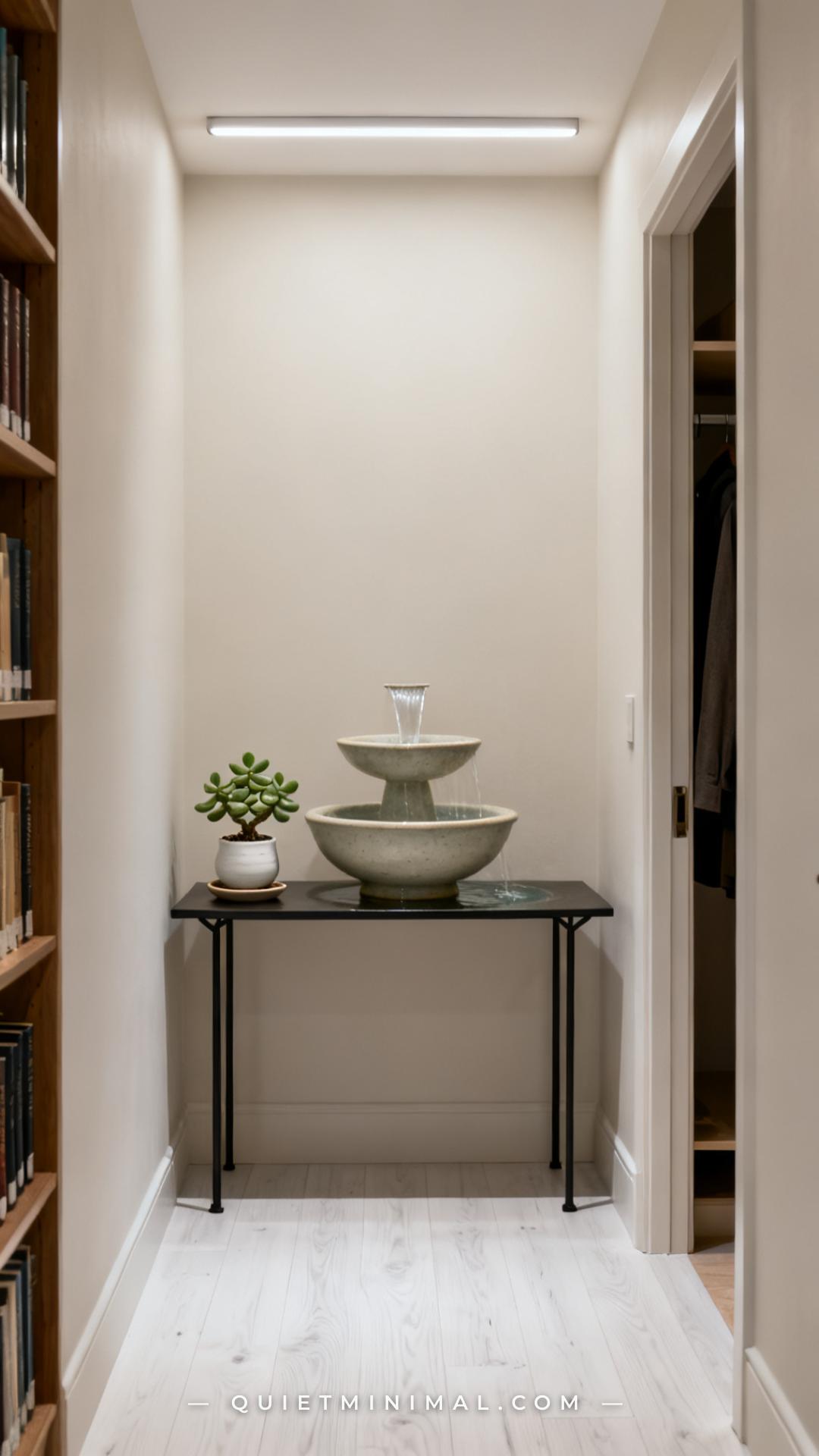
Most people choose a fountain by looking at it. But in an entryway, you’ll spend far less time looking at it and far more time hearing it — as you walk past, while getting dressed, while waiting for someone at the door. The sound profile of the fountain matters more than most buyers anticipate.
Broad, flat surfaces (wide ceramic lips, wide slate panels) produce softer, more diffuse sound — the water spreads thin, and the impact on the lower basin is gentle. Narrow spouts and tall drops produce sharper, louder impact sounds — more dynamic, more noticeable. Bamboo on stone produces a hollow knock sound with each drip cycle. Stone on stone creates a flat, constant white noise effect.
Match the sound profile to the entryway’s acoustic properties: a tiled entryway (hard surfaces) amplifies sound — choose a quieter, broader-surface fountain. A carpeted or wood entryway absorbs more — a more dynamic fountain won’t echo. Before purchasing, search YouTube for the specific model name + “sound test” — buyers often post these, and they’re the most useful research you can do.
Key Takeaway: Search YouTube for the fountain model’s sound test before buying — the sound profile (diffuse vs. sharp, quiet vs. dynamic) matters more in day-to-day living than the aesthetic alone.

12. Humidity, Floors, and What Nobody Tells You Before You Buy
 Save
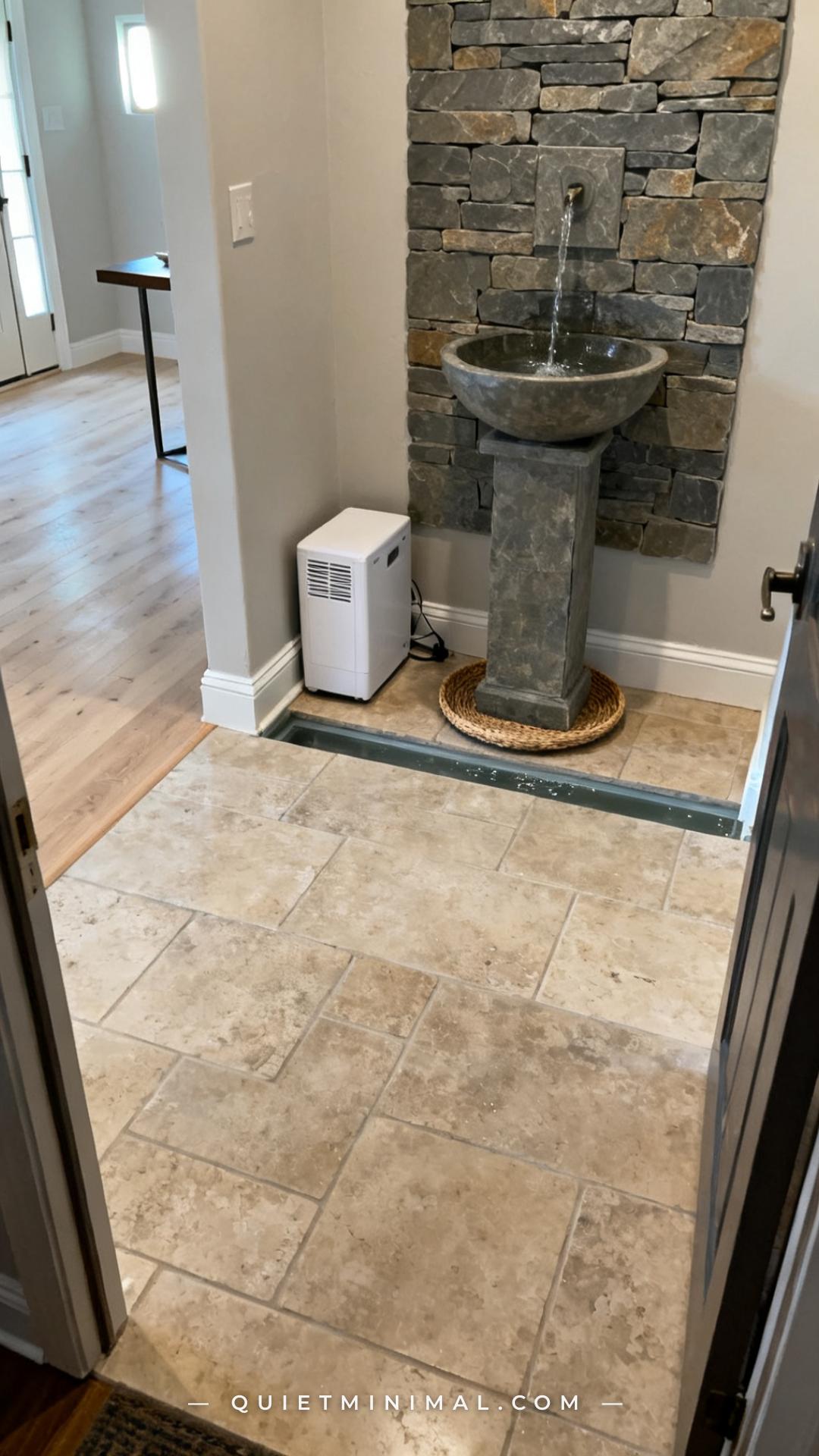
This is the section that should come before the purchase, not after. Indoor fountains introduce sustained localized humidity. In most cases — concrete, tile, stone floors — that’s irrelevant. In entryways with hardwood or engineered wood floors, sustained humidity from a fountain running 8–12 hours daily will eventually cause the wood to swell and cup if there’s no moisture mitigation in place.
Three practical solutions, in order of effort: First, use a waterproof tray liner under the fountain, even if the unit doesn’t come with one. Any shallow stainless or silicone tray works. Second, run the fountain on a timer rather than continuously — 4–6 hours daily is enough for sensory effect without sustained humidity output. Third, if the entryway is enclosed (no airflow), a small compact dehumidifier nearby keeps humidity within safe range for wood flooring.
The second issue: algae. Any indoor fountain that runs with plain tap water will develop green algae in the reservoir within 4–8 weeks. Add two to three drops of white distilled vinegar per gallon of water in the reservoir, or use a fountain-specific algae-prevention tablet. Neither affects the water sound or appearance. Both prevent the single most common maintenance complaint about indoor fountains.
Key Takeaway: Add a waterproof tray liner under any entryway fountain on wood floors, run it on a timer rather than continuously, and add two drops of white vinegar per gallon in the reservoir to prevent algae.

13. The Minimal Entryway Fountain — When Less Is Literally the Feature
 Save
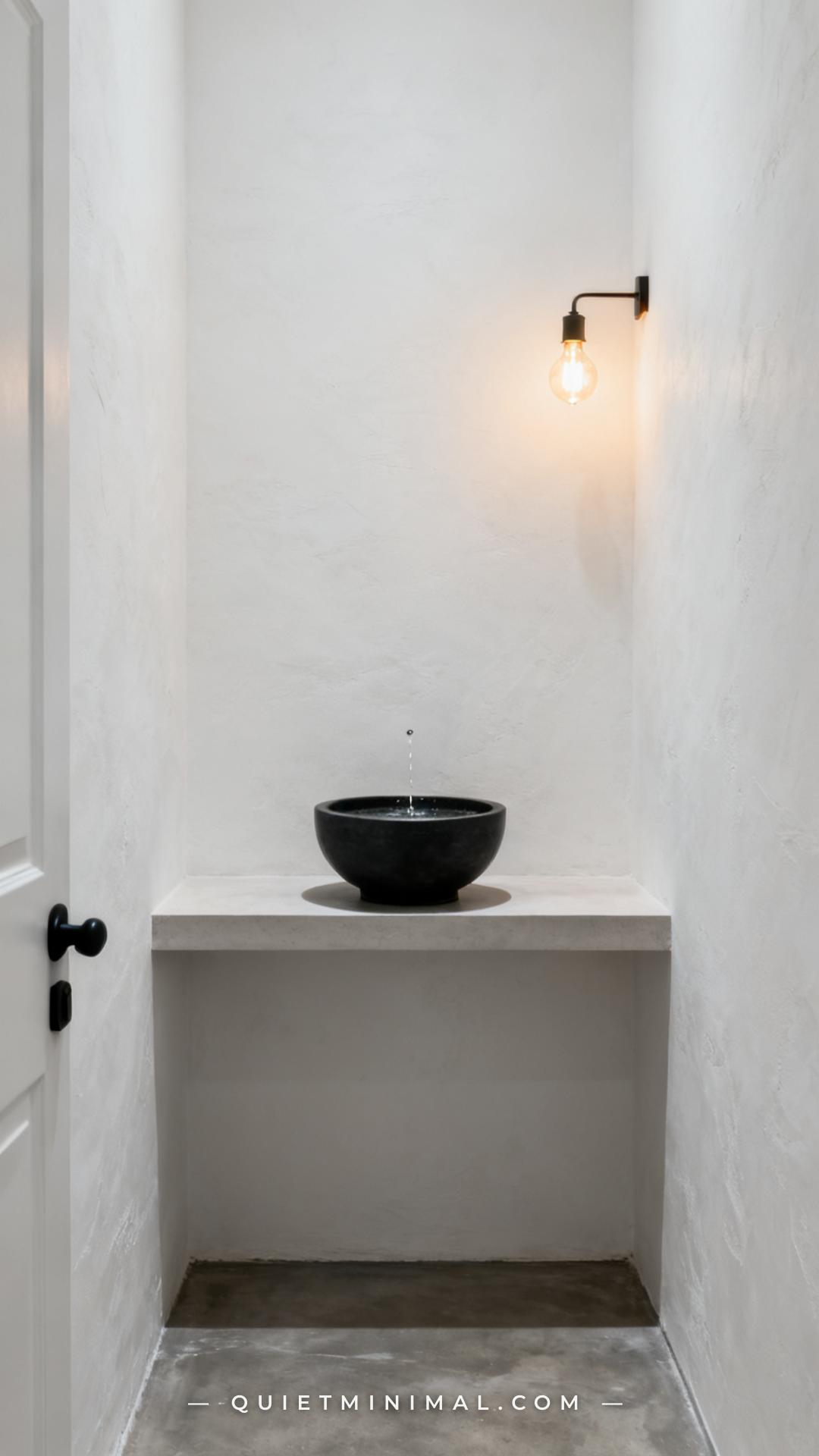
Not every entryway needs a statement. Some of the best entryway fountain installations are so small and quiet that they’re more sensory than visual — you notice the sound before you locate the source, and when you find it, the restraint reads as confidence.
The minimal fountain approach works best in modern, Scandinavian, or brutalist-influenced spaces where the architecture already does the visual heavy lifting. A ceramic or matte black fountain no larger than 6–8 inches in diameter, on a floating shelf at waist height, with a single warm light source above it — this is the full design. Nothing else on the shelf. No adjacent objects competing for attention. The negative space is the point.
This is also the most practical option for true apartment living — no floor space required, minimal water capacity means fast refills, and the pump is whisper-quiet at low volumes. The minimalist fountain is proof that calm doesn’t require scale.
Key Takeaway: In modern or Scandinavian entryways, a single small ceramic fountain on a floating shelf with nothing else on the shelf is a complete and confident design — the negative space around it is what makes it work.
The entryway is the first and last room you experience every day — it deserves more intention than a coat hook and a shoe rack. An indoor fountain, chosen and placed thoughtfully, does something that no paint color or furniture piece can fully replicate: it adds a sensory layer that actively resets your nervous system as you move through the door. Start with the format that fits your actual constraints — tabletop on a console if you’re working with what you have, wall-mounted if floor space is genuinely limited, zen bowl if you want the lowest-maintenance version possible. Get the scale right, protect the floor underneath, and style the surrounding vignette with restraint. Do those three things and the fountain won’t look like a Pinterest experiment you’re still figuring out — it will look like it was always supposed to be there.
From the guides
You've saved it, wanted it. Here's the how: codes, measurements, order. Your choices make it yours.
The Japandi Honest PlaybookThe honest version of the style: what to keep, what to skip, and the order to do it in.See inside →The Room Refresh PlaybookA repeatable four-step method, room by room, in ten minutes, thirty minutes, or one weekend.See inside →Make Any Room Feel Cozy on PurposeWhy some rooms hold people and others empty out, and the moves that change it.See inside → Save


