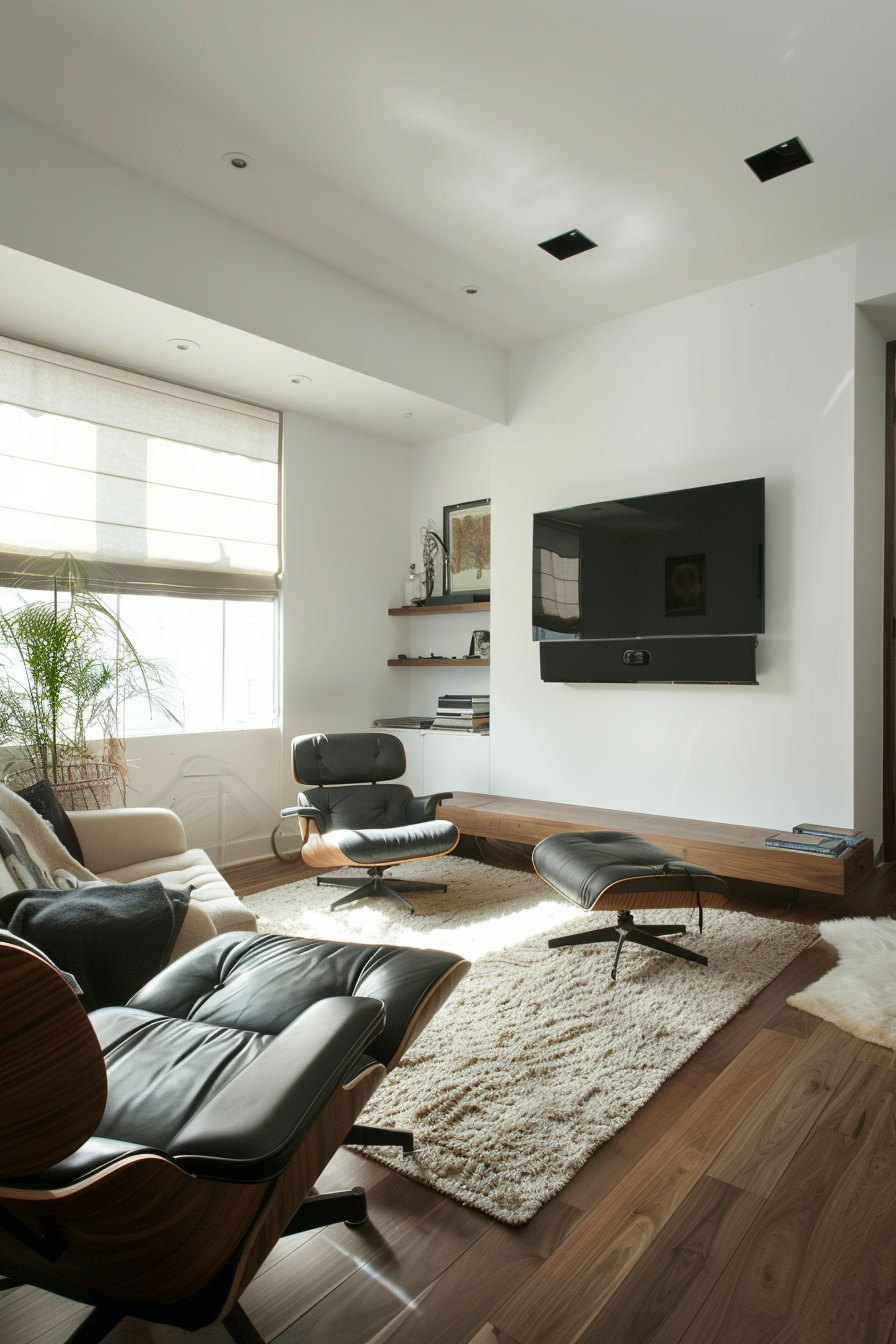
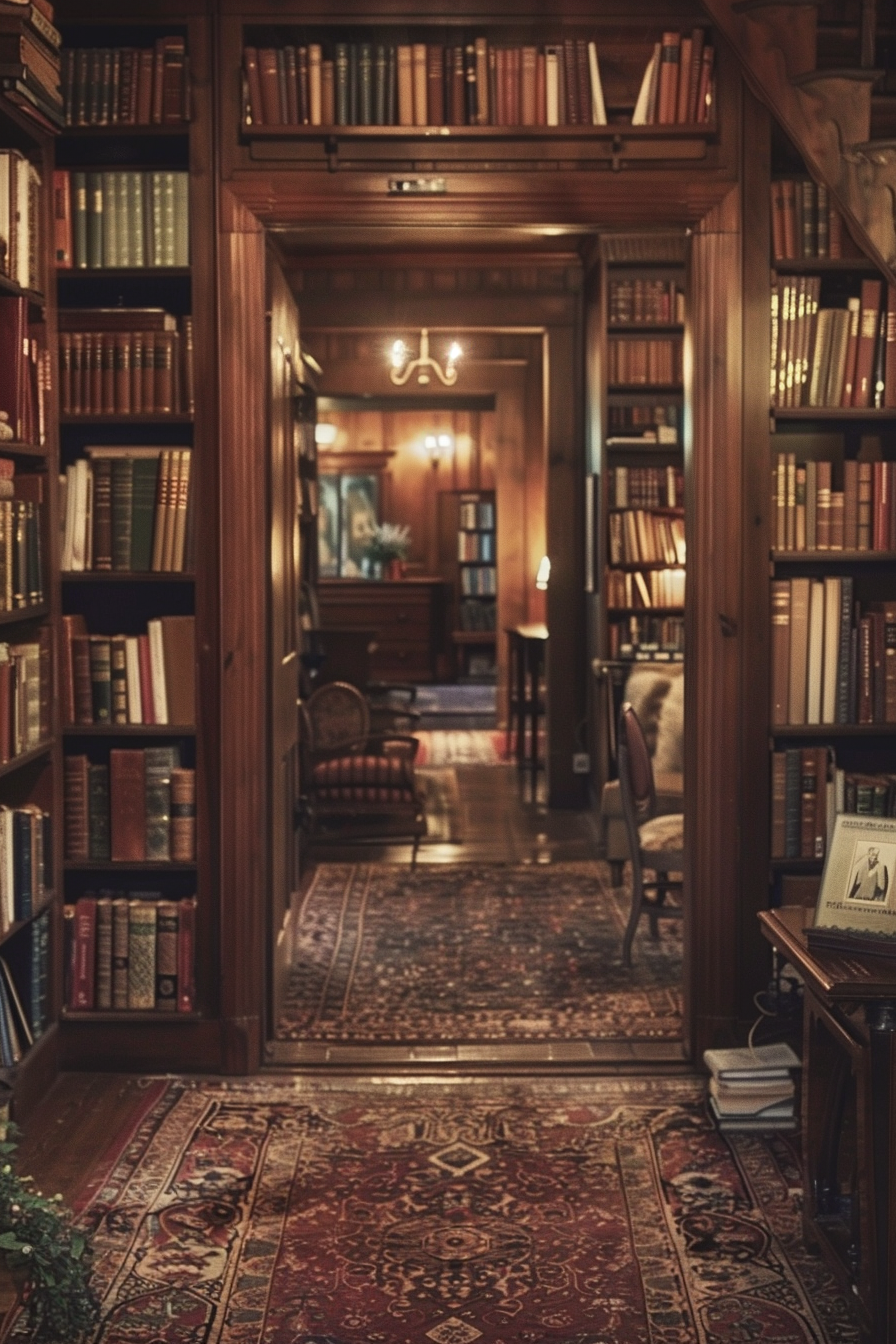
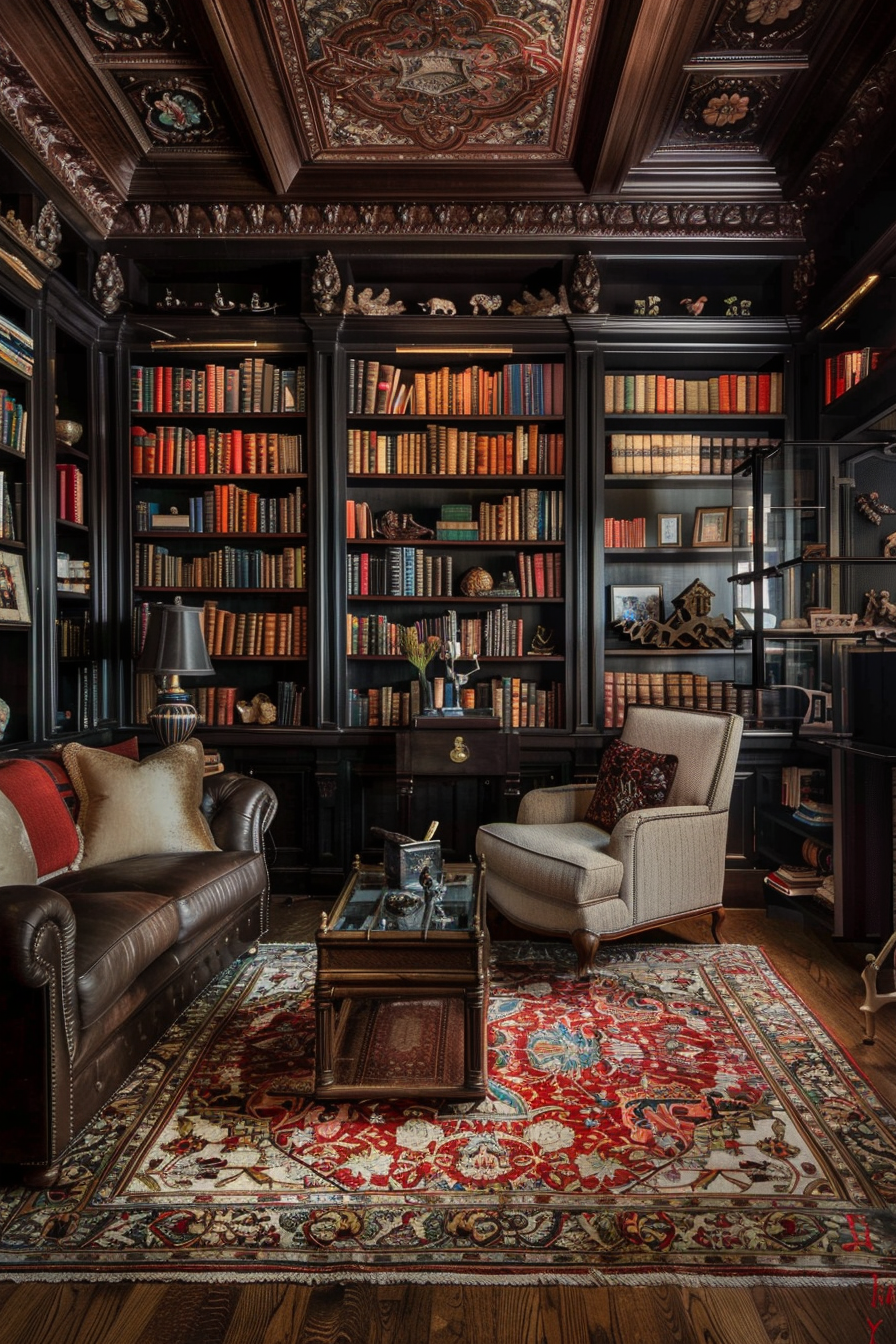
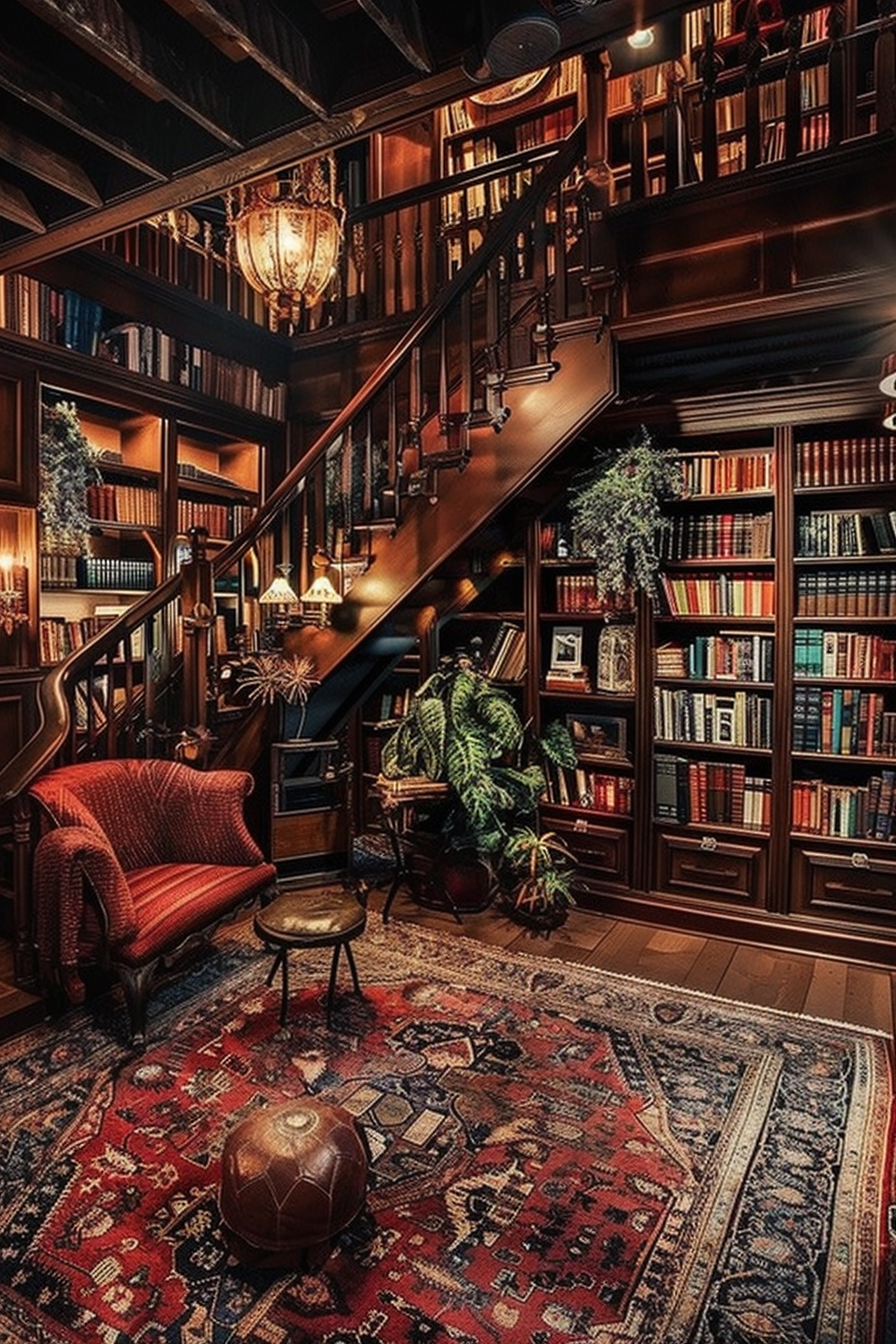
The Architect of Books: 80+ Shelving Styles for the Small Home Library
In a compact home, a library is not defined by a room; it is defined by the shelf. It transforms verticality into utility, turning dead walls and awkward corners into intellectual architecture.
Rather than just buying a “bookcase,” successful design requires selecting the right structural form for your space. Here are the 8 distinct shelving archetypes defined by their silhouette and function.
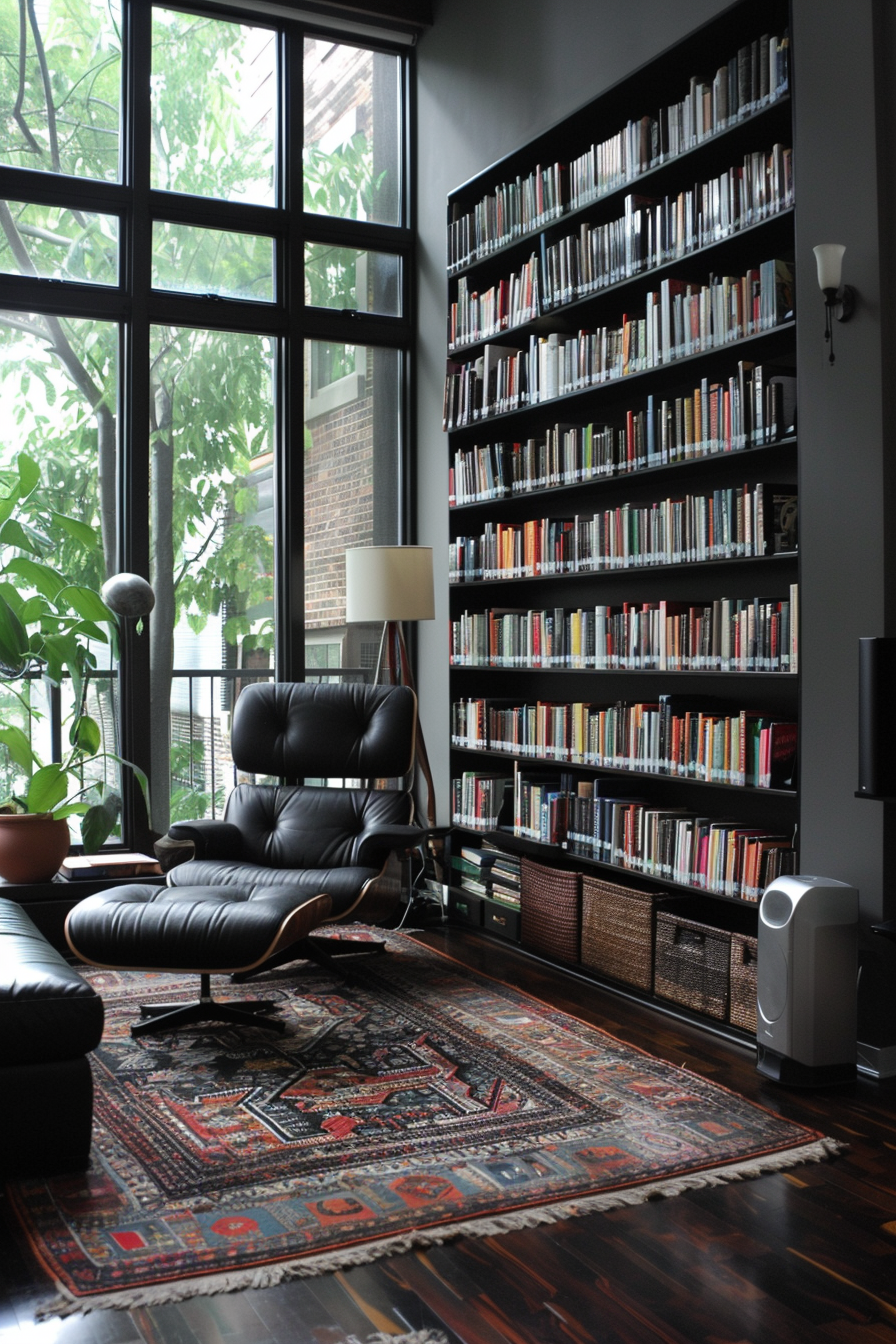
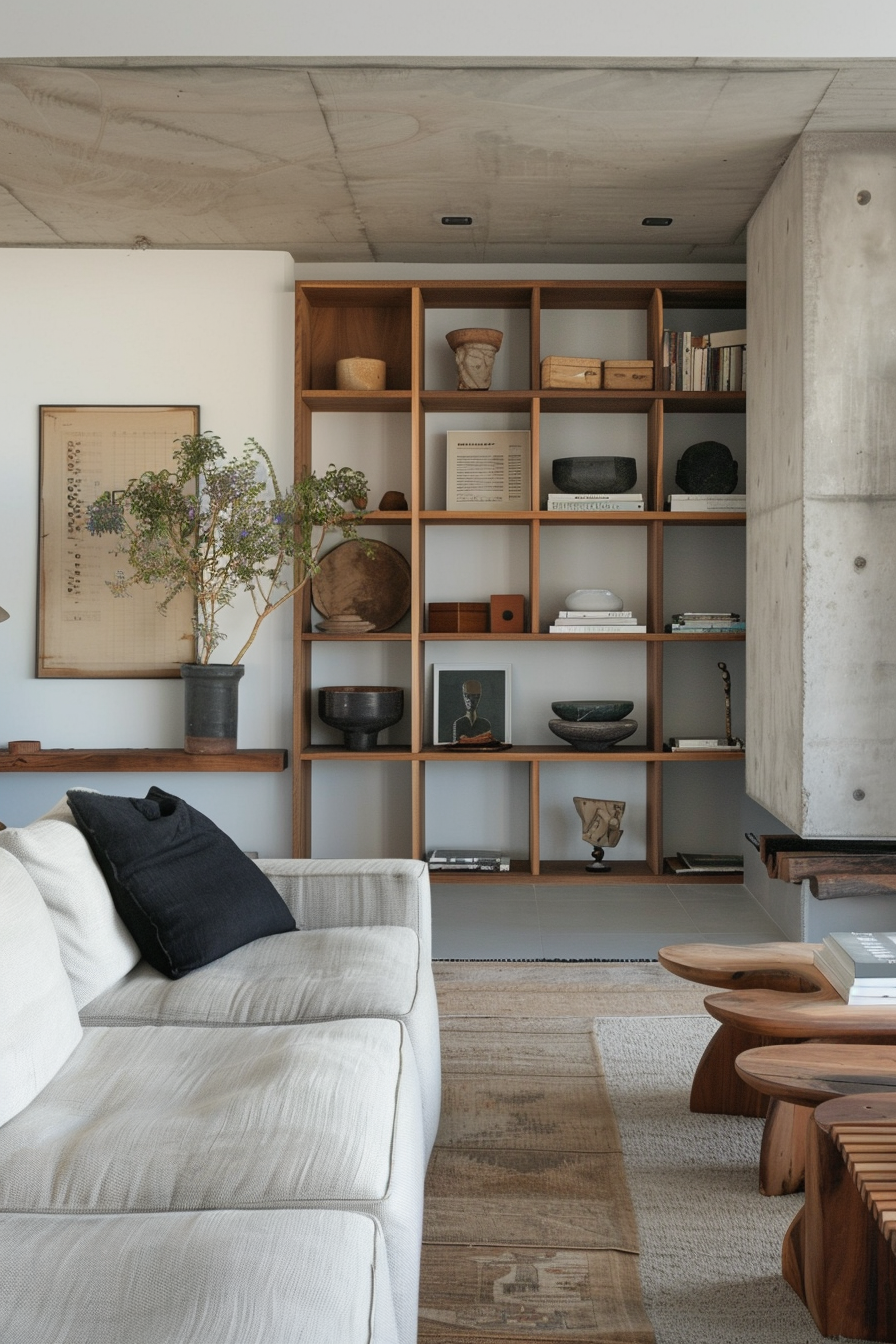
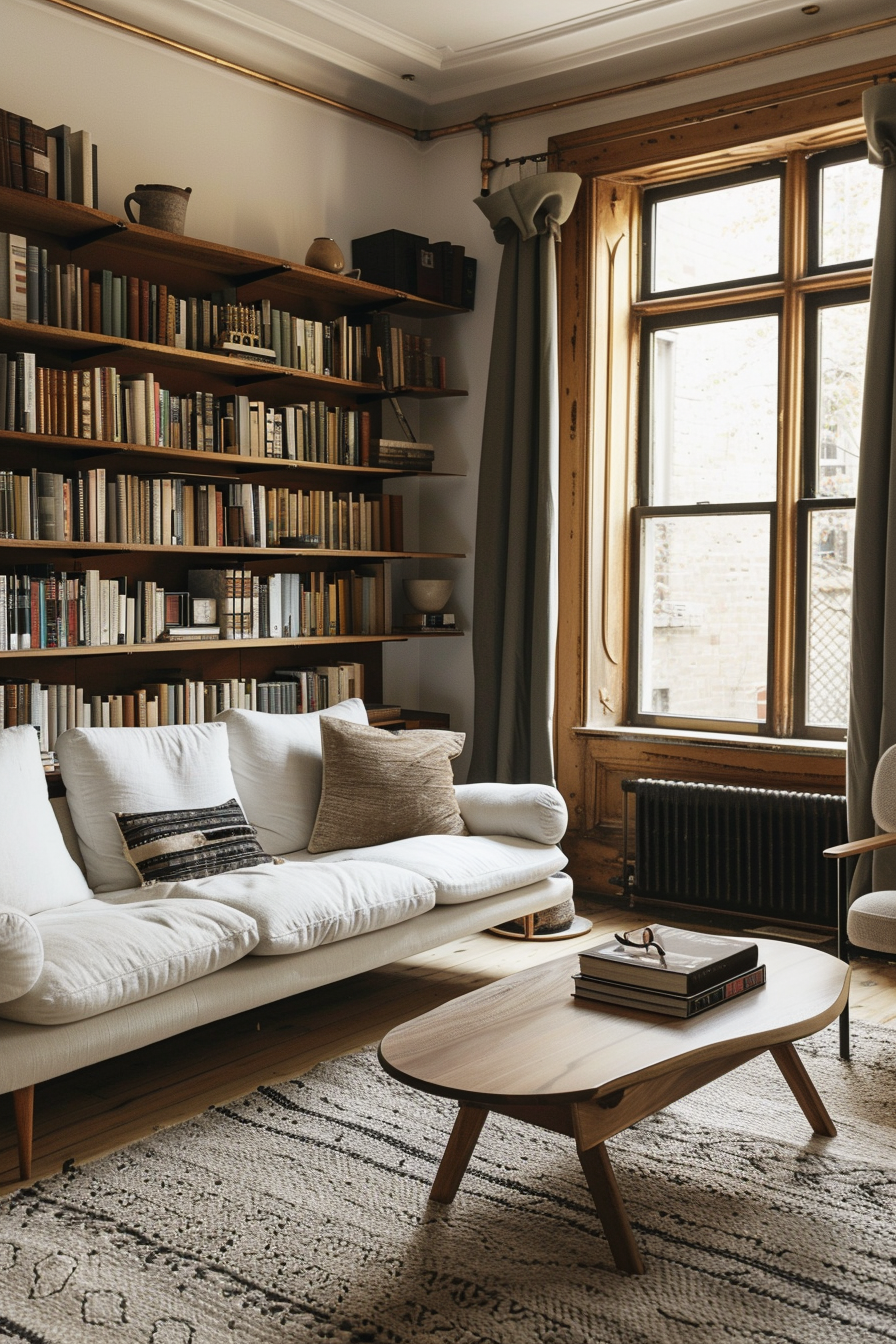
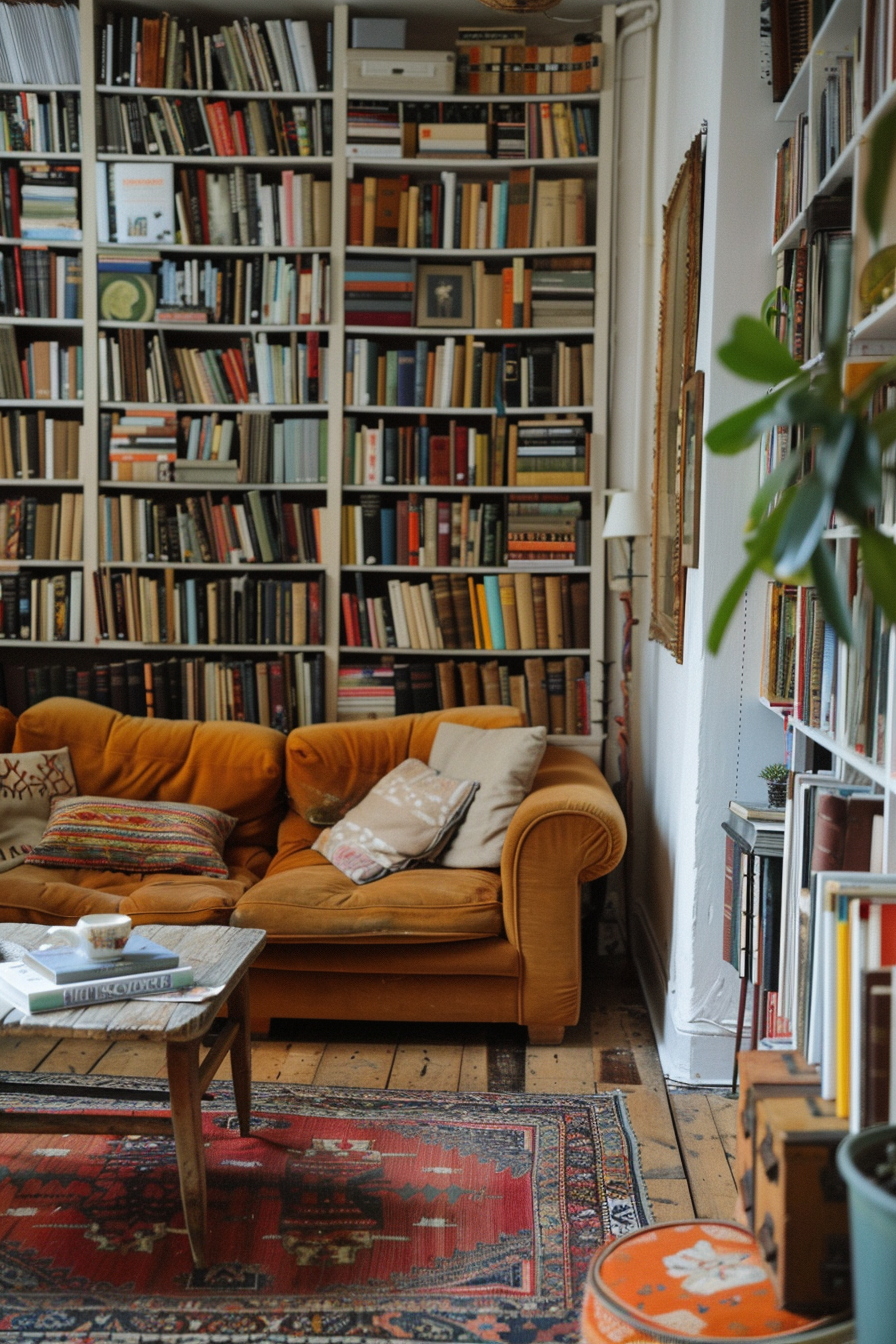
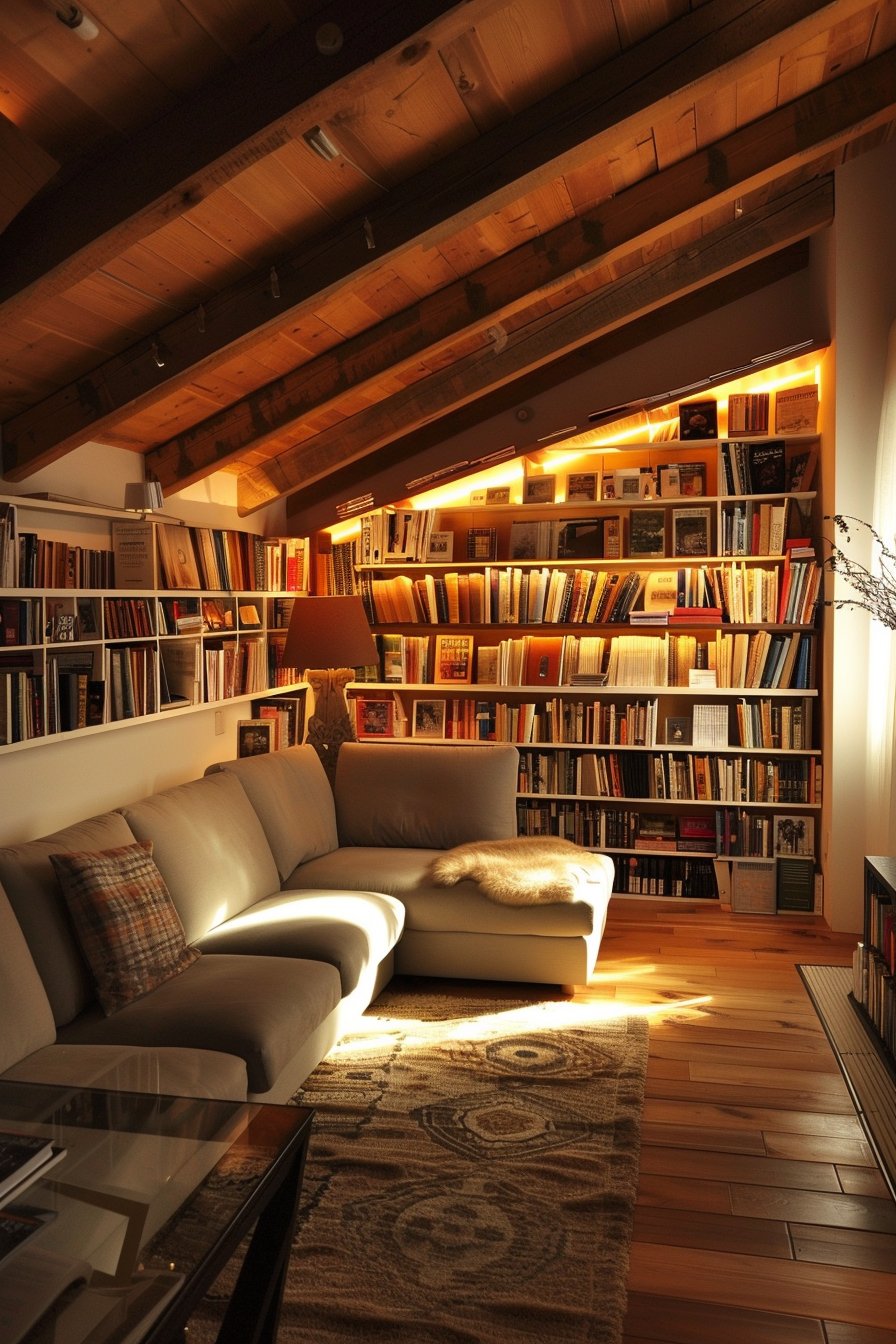
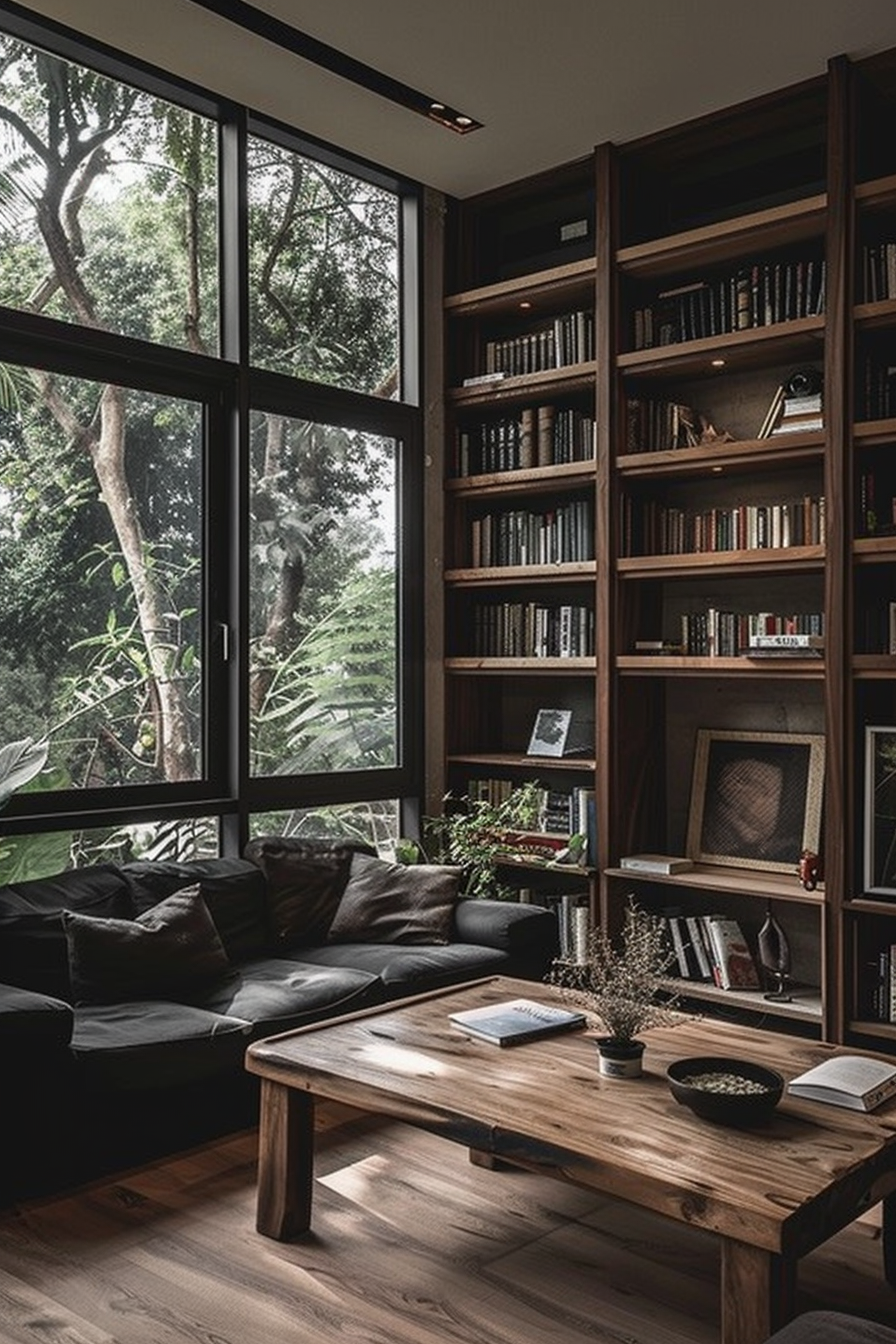
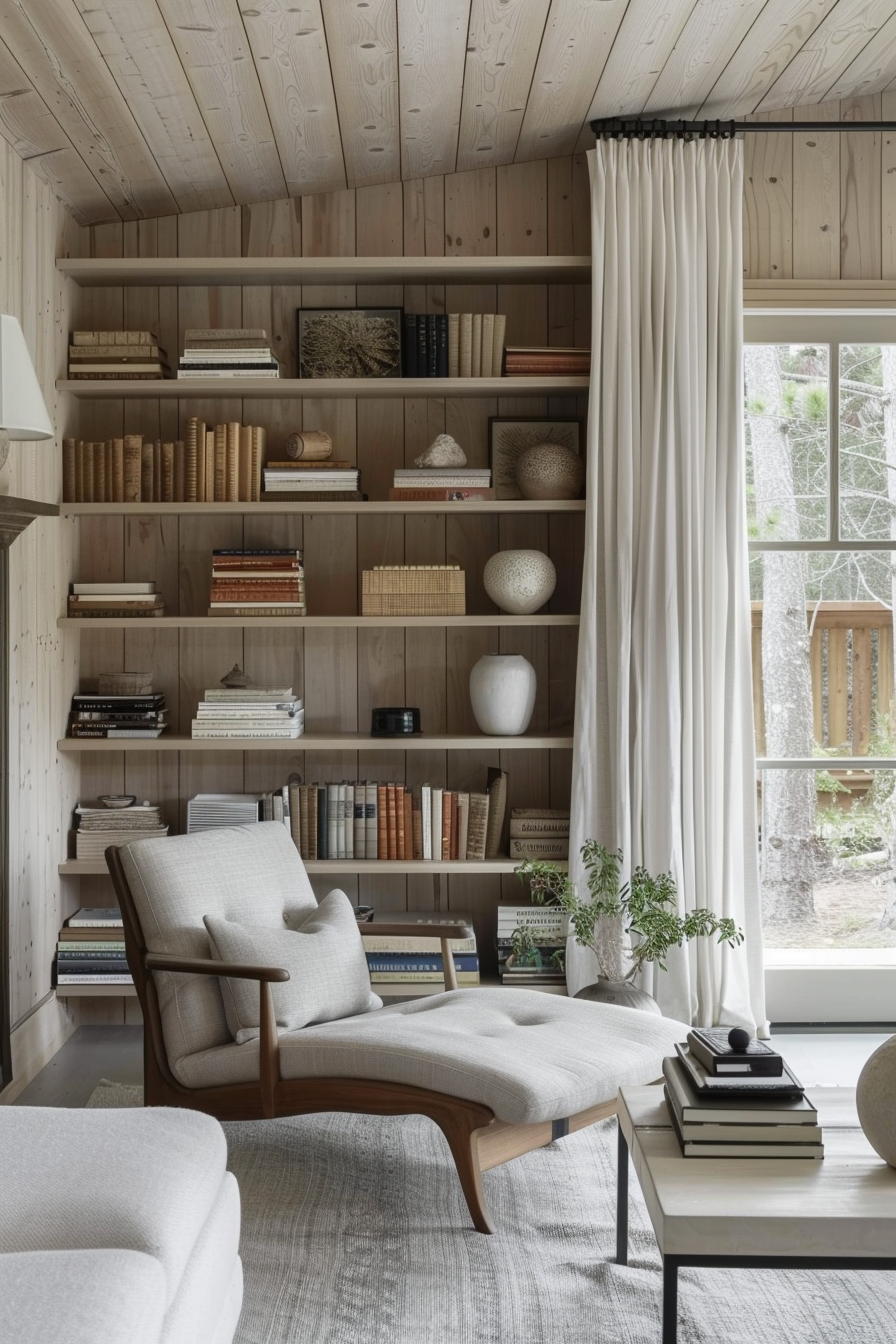
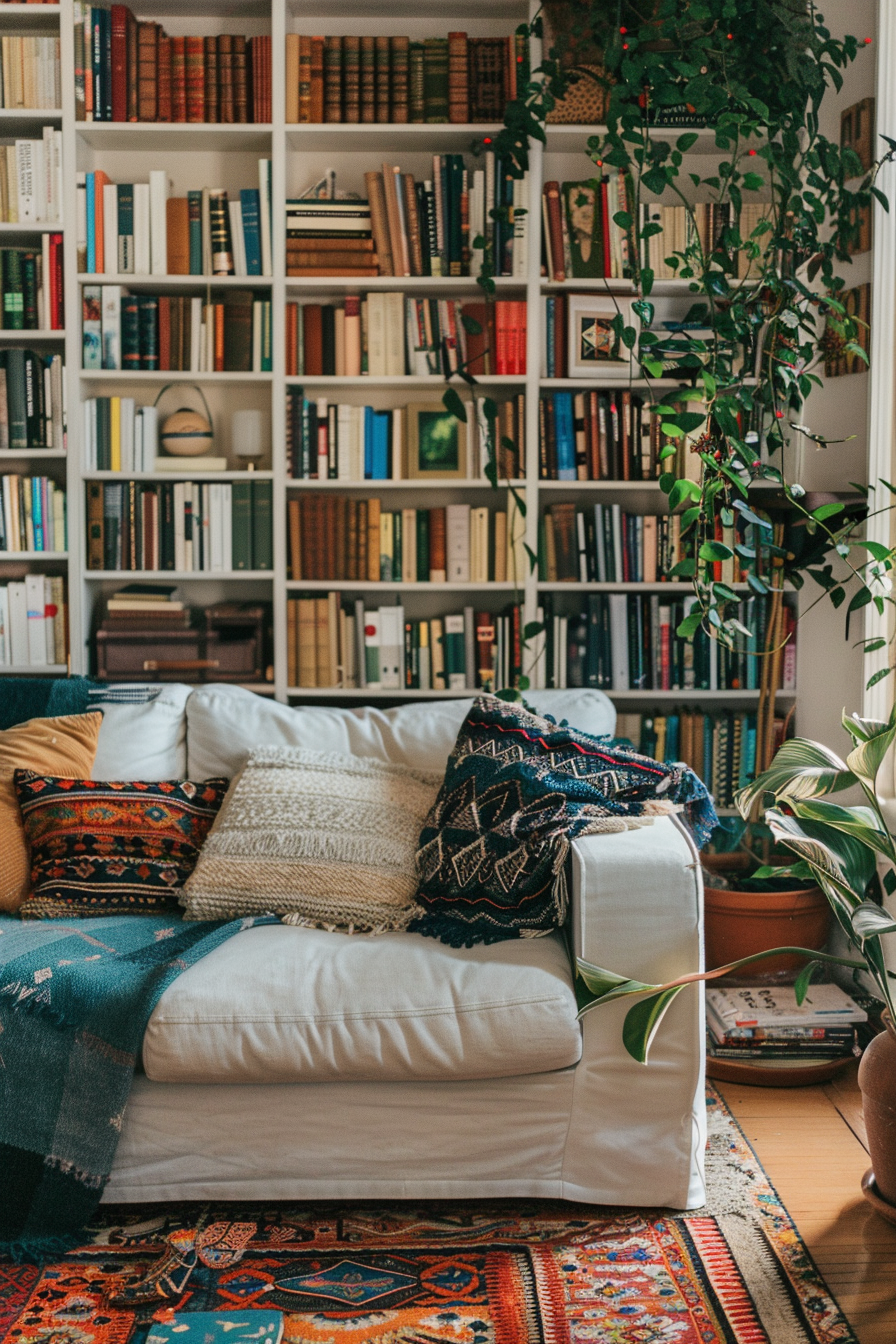
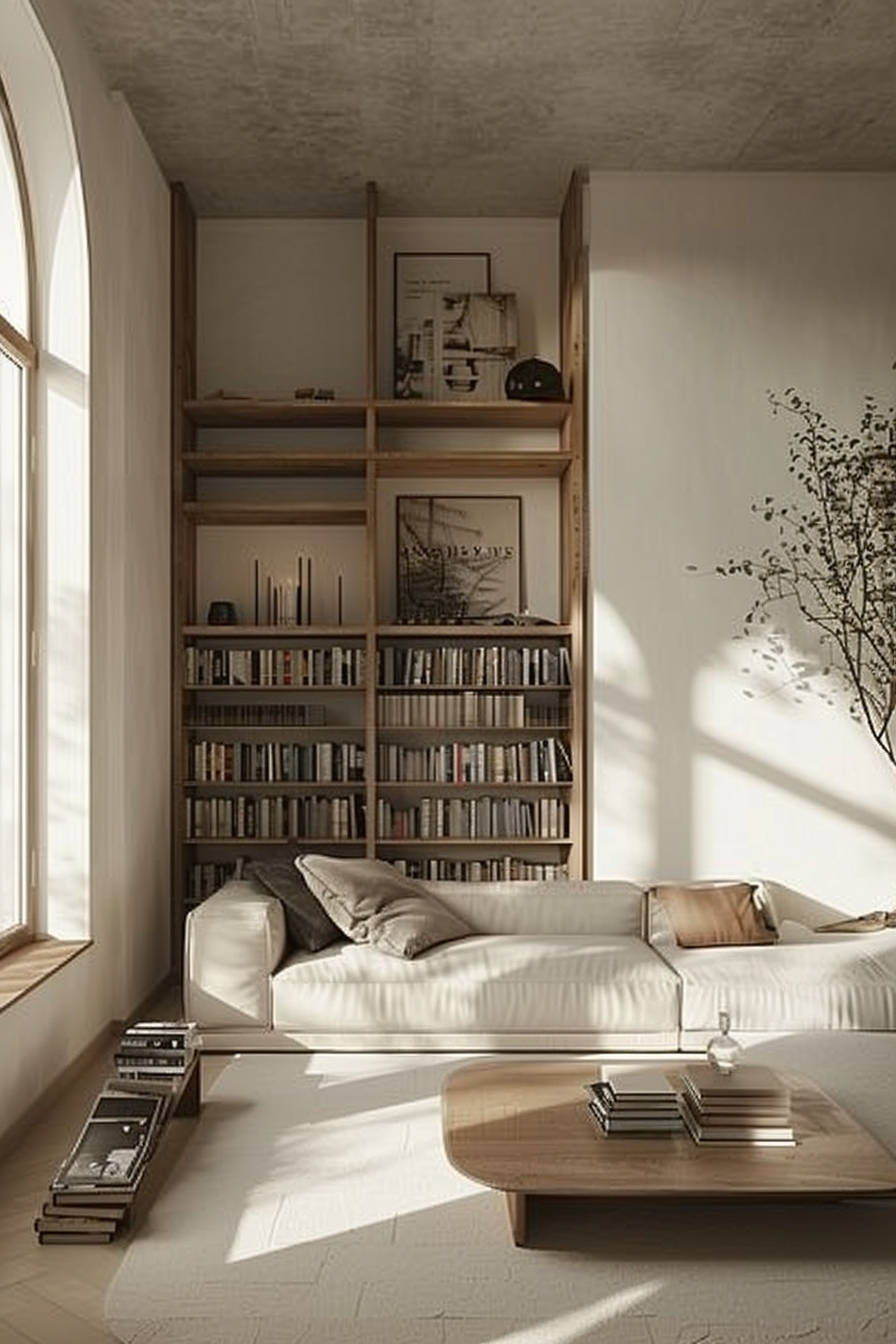
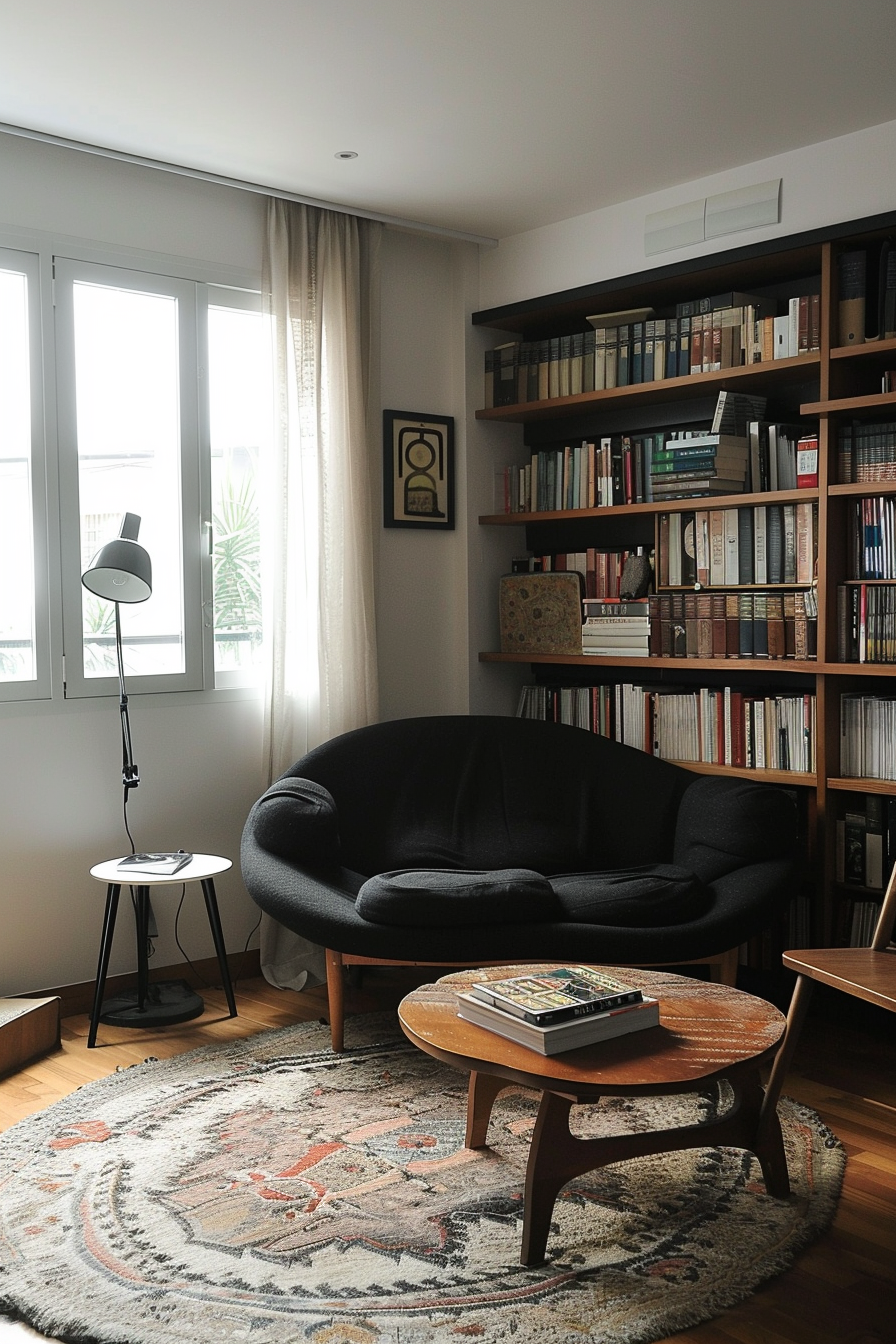
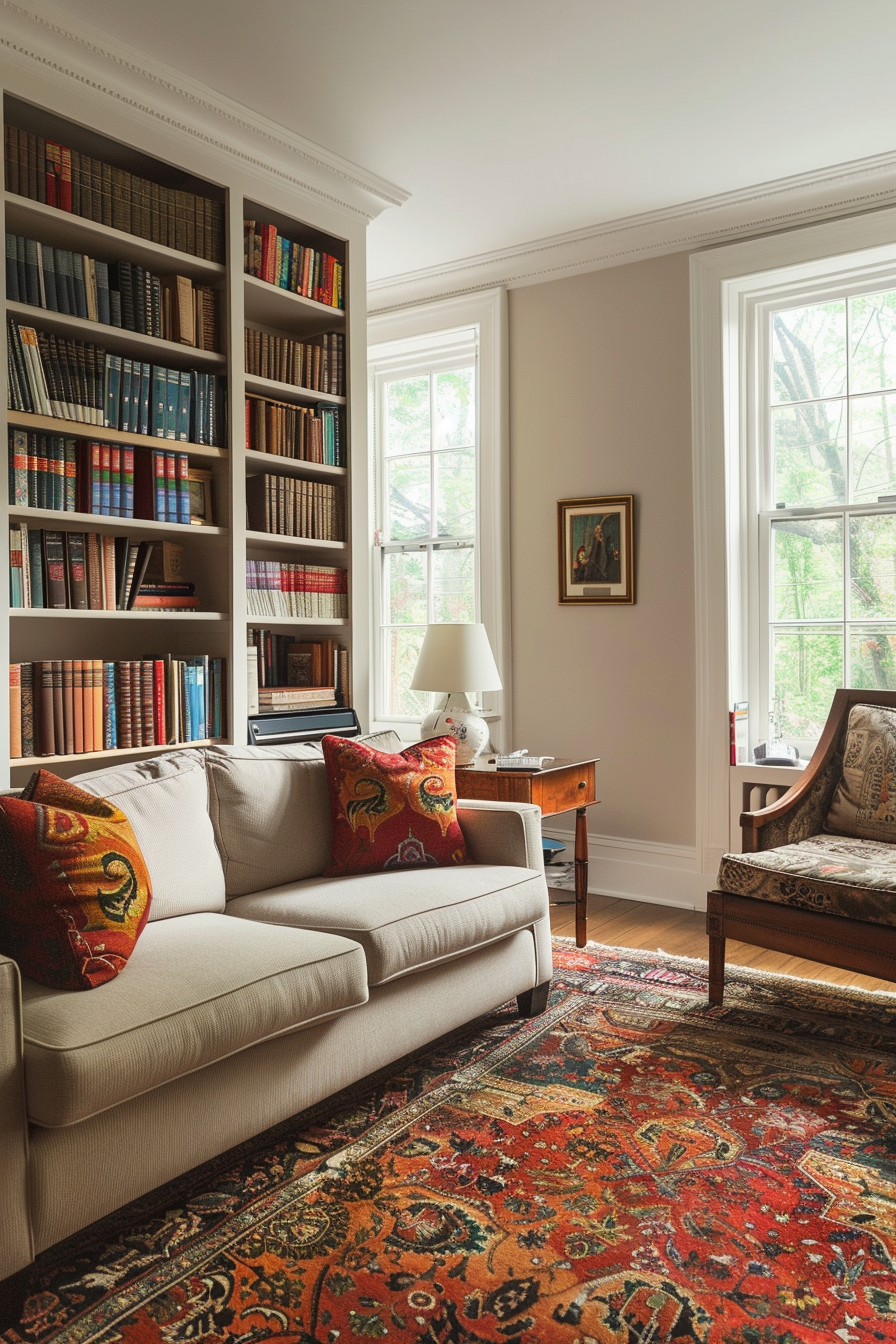
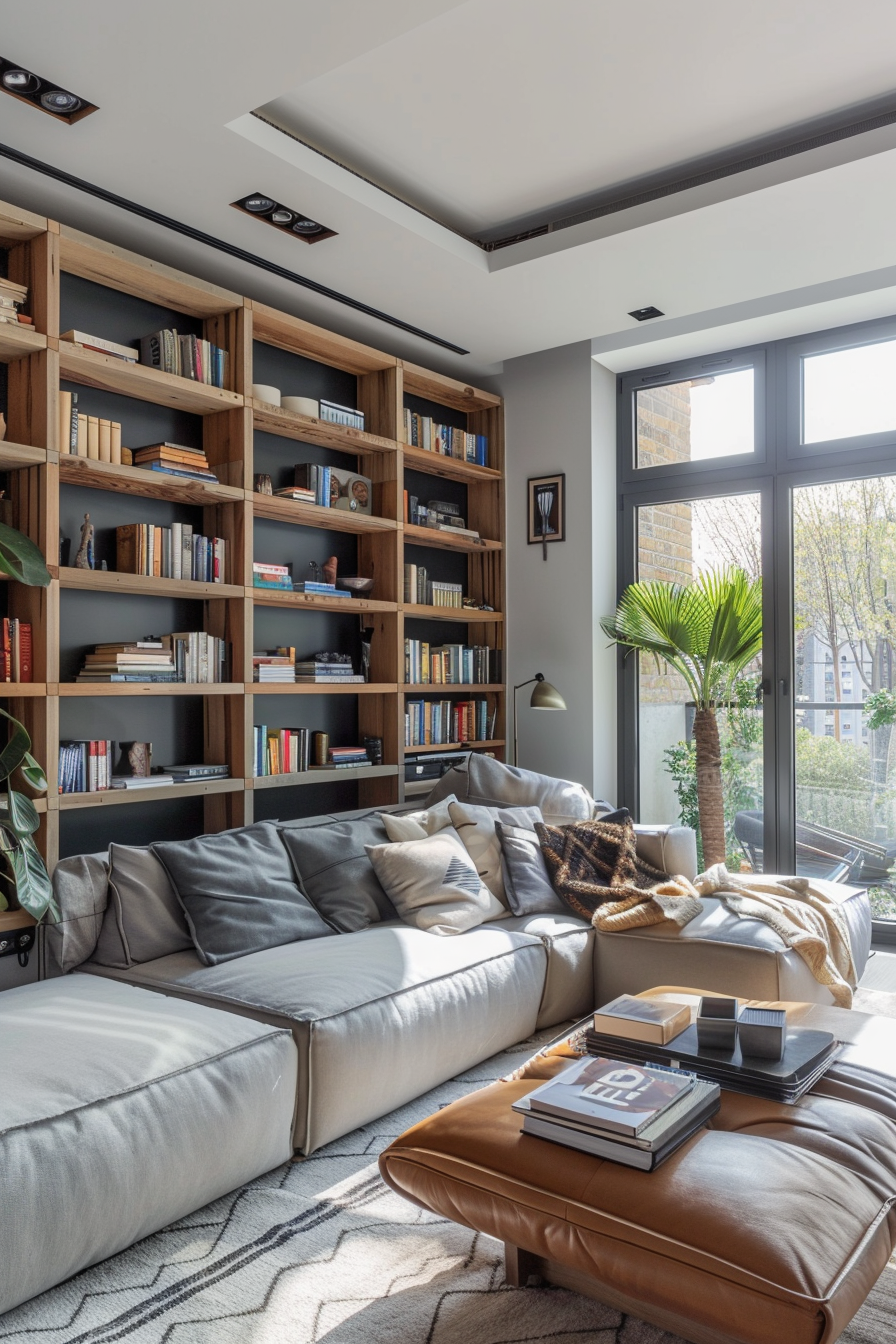
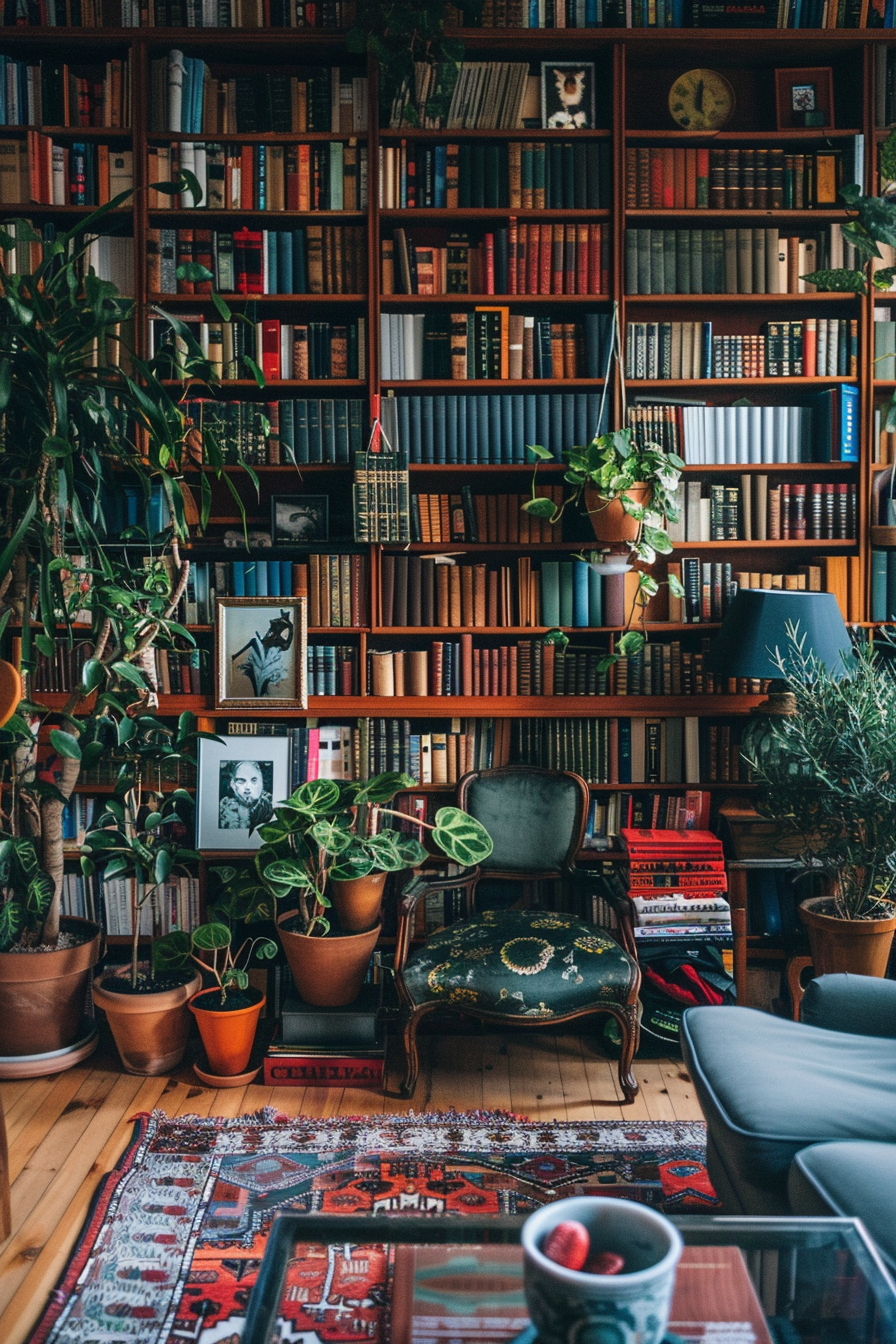
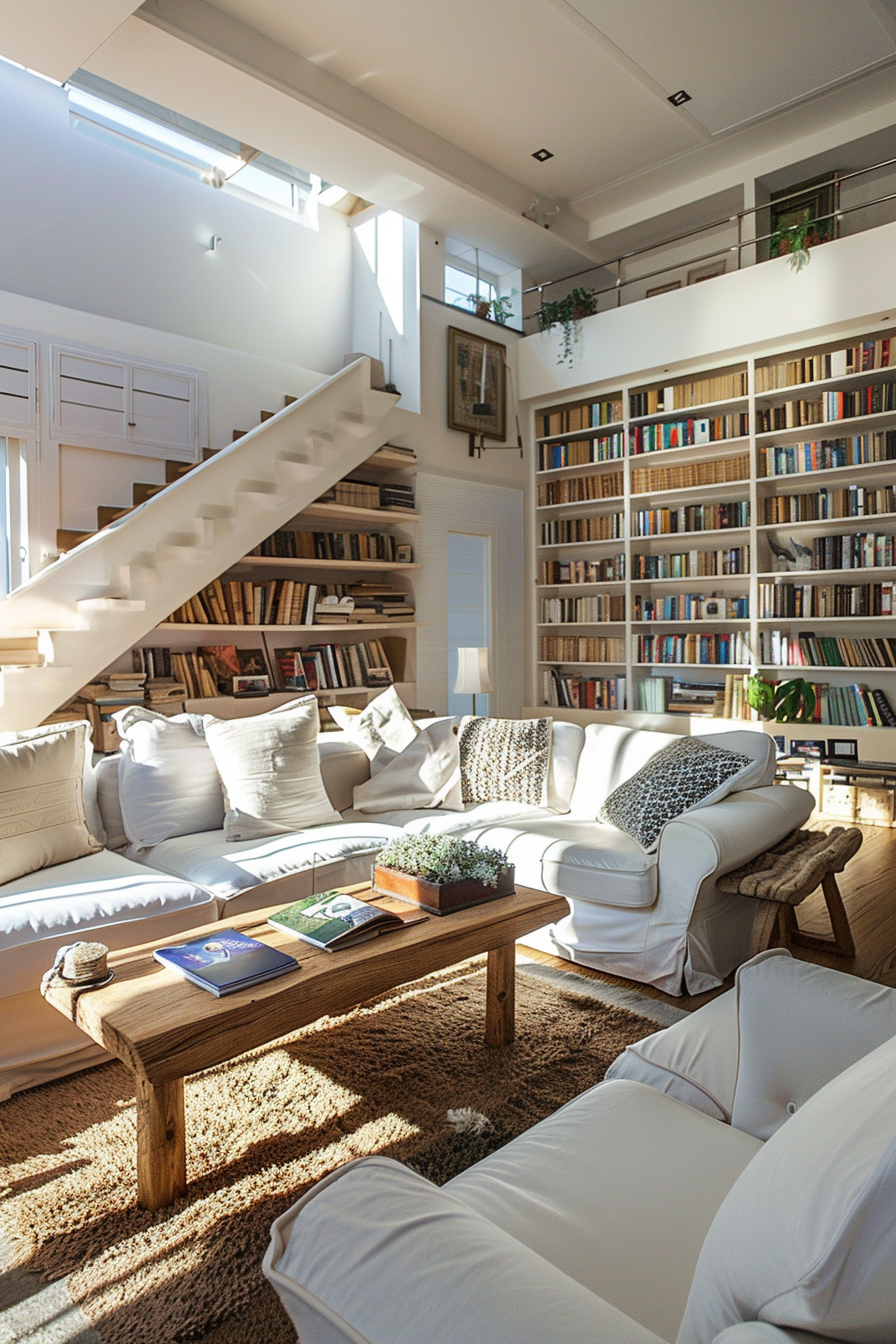
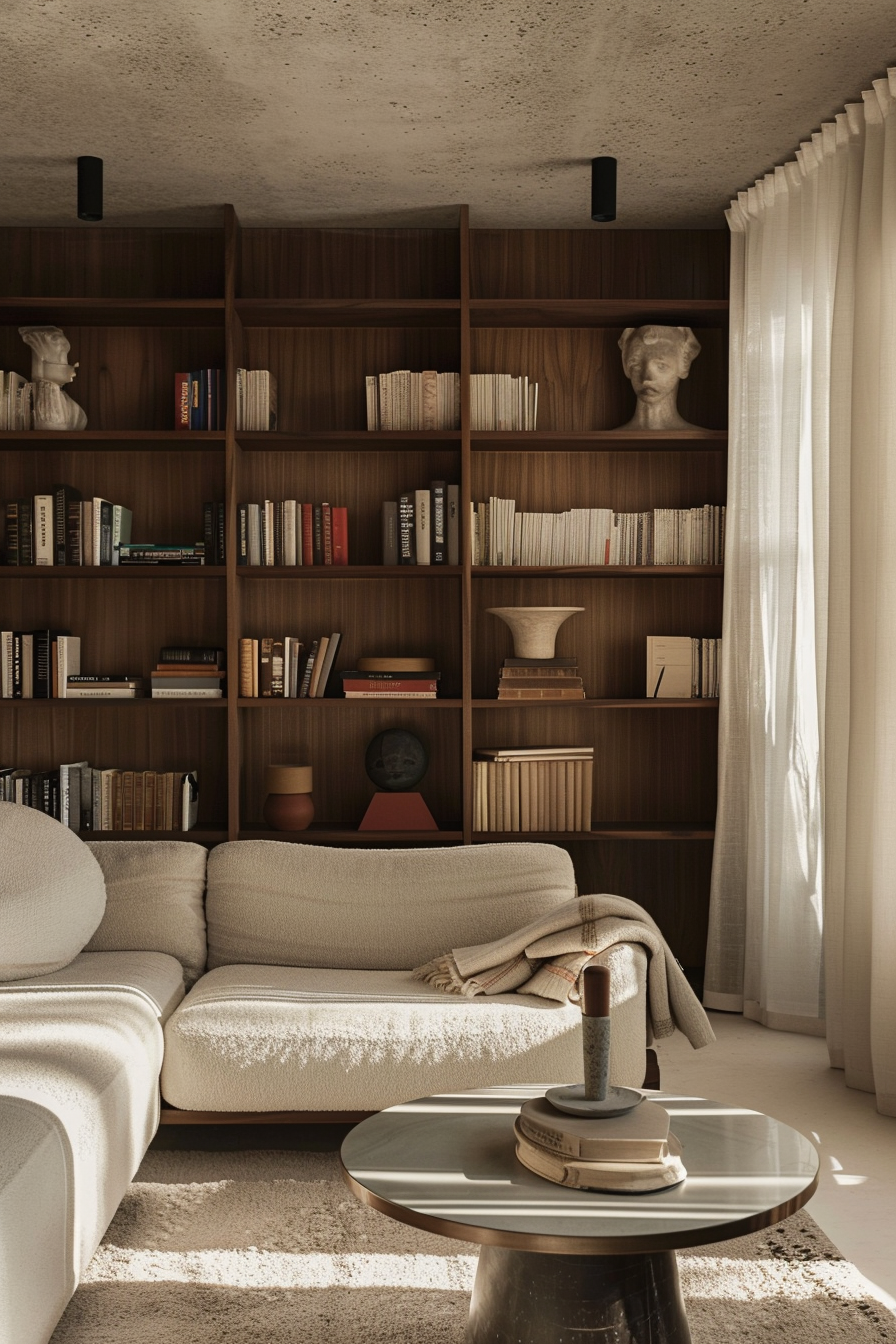
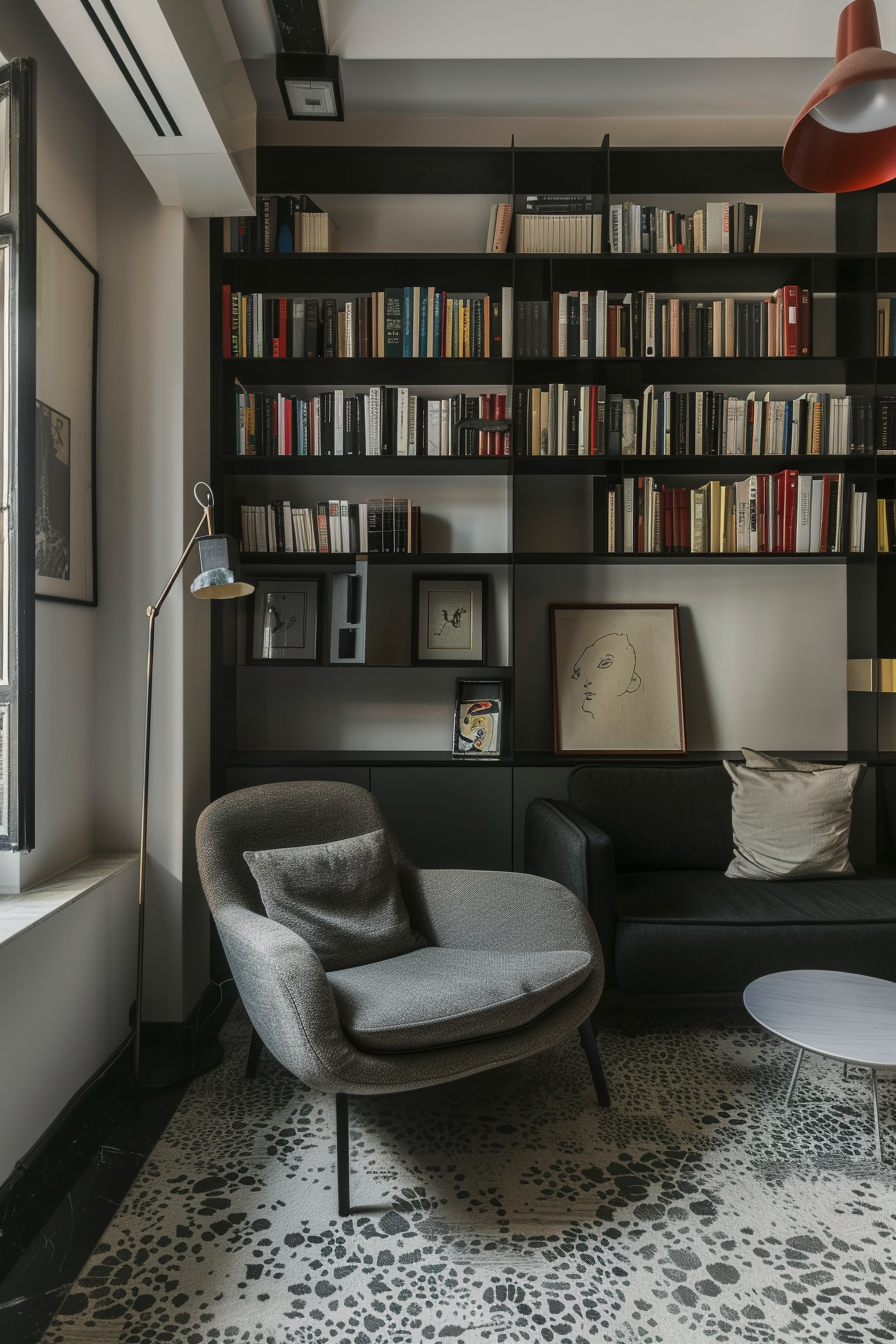
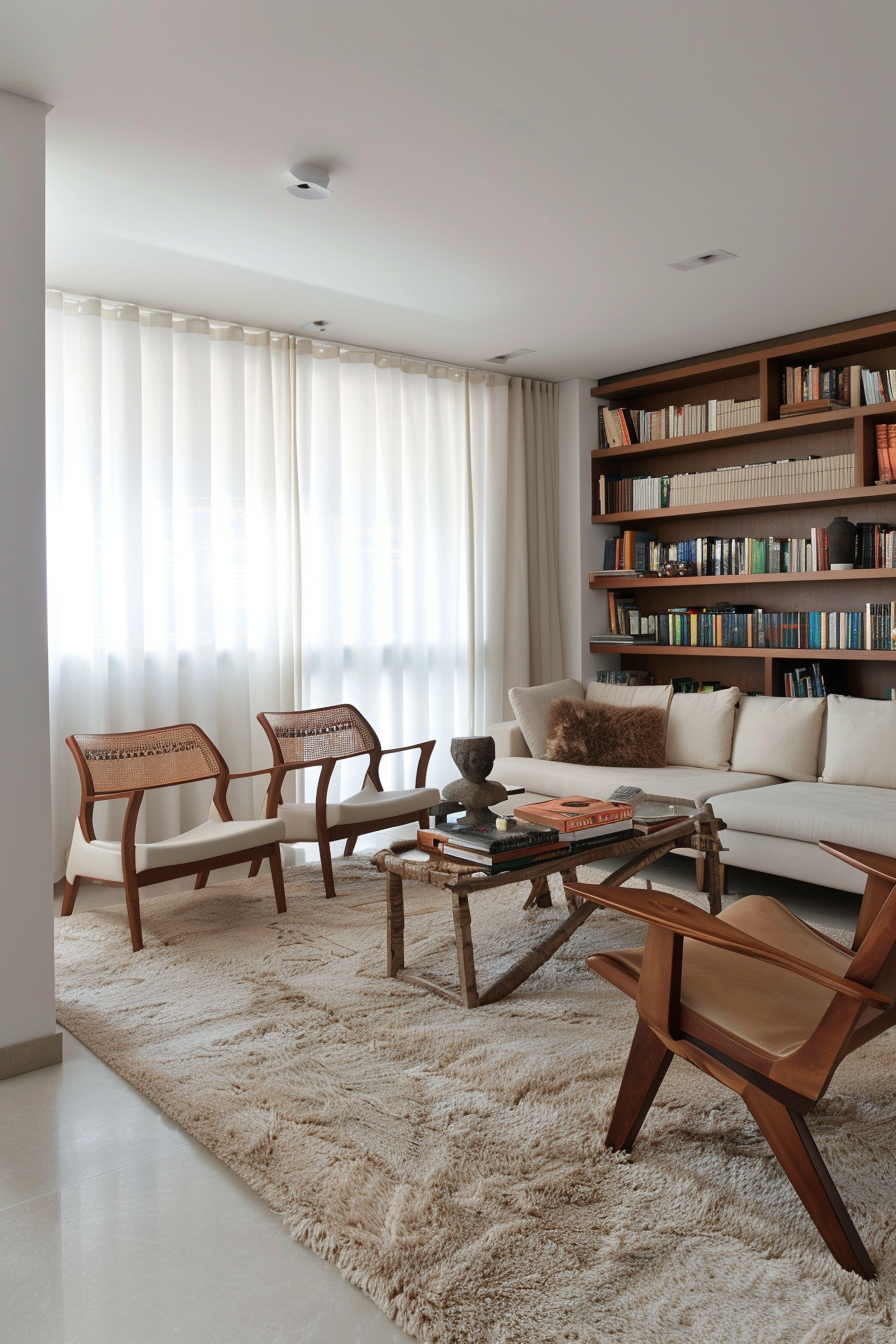
1. The Floor-to-Ceiling Monolith

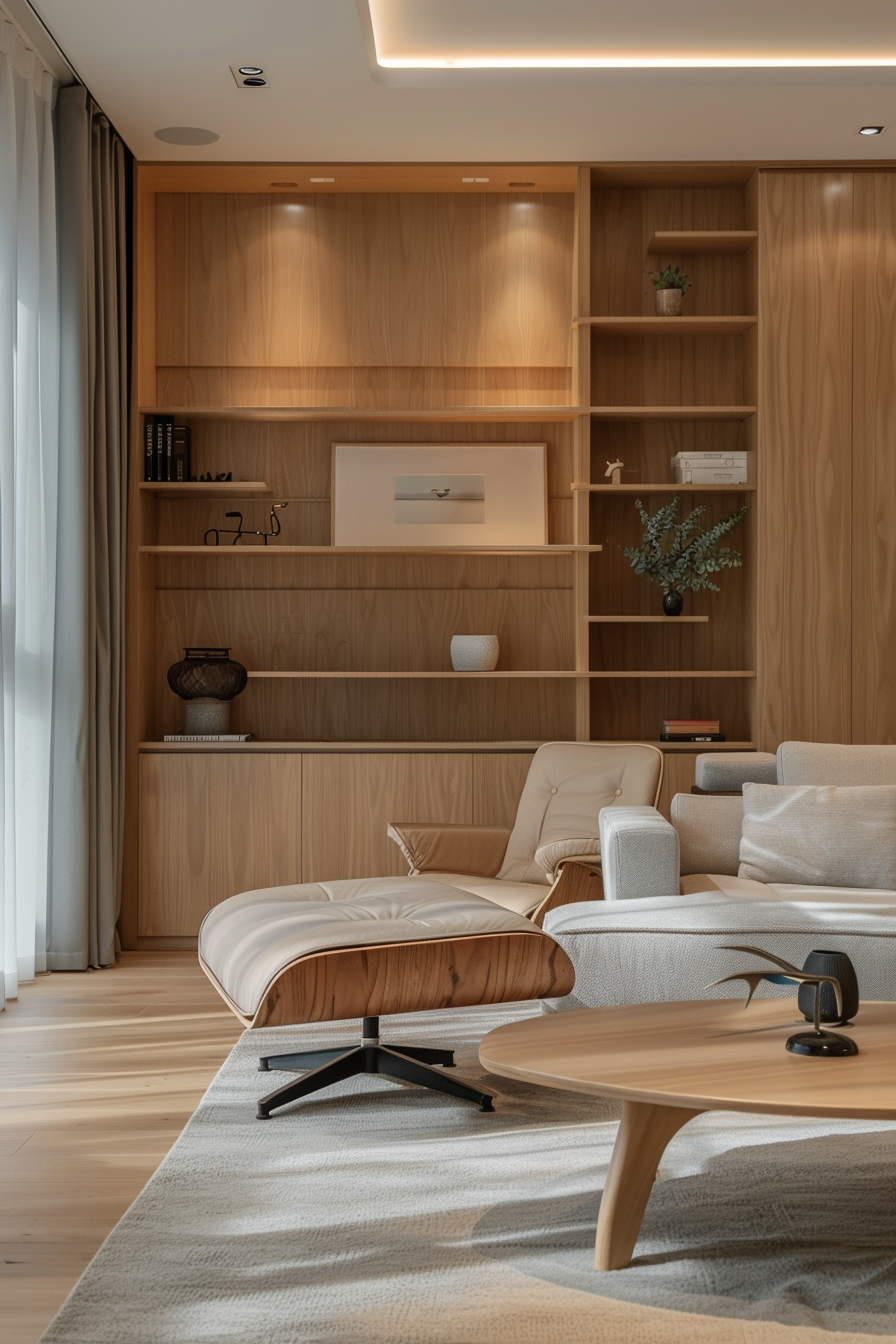
This is the ultimate space maximizer. By extending the shelving from the baseboard to the crown molding, you draw the eye upward, making a small room feel taller while utilizing every inch of vertical real estate.
- The Look: A continuous wall of books.
- Best For: Creating a dedicated library feel in a living room or study without wasting floor space.
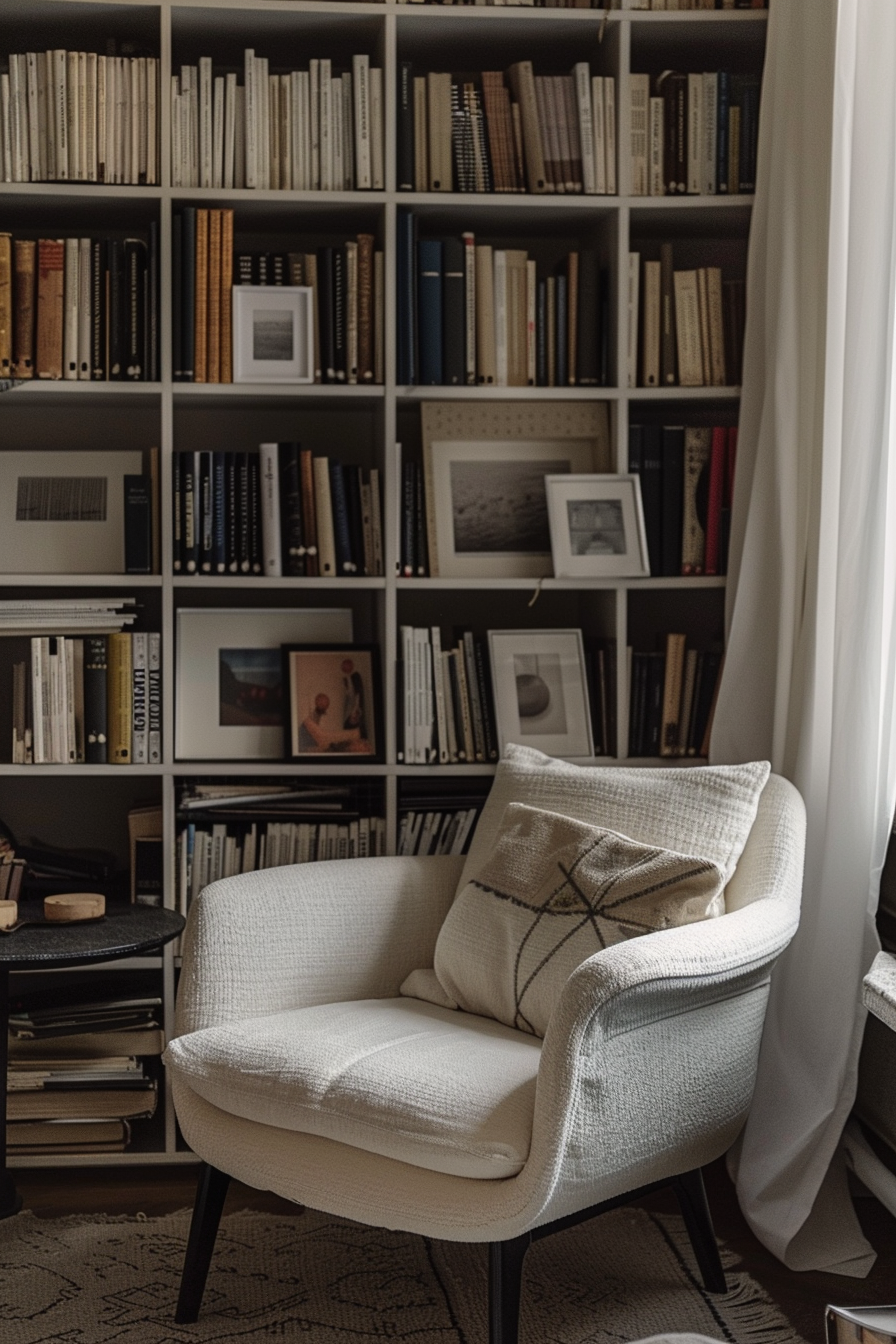
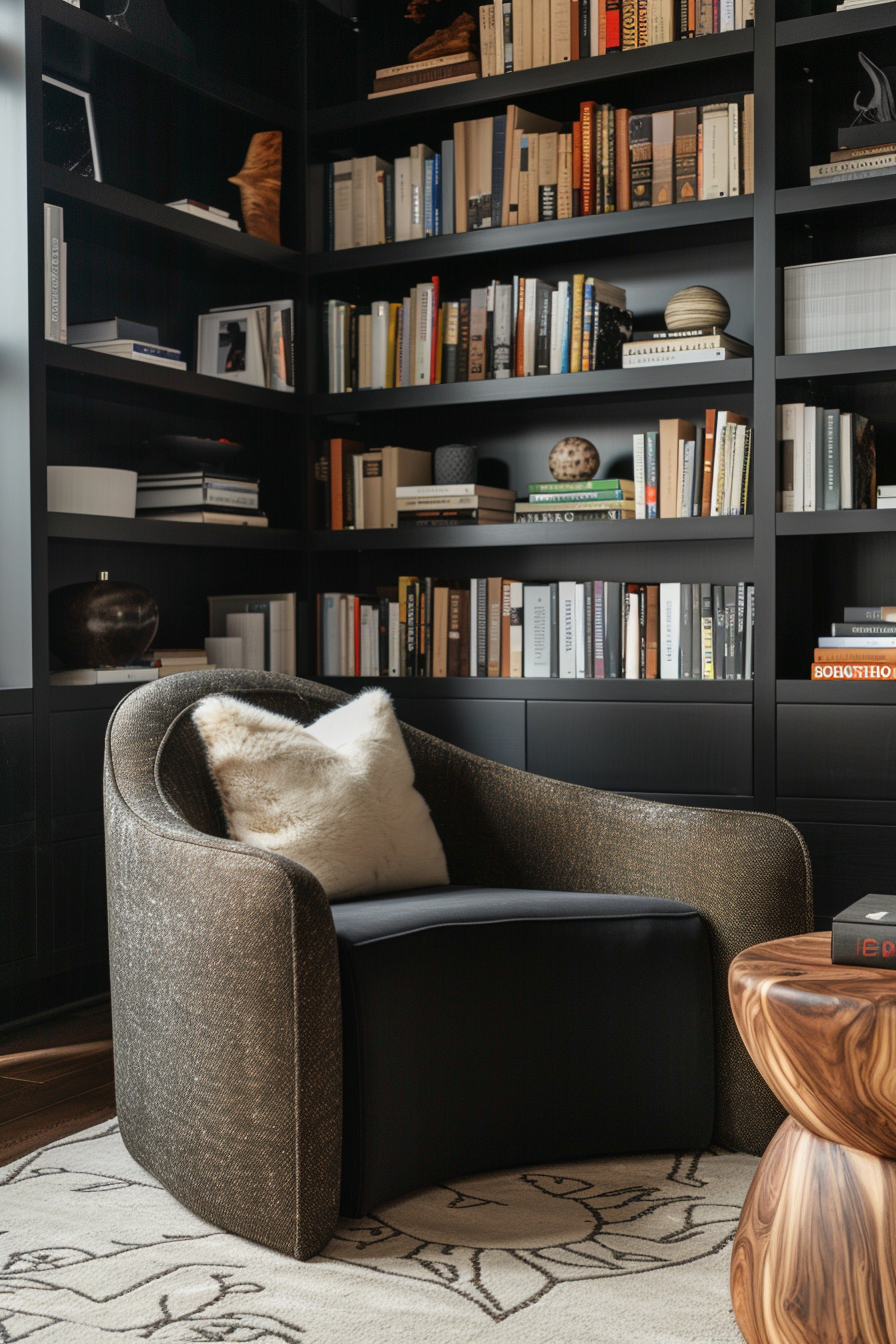
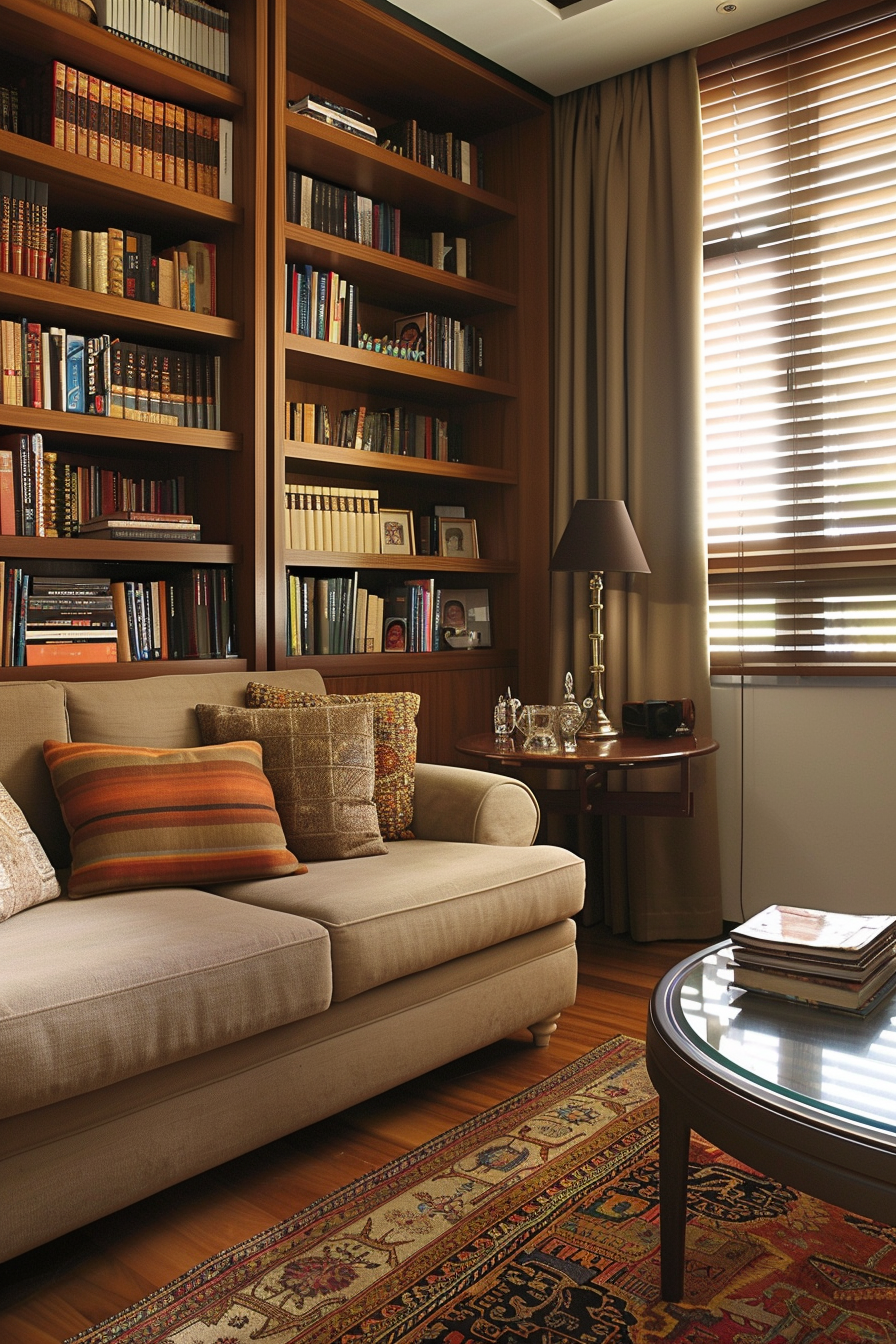
2. The Cozy Corner Wrap

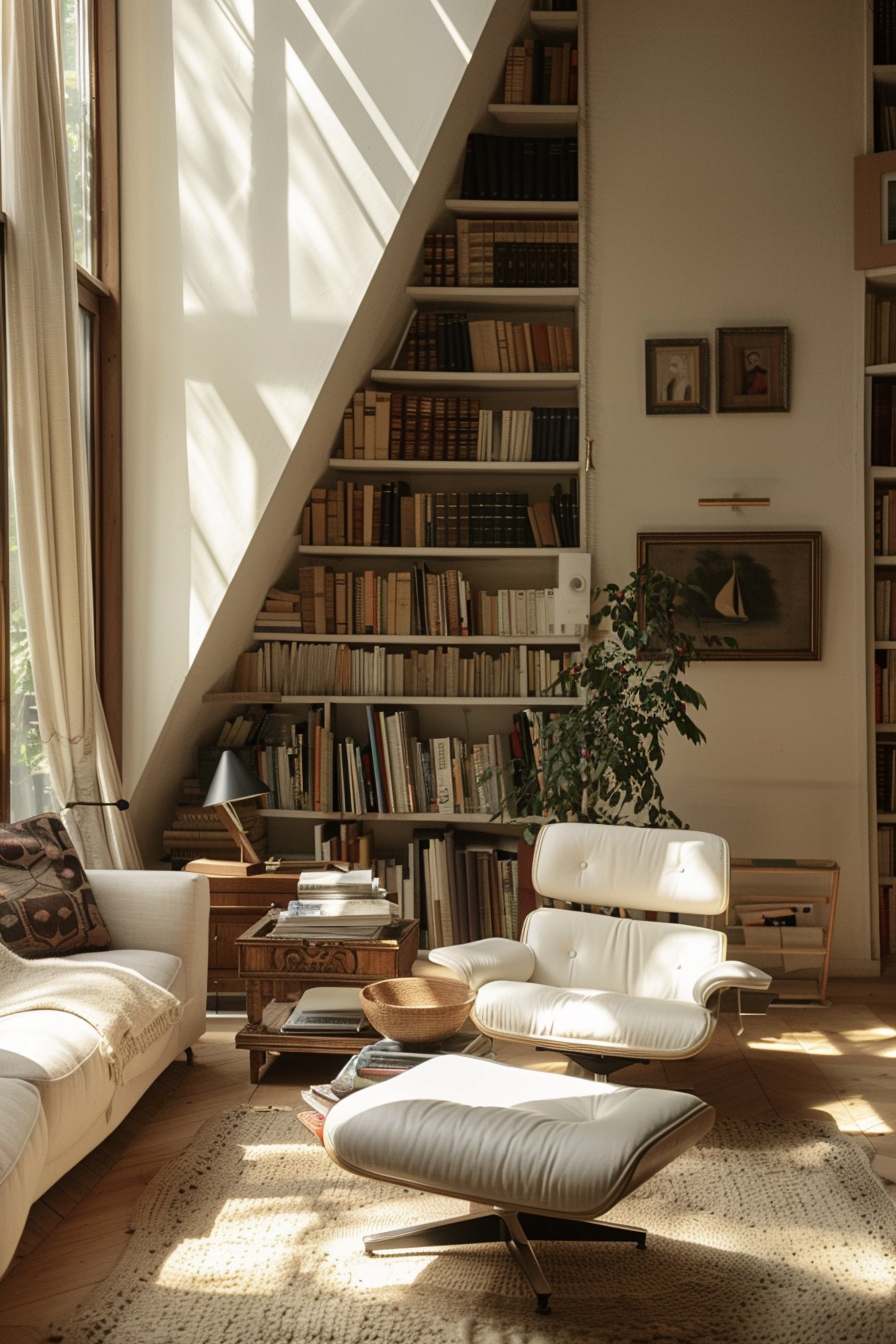
Standard bookcases ignore corners; the Corner Wrap embraces them. This L-shaped configuration turns a “dead zone” into a functional reading nook.
- The Look: Shelves that meet at a 90-degree angle, often framing a comfortable armchair or a small side table.
- Best For: Creating an intimate reading vignette in a larger open-plan room.
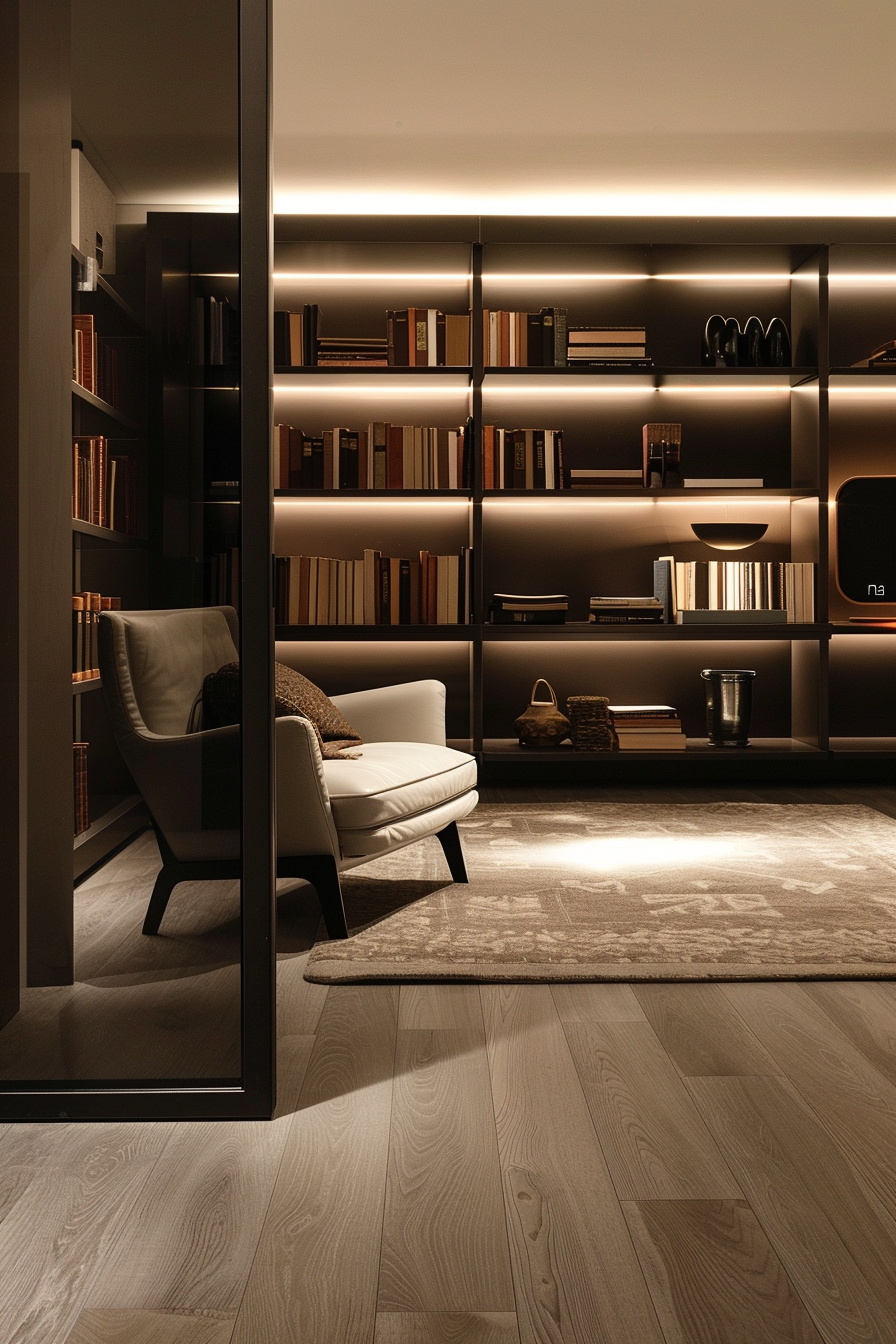
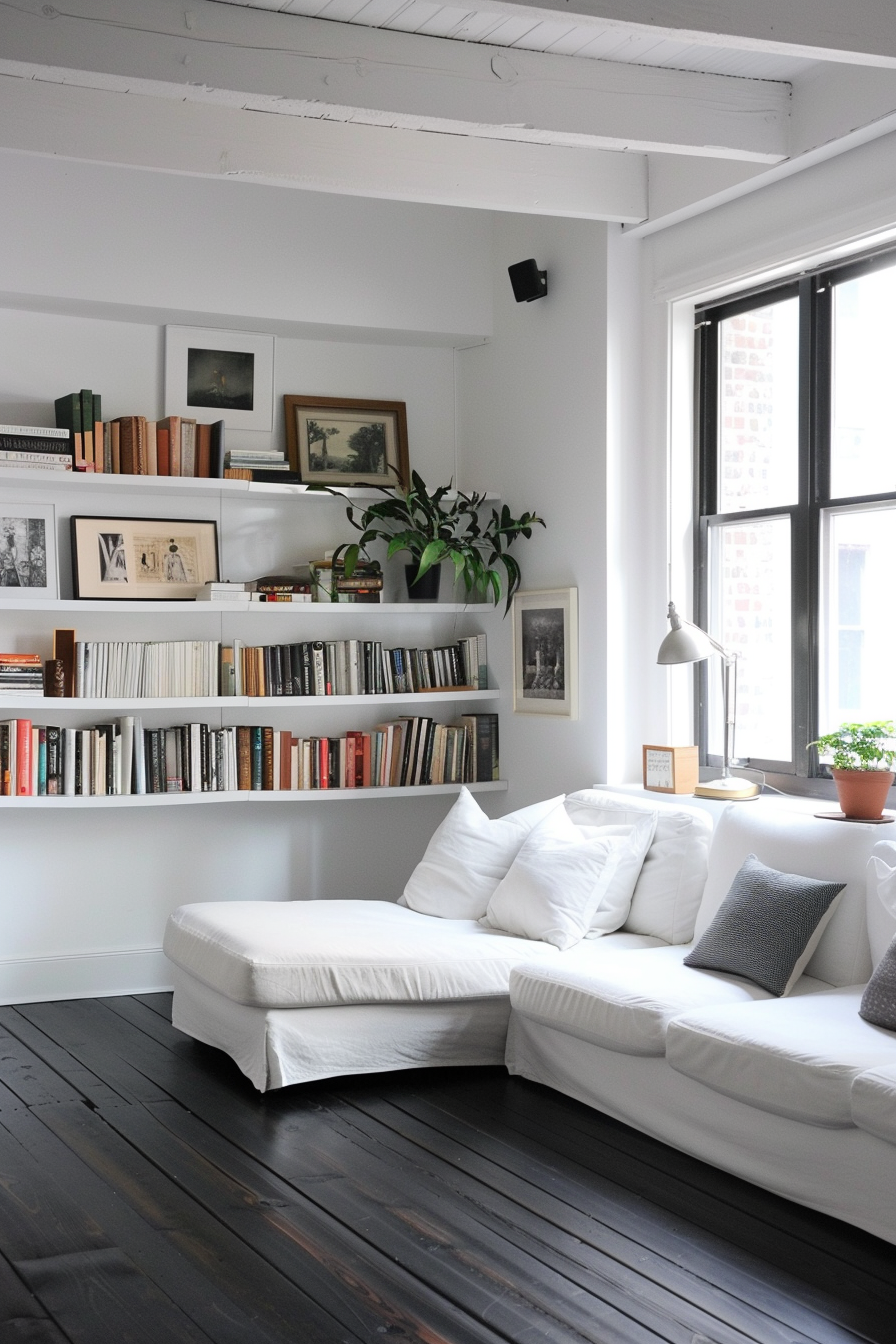
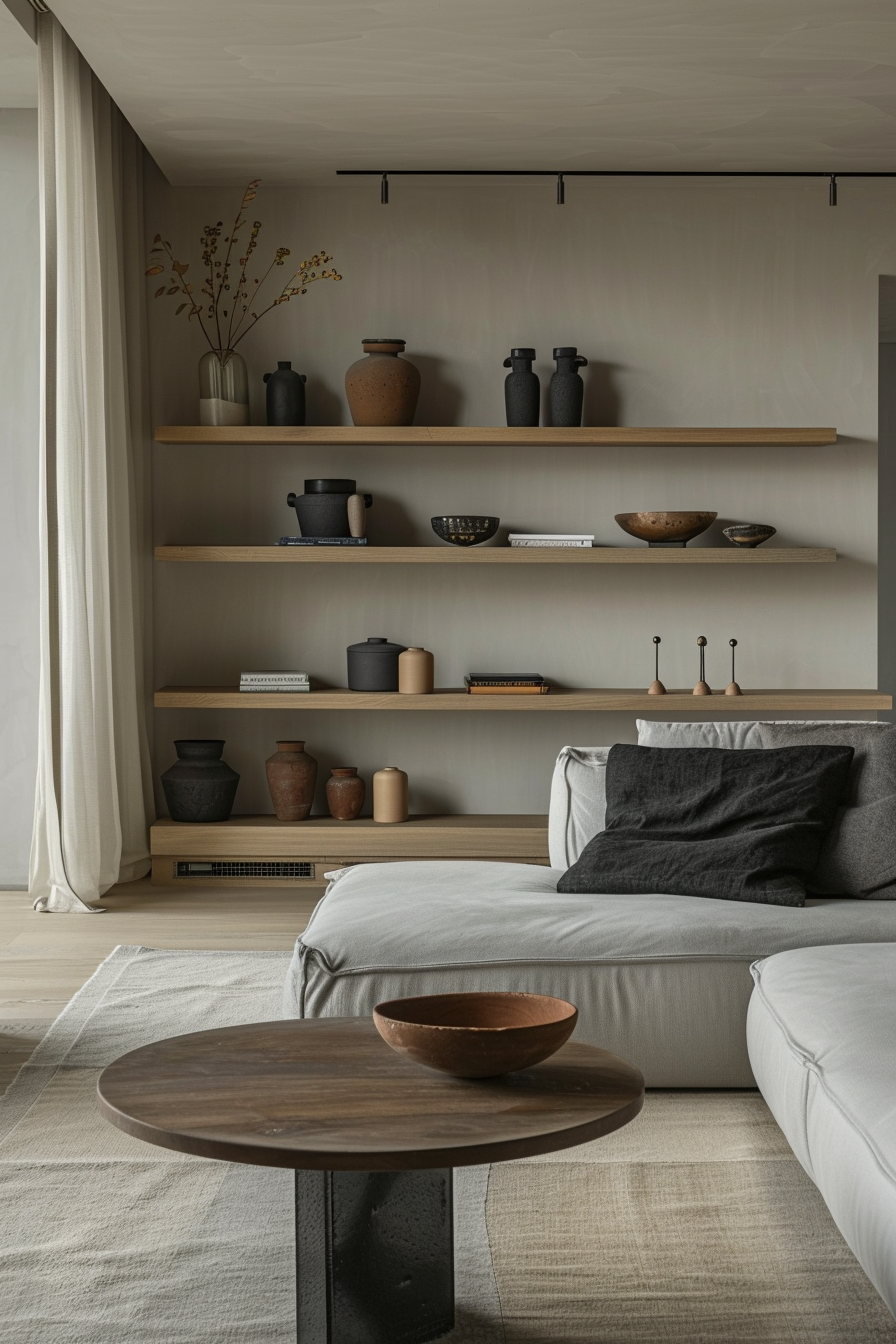
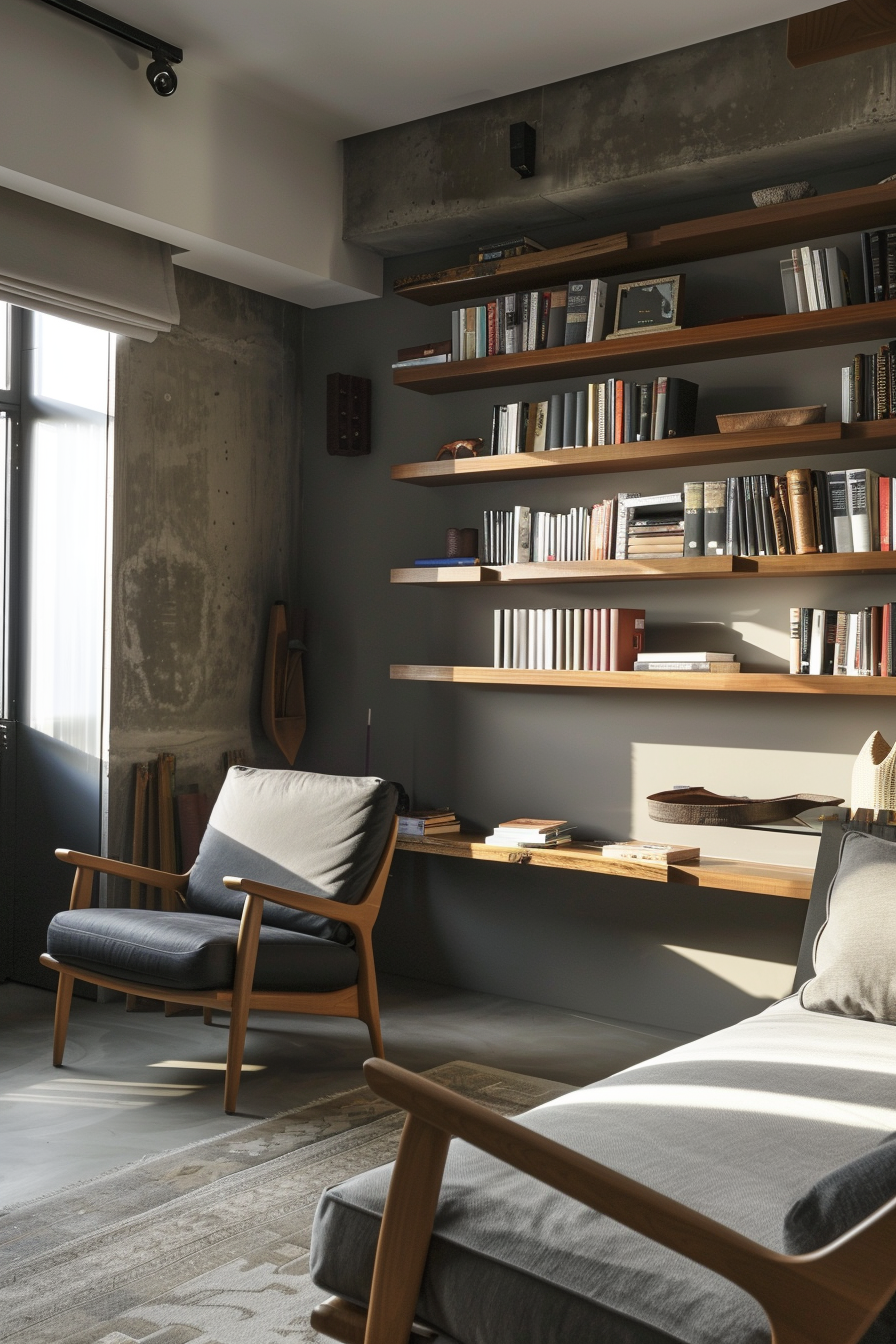
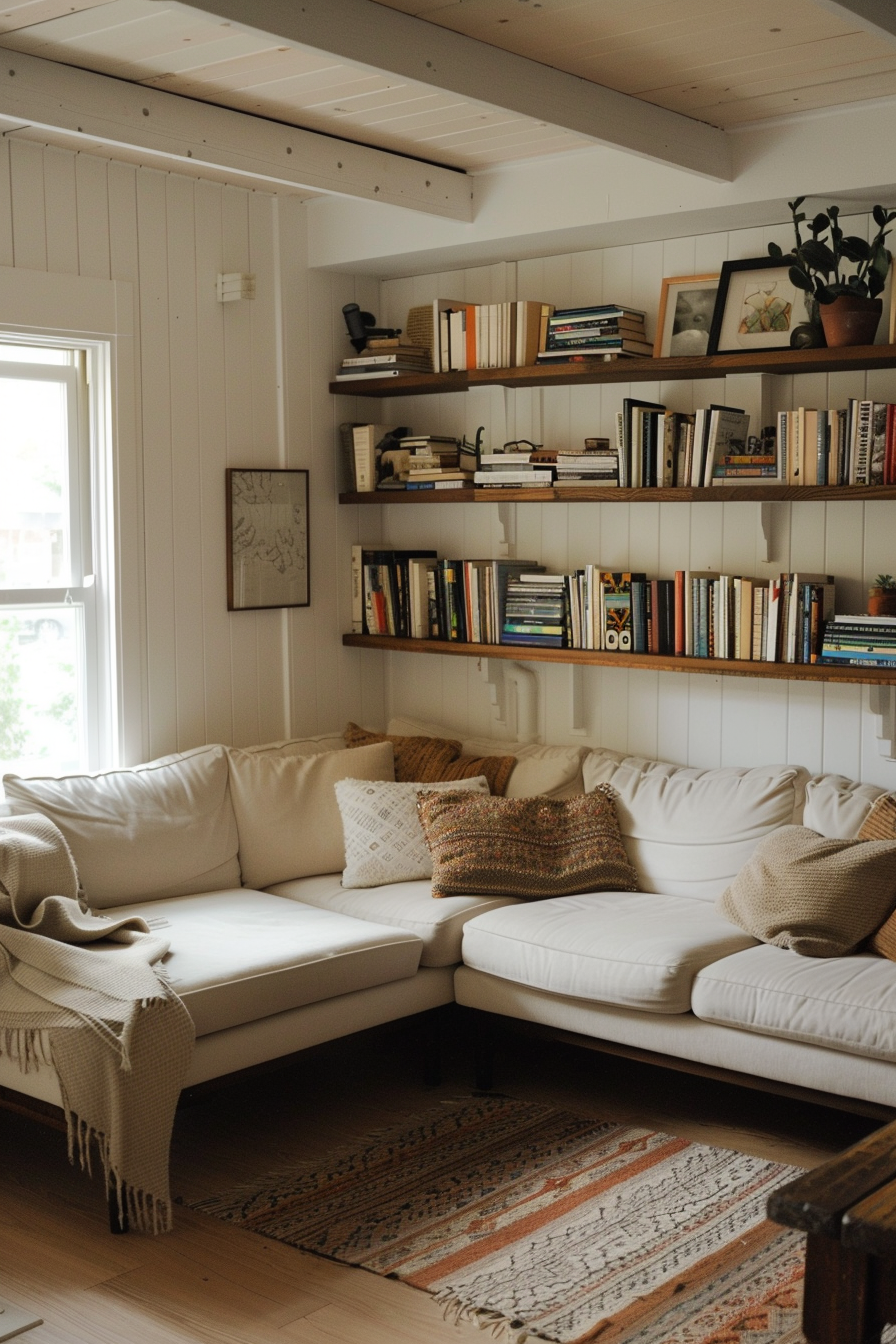
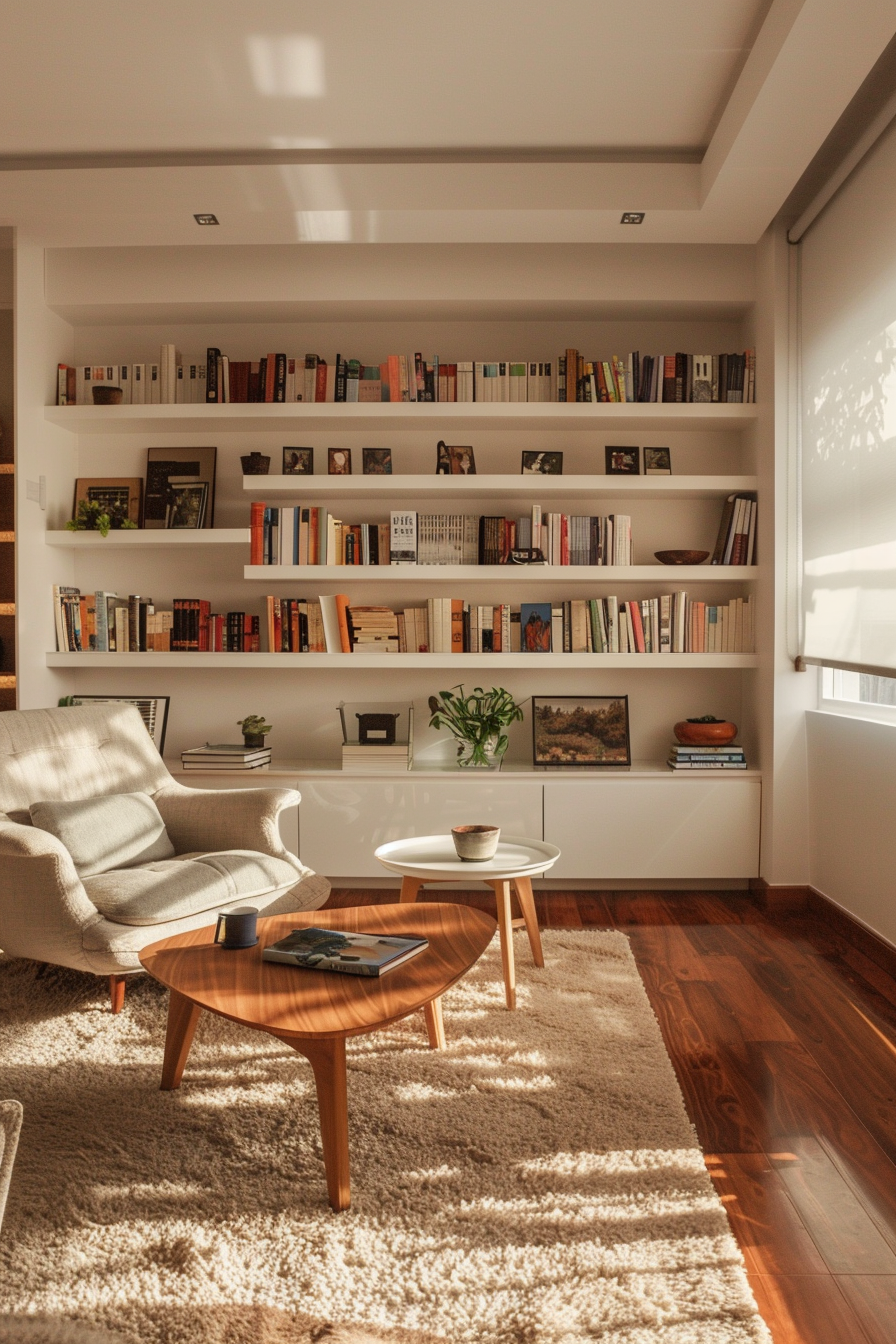
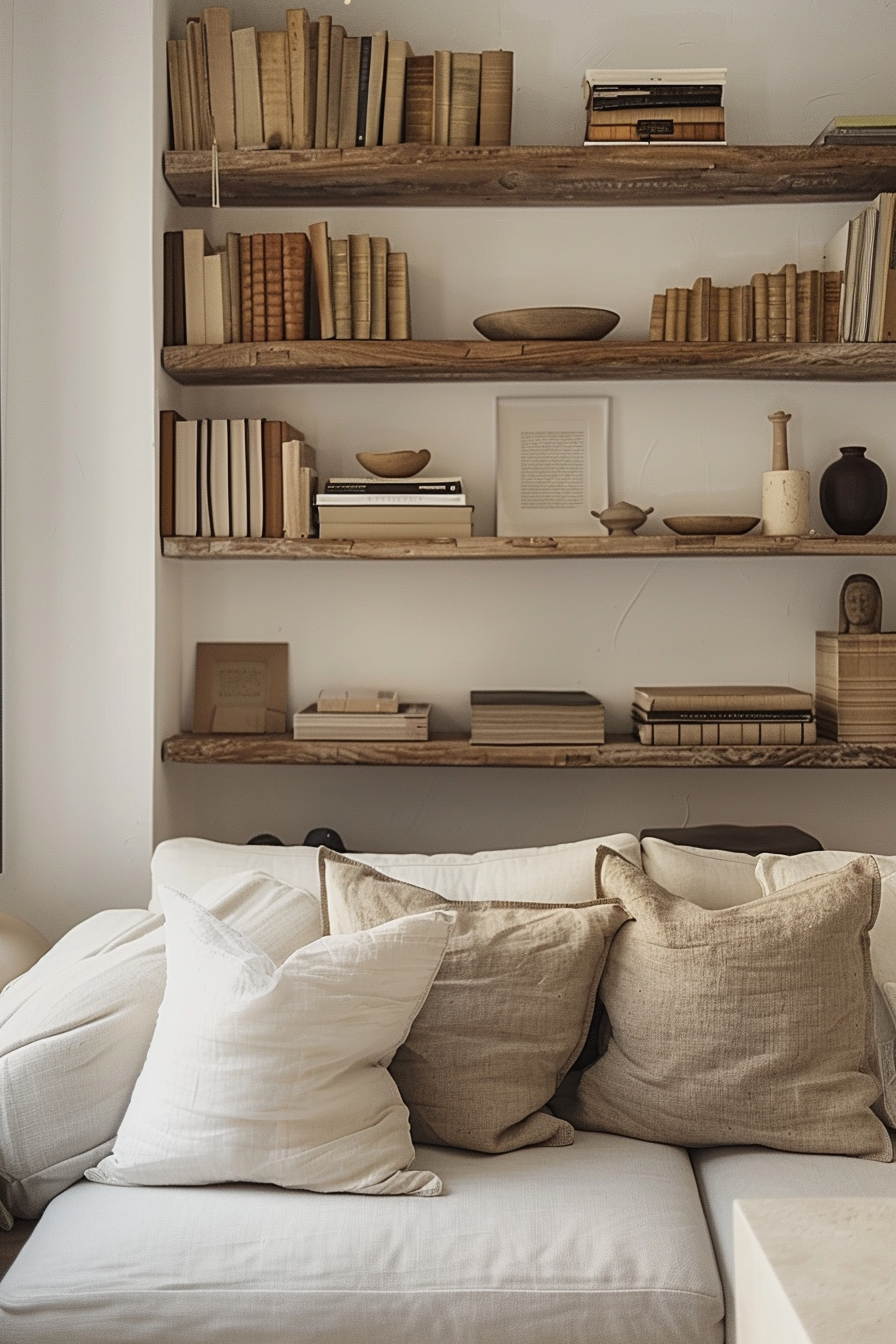
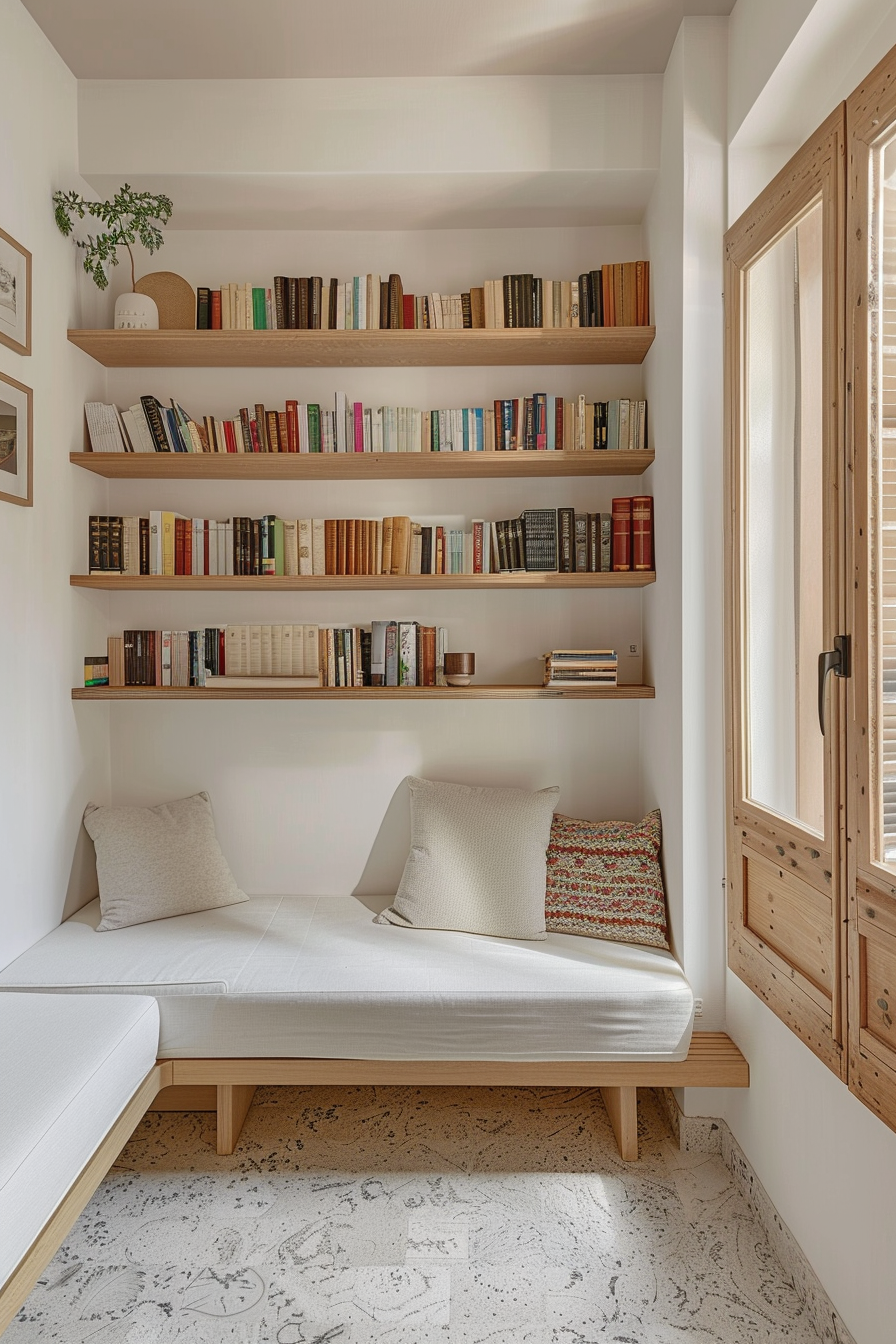
3. The Floating Linear Gallery

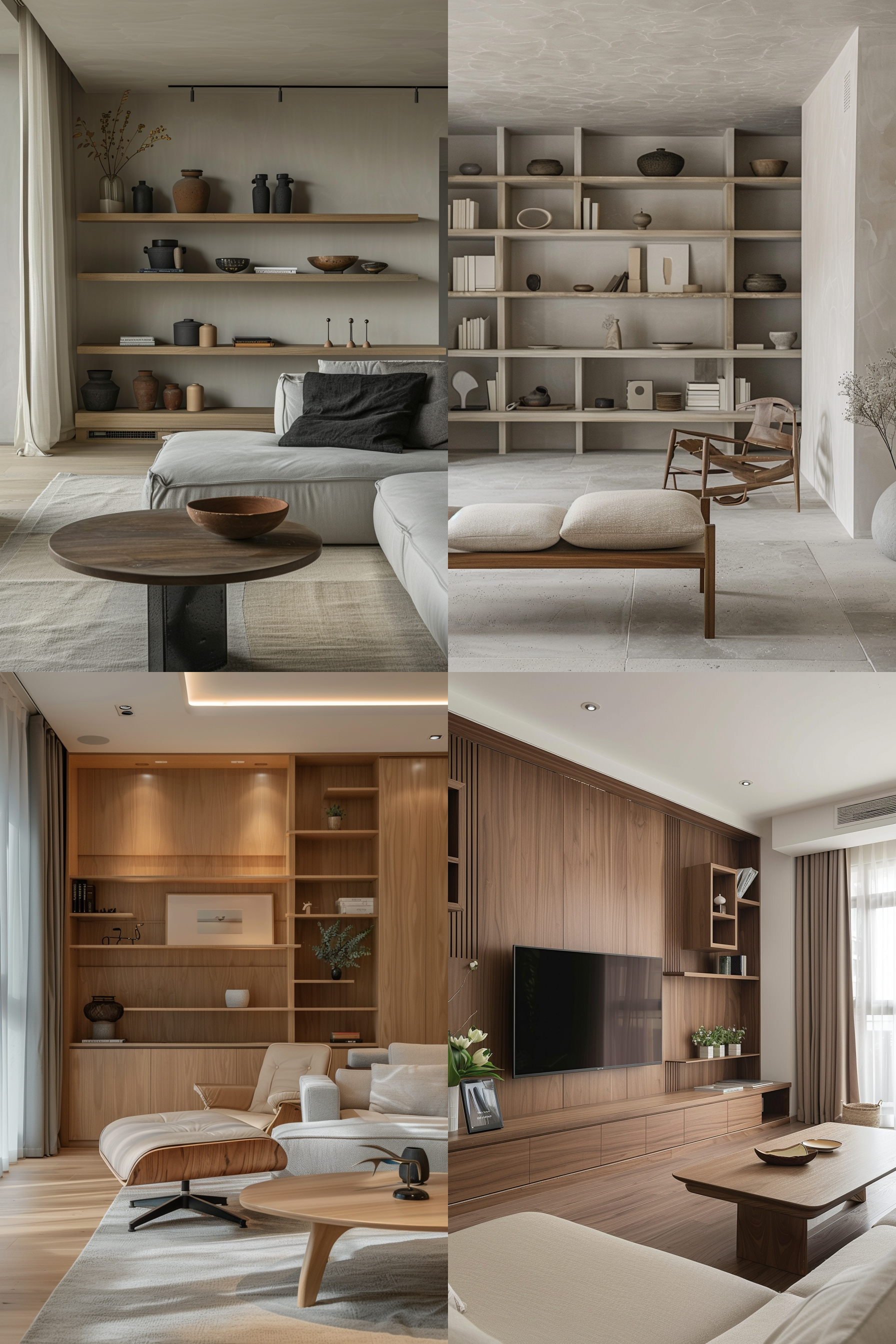
This style rejects visible hardware. It relies on horizontal lines mounted directly to the wall studs, creating a sense of airiness and negative space.
- The Look: Sleek, bracket-less shelves that appear to hover.
- Best For: Modern, minimalist spaces where you want to display a curated selection of books and pottery without visual clutter.
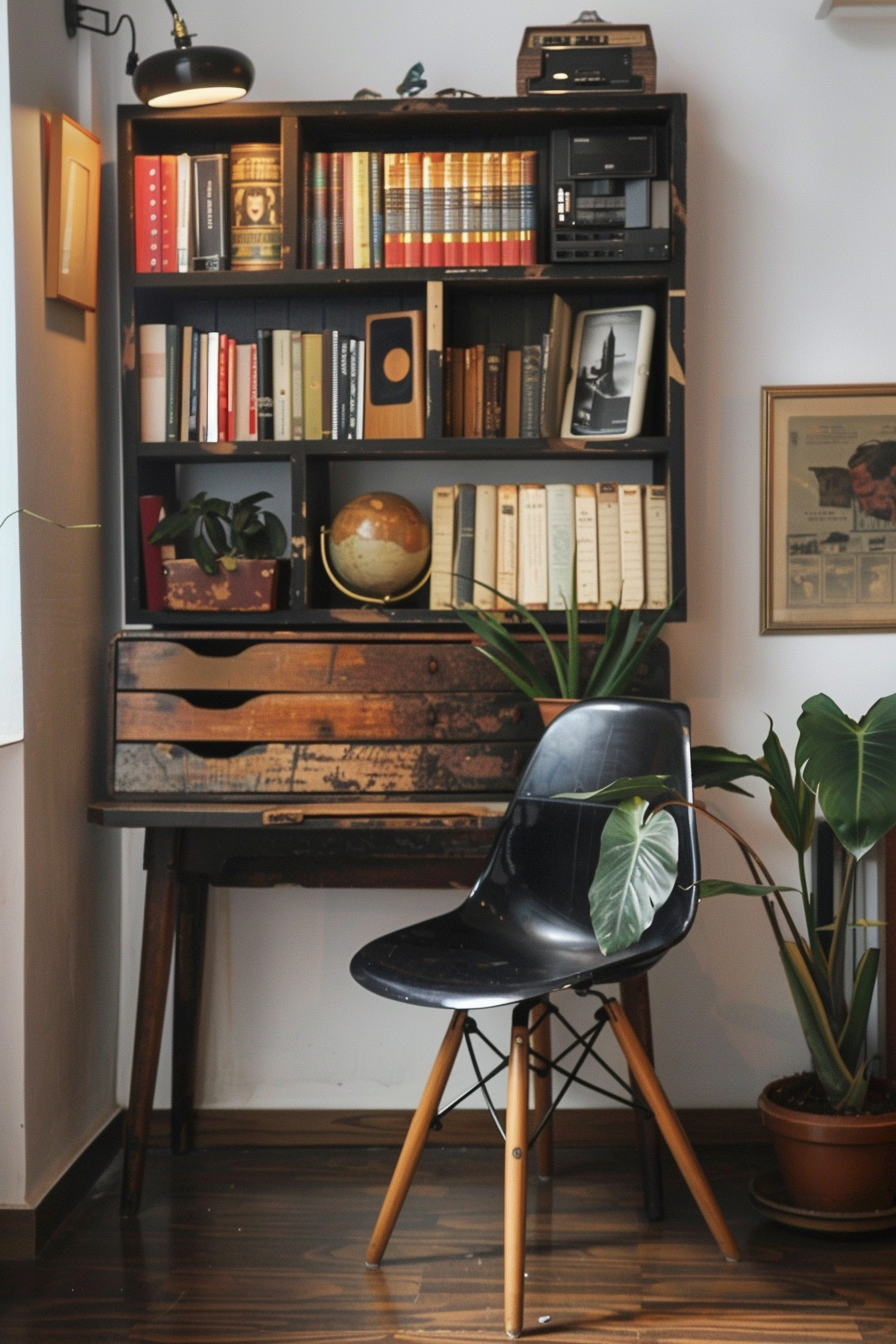
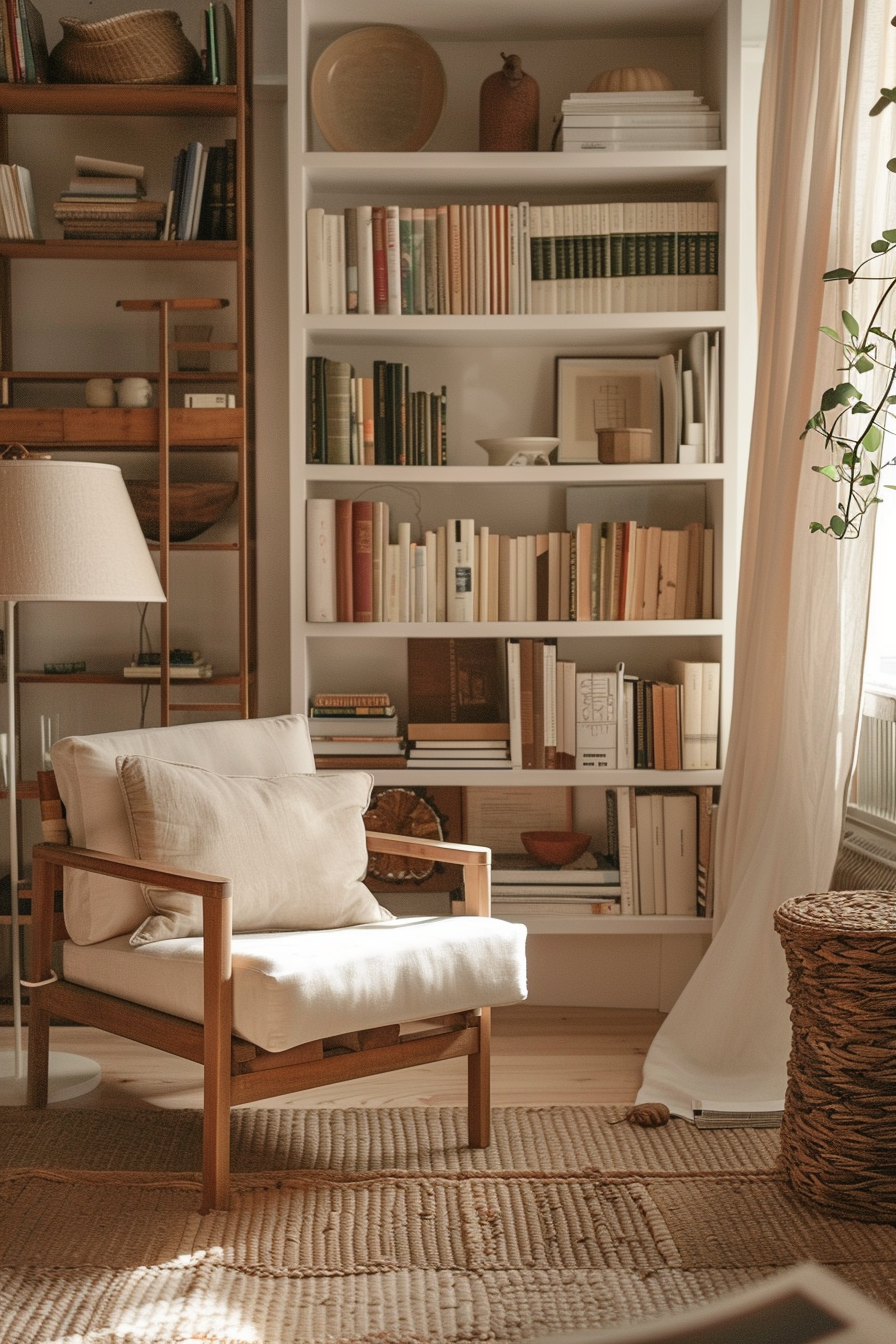
4. The Ladder Lean

A casual, portable option that adds a relaxed, “found object” aesthetic. It leans against the wall rather than being mounted to it, offering a rental-friendly solution.
- The Look: A tiered structure that is wider at the bottom and narrower at the top, creating a triangular silhouette.
- Best For: Renters or those who frequently rearrange their furniture.
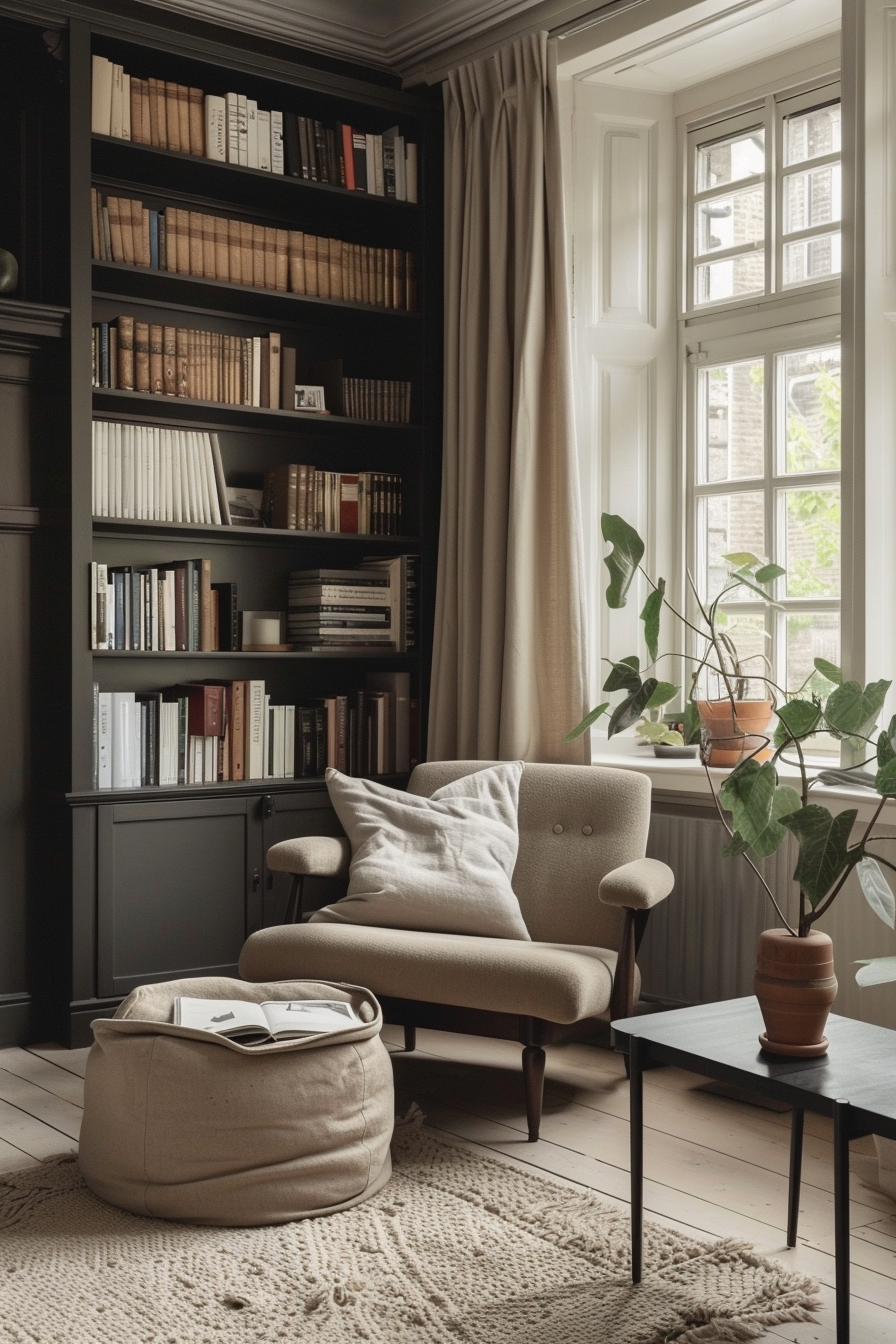
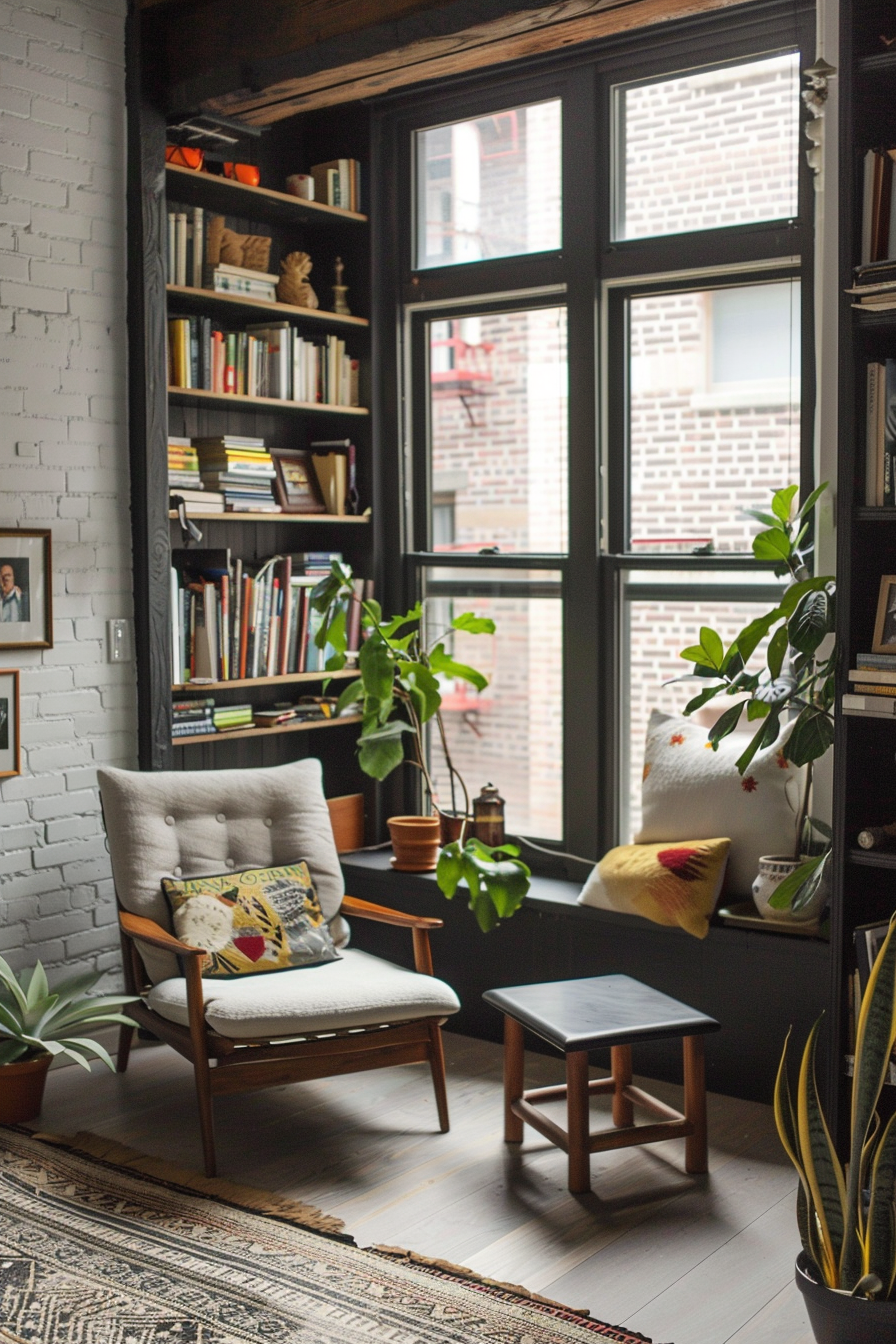
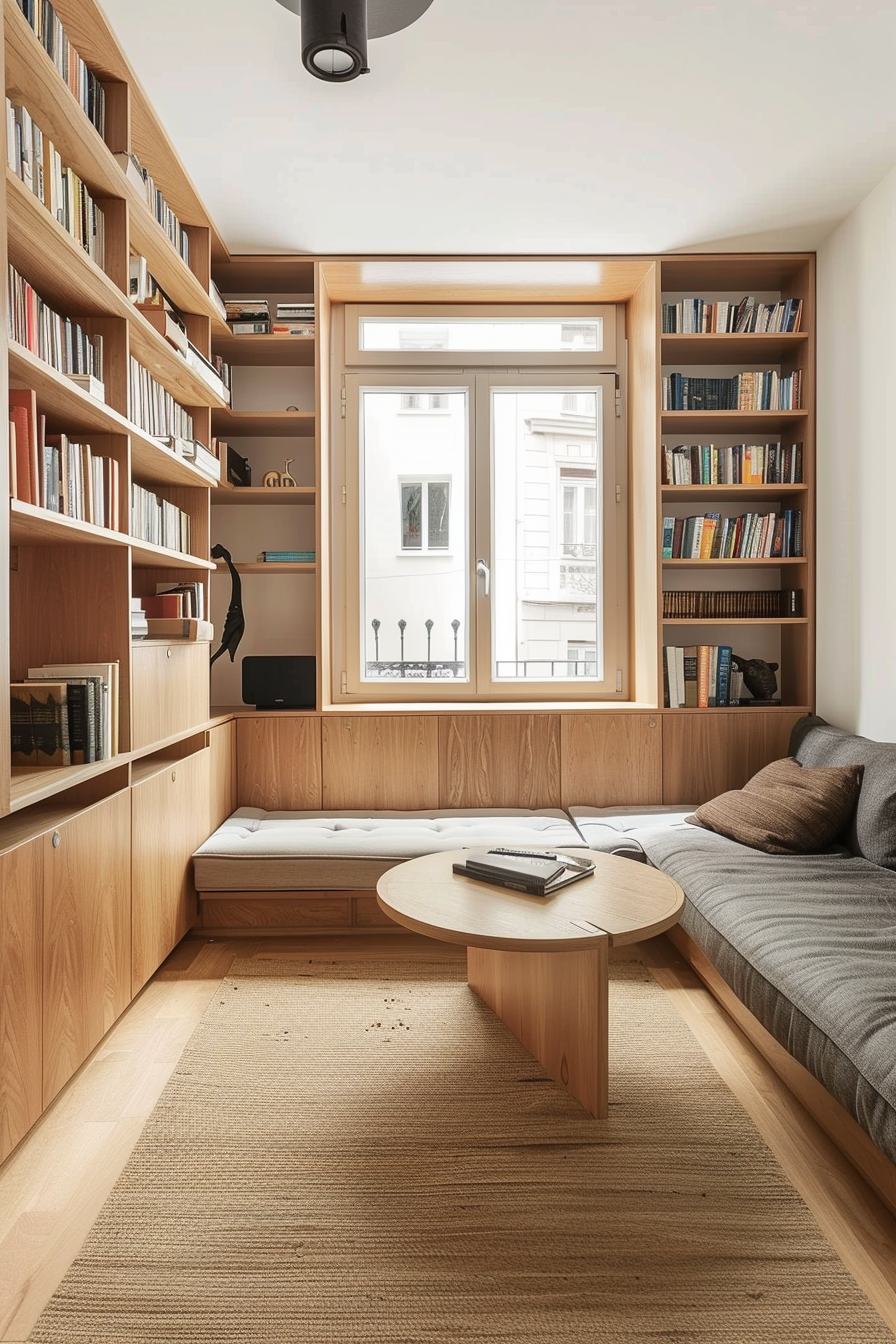
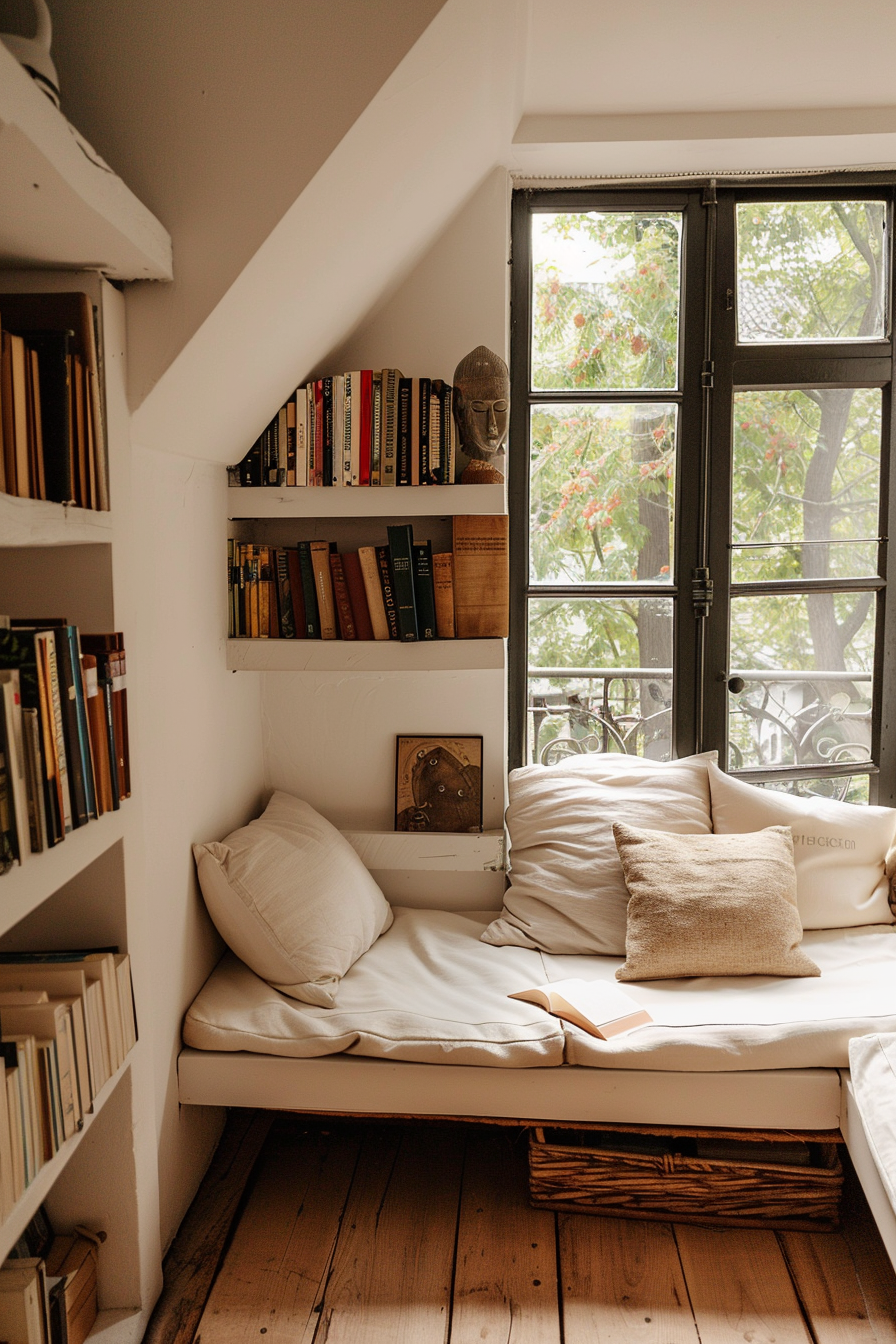
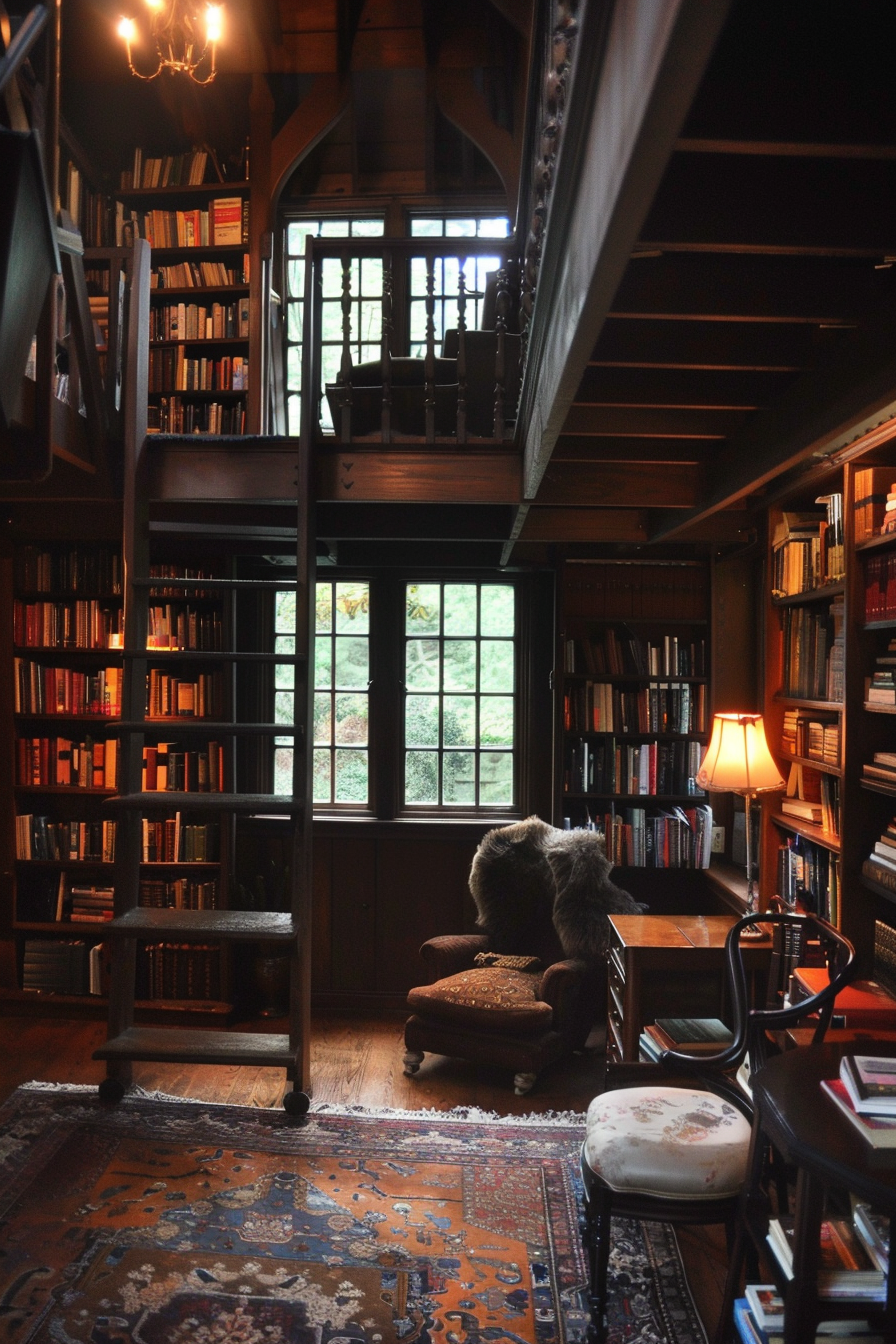
5. The Window Frame Bridge

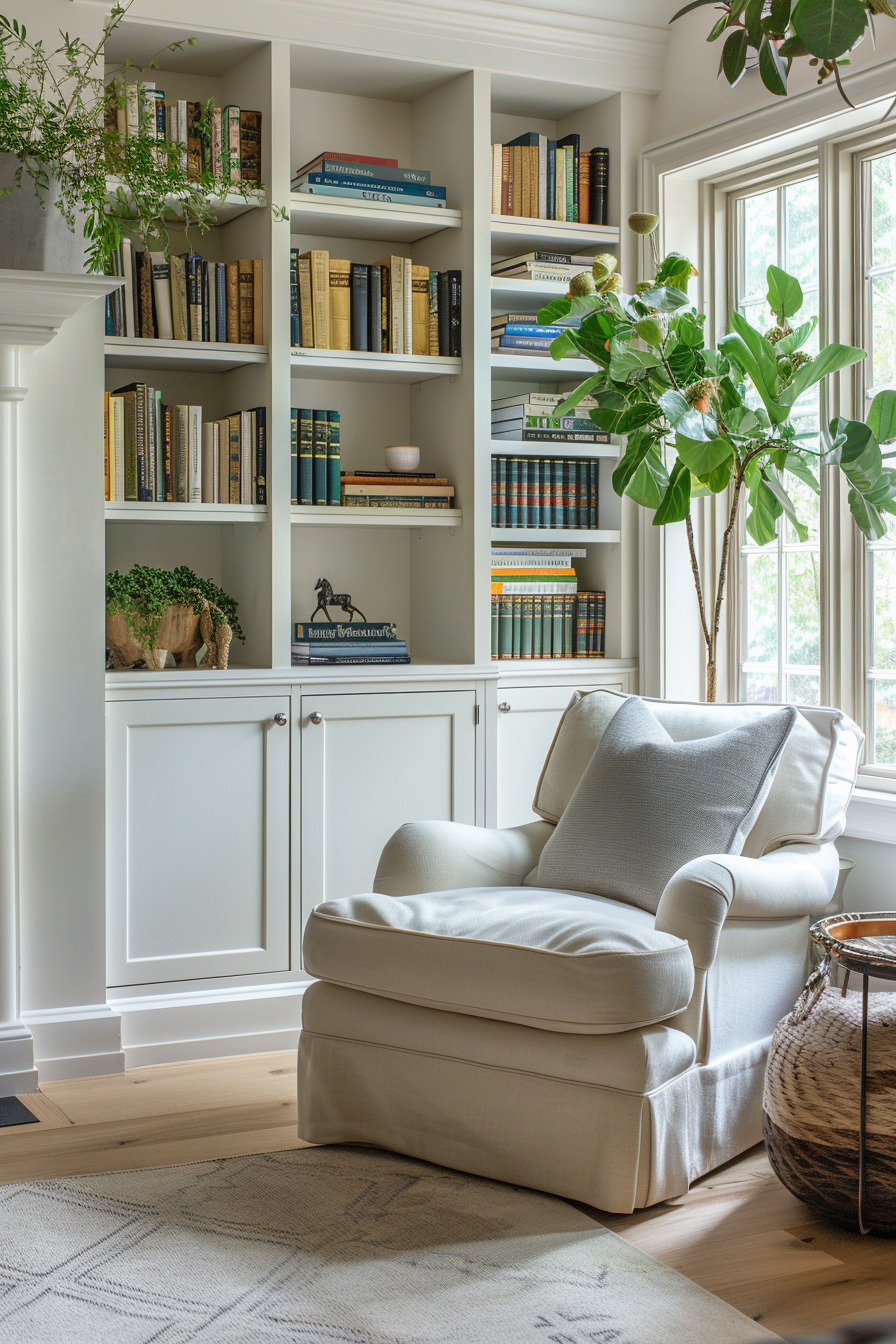
This ingenious design reclaims the space around architectural features. It builds a bridge of books over a window or doorway, framing the view.
- The Look: Built-in cabinetry that surrounds a window, often incorporating a window seat or bench beneath.
- Best For: Utilizing the often-wasted wall space above eye level.
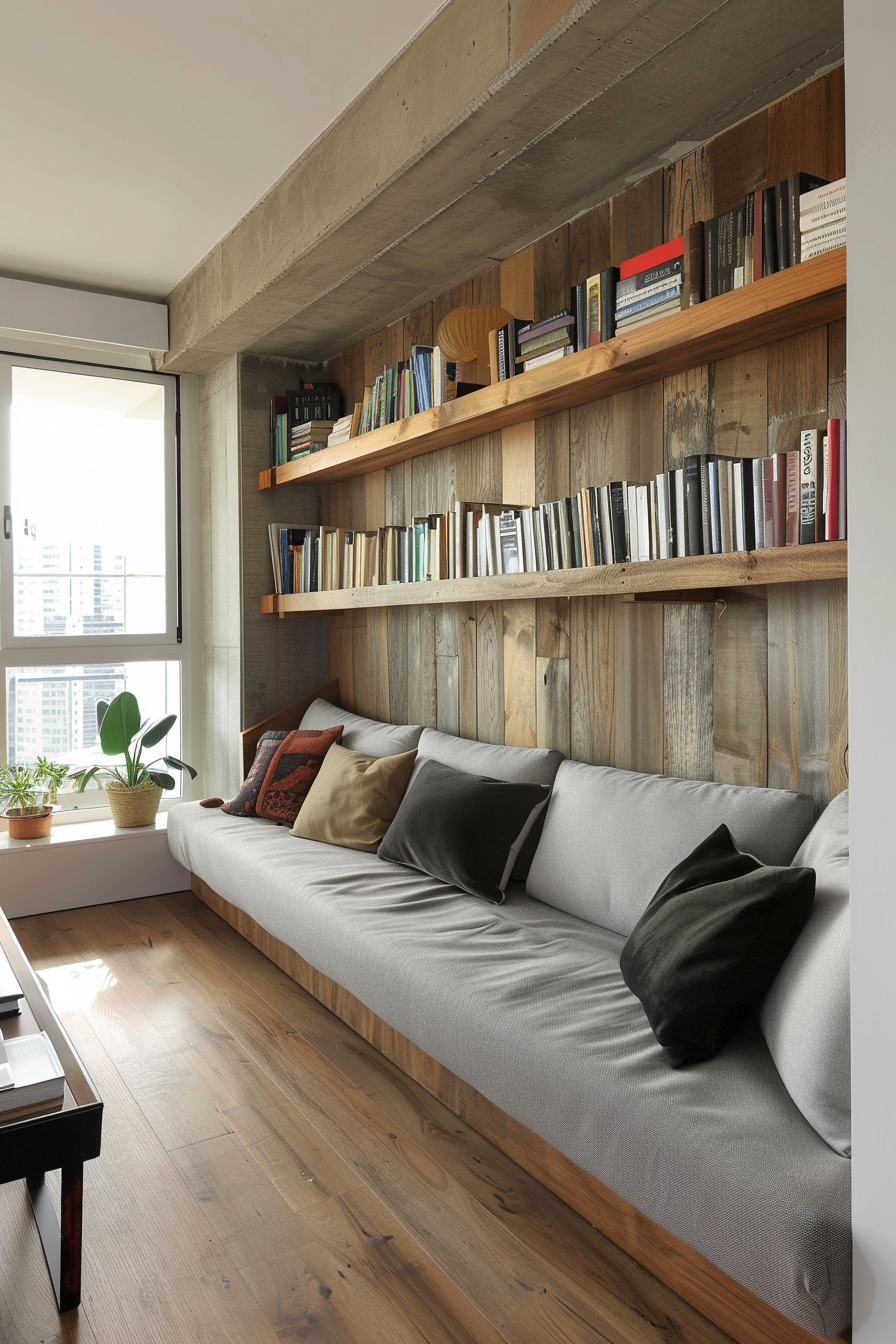
6. The Low-Profile Console

This unit keeps sightlines open. Instead of going up, it stays low, doubling as a surface for lamps, art, or drinks.
- The Look: A long, horizontal shelving unit that sits below window height.
- Best For: Placing behind a sofa or under a window to add storage without blocking light.
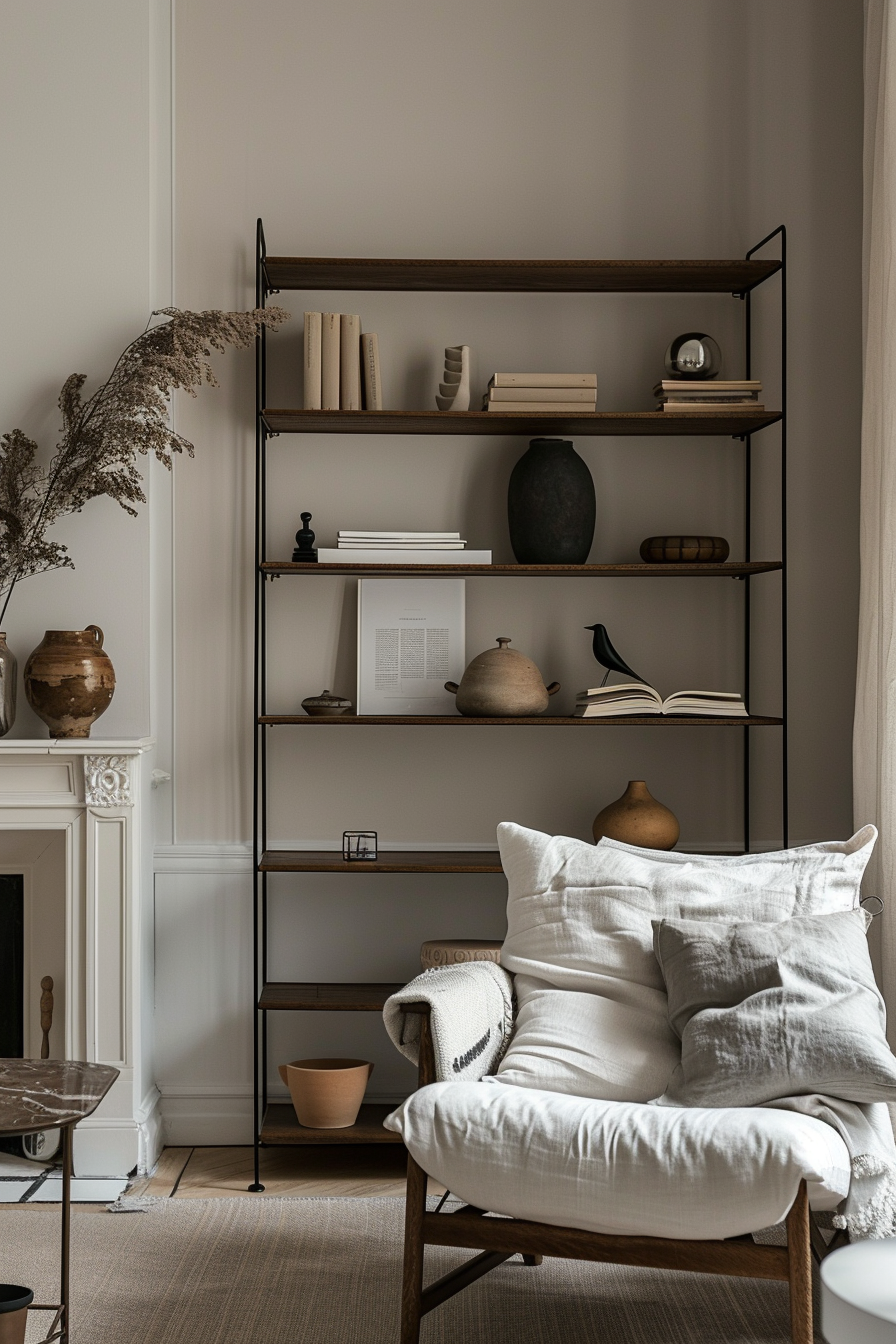
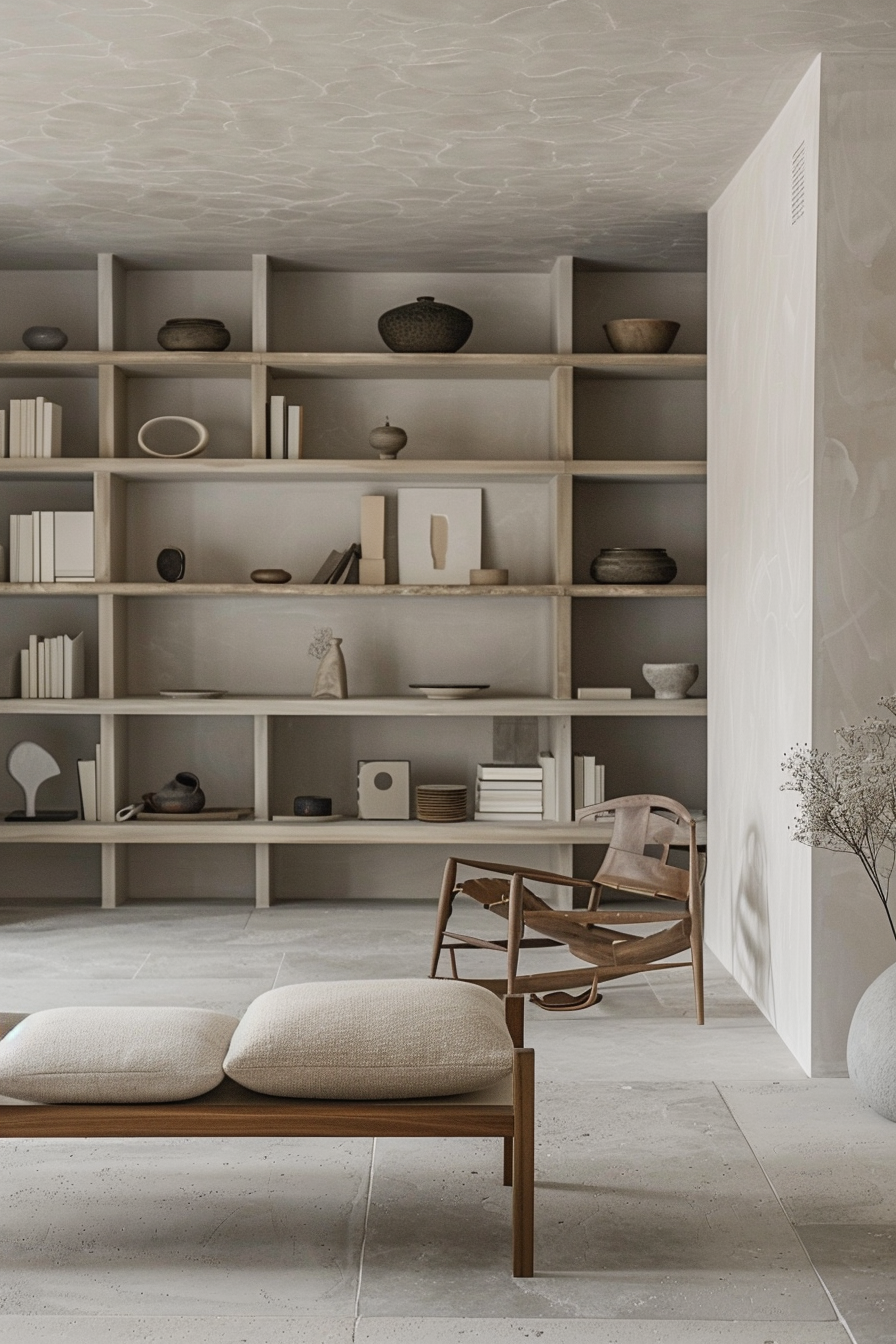
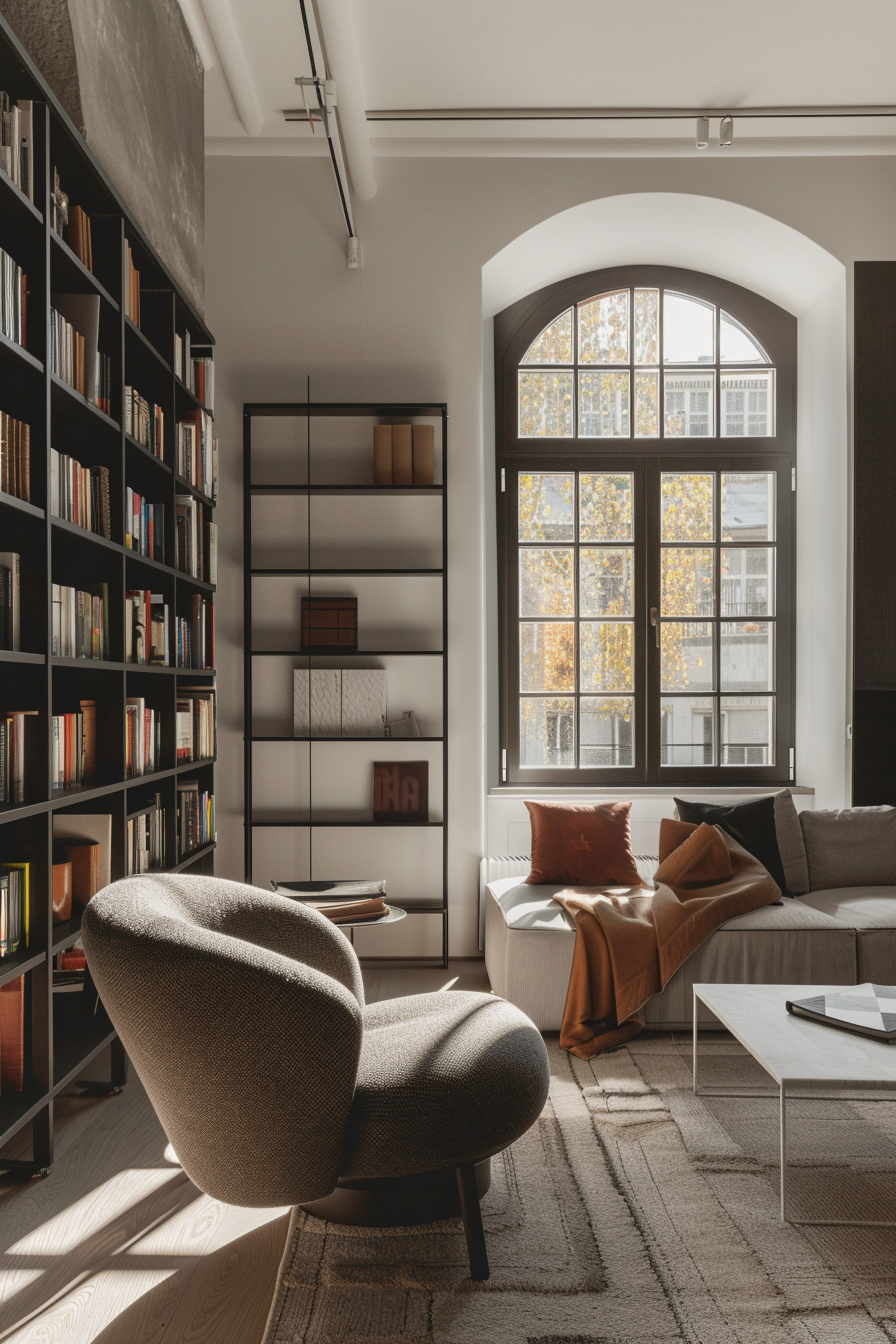
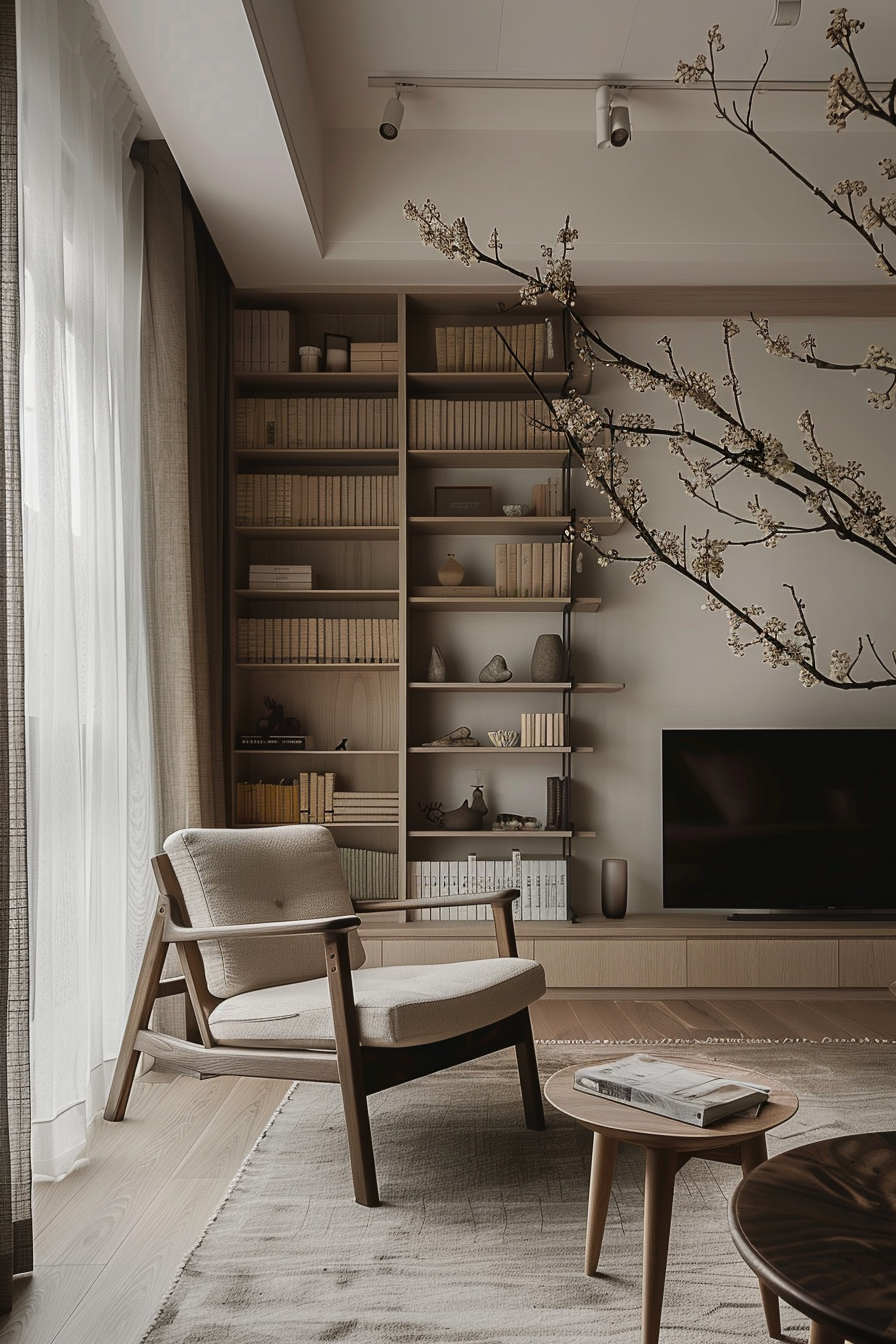
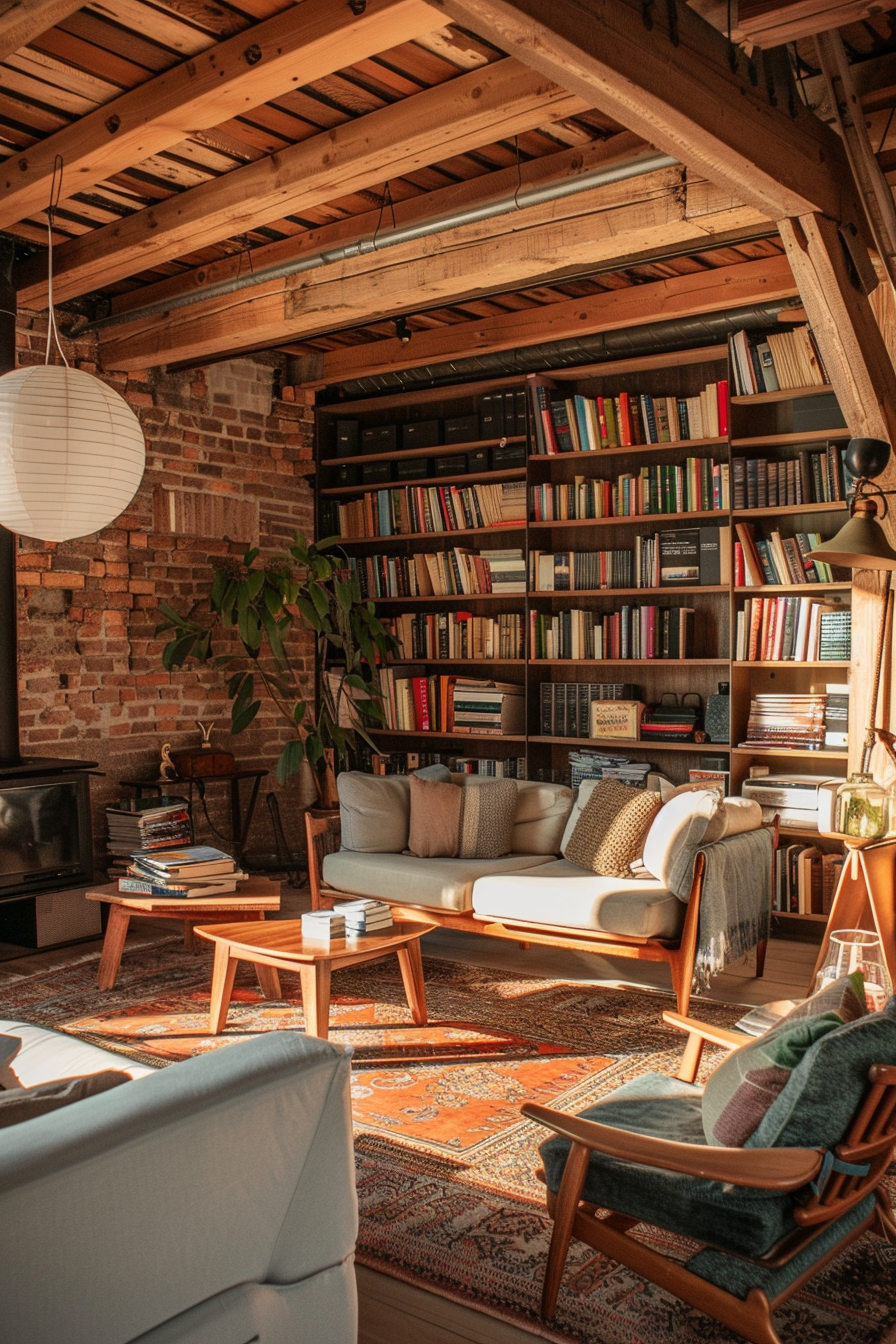
7. The Industrial Open Grid

Mixing materials for a raw, urban look. This style typically pairs metal frames with wooden planks, leaving the back open to see the wall paint behind.
- The Look: A skeletal structure of steel and timber.
- Best For: Lofts or spaces needing a room divider that allows light to pass through.
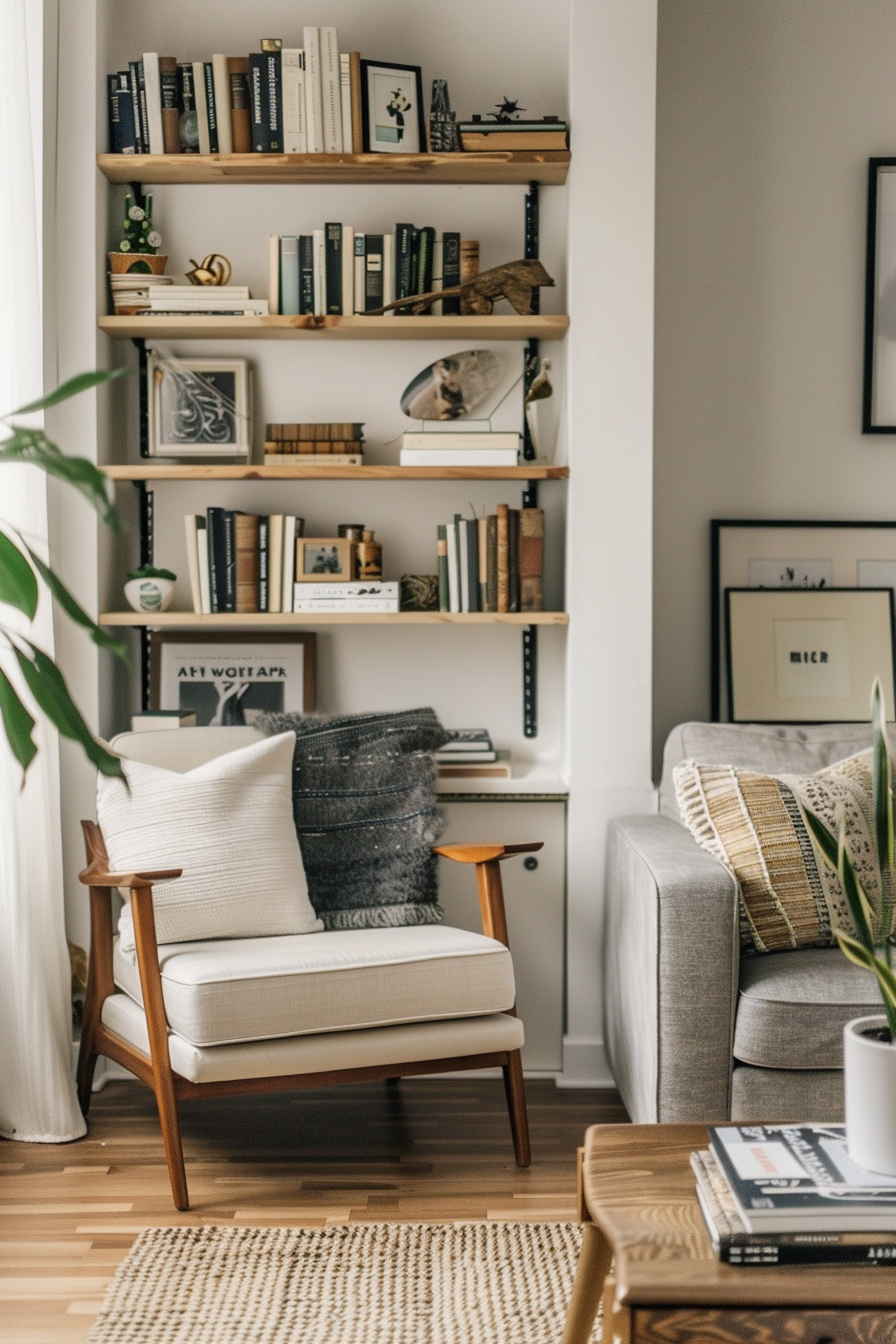
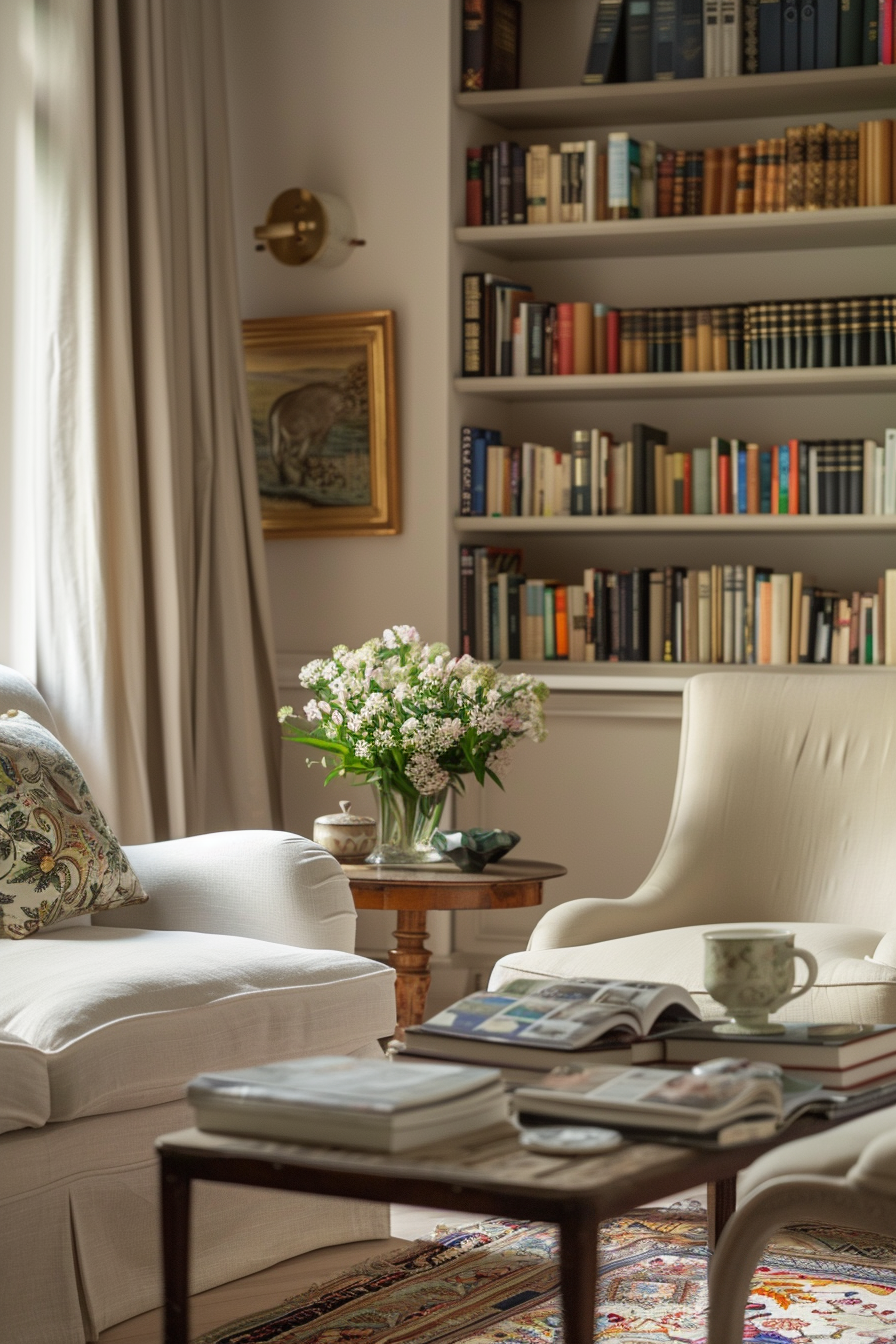
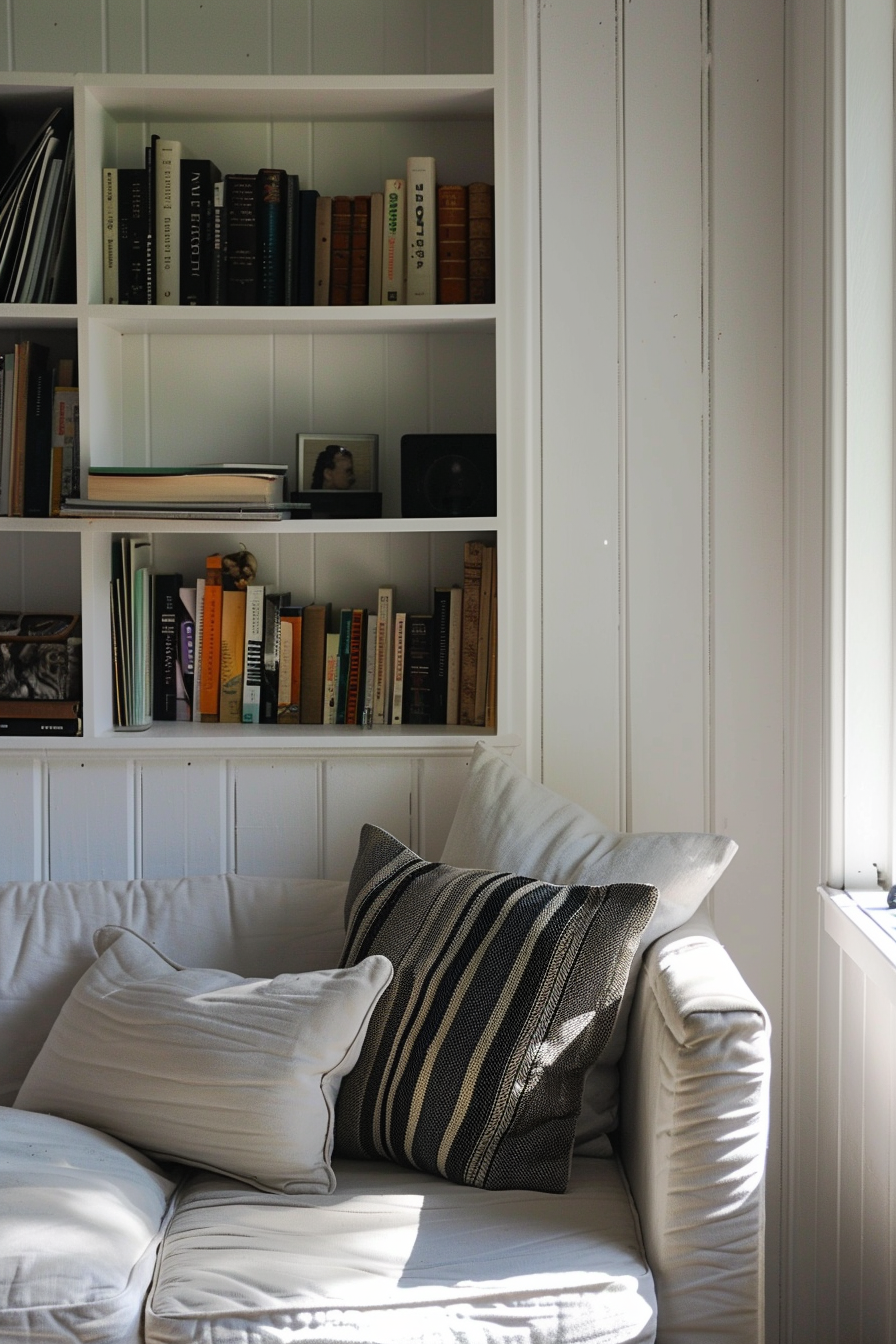
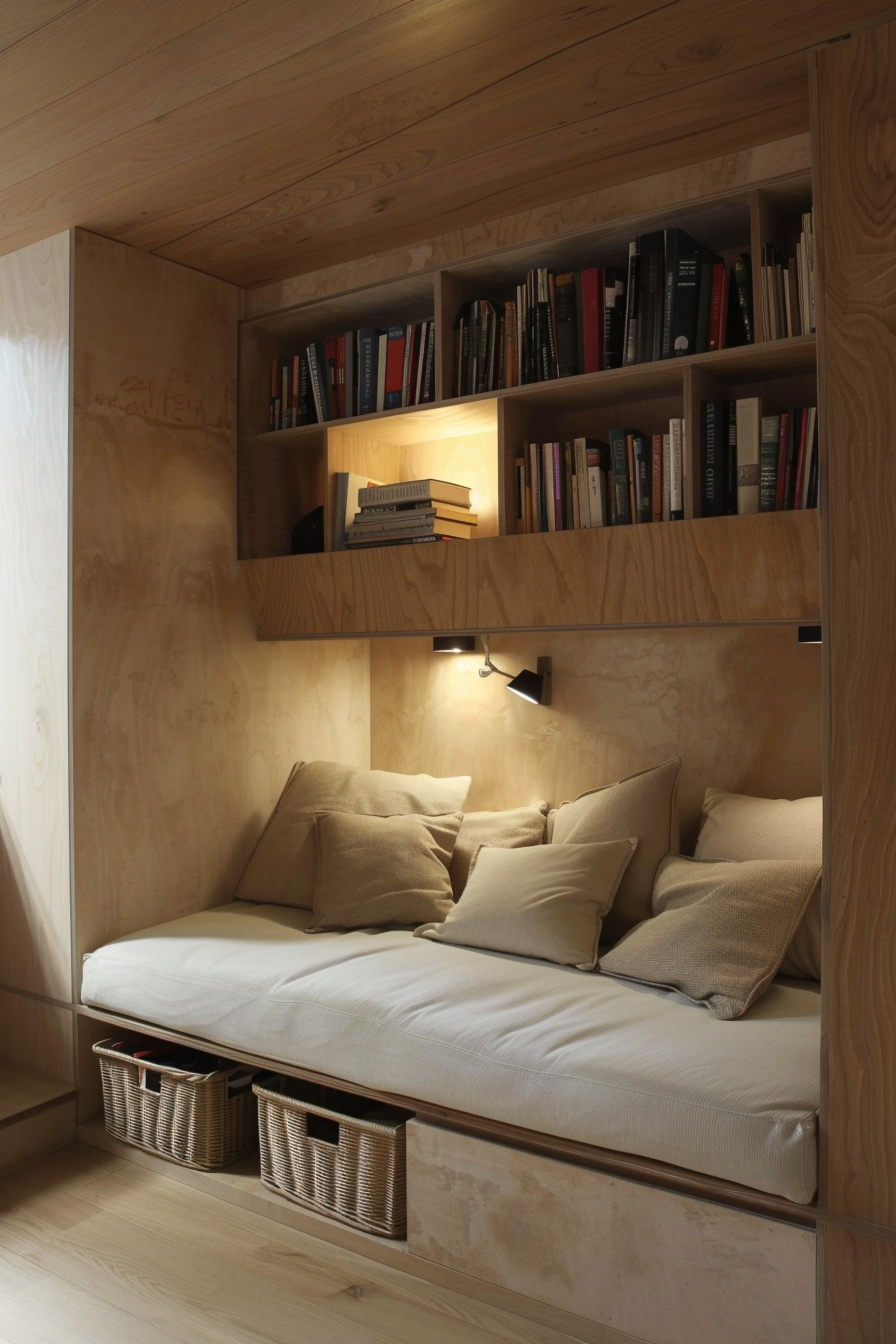
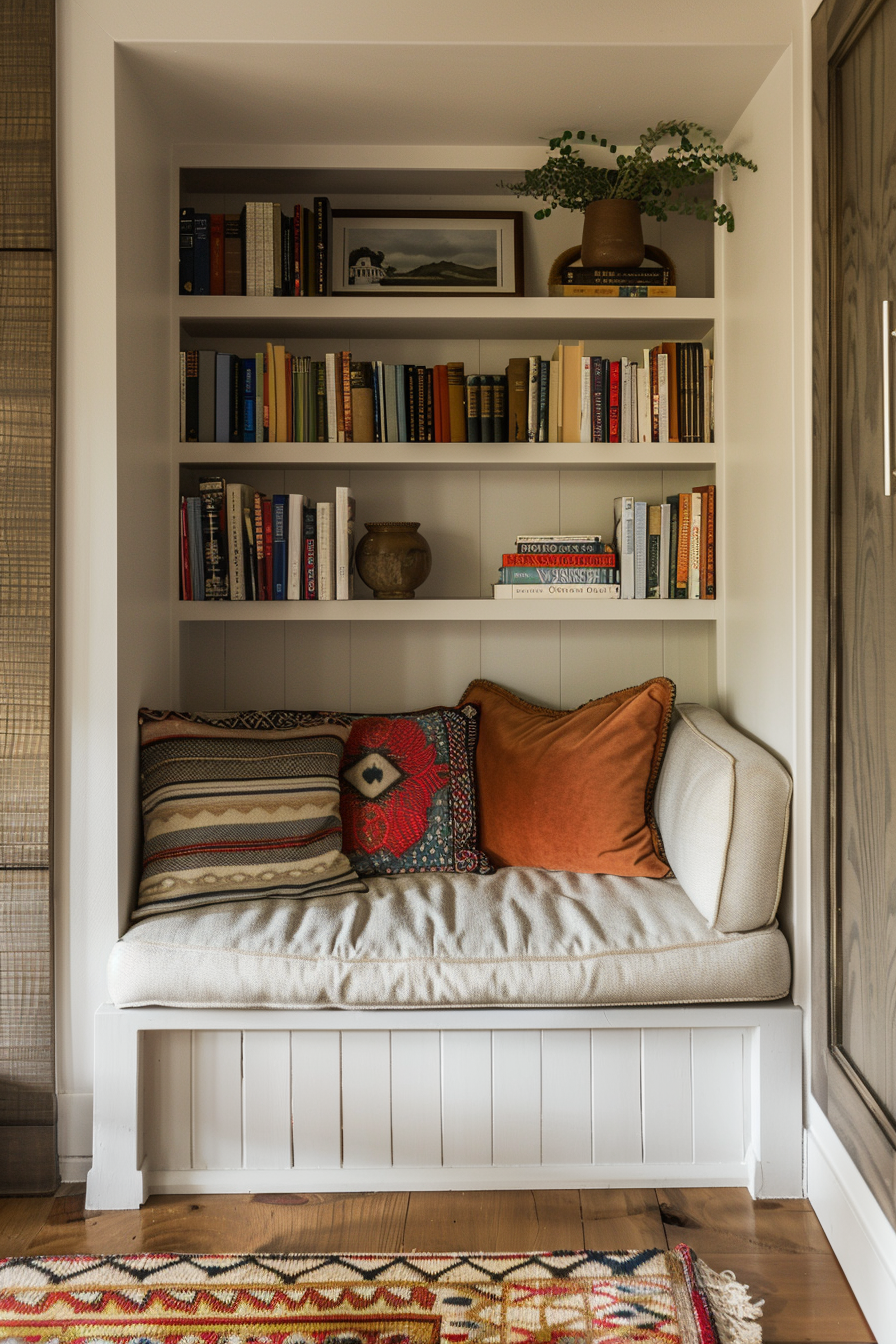
8. The Integrated Nook

The most “custom” look, where shelves are built directly into an alcove or recess in the wall.
- The Look: Flush-mounted shelves that feel like part of the building’s original architecture.
- Best For: Maximizing quirks in older homes or creating a seamless, clutter-free appearance.
- Floating shelves offer a sleek, easy-to-install solution for displaying books while adding elegance to any room.
- Ladder bookshelves provide vertical storage and an open design, making them both stylish and space-efficient.
- Corner units utilize neglected spaces, displaying books and decorative items while complementing existing decor.
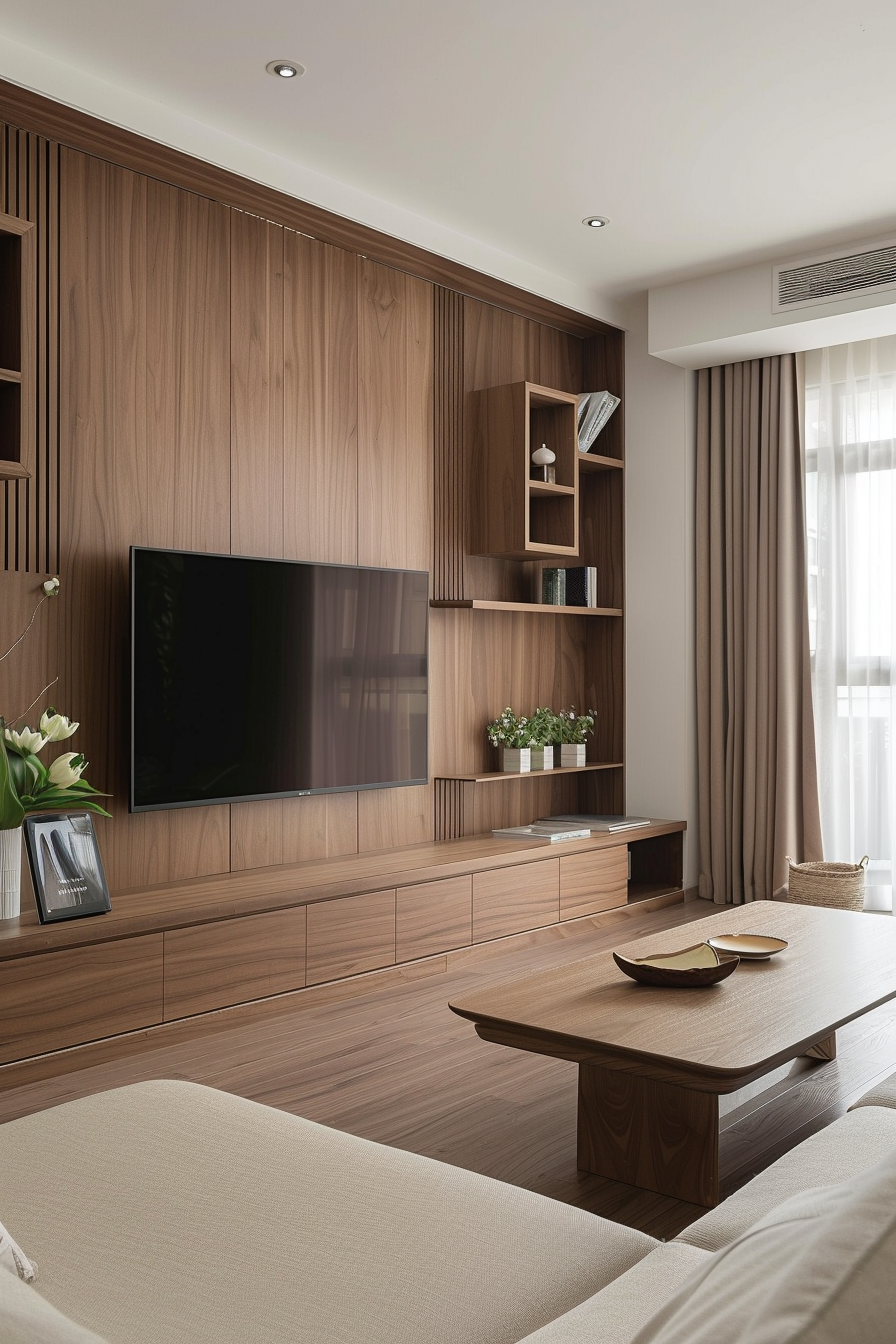
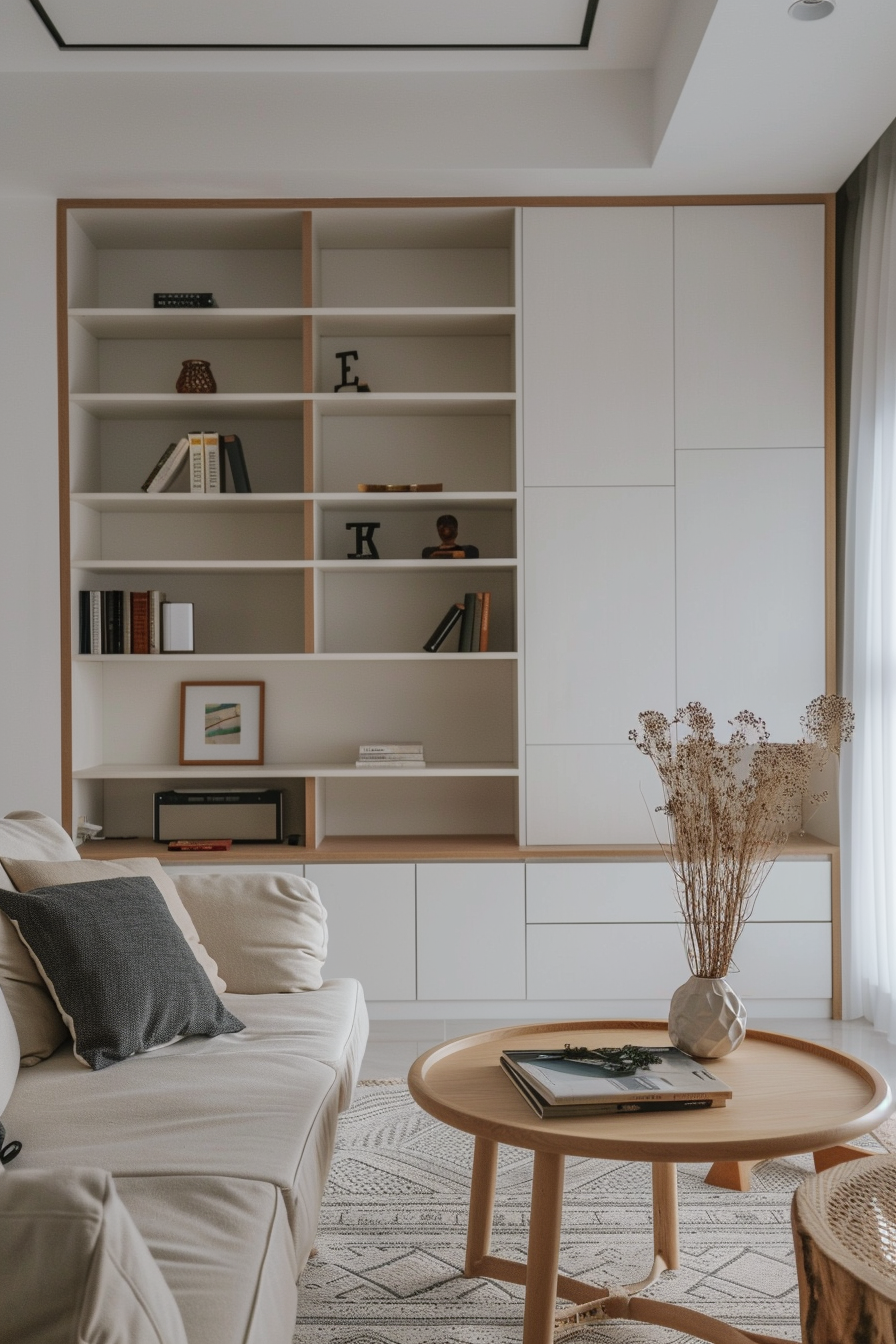
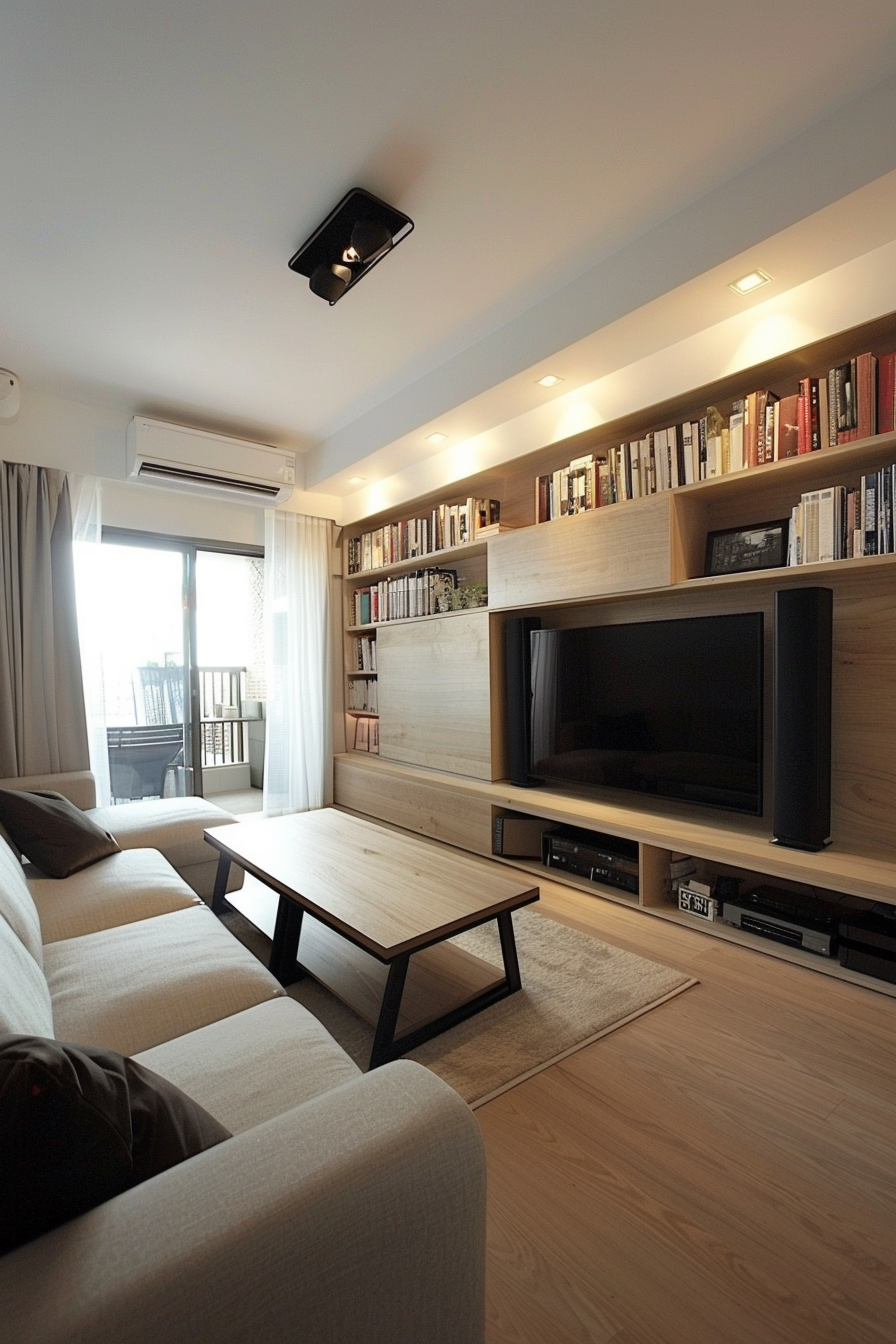
- Built-in shelving maximizes vertical space, integrates lighting, and offers a clutter-free, customized look.
- Modular systems offer flexibility with interchangeable shelves, cabinets, and drawers, allowing for easy rearrangement and expansion.


Summary
Whether you choose the towering drama of a floor-to-ceiling unit or the casual lean of a ladder shelf, the goal is the same: to stop treating books as clutter and start treating them as part of the room’s architecture.
Follow Quiet Minimal on Pinterest for more home design tips and inspiration.