Did you know that a whopping 80% of the waste in landfills comes from home furnishings? It’s time to rethink how we decorate our homes. Enter modern organic furniture, an eco-friendly option that’s rapidly gaining popularity.
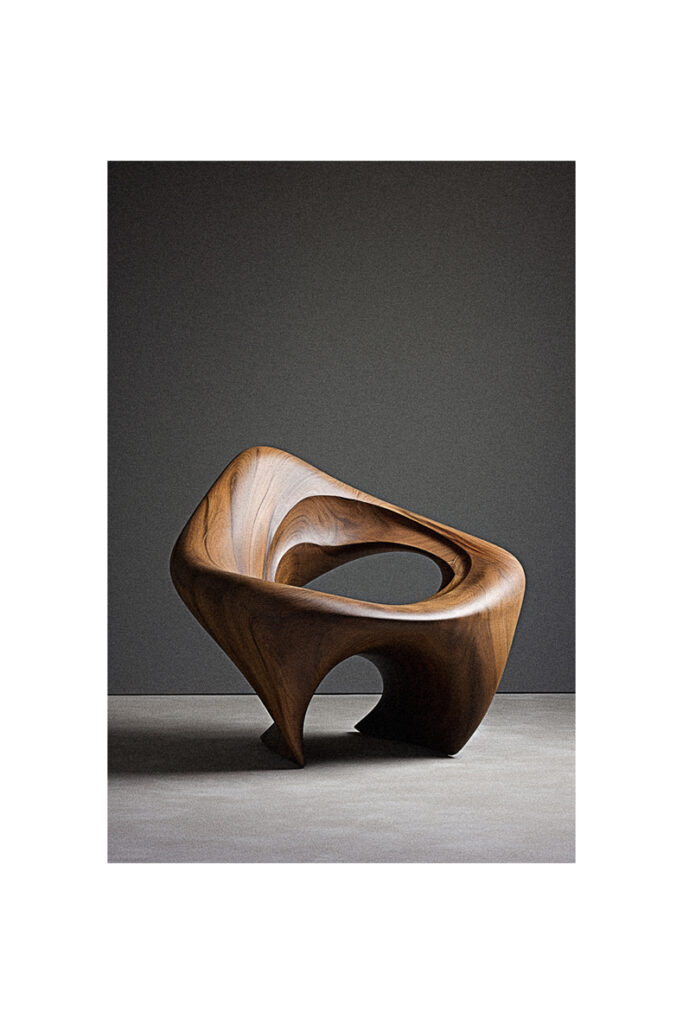
As we all strive to reduce our environmental footprint, it’s not just about recycling and biking to work anymore. Your home decor choices matter too. Organic furniture, made from natural materials, is not only good for the earth but also for your wellbeing.
In this article, we’ll delve into the rise of eco-friendly home decor, the benefits of choosing natural materials, and provide you with tips on how to incorporate green furnishings into your space. So, if you’re ready to give your home a sustainability makeover, keep reading. You’ll find that organic furniture not only looks good, but it feels good too, knowing you’re making a positive impact on our planet.
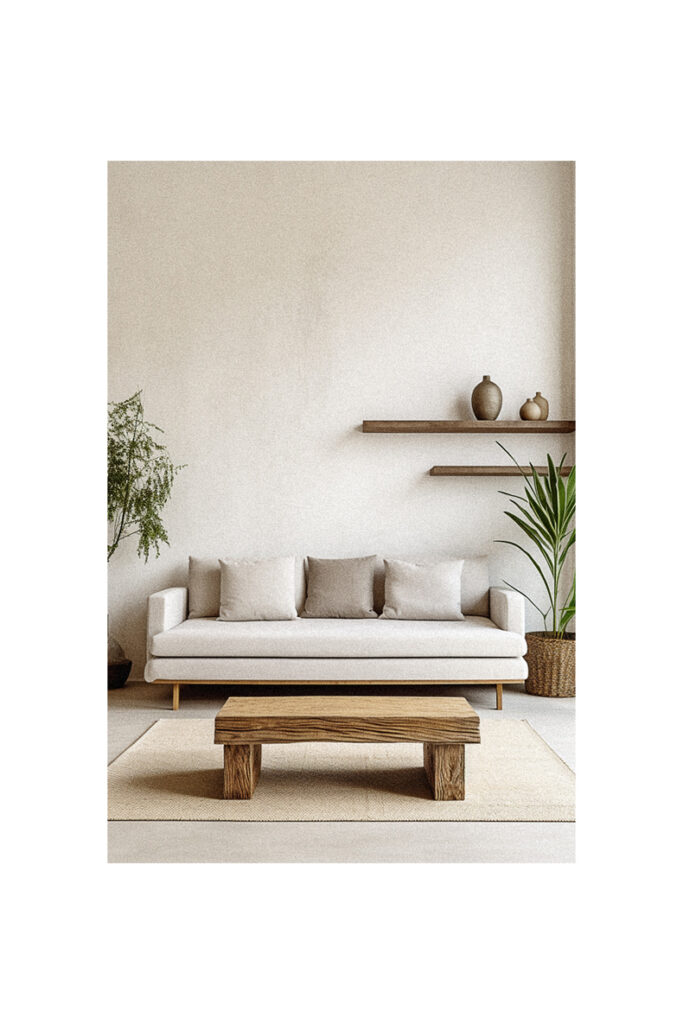
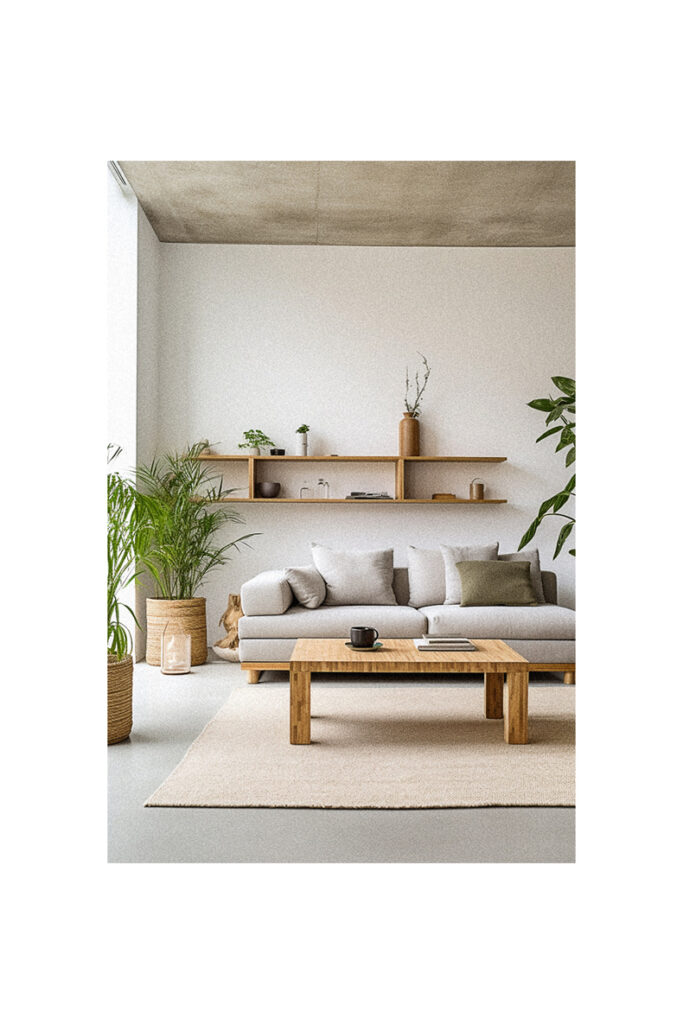
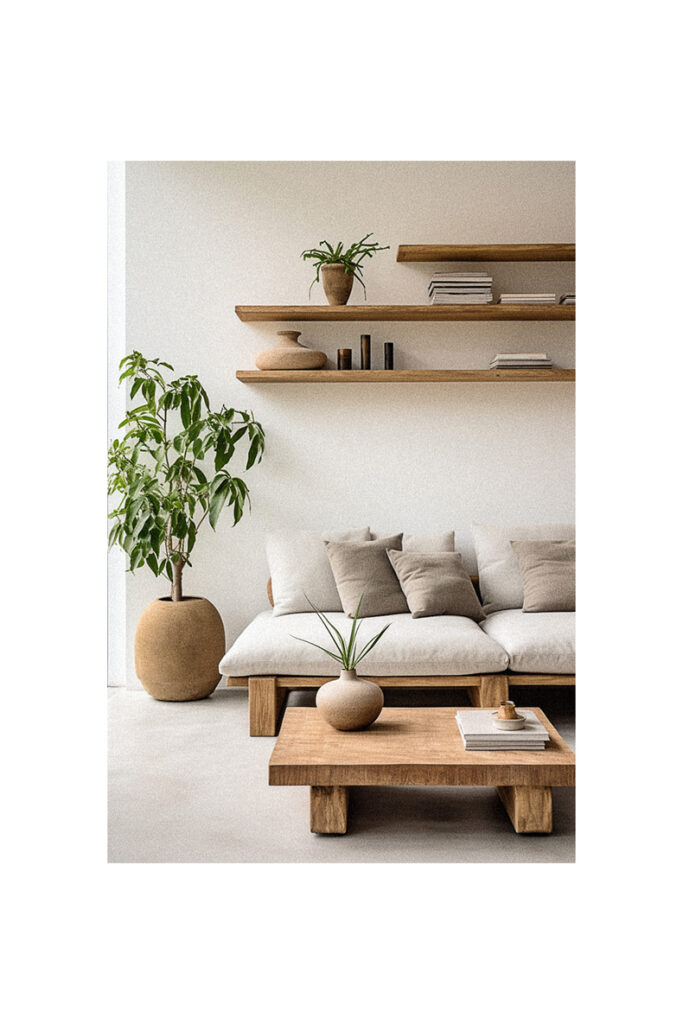
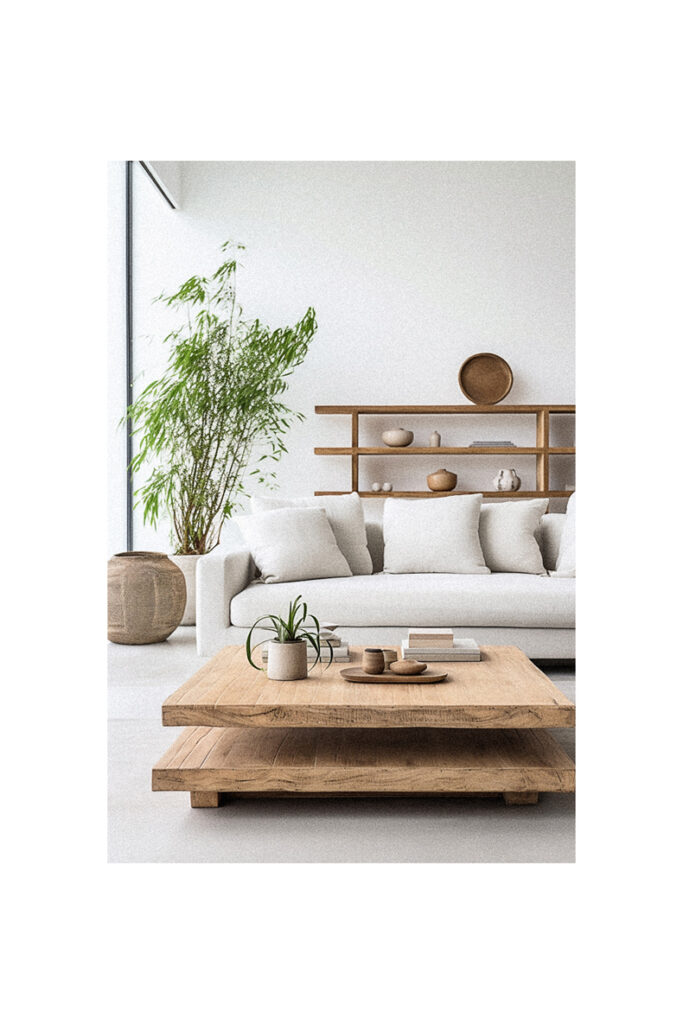
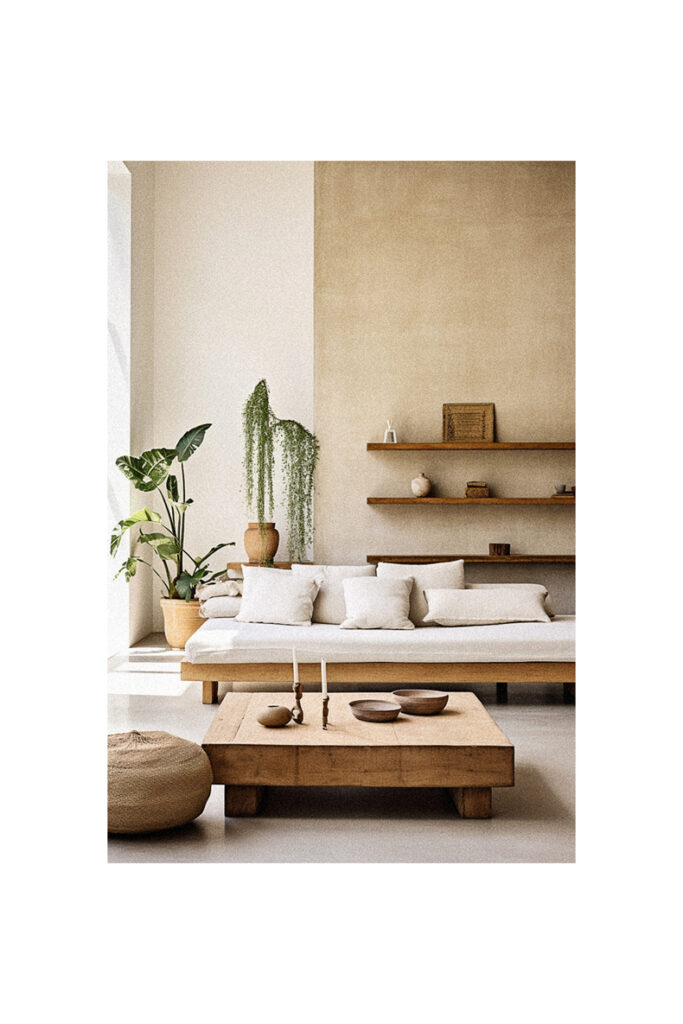
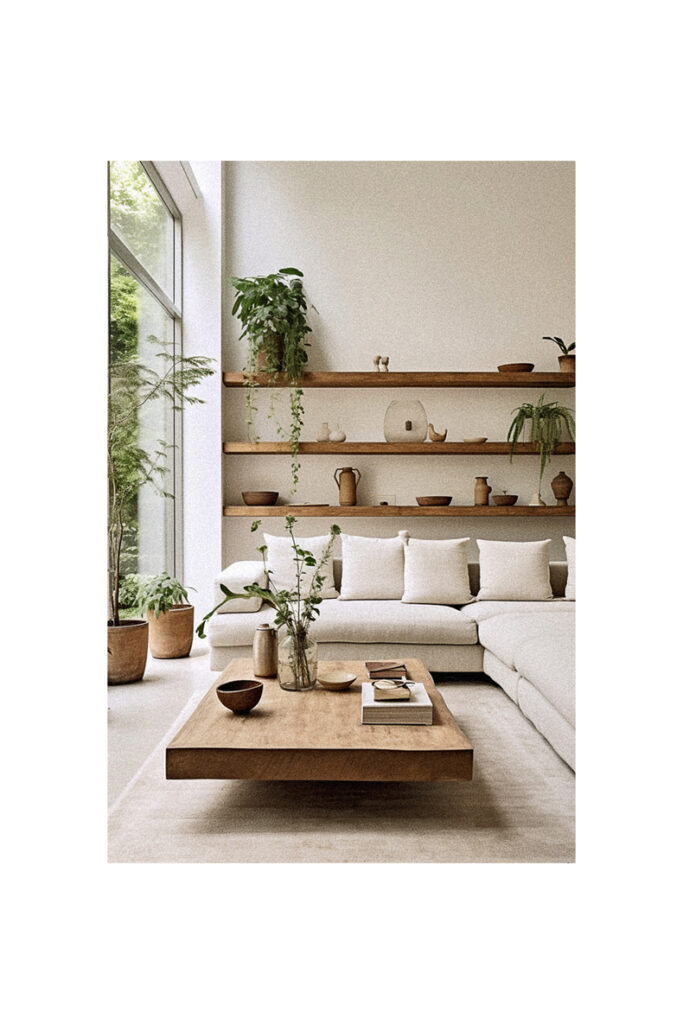
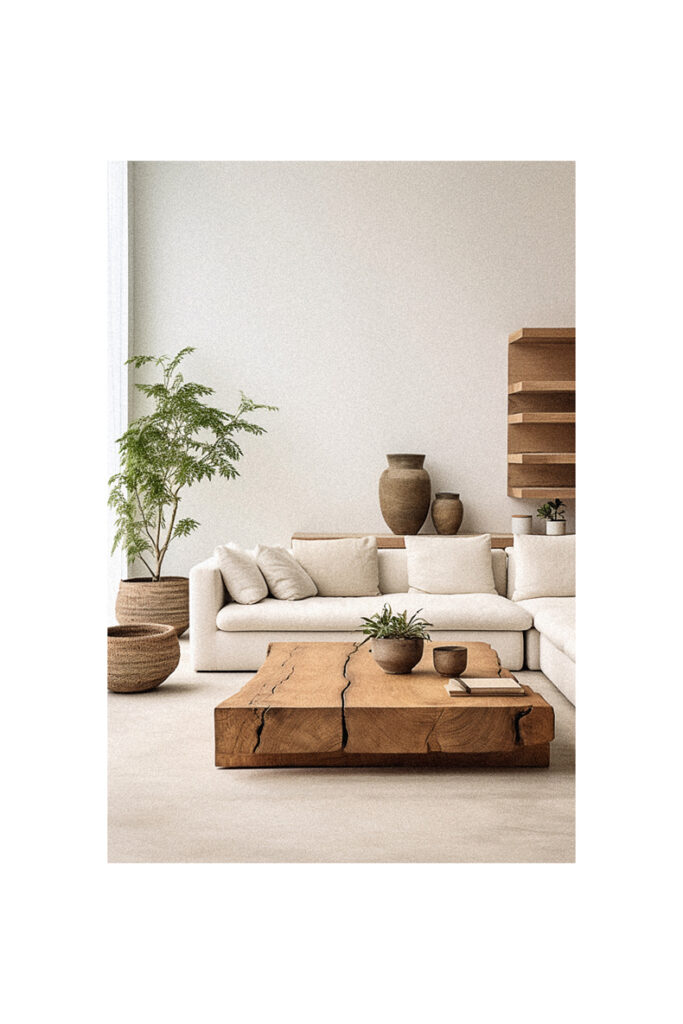
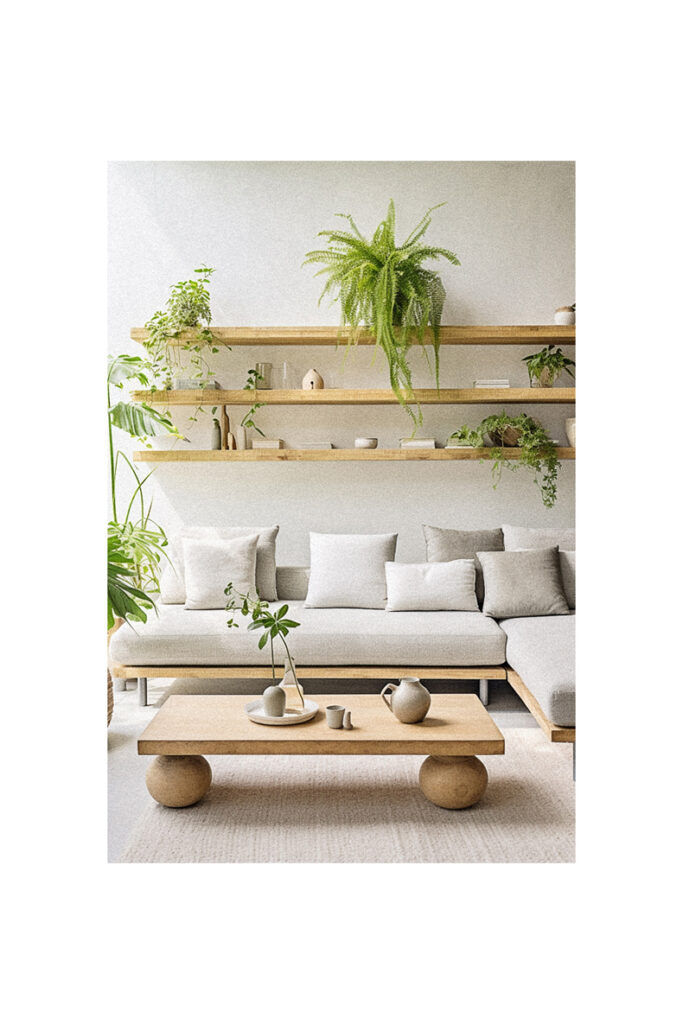
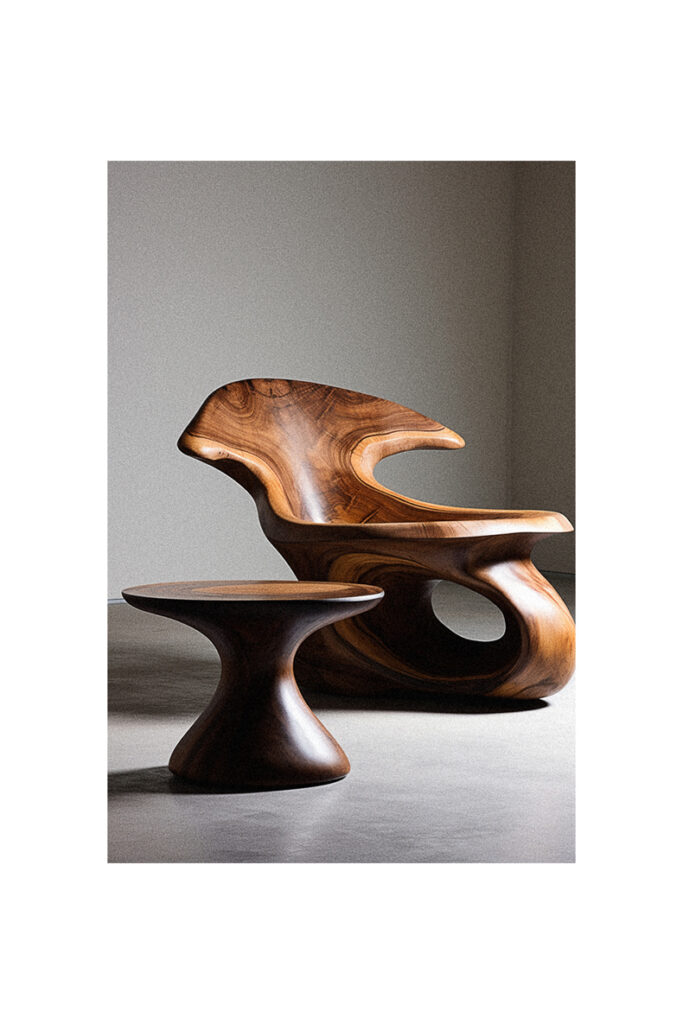
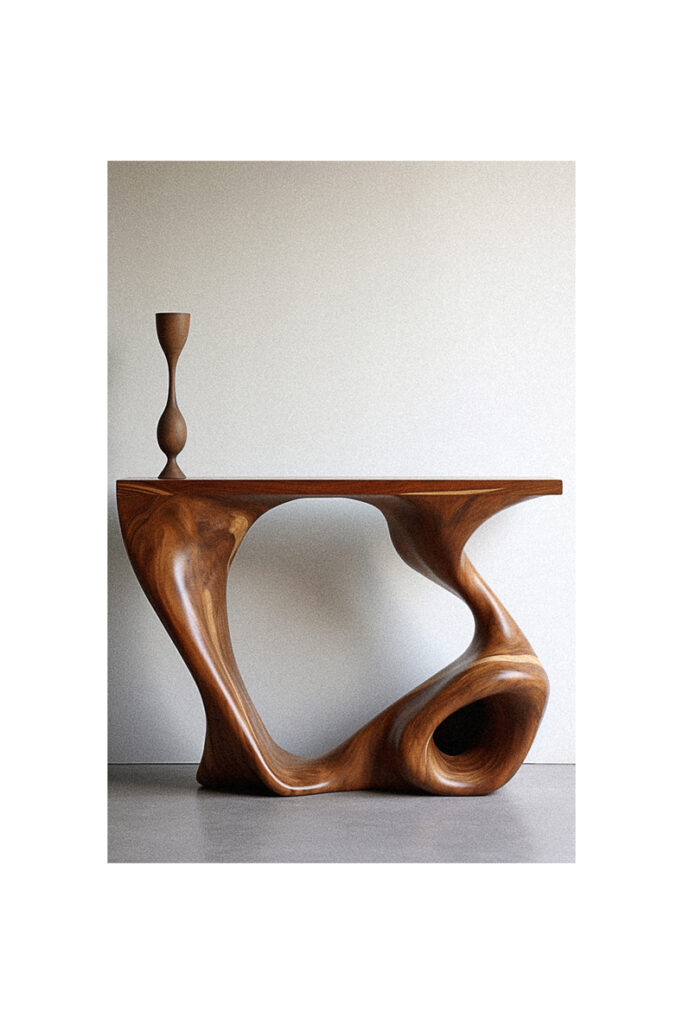
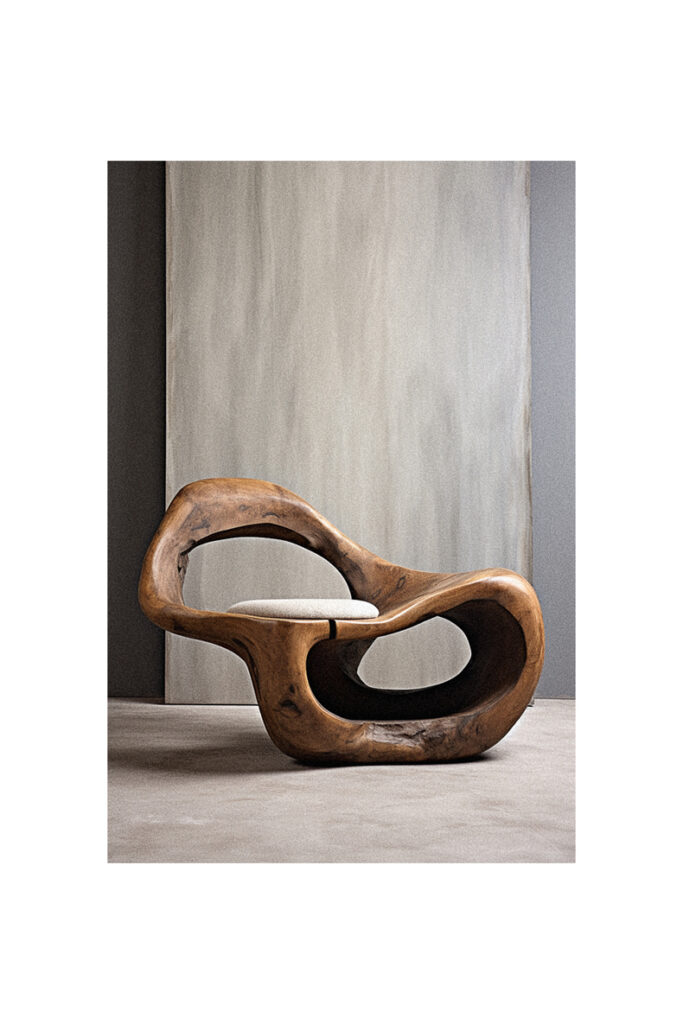
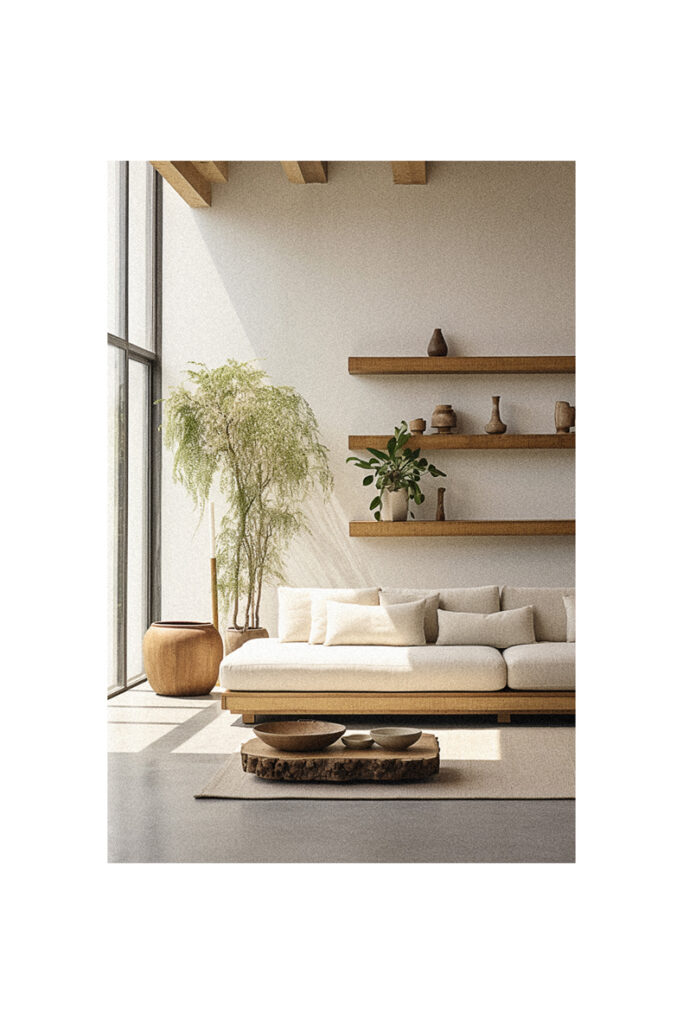
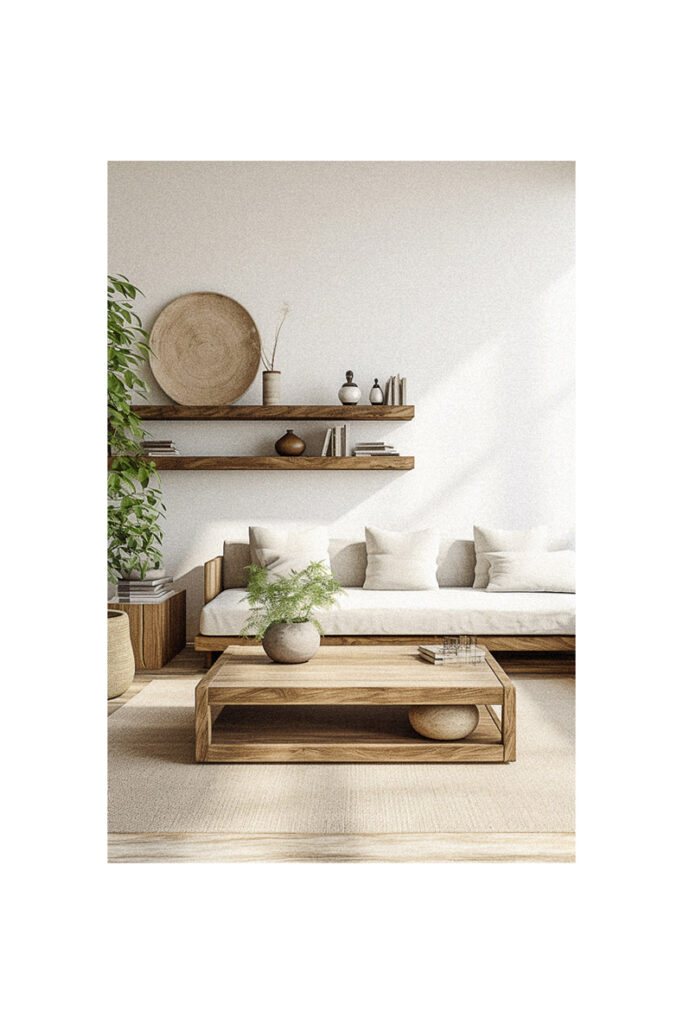
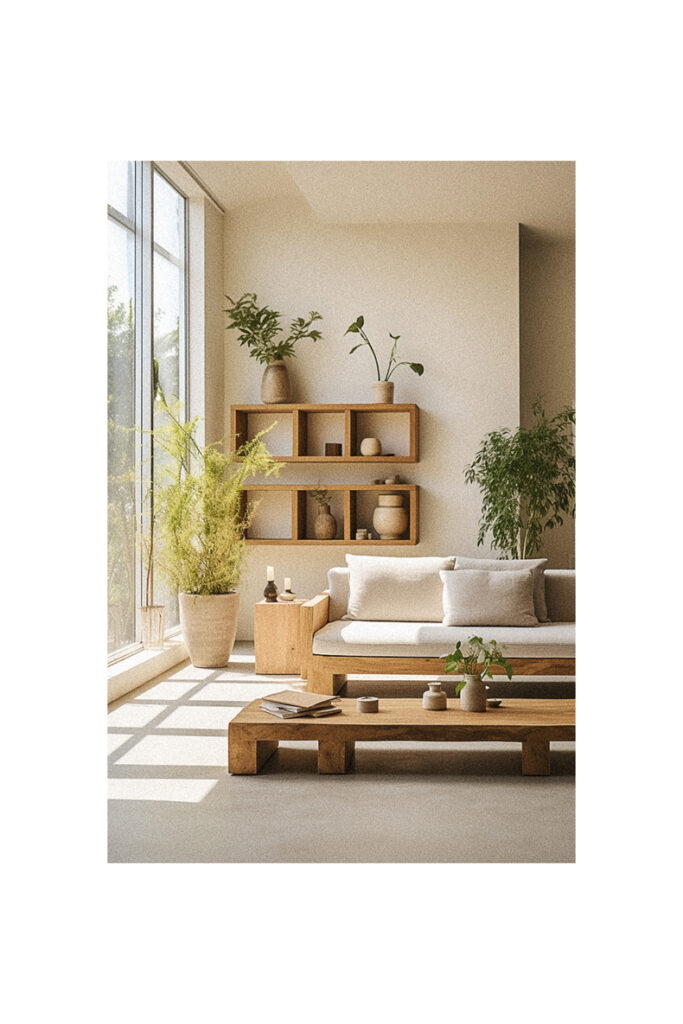
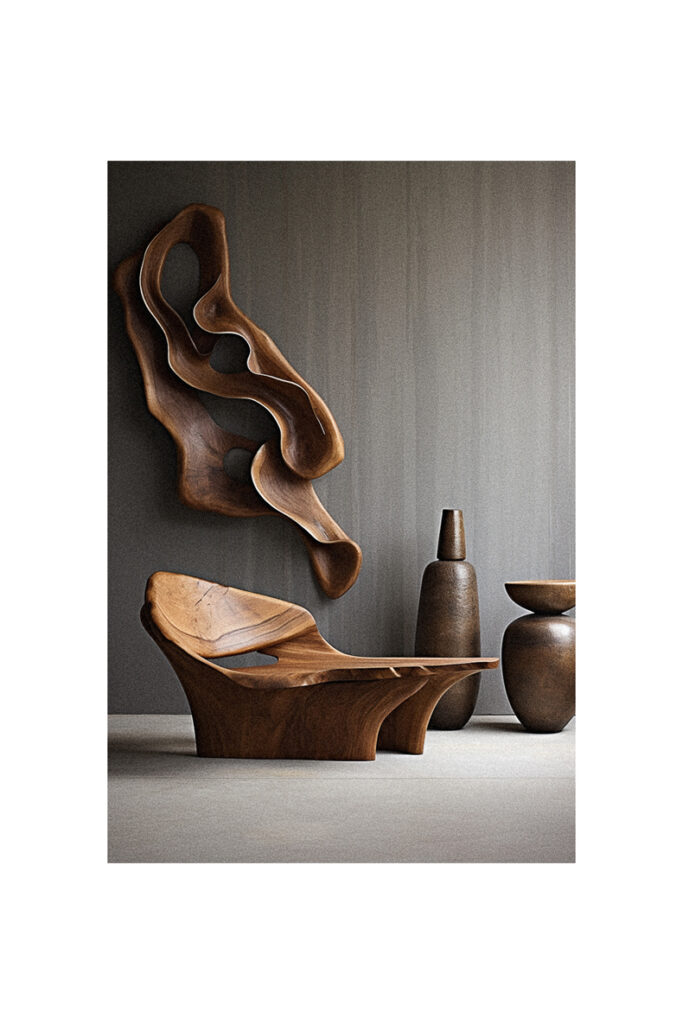
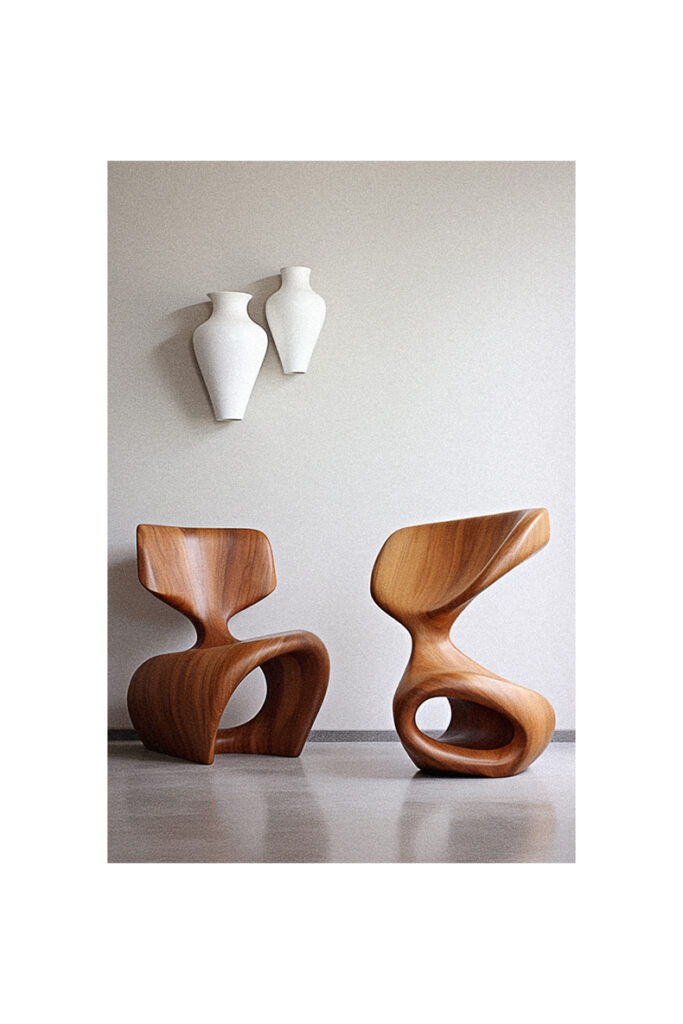
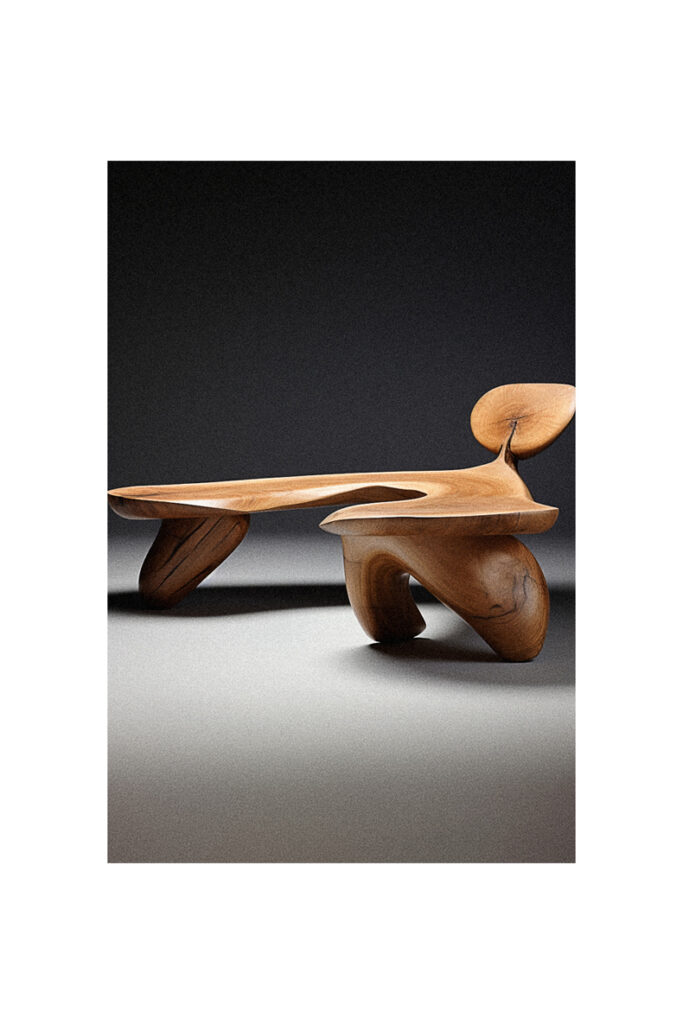
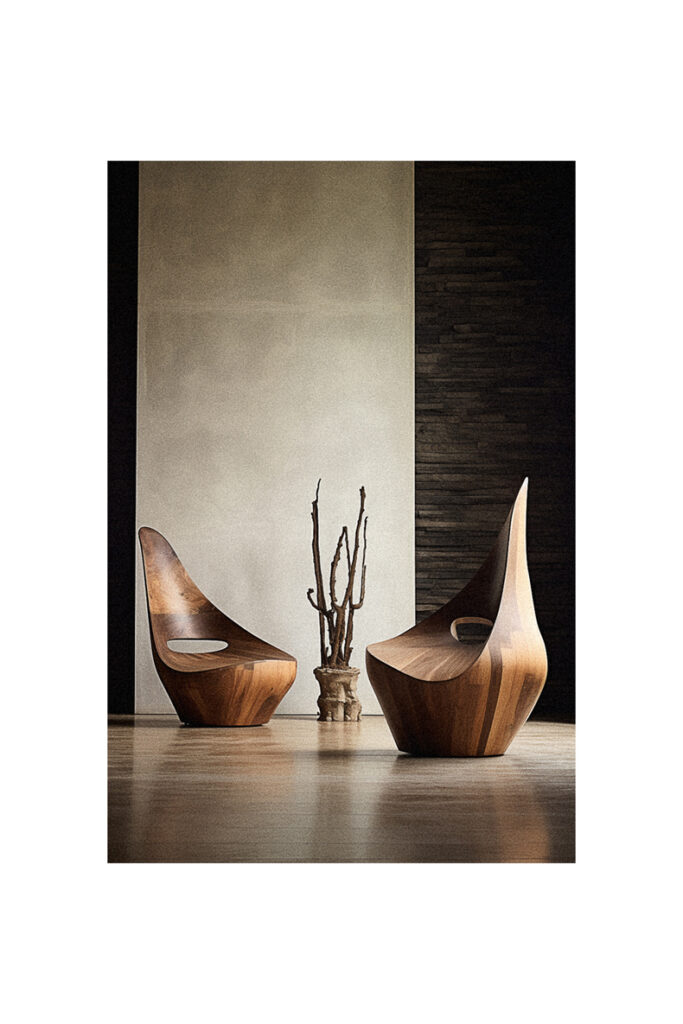
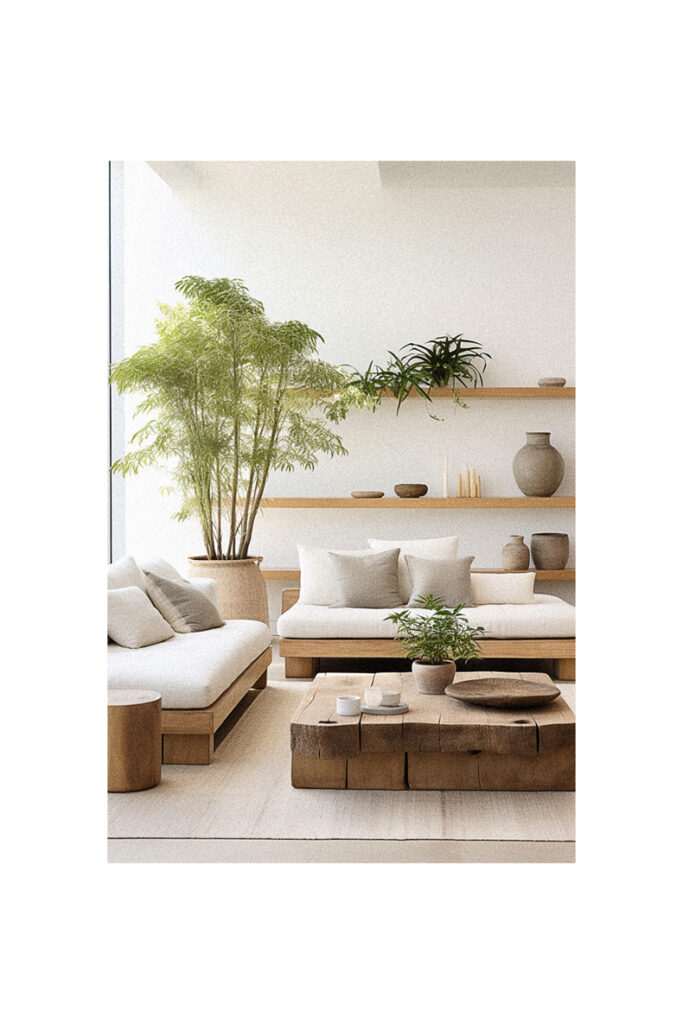
The Rise of Eco-Friendly Home Decor
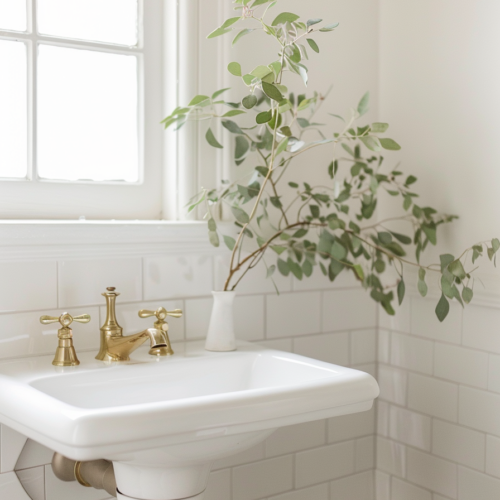
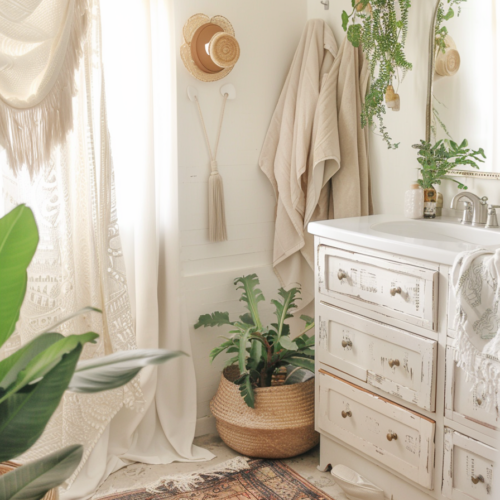
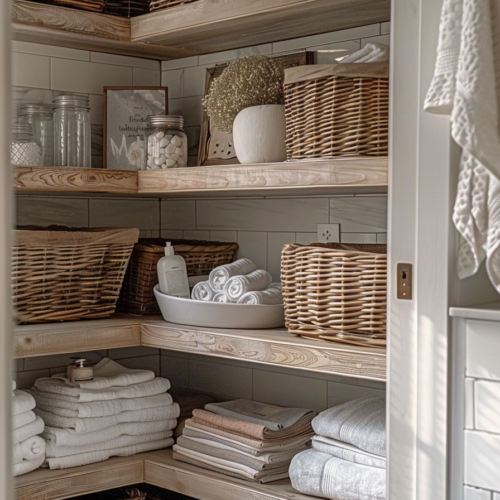
As folks become more mindful of their carbon footprint, there’s been a noticeable surge in the popularity of eco-friendly home decor. This trend is transforming residences into lush, green sanctuaries that are as pleasing to the eye as they are kind to Mother Earth.
You’re no longer stuck with drab, recycled materials, but instead, can choose from a variety of stylish, organic furniture pieces. Modern designers are harnessing the power of sustainable materials like bamboo, cork, and reclaimed wood to create stunning, functional pieces that don’t compromise on style.
You can easily bring a touch of nature into your living space while minimizing waste and reducing harmful emissions. So, why not join the green revolution? With eco-friendly home decor, you’re not just designing a home, you’re shaping a better future.
Benefits of Choosing Natural Materials
Choosing natural materials for your home decor is like opting for a breath of fresh air in an urban jungle. It rejuvenates your living space with its inherent beauty and timeless charm. By choosing natural materials, you’re not just enhancing your home aesthetic, you’re also contributing to the betterment of the environment. Natural materials are eco-friendly, reducing the demand for synthetic products that harm our planet. They’re durable, resist wear and tear, and offer long-term value for your investment.
Tips for Incorporating Green Furnishings into Your Space
You can easily weave the essence of nature into your living space by opting for green furnishings. Imagine a lush green velvet couch or a beautiful bamboo coffee table, instantly breathing life into your room while staying eco-friendly.
Start by choosing furniture from renewable materials like bamboo, cork, or reclaimed wood. You’ll create a rustic chic aesthetic and reduce your carbon footprint.
Next, consider upholstery. Opt for organic cotton or wool; they’re both sustainable and hypoallergenic. You can even accent with throw pillows made from recycled materials.
Lastly, don’t forget about lighting. LED lights consume less energy and last longer than traditional bulbs. So, you’re not just decorating, you’re doing your bit for the planet, too.
With these tips, your home will be a green oasis in no time.
Conclusion
So, you’re considering a switch to organic furniture?
Imagine the charm of natural materials juxtaposed with the elegance of your modern home.
This fusion not only enhances aesthetics but also promotes a healthier lifestyle and a greener planet.
Don’t just follow trends, be a trendsetter.
Embrace organic furniture today for the love of style and sustainability.