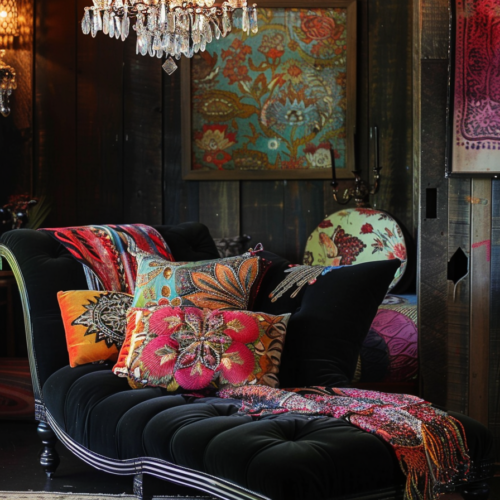
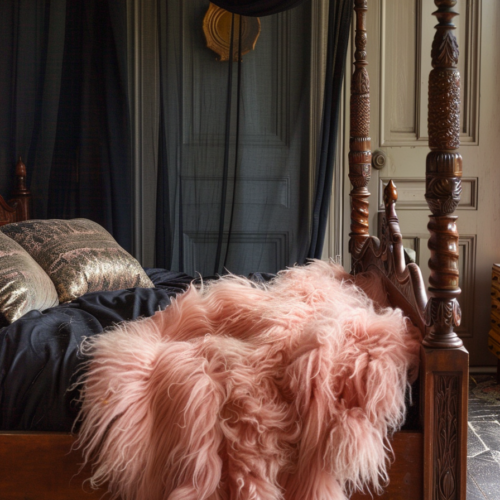
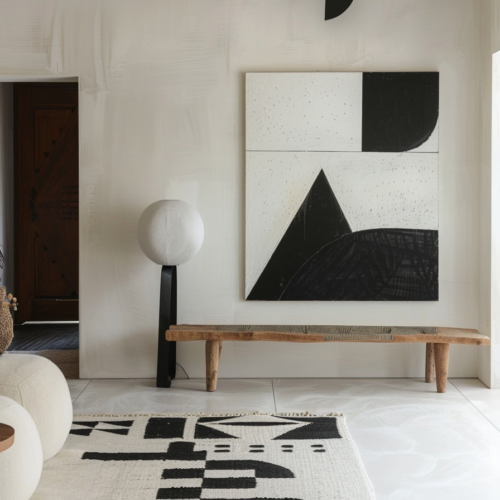
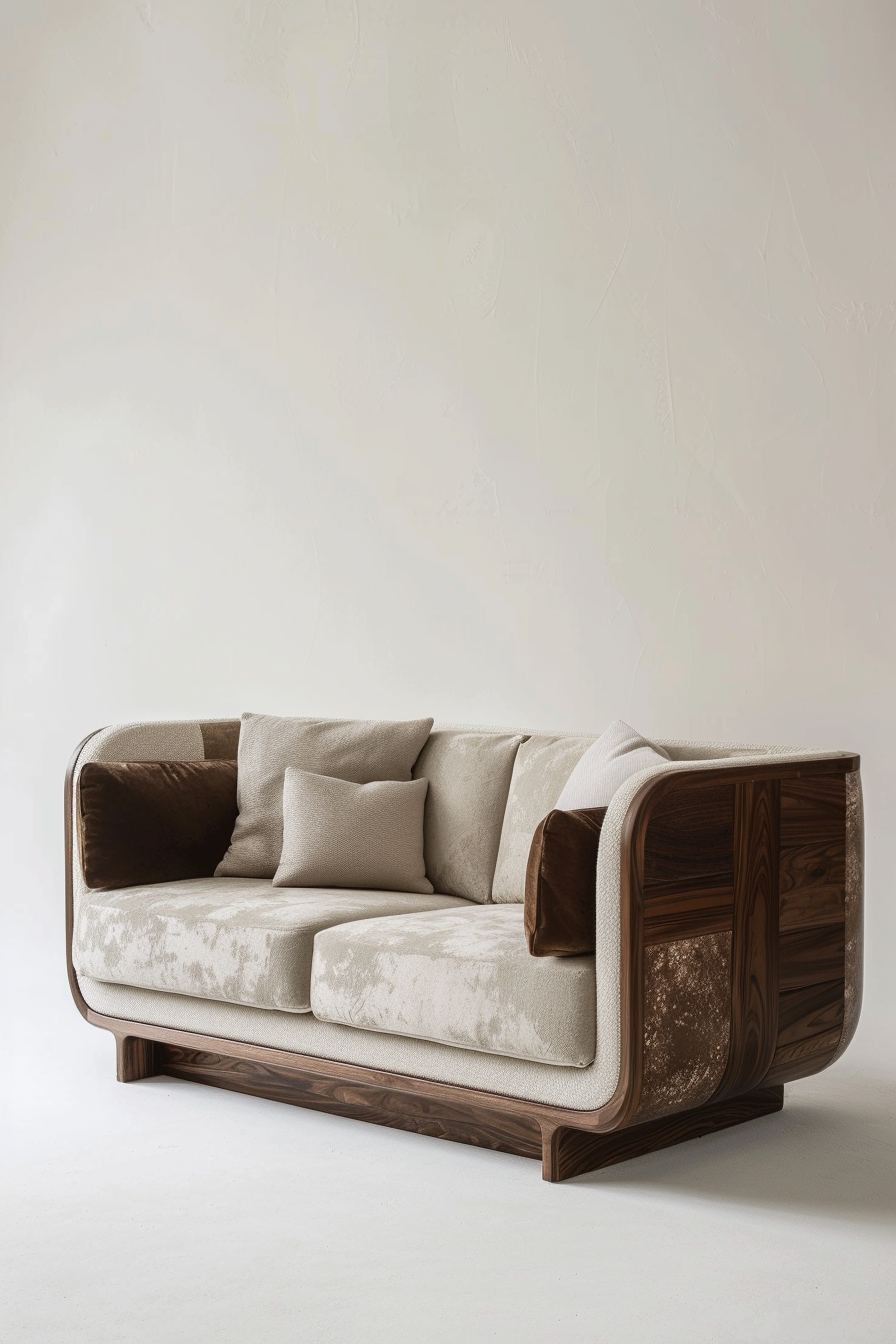
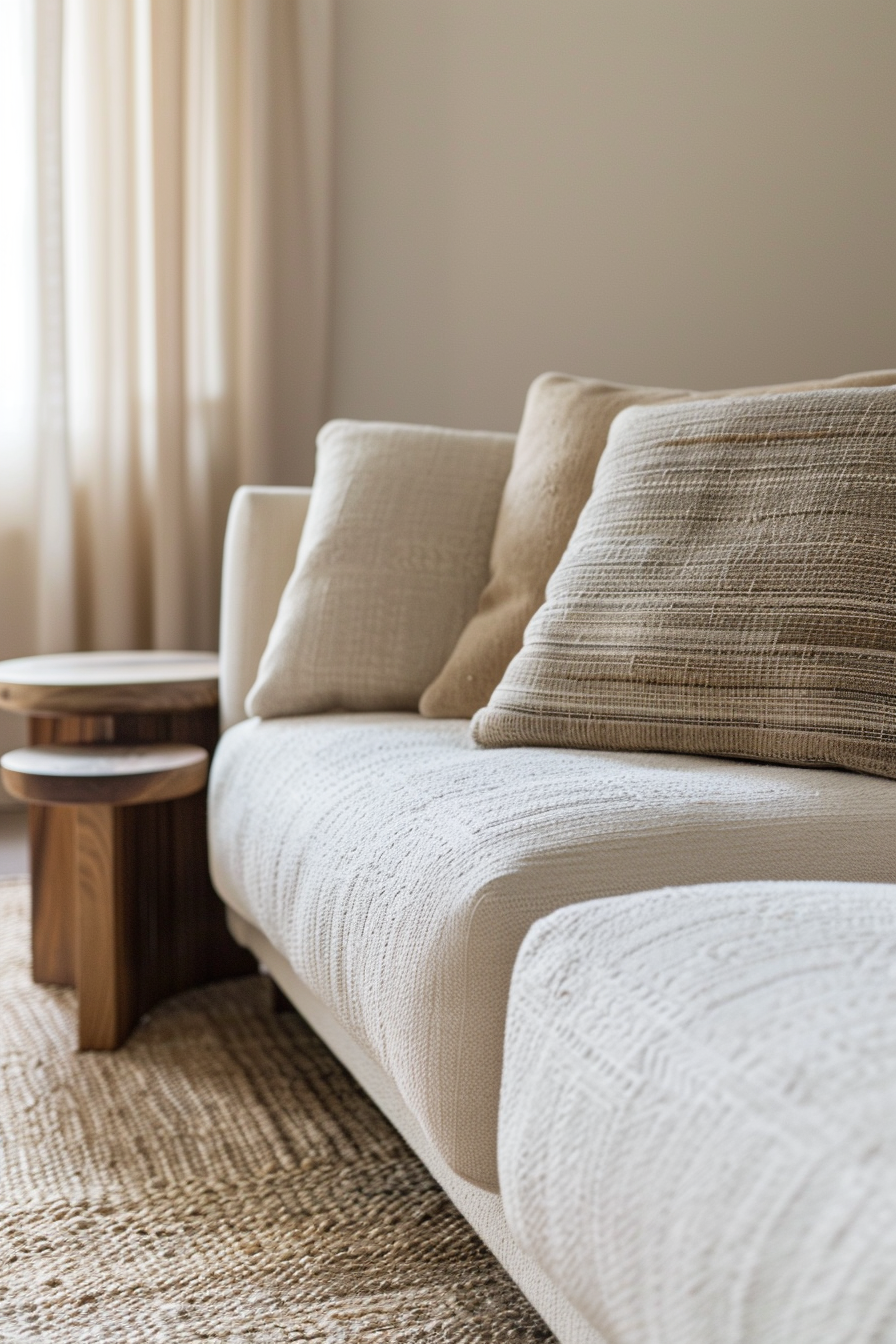
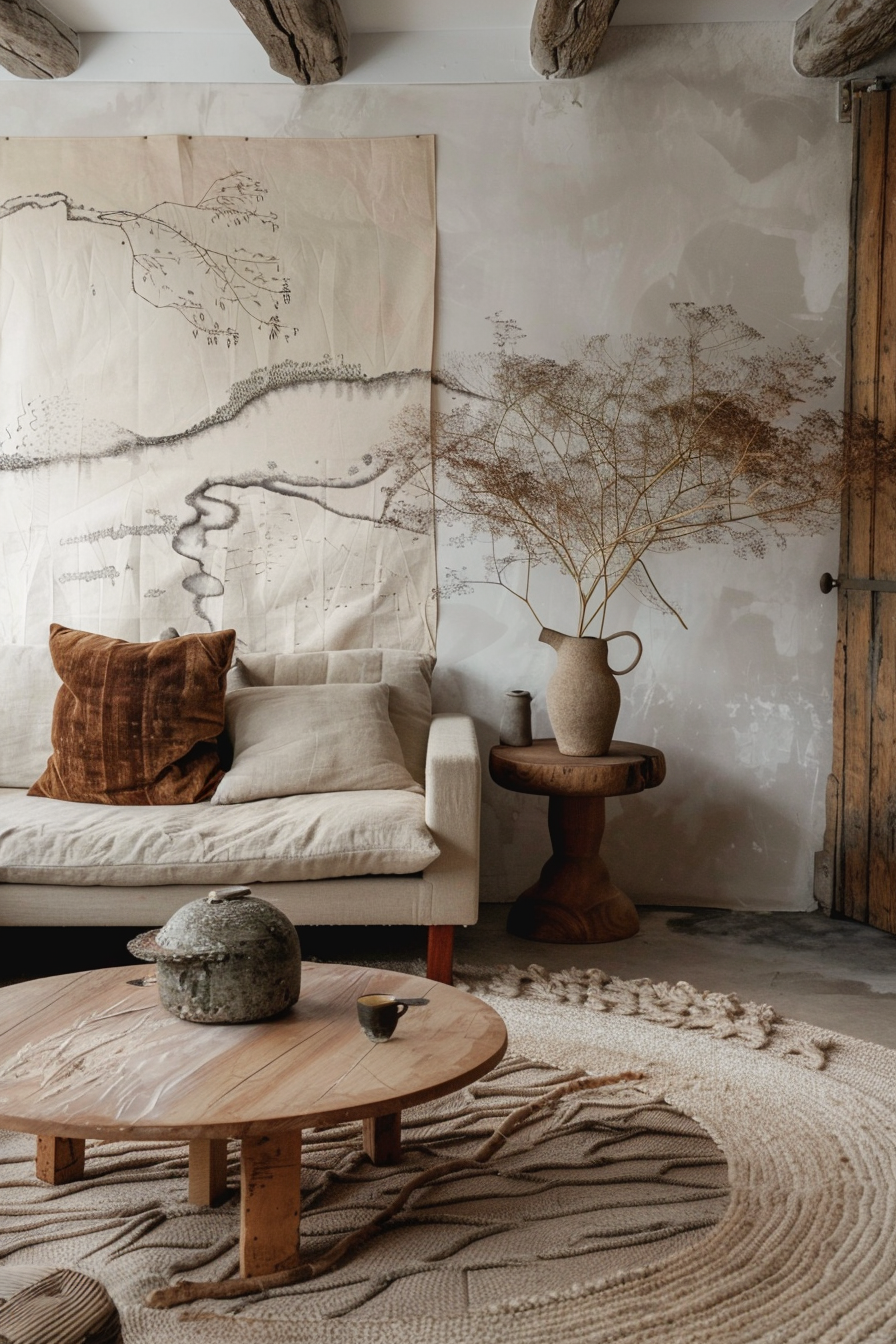
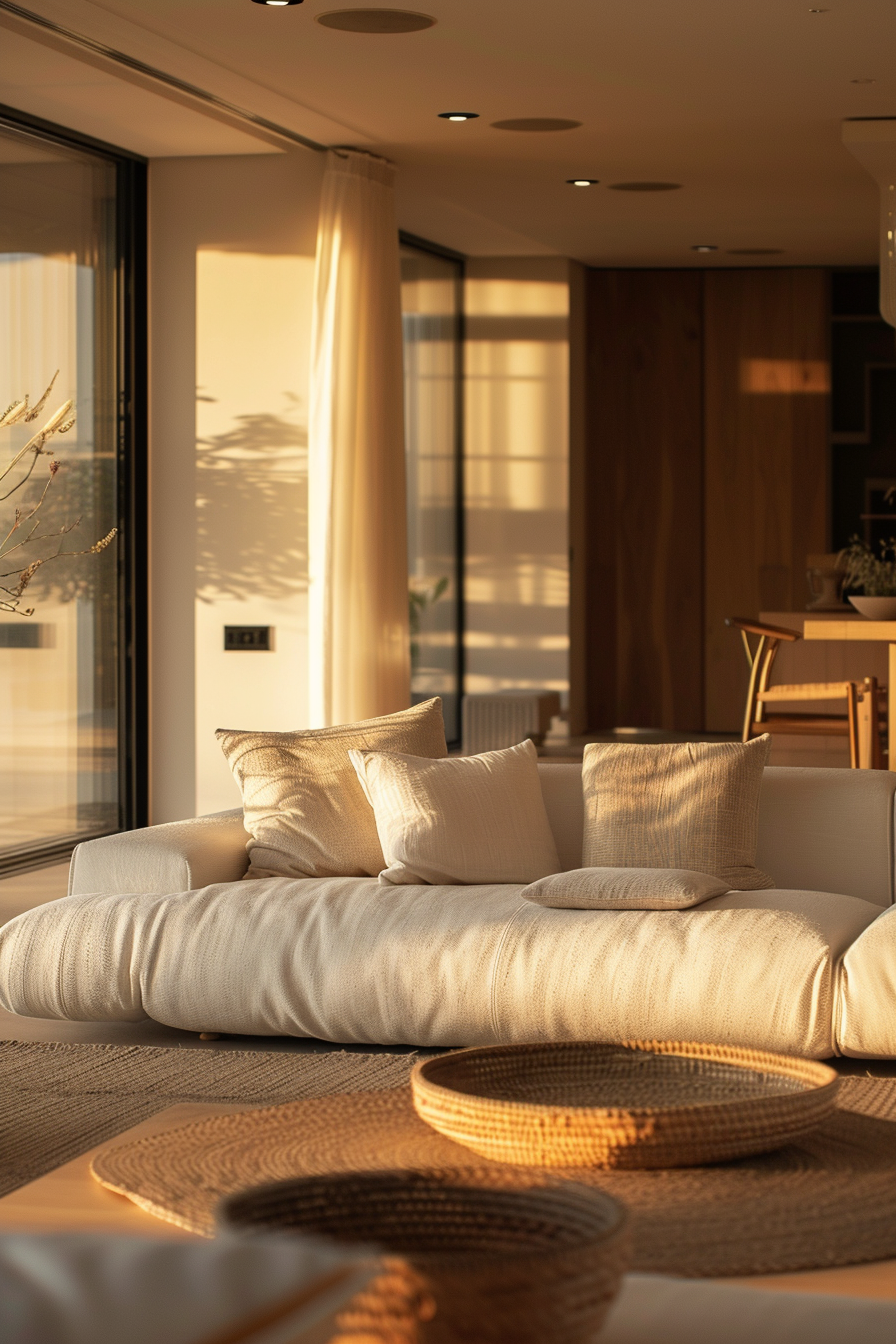
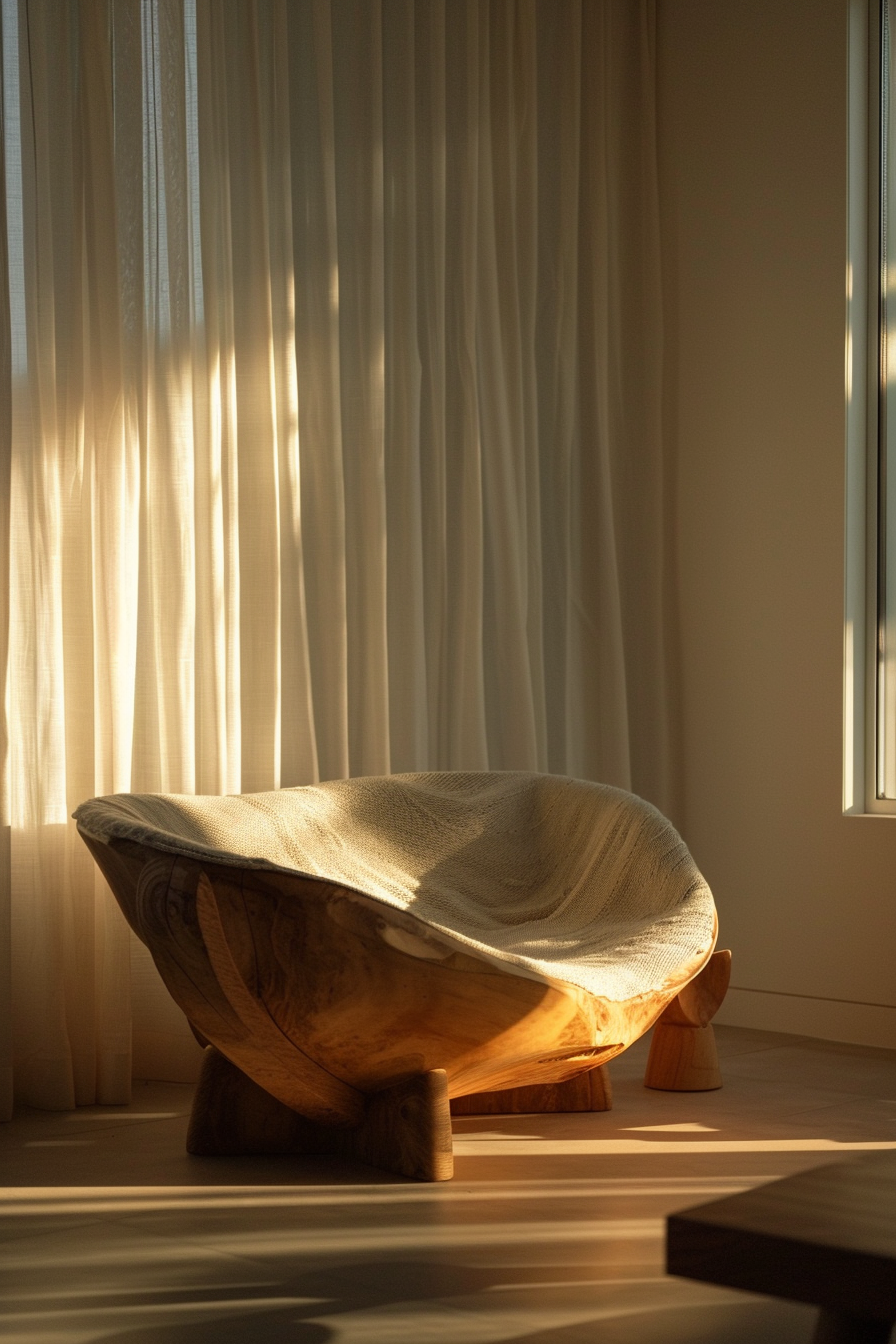
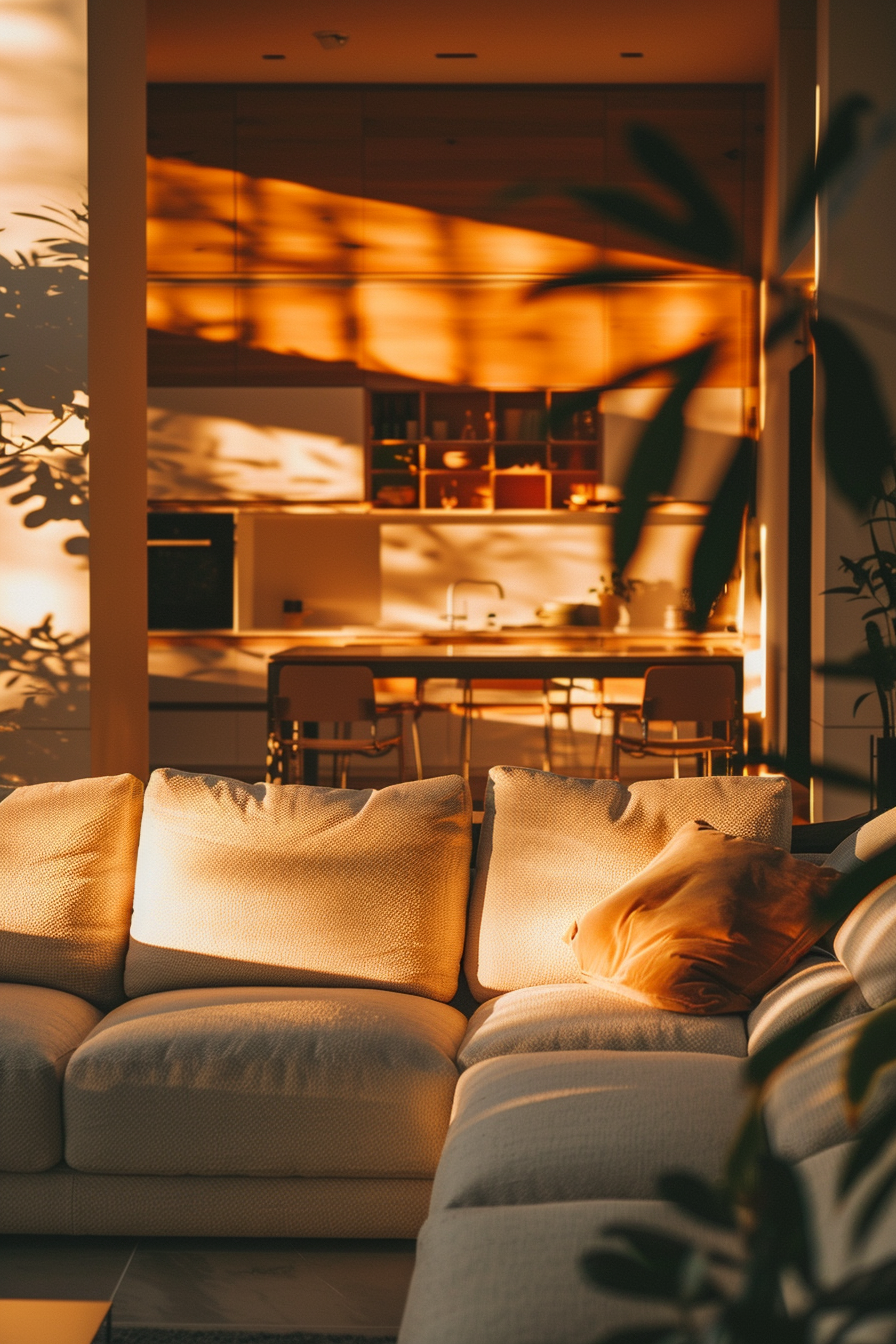
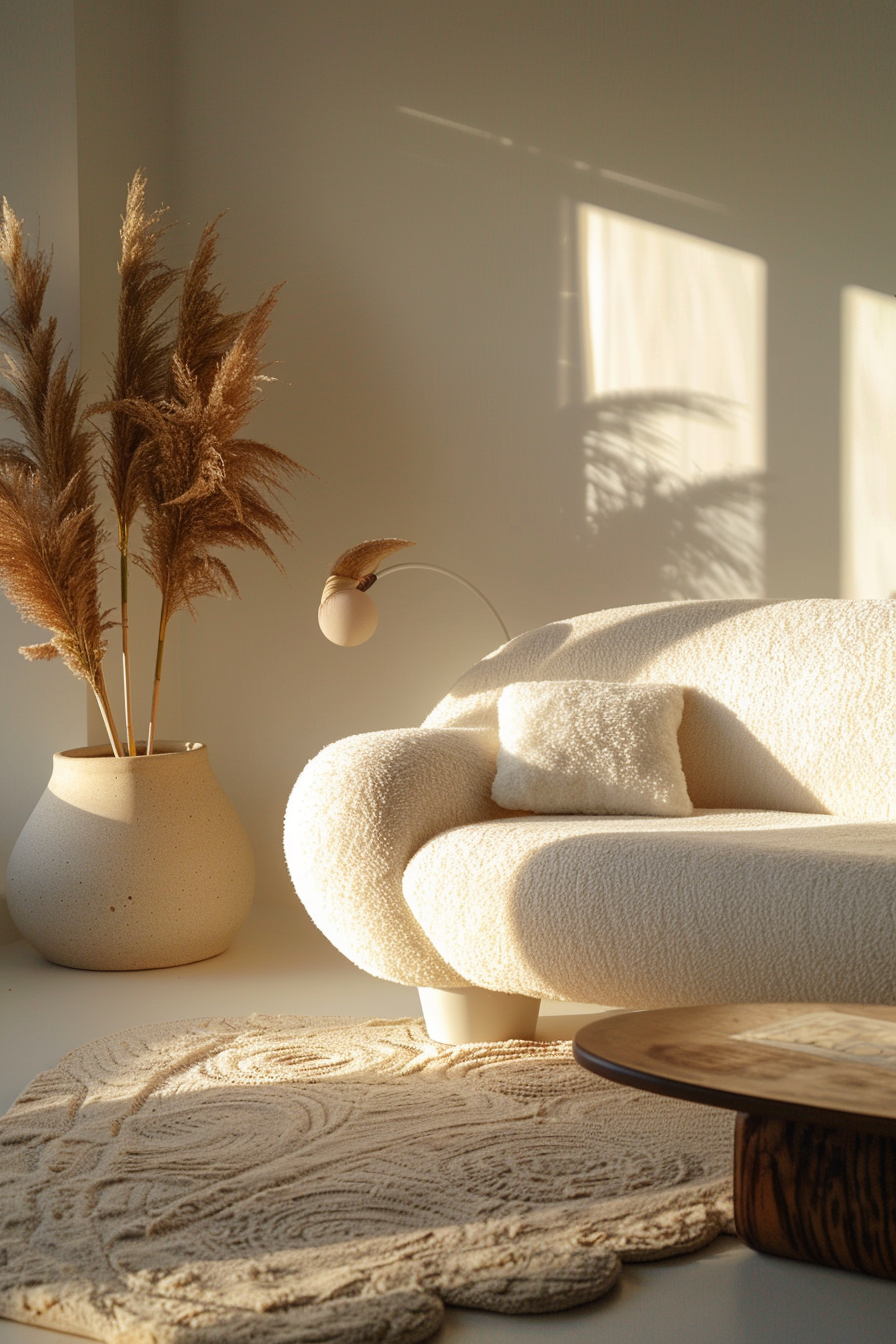
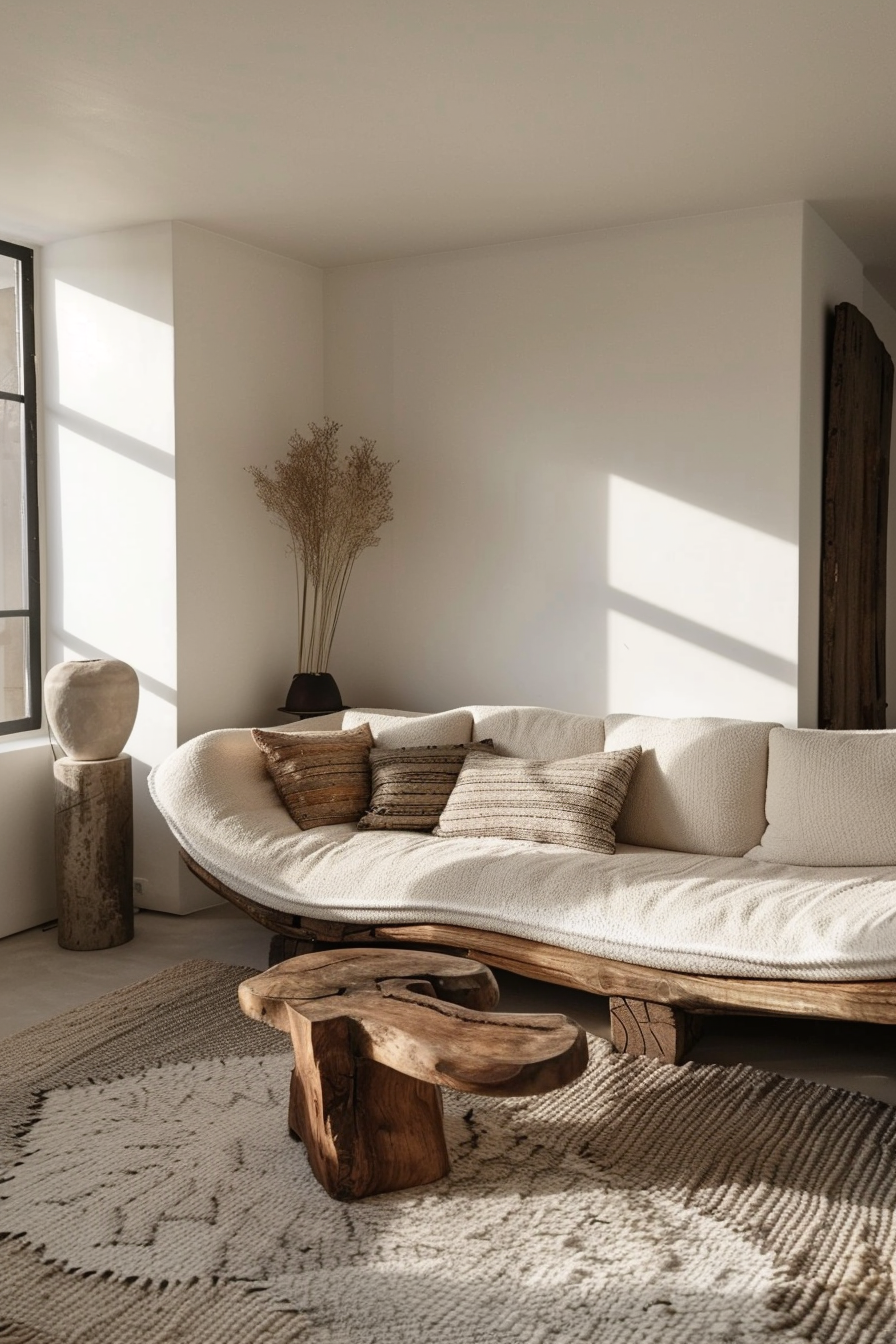
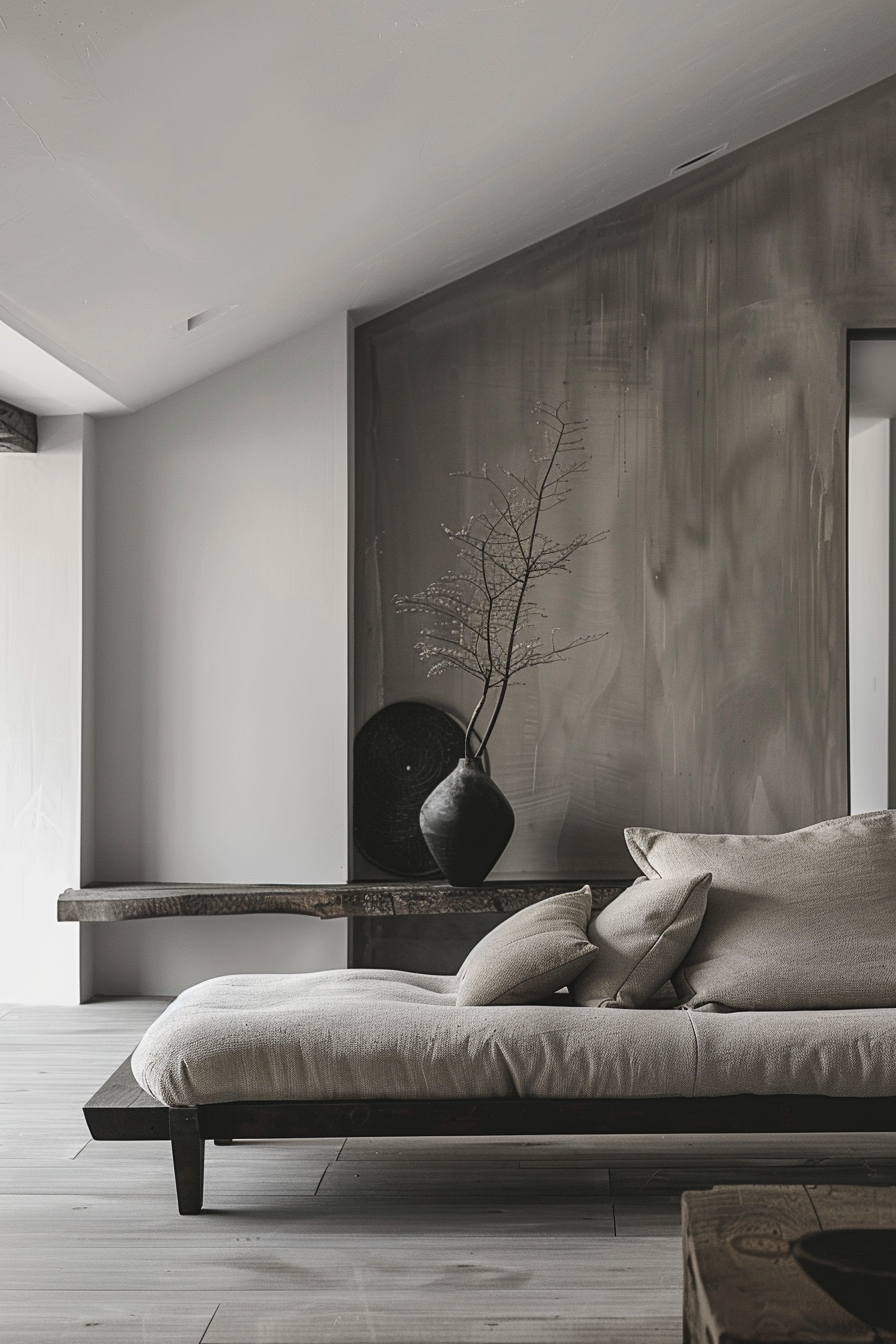
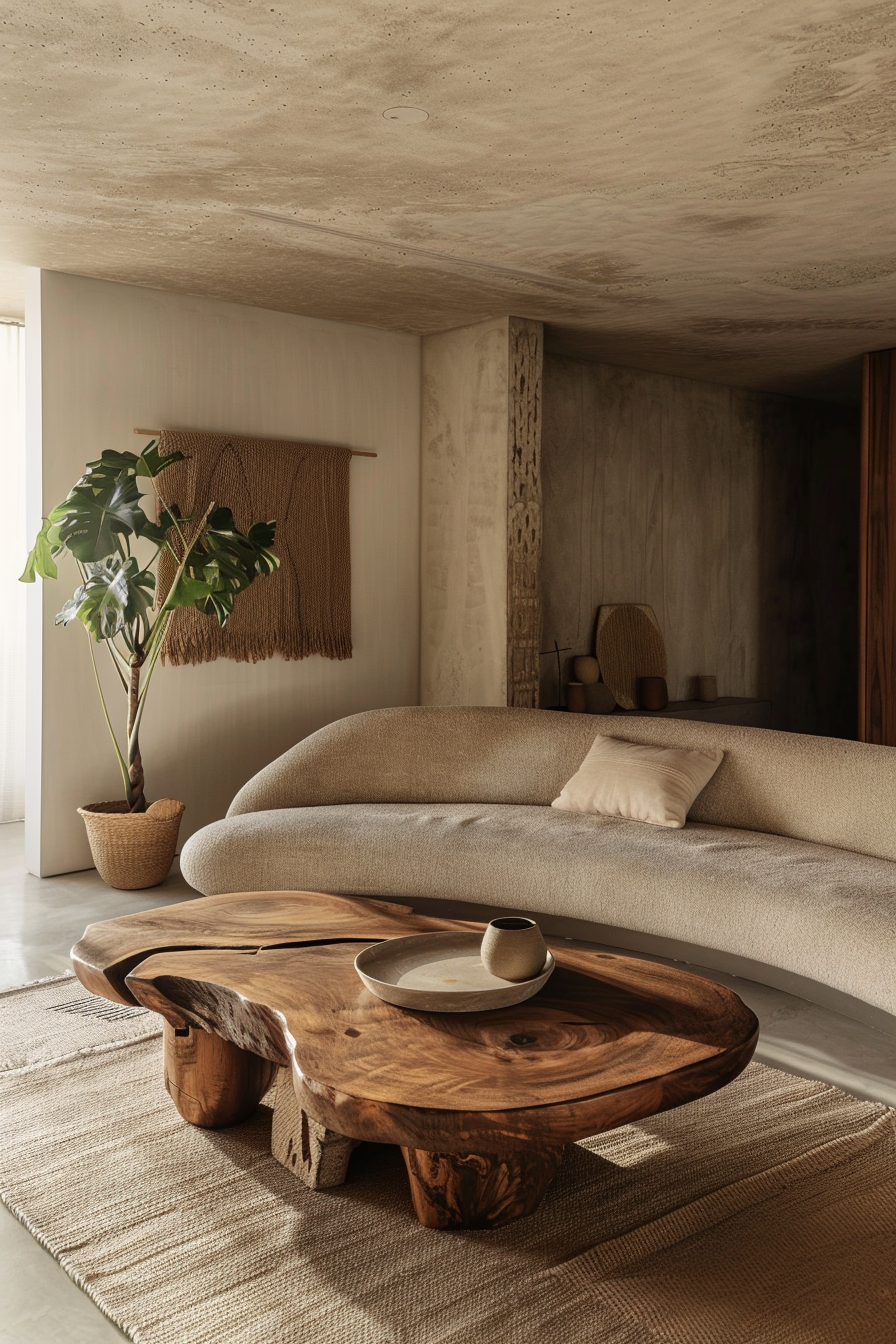
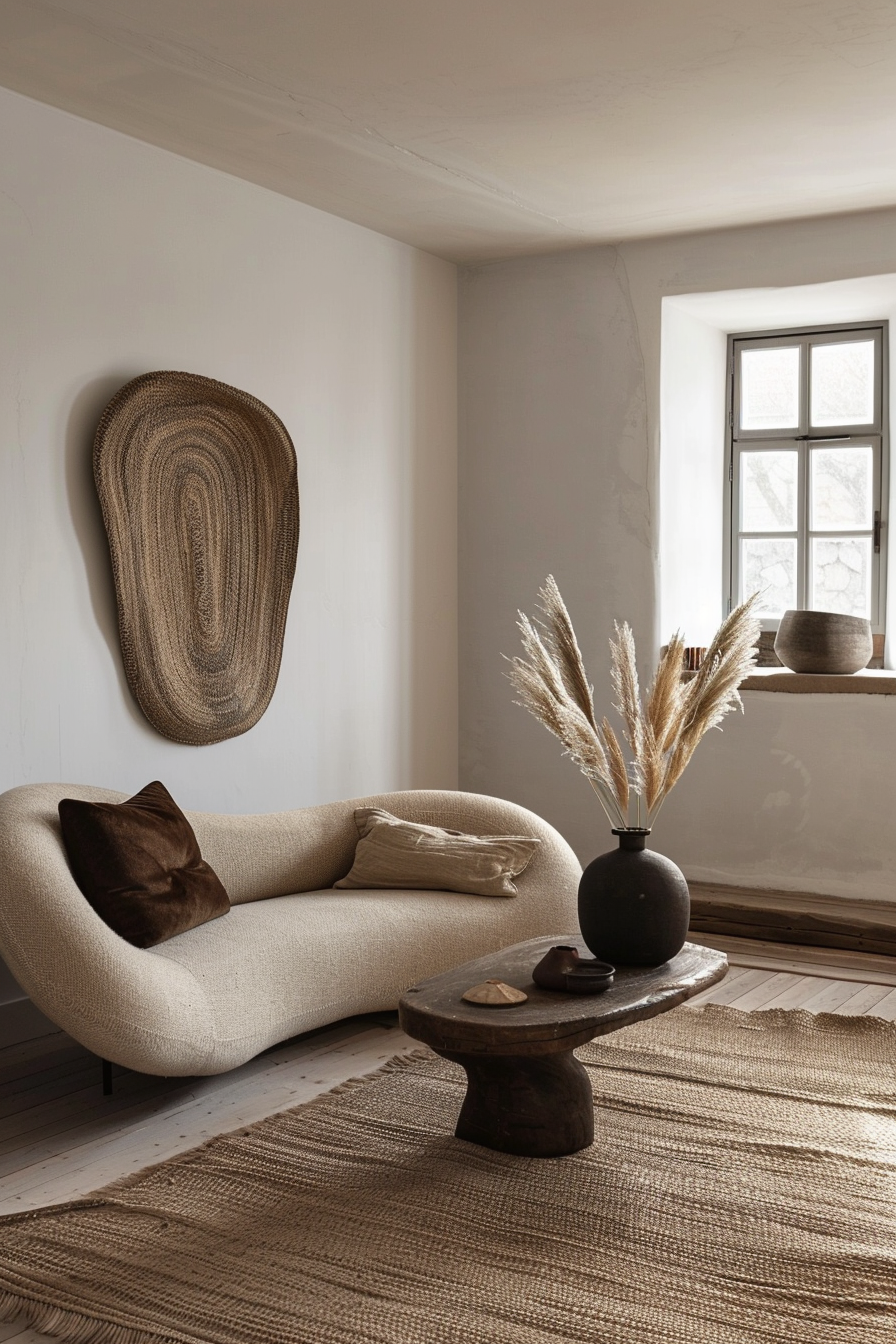
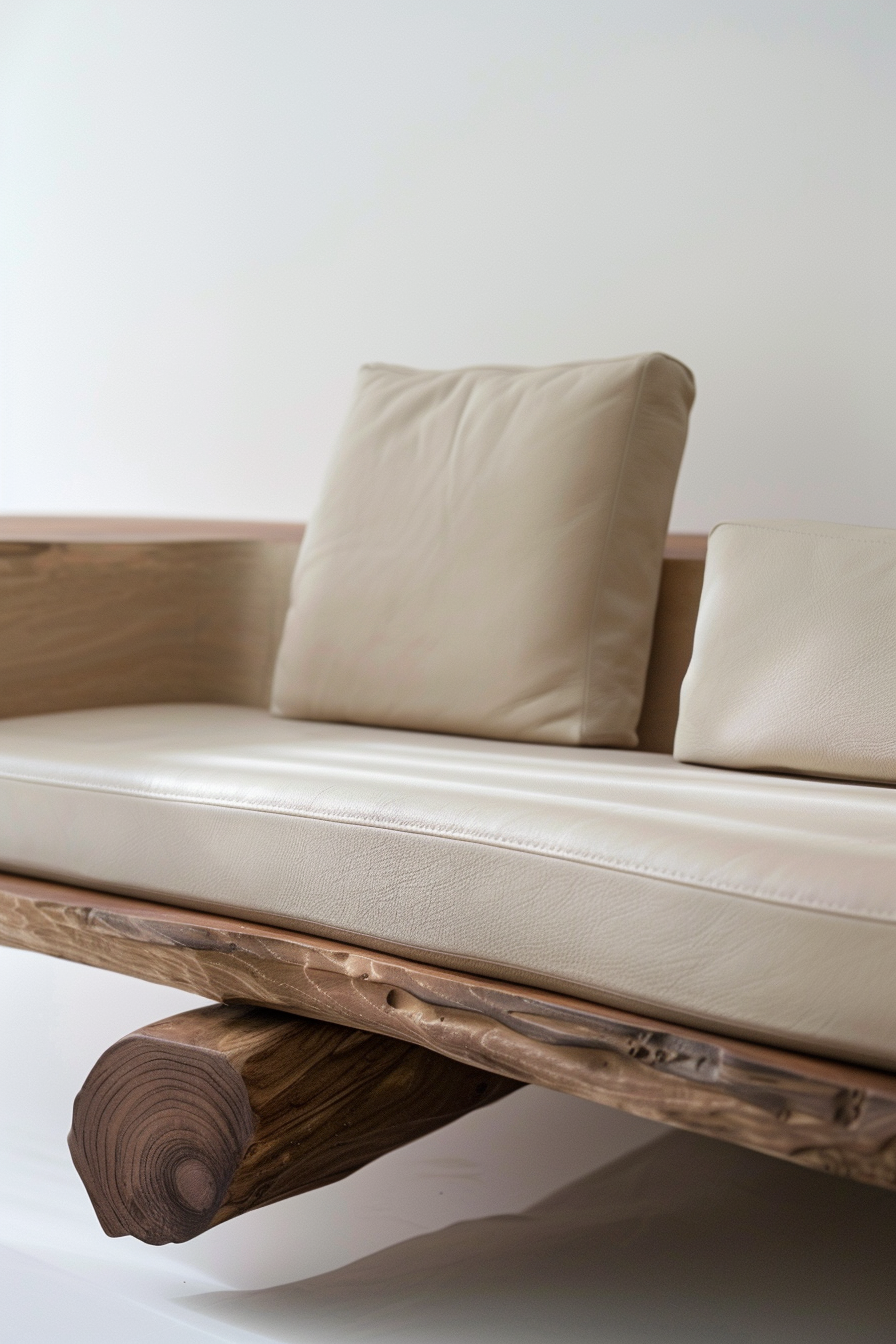
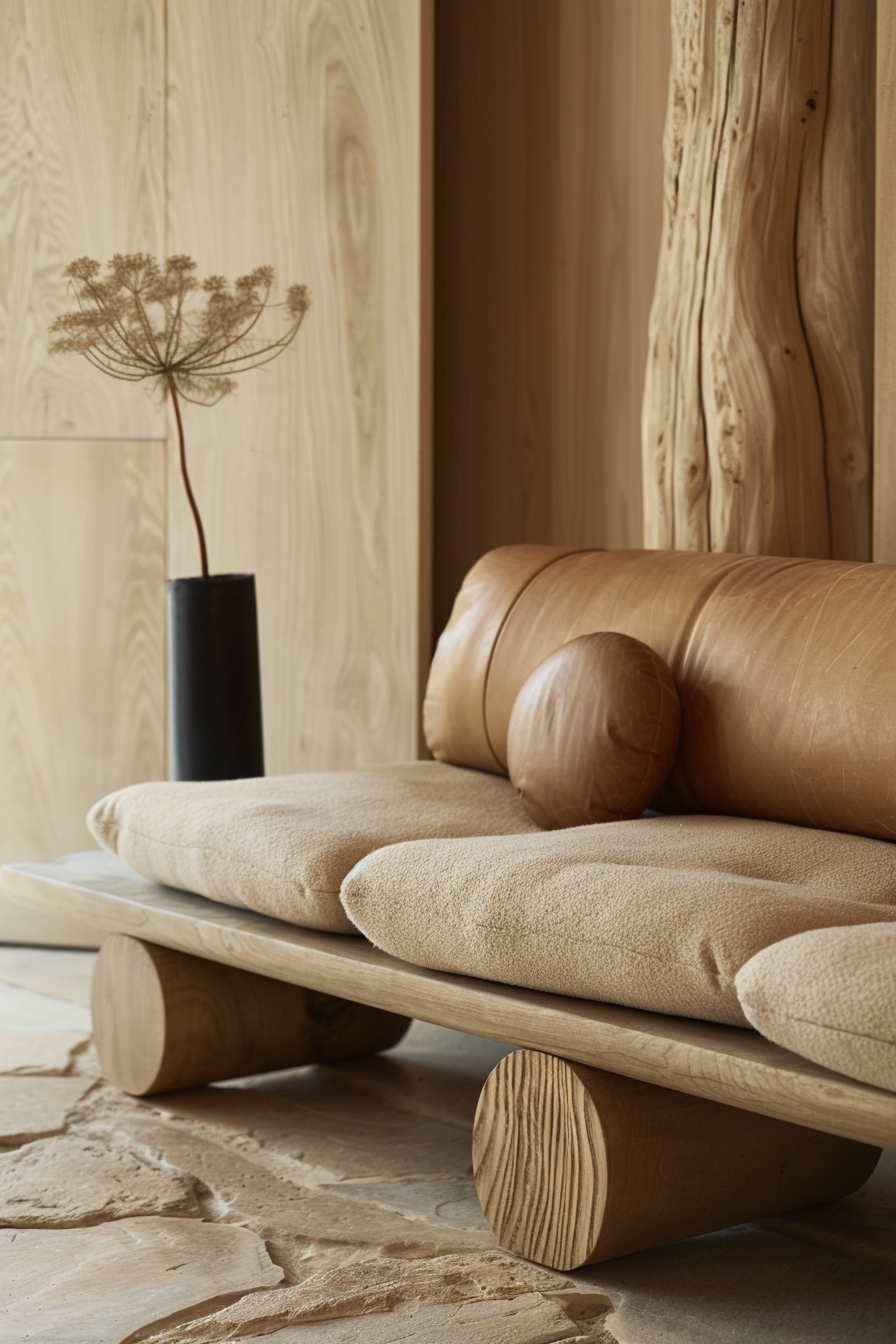
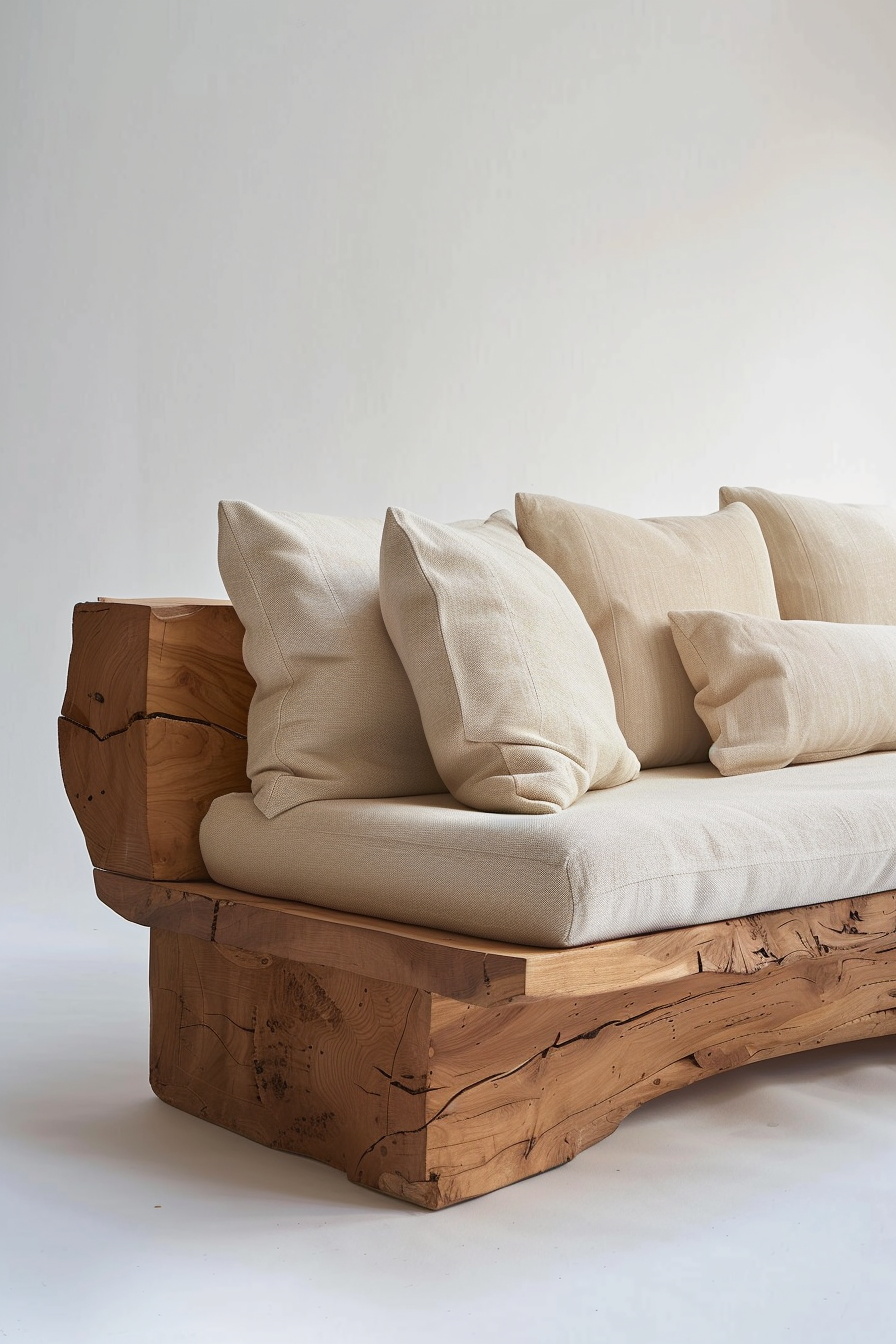
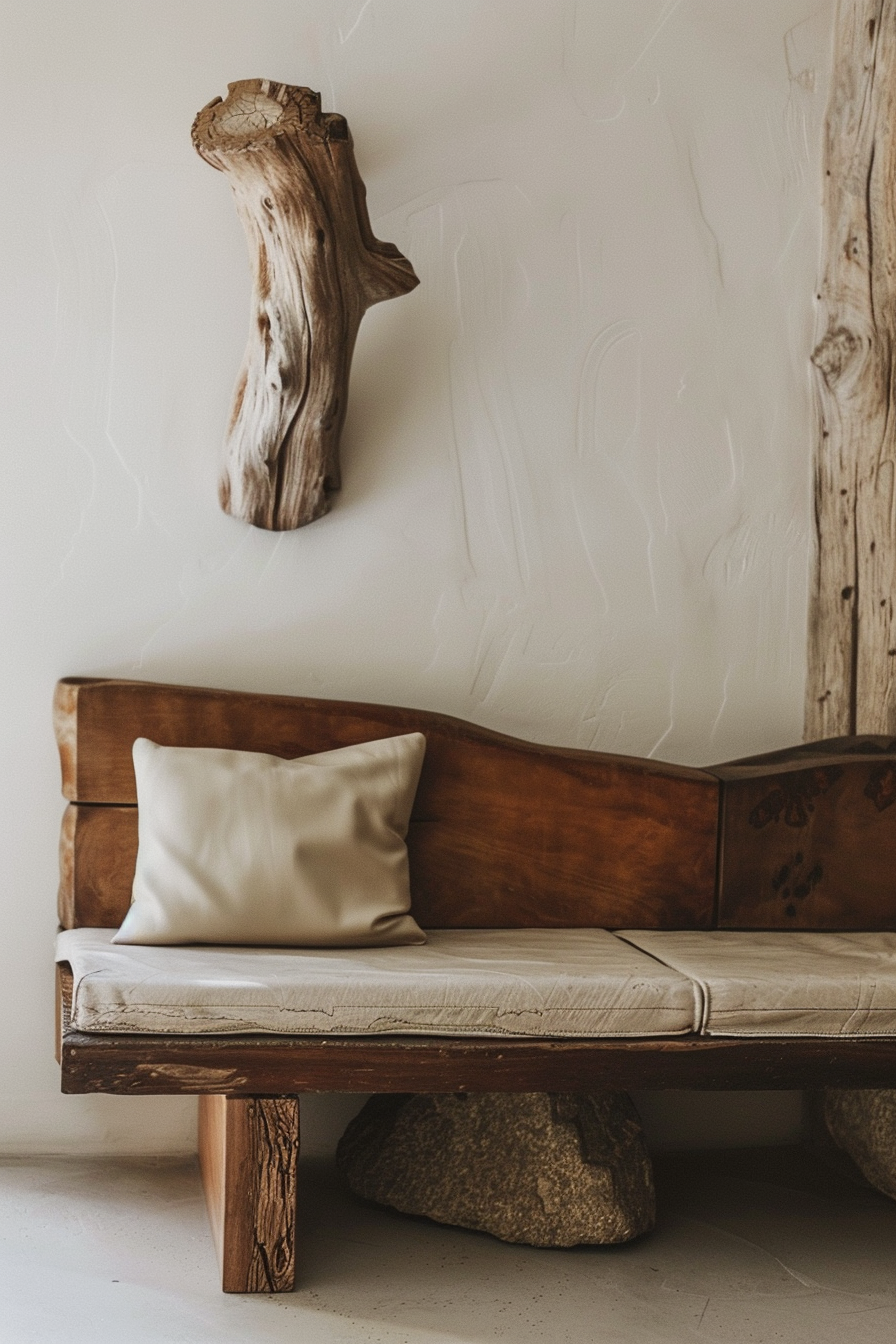
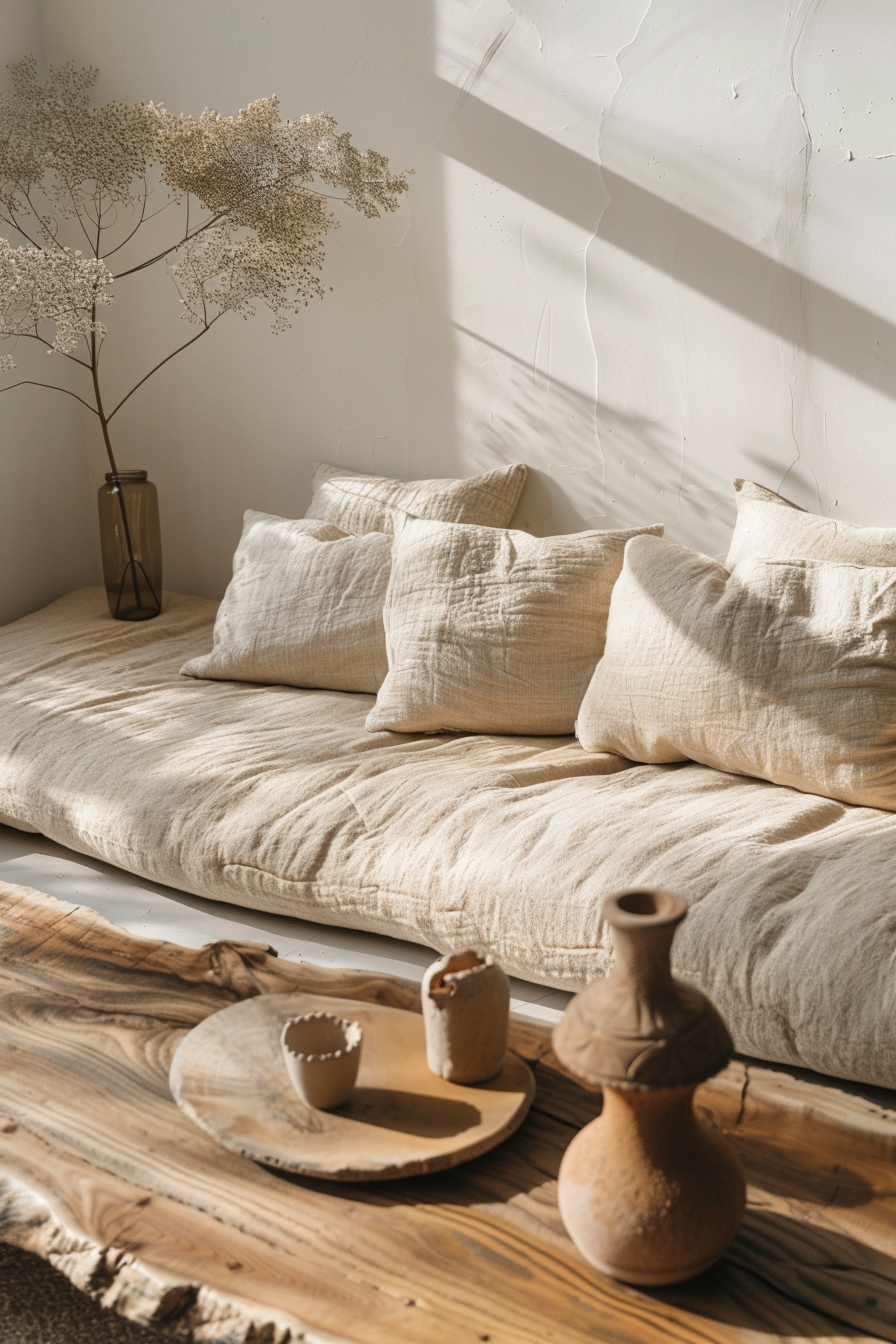
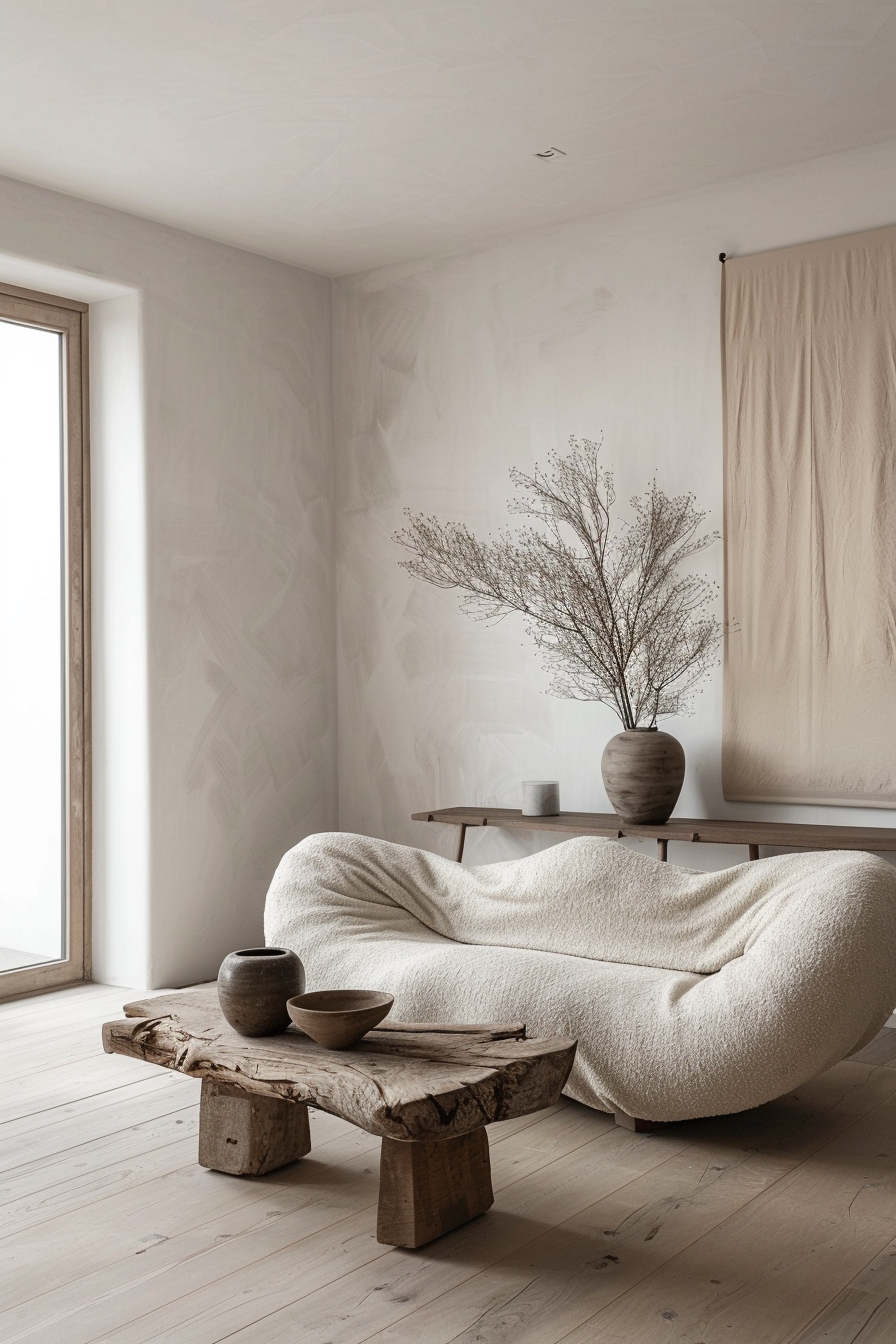
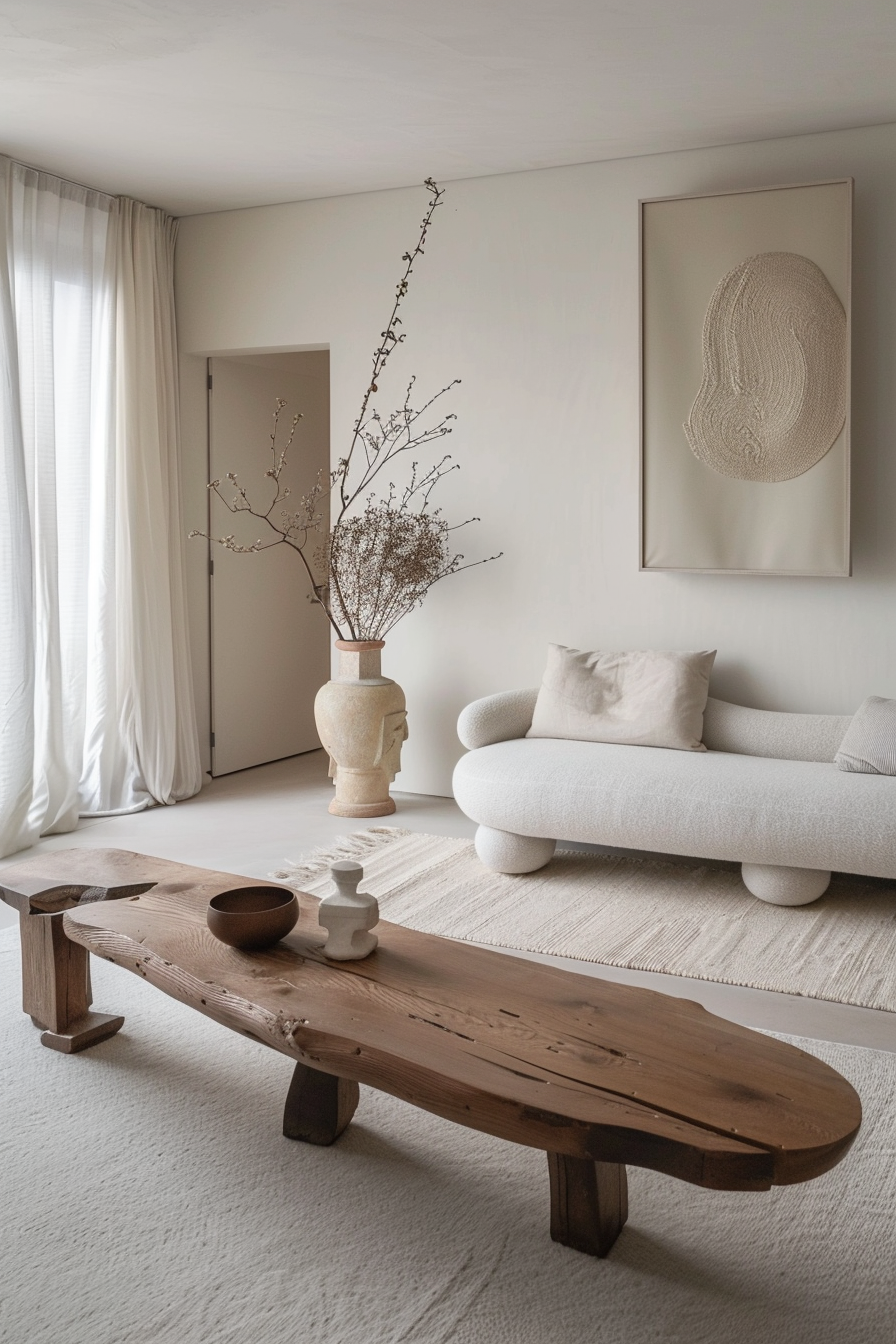
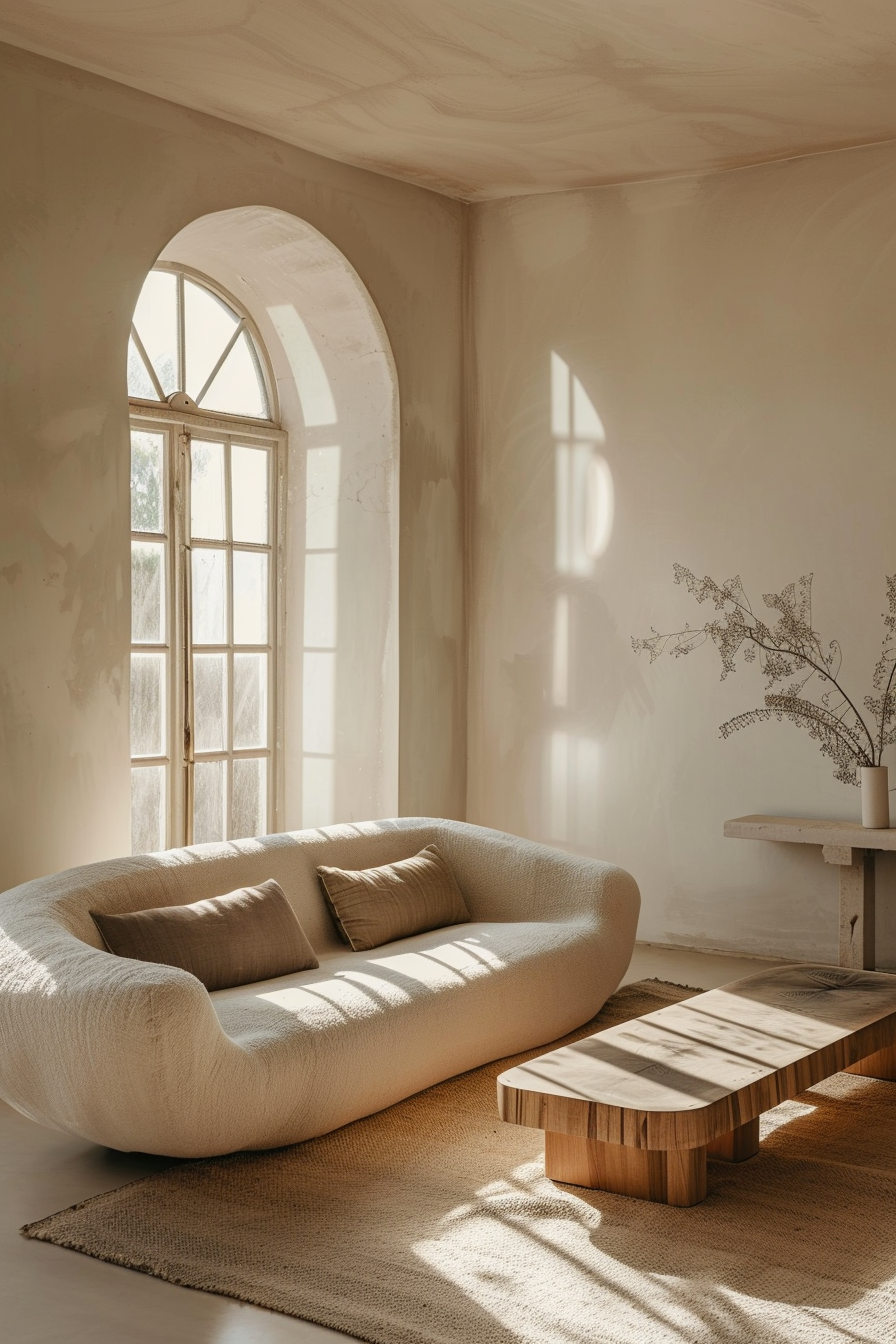
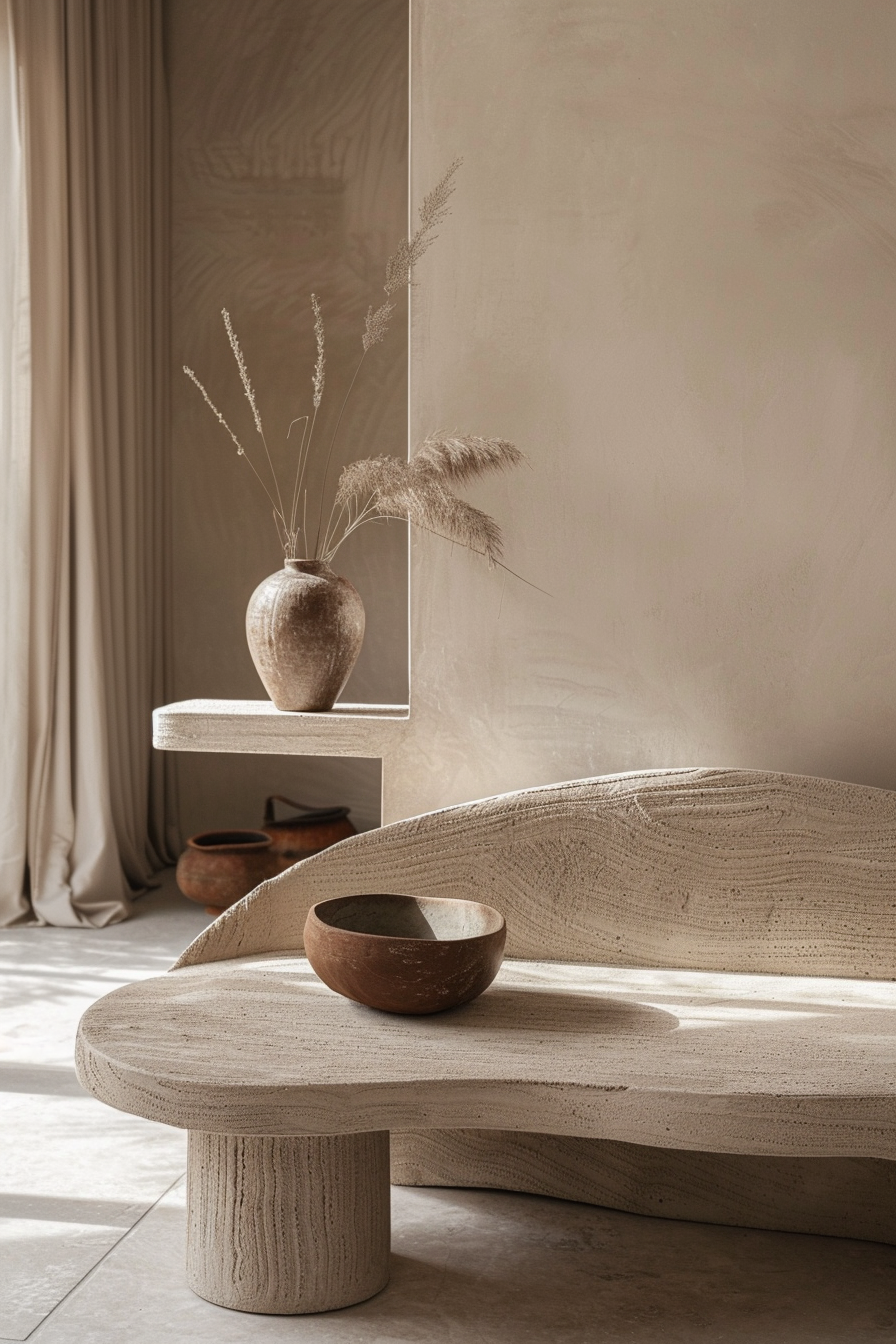
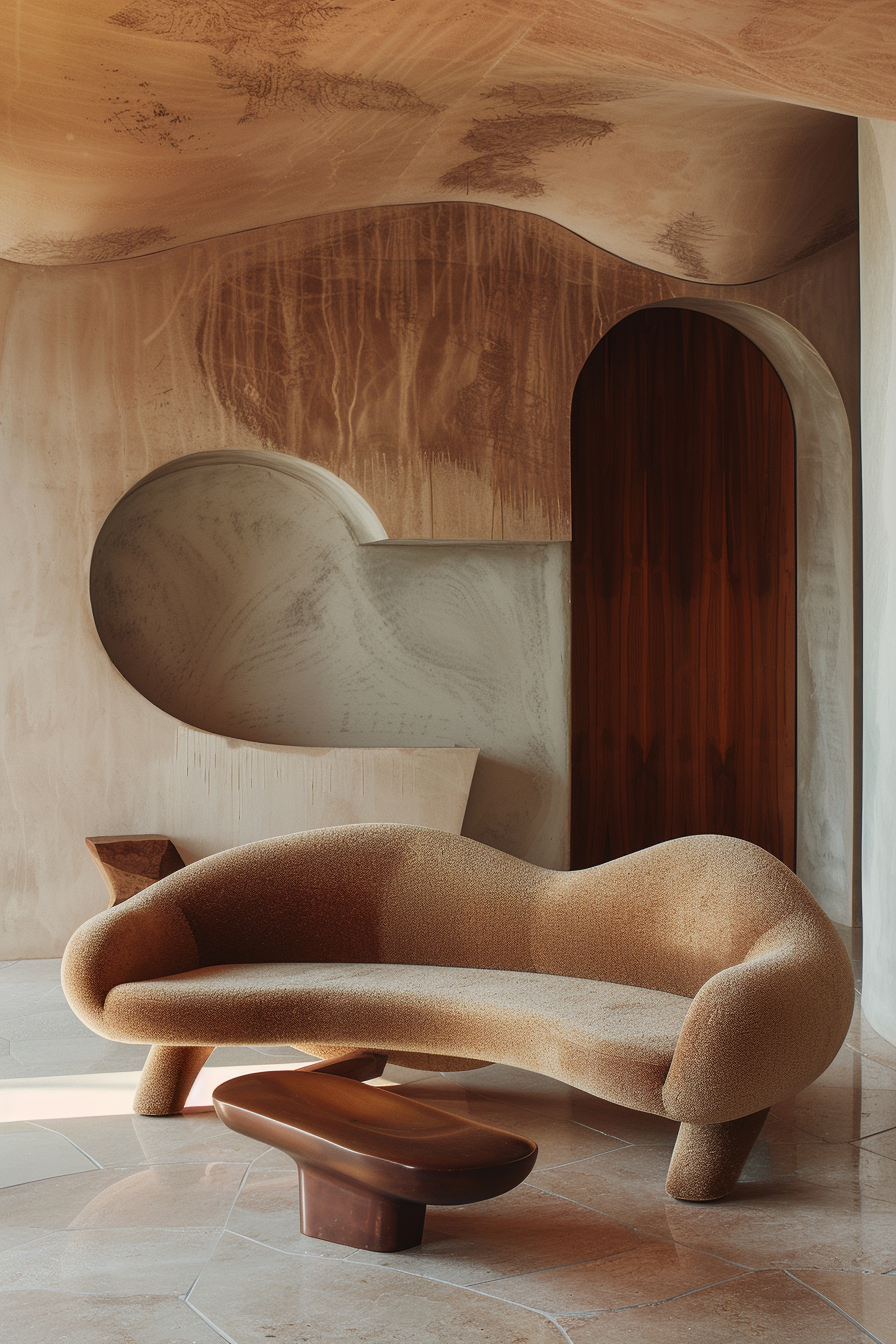
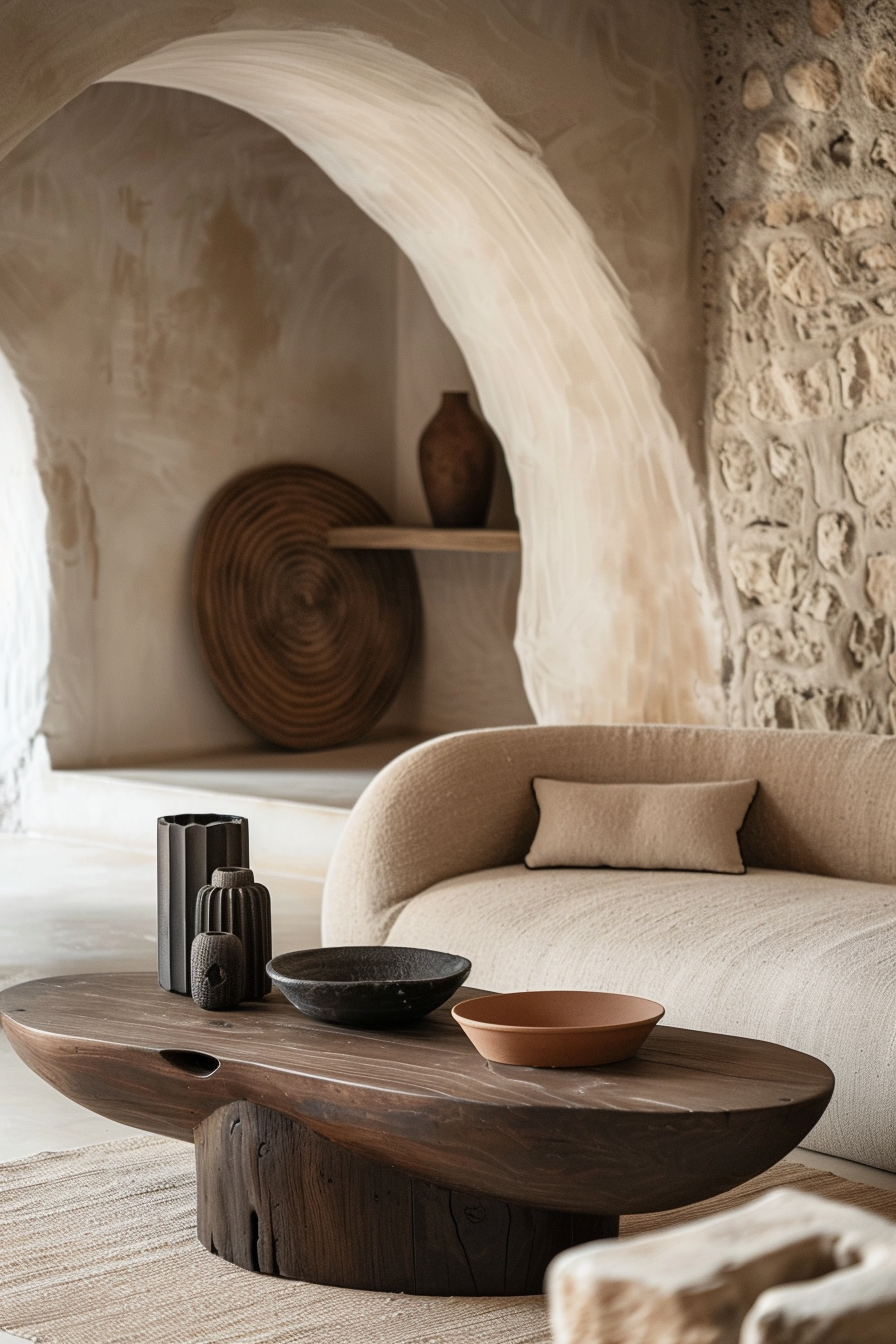
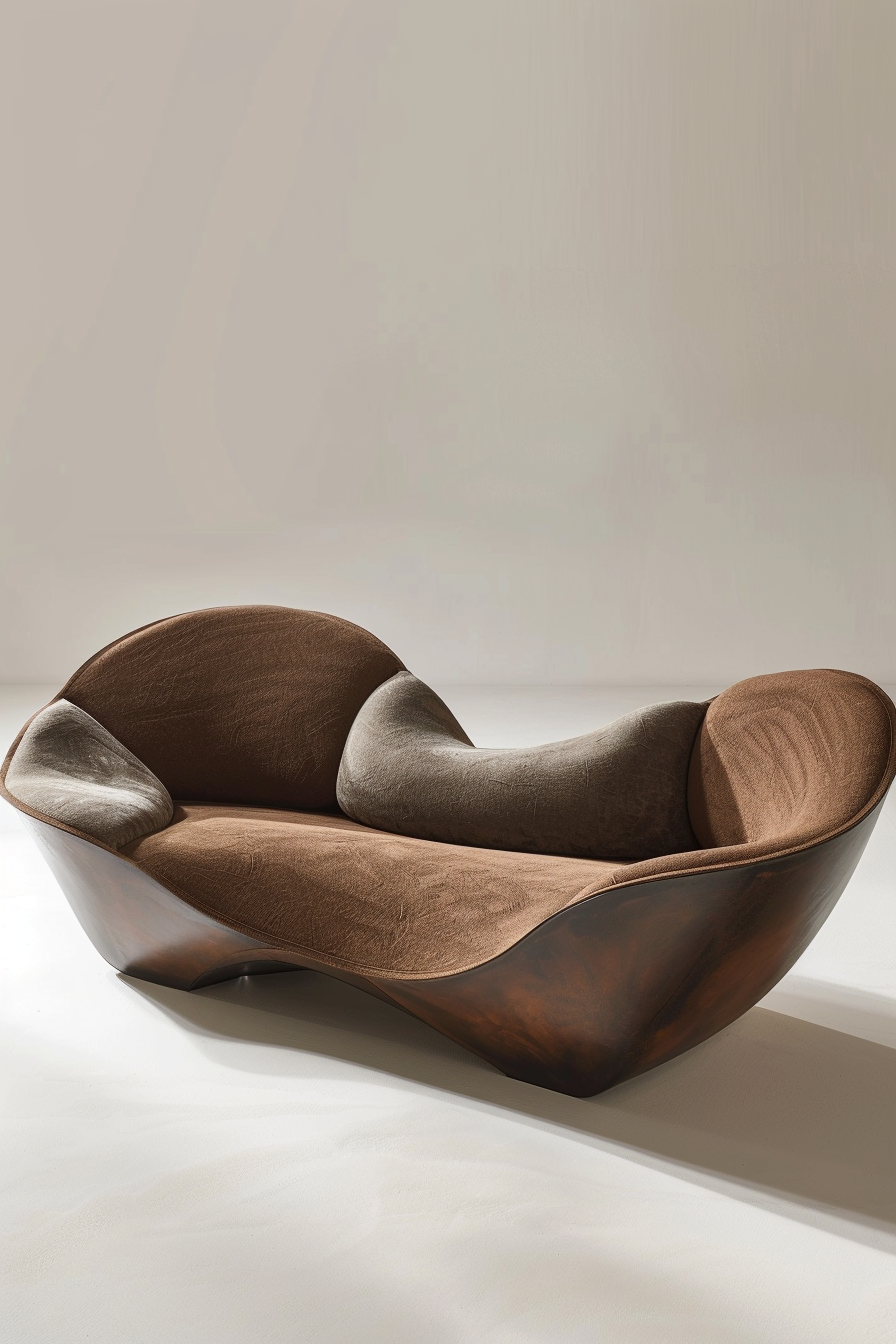
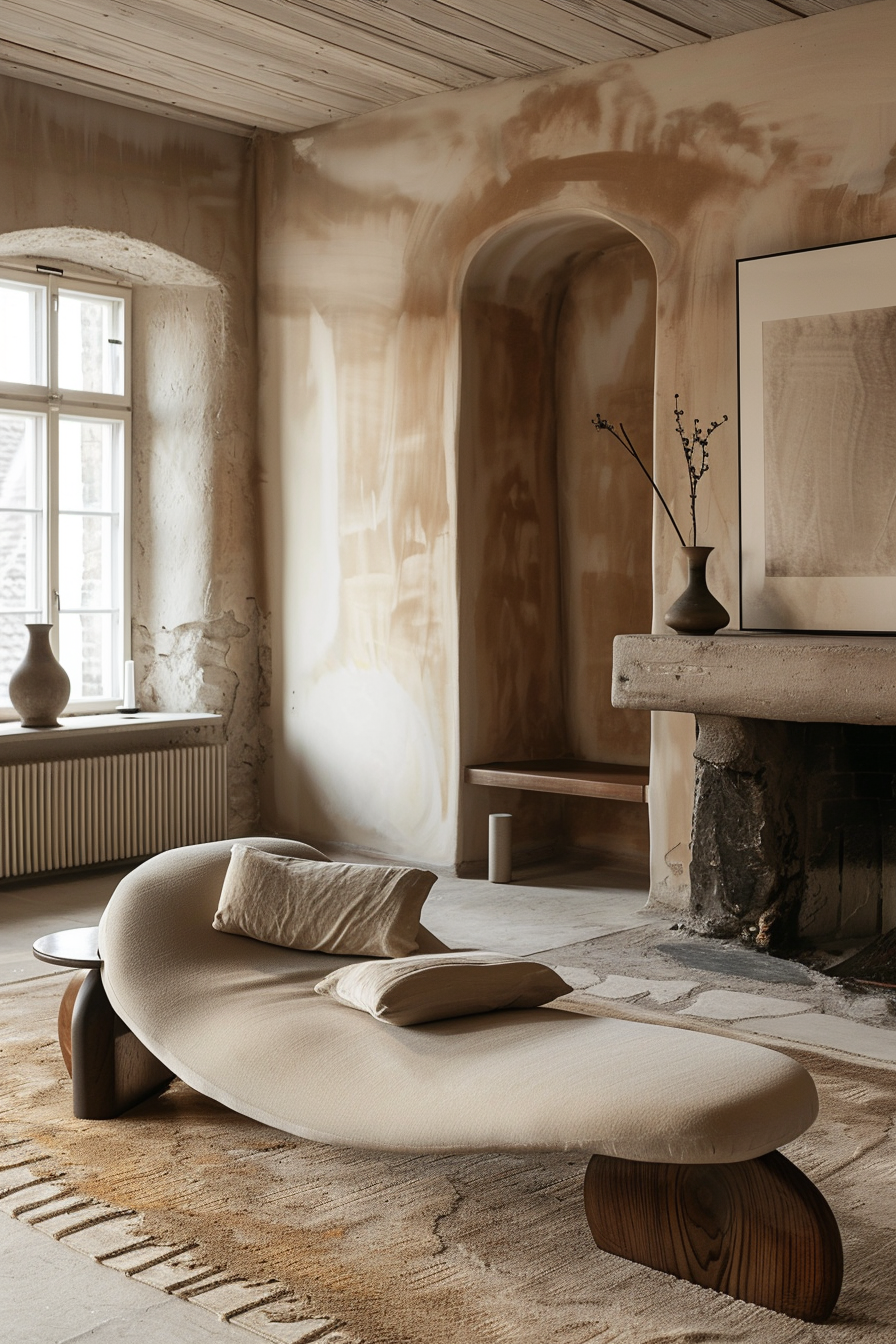
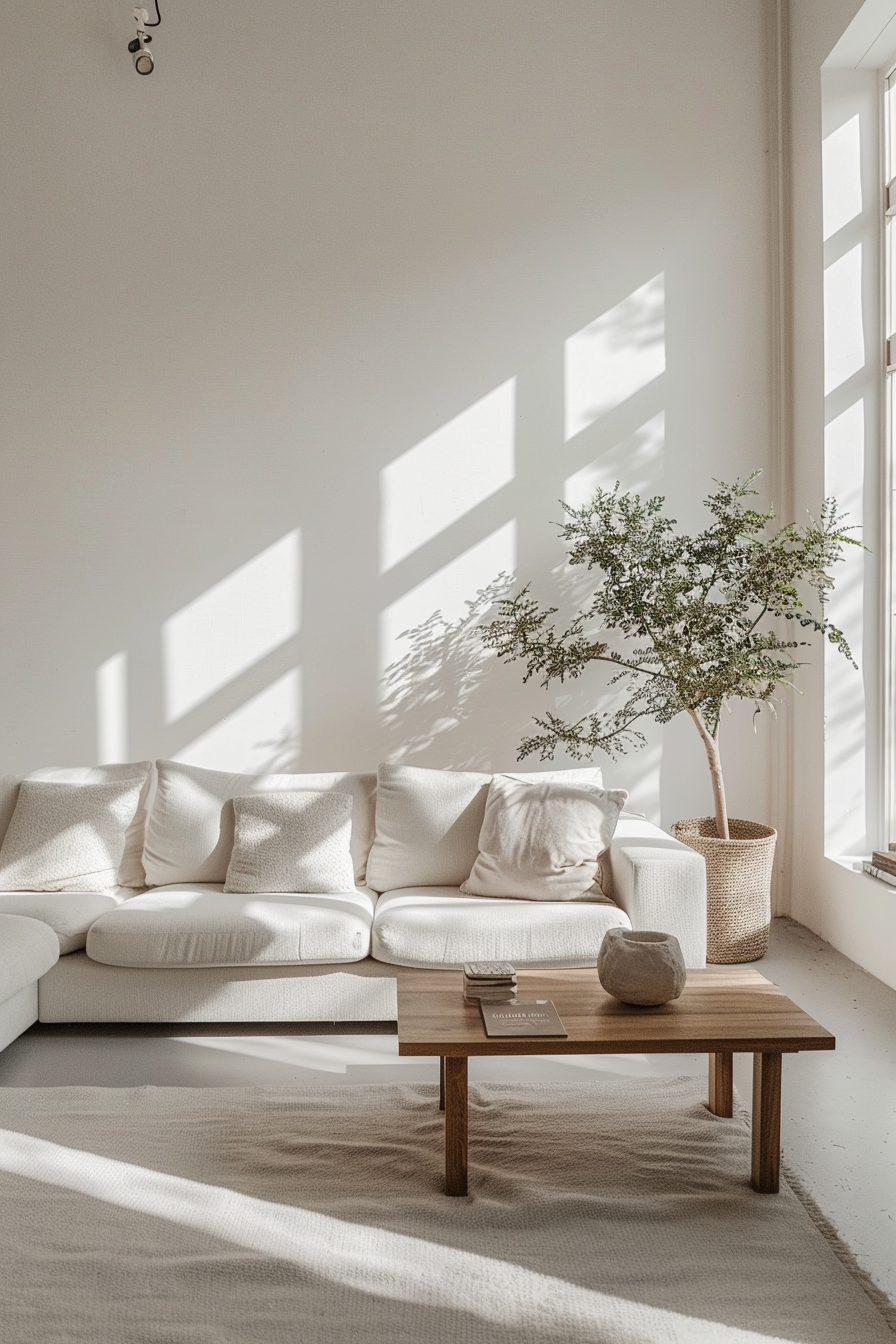
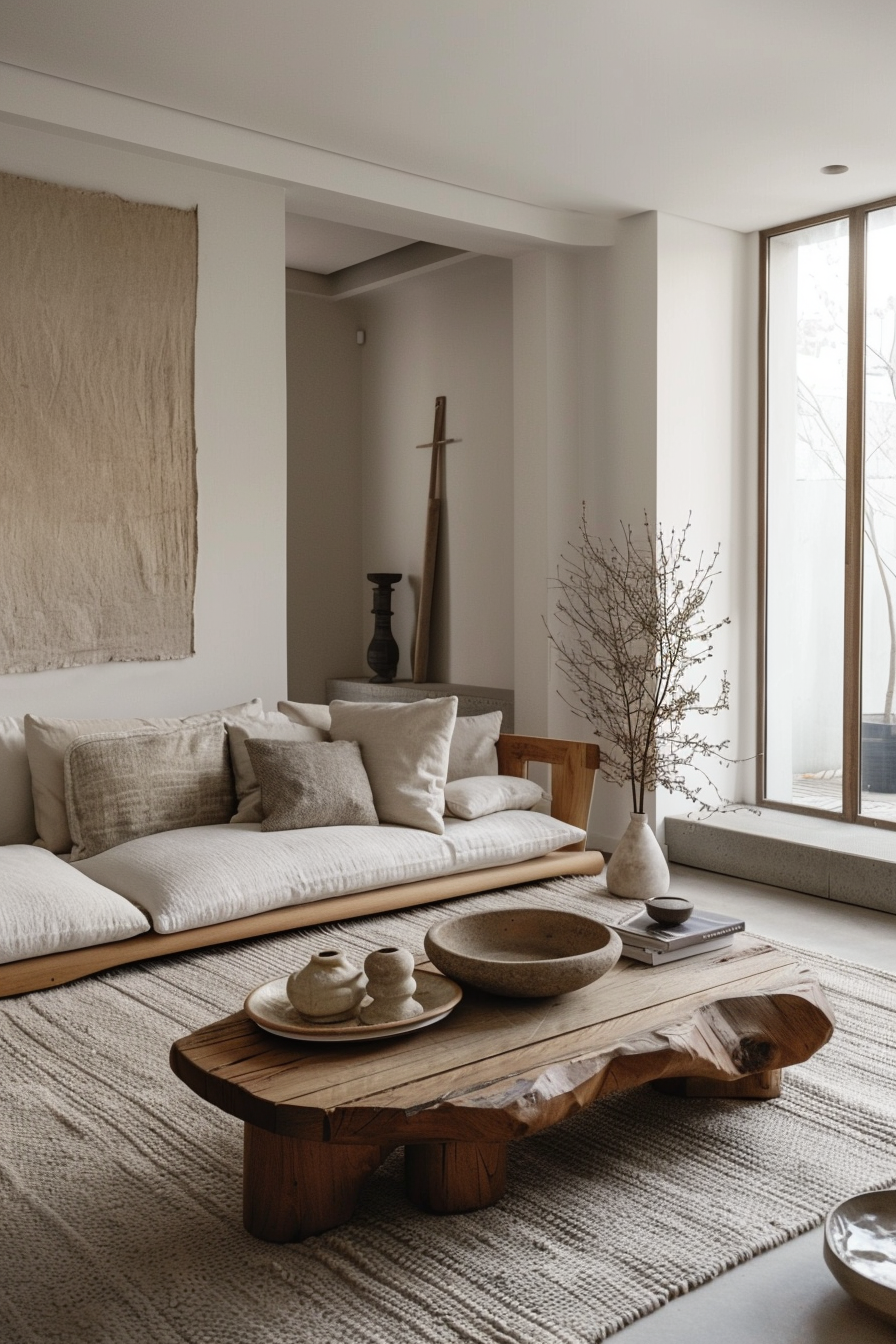
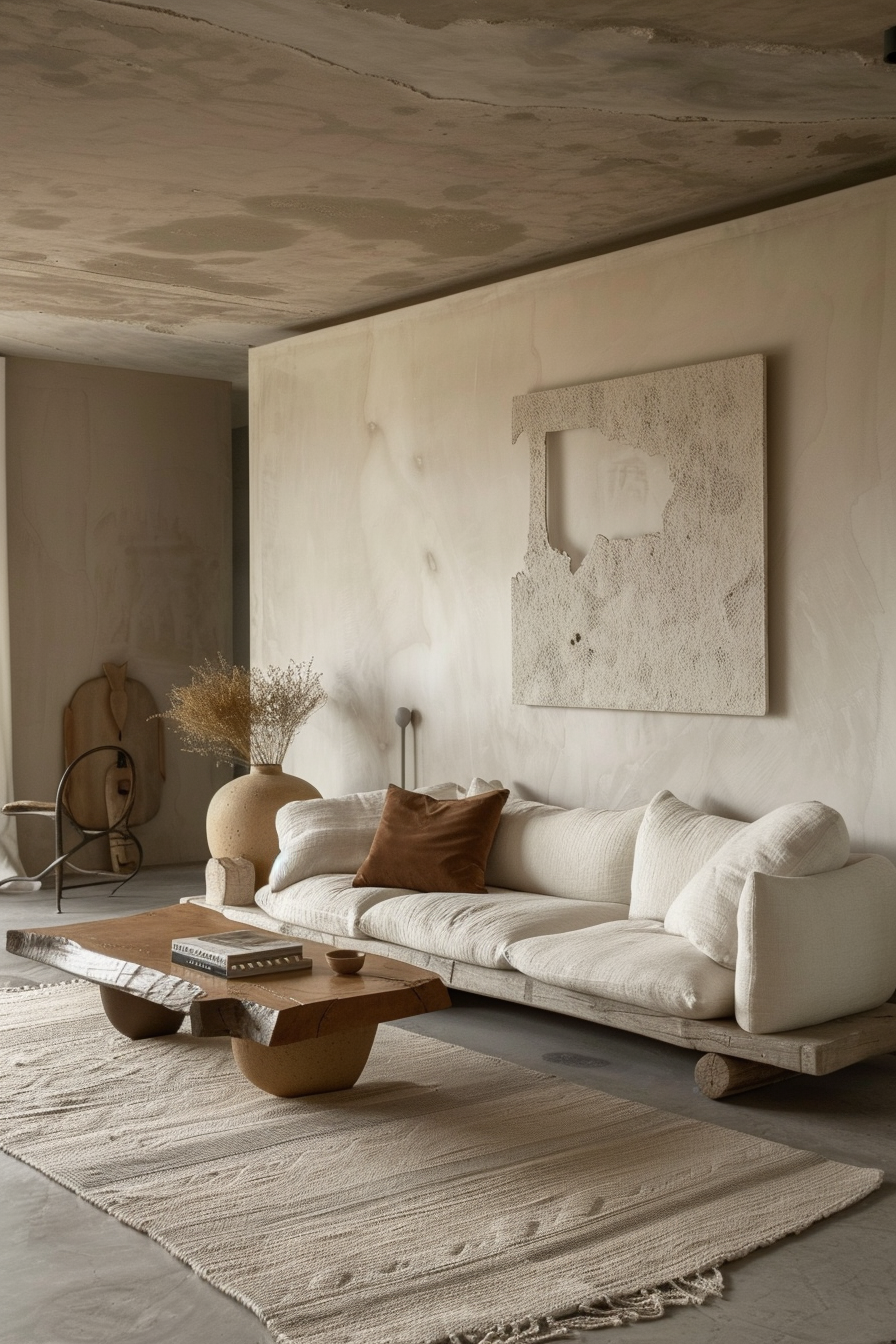
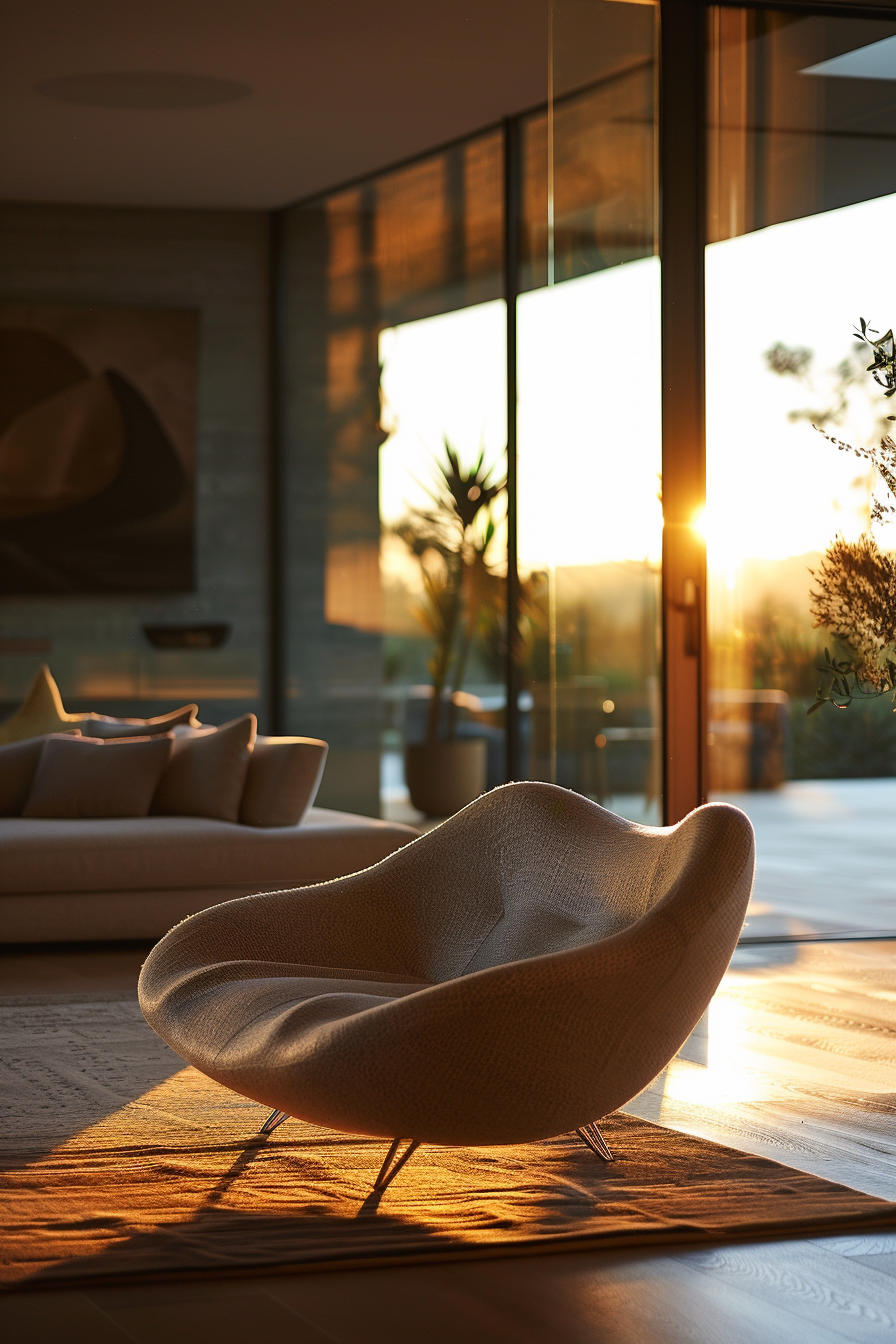
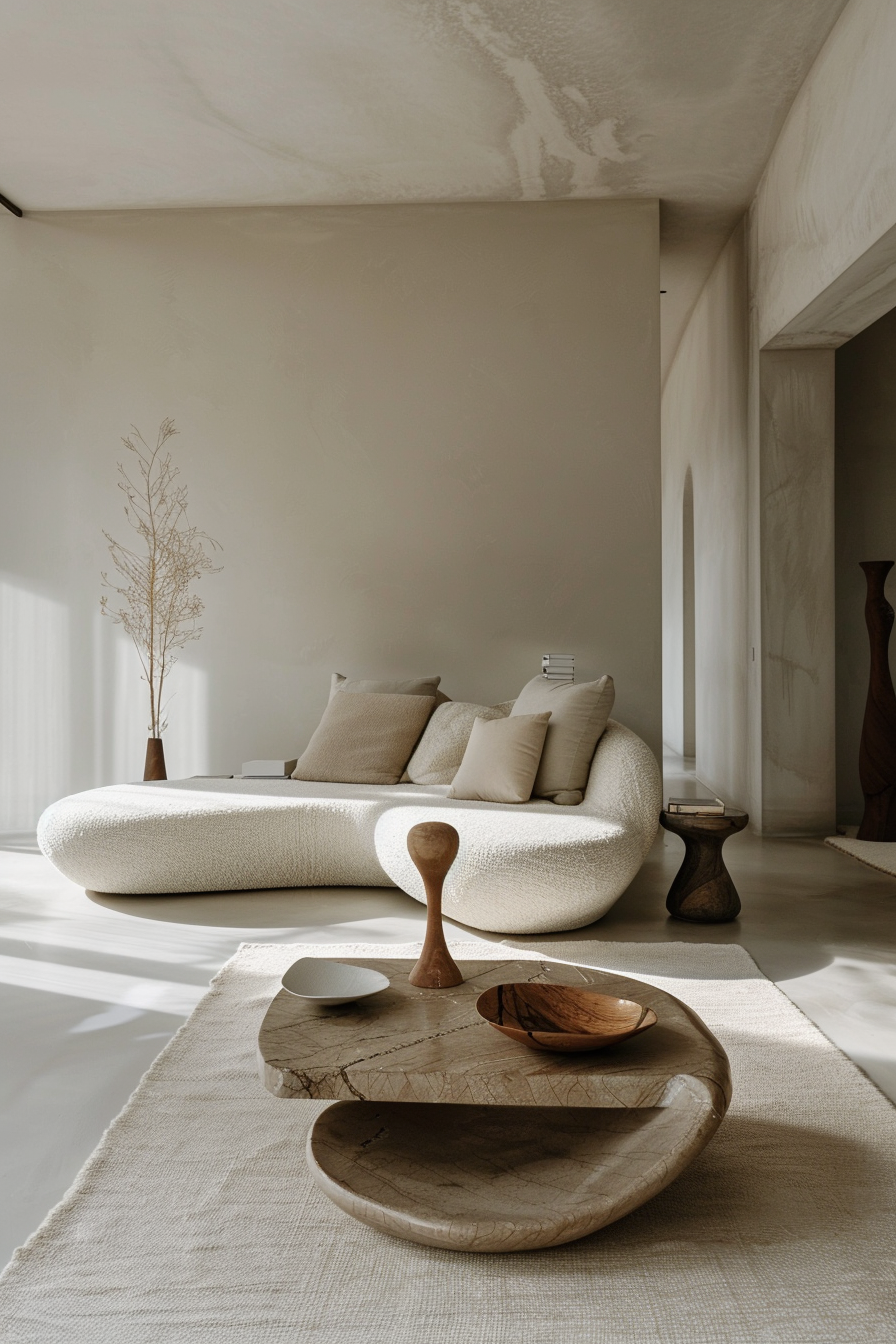
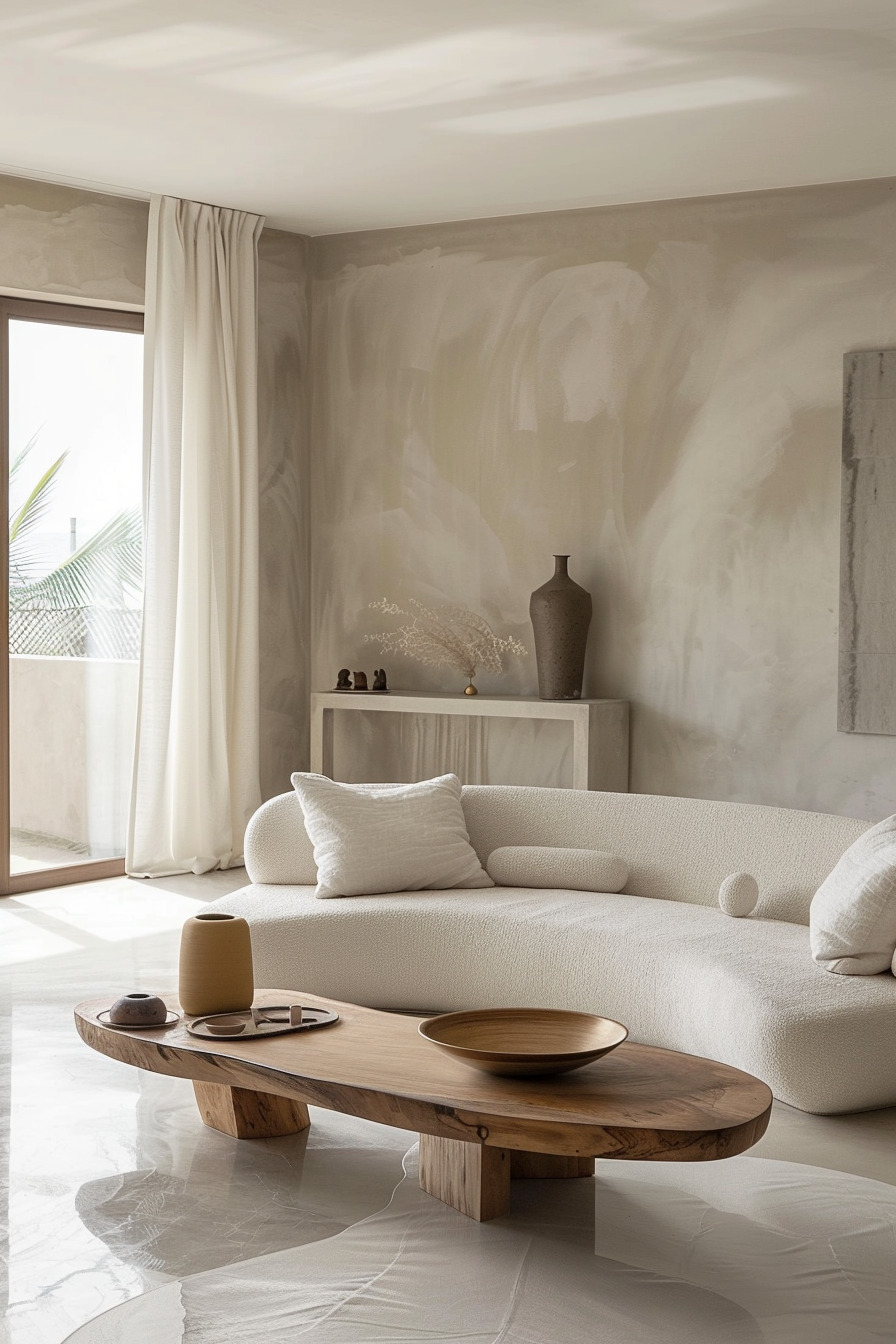
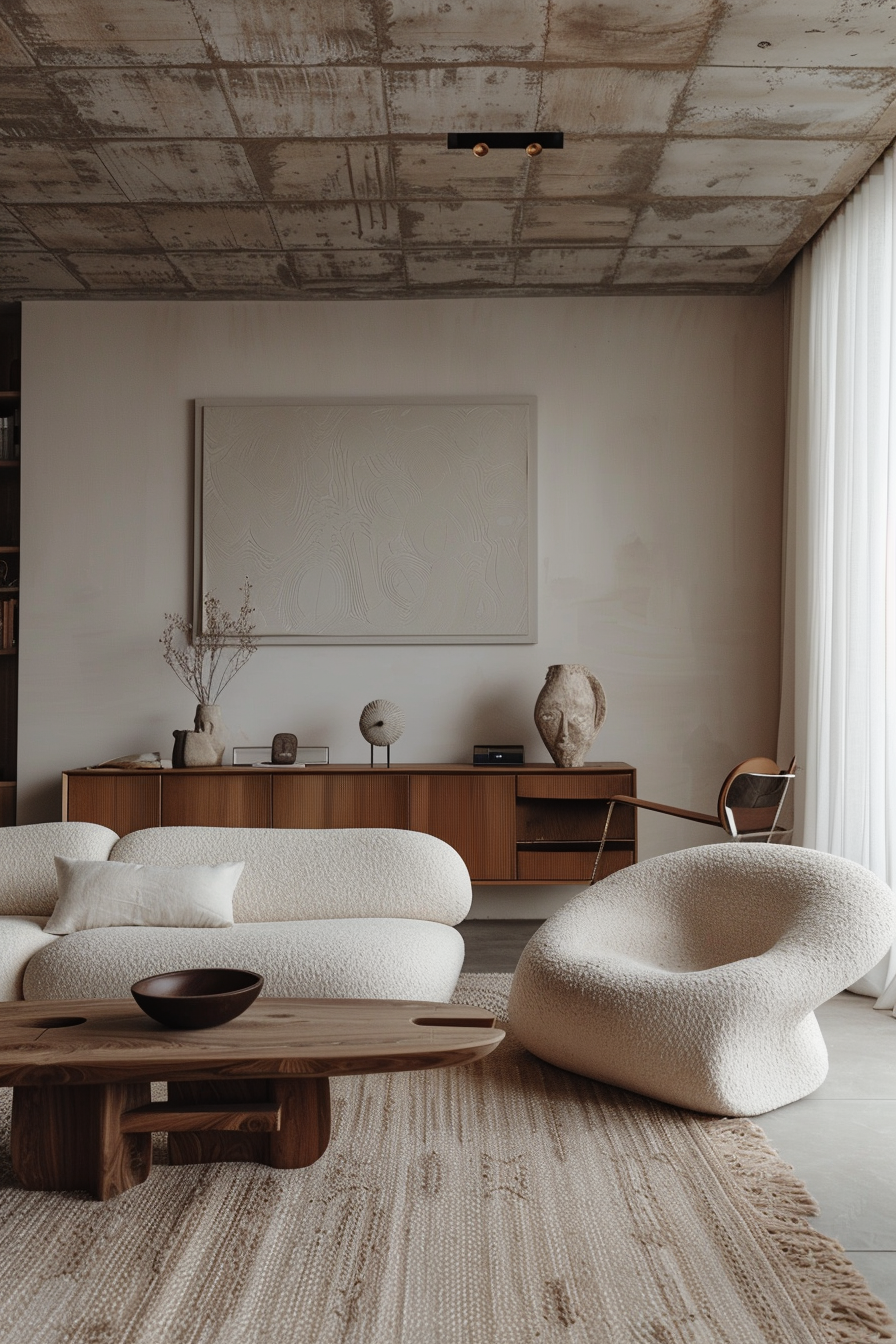
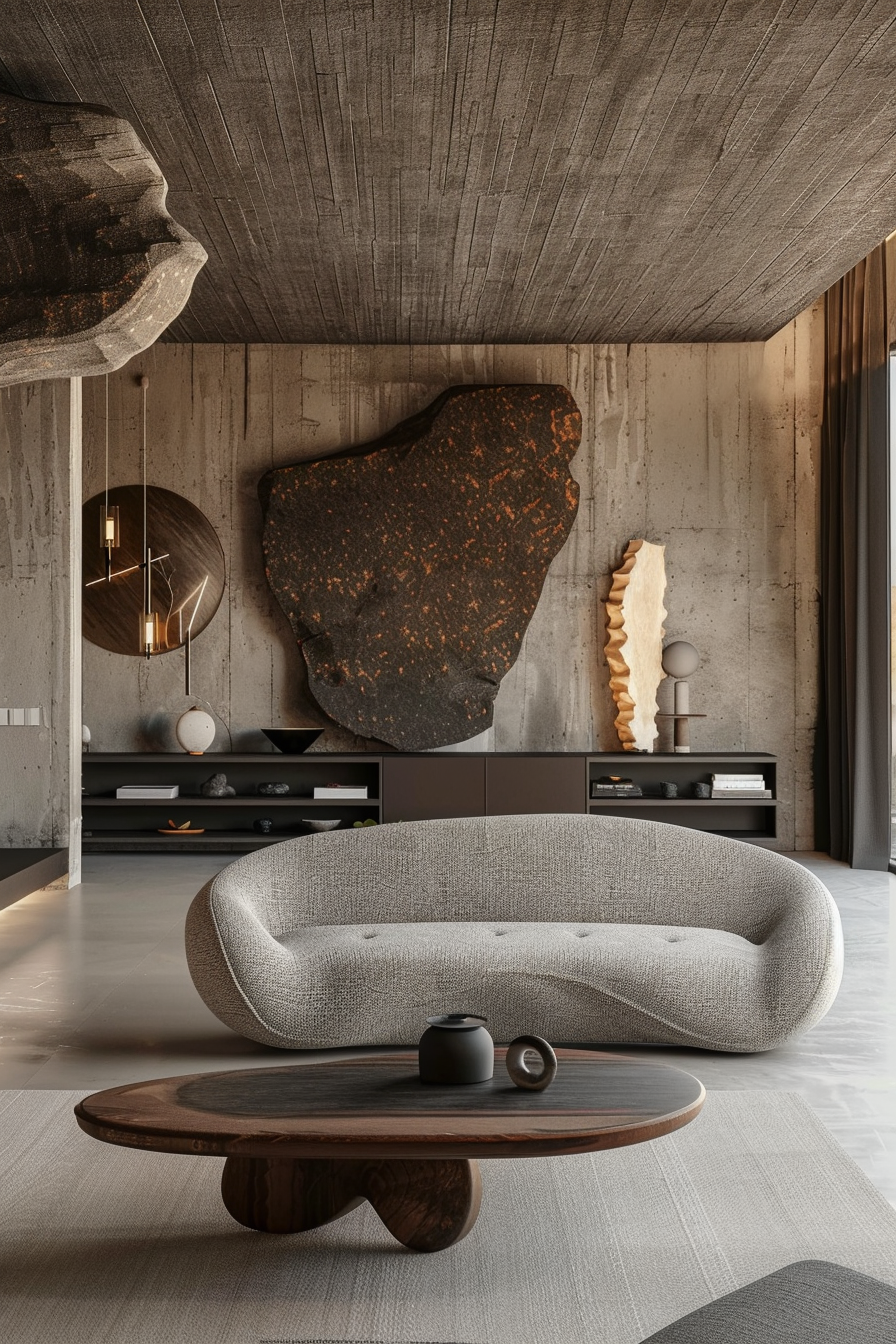
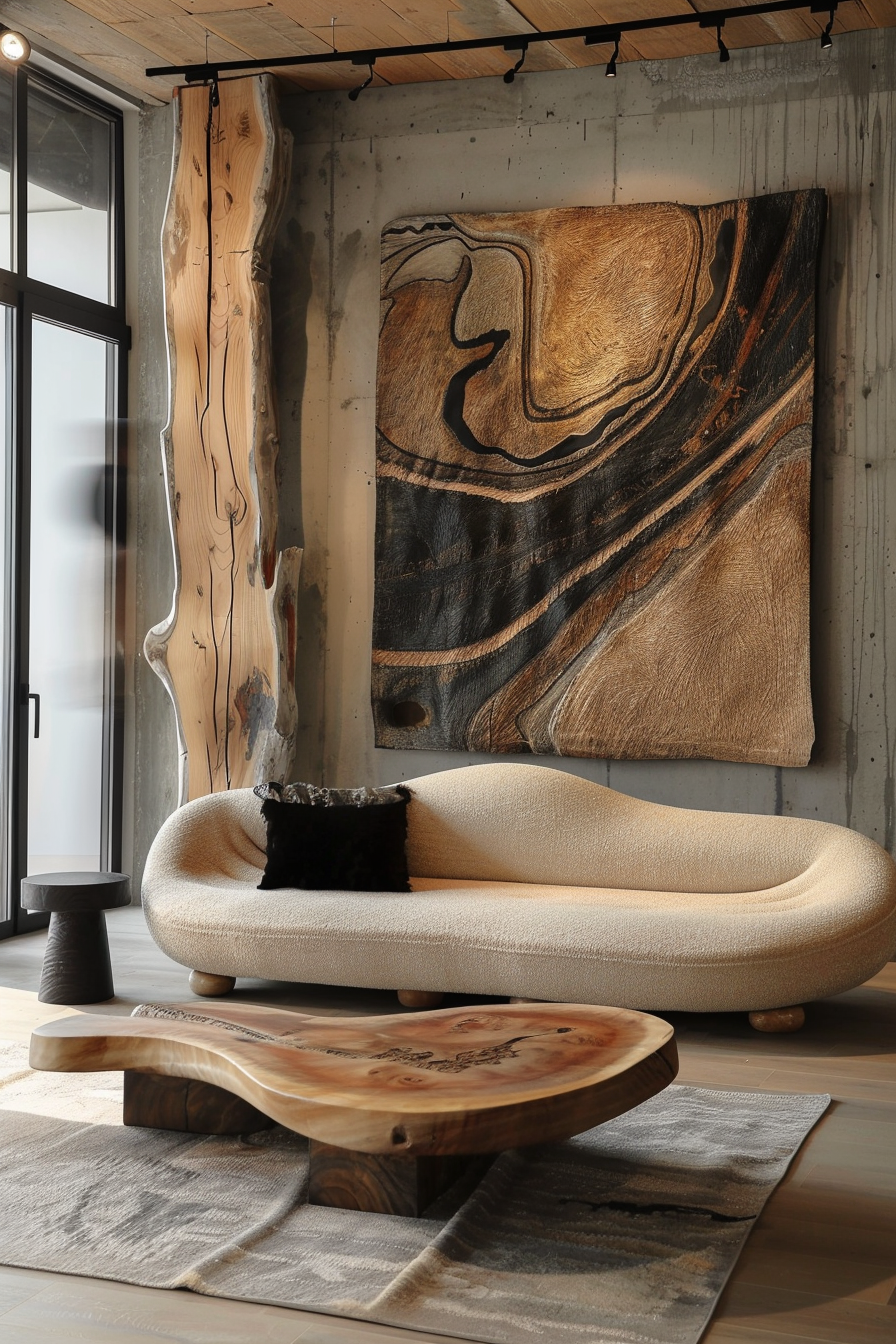
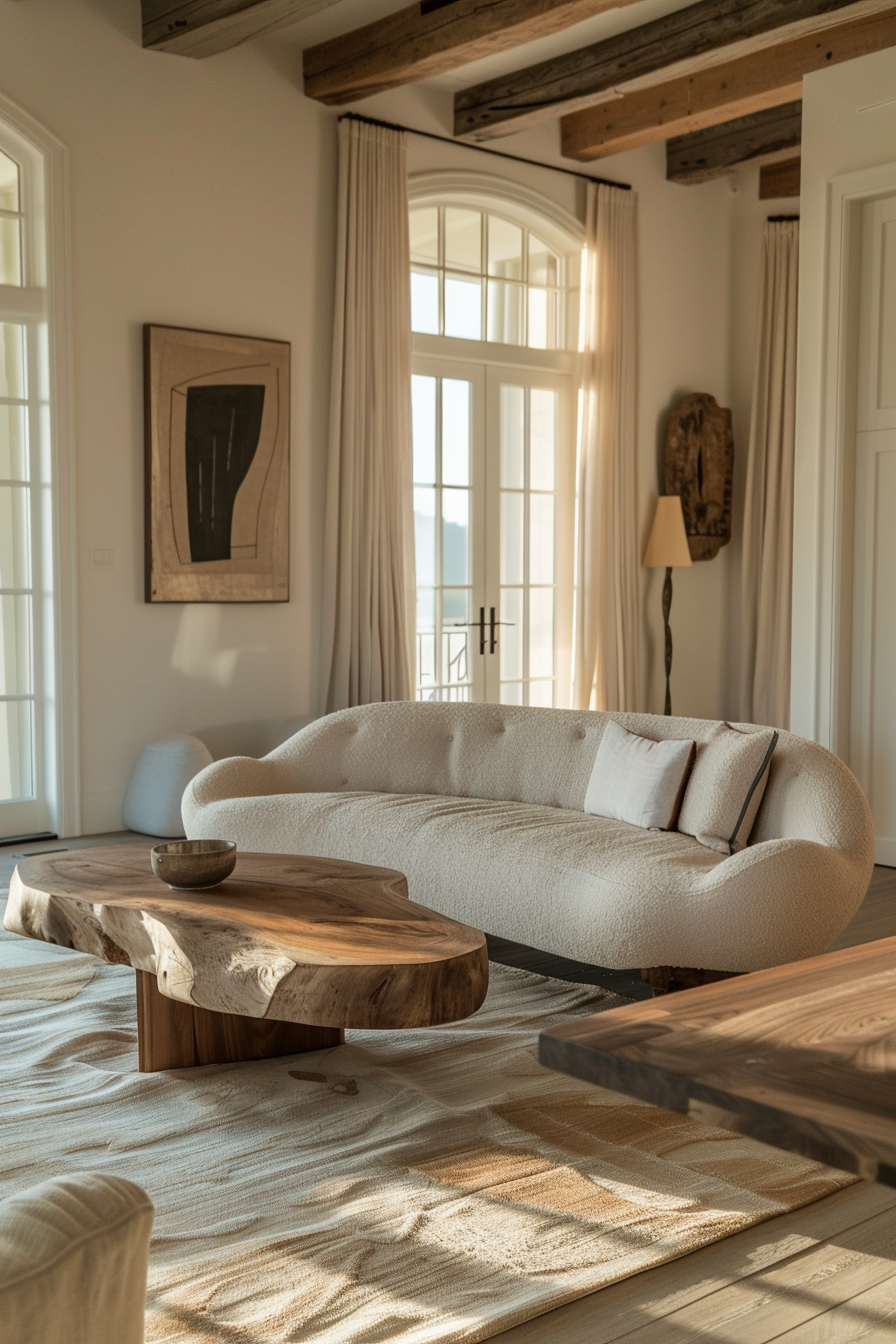
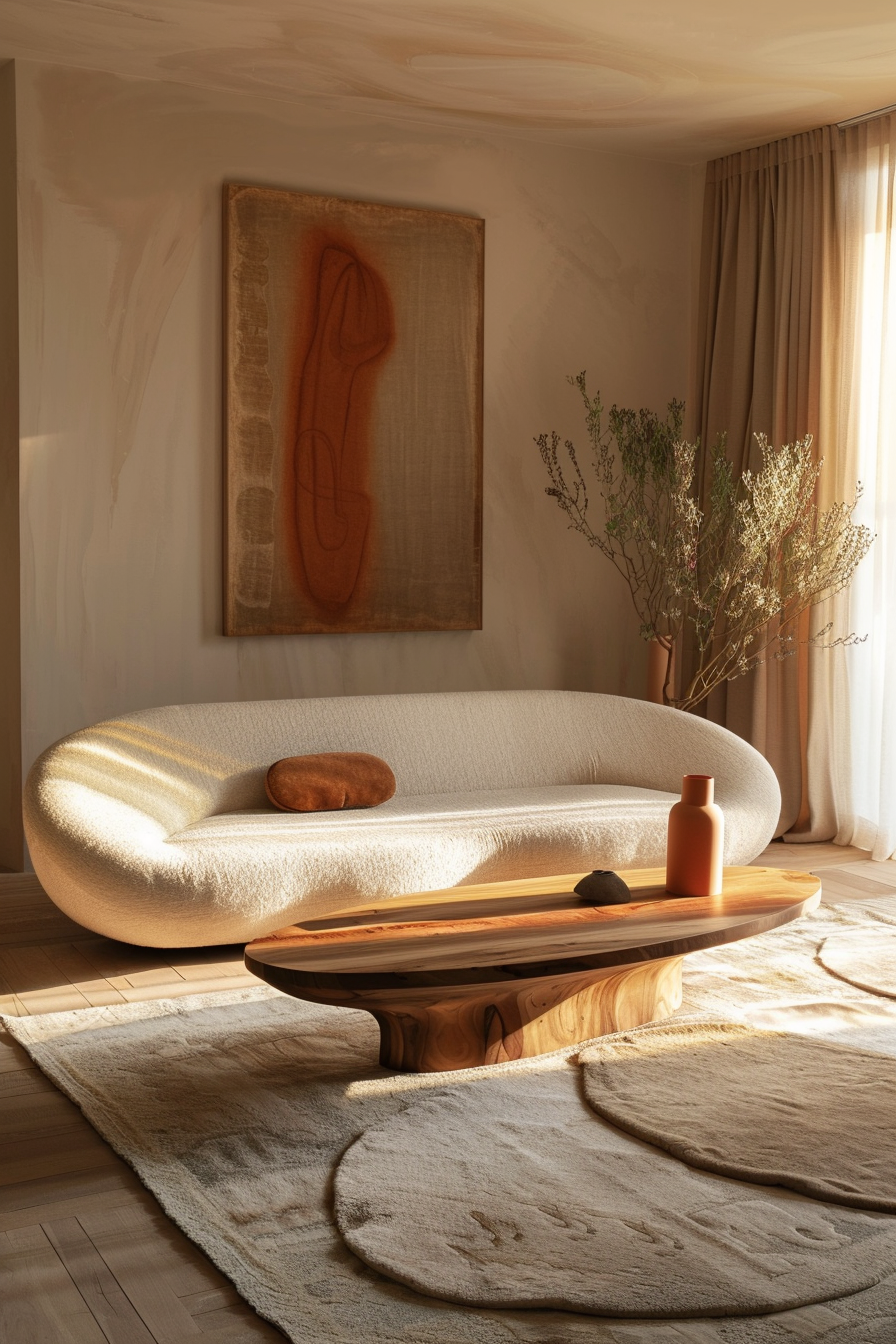
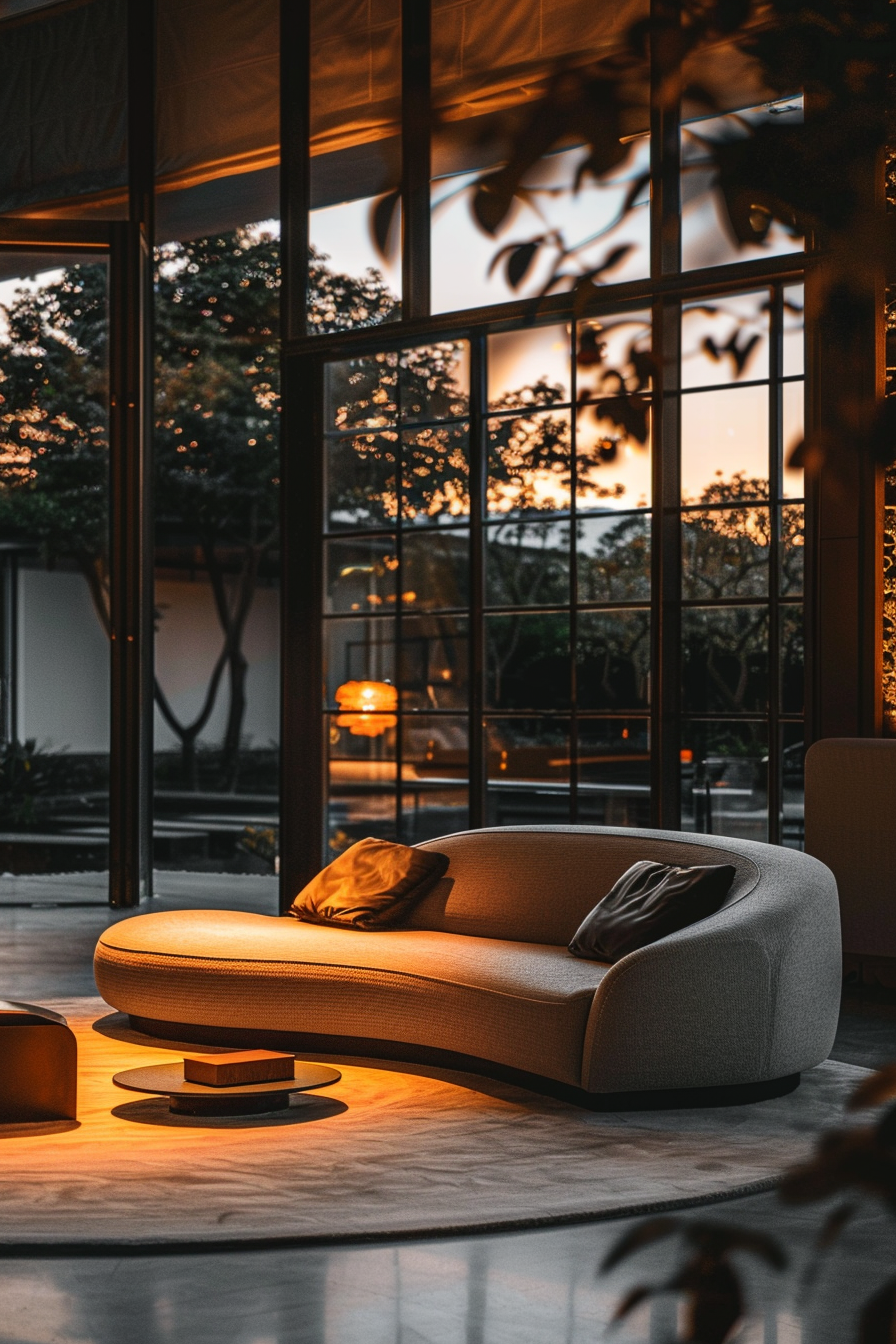
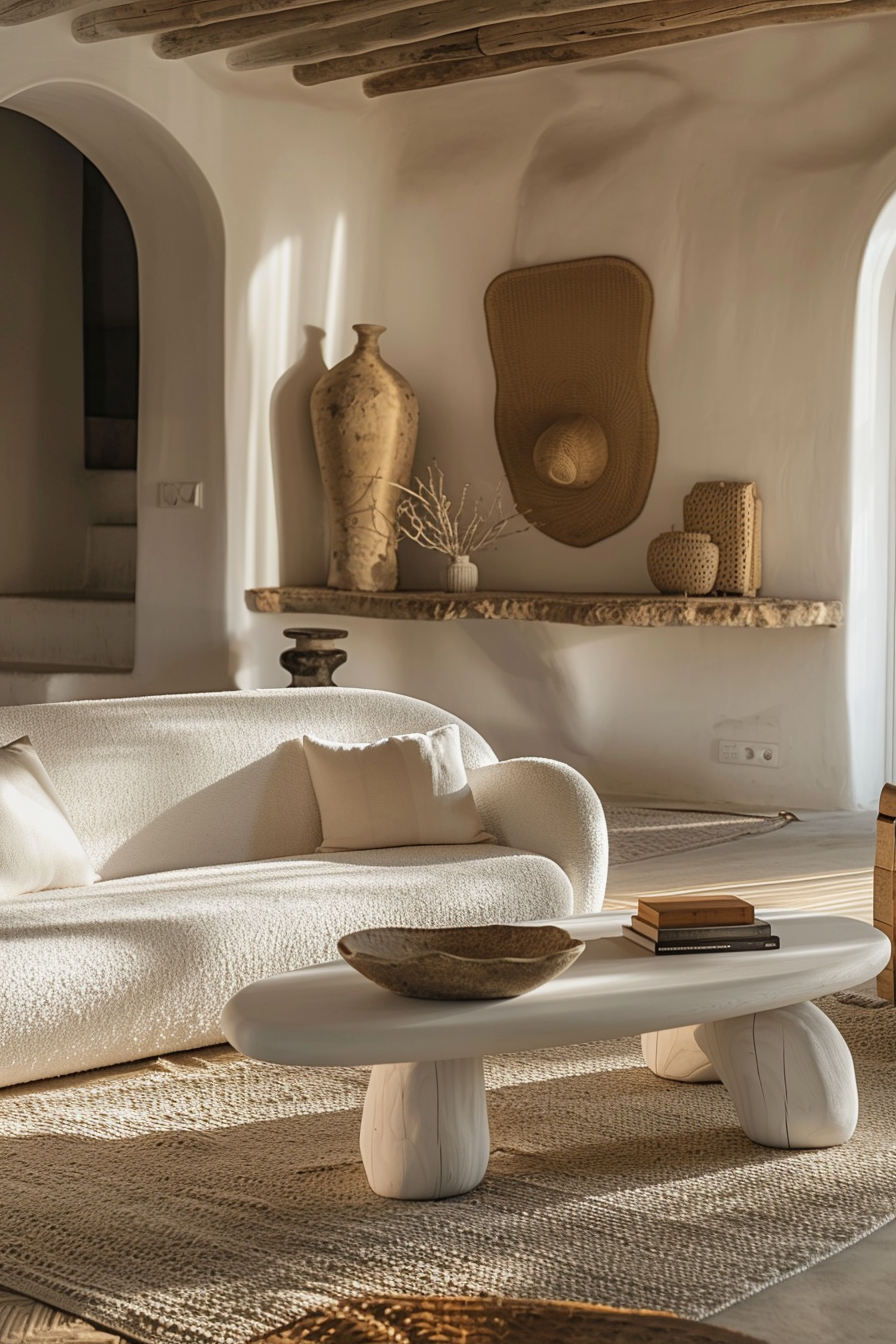
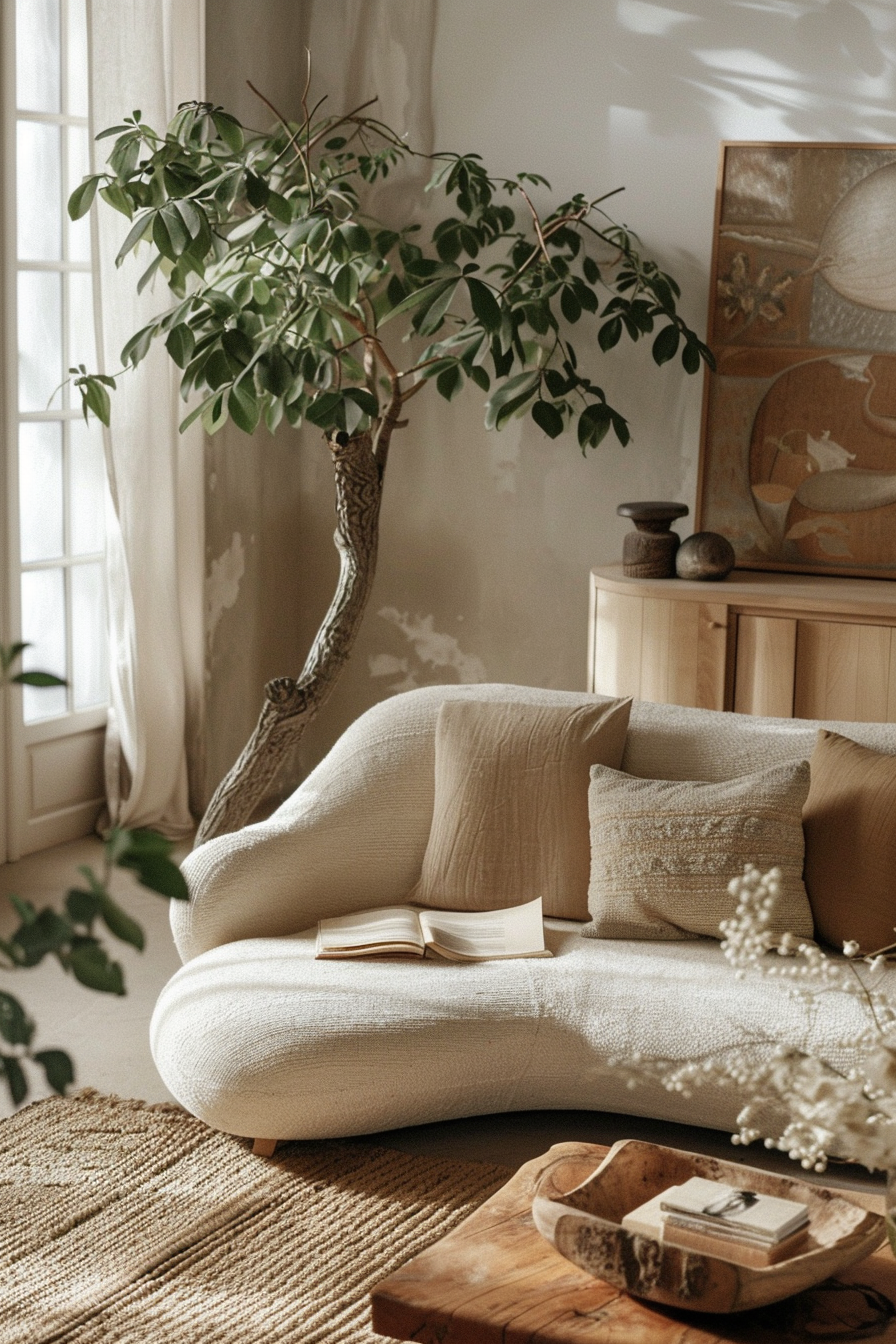
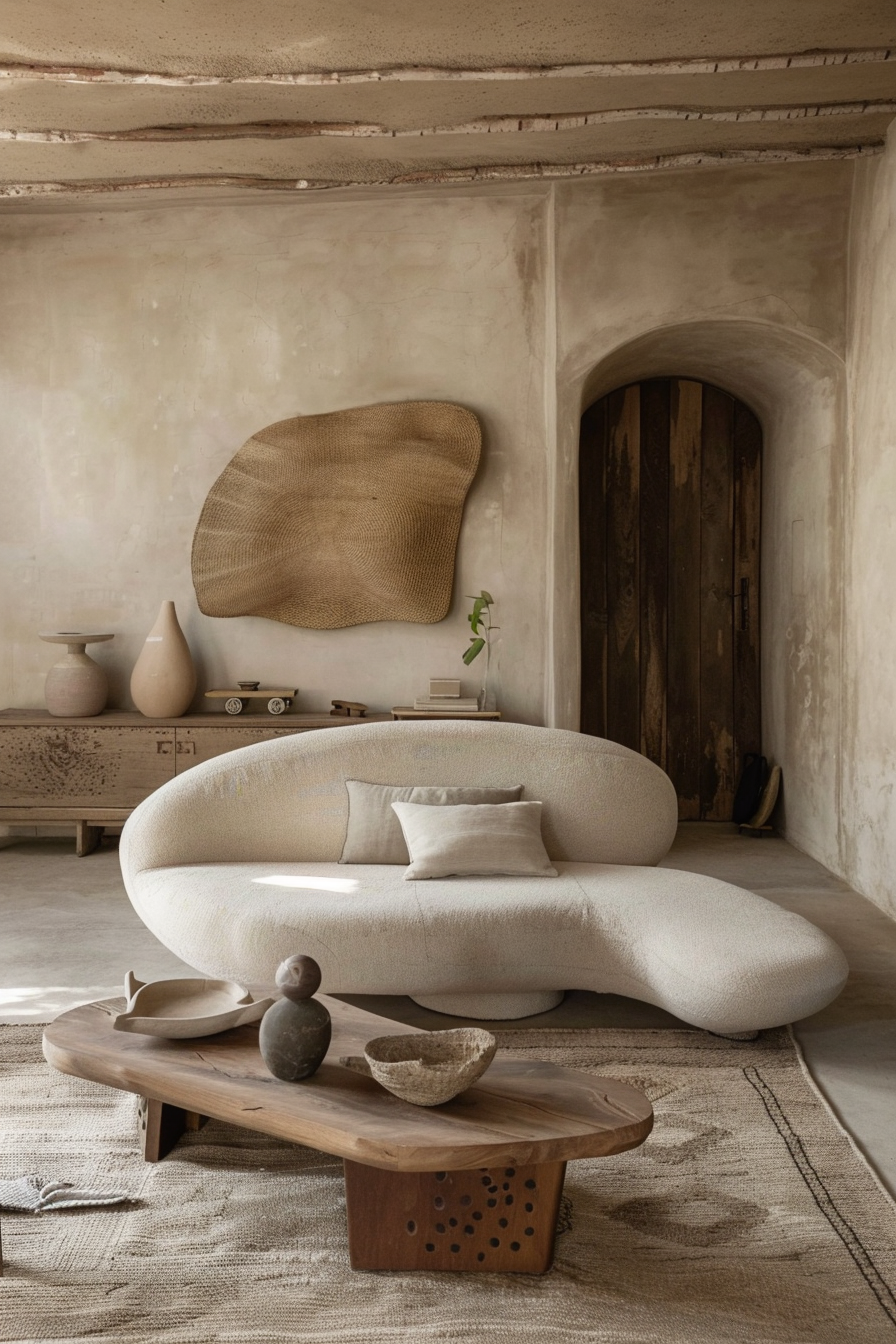
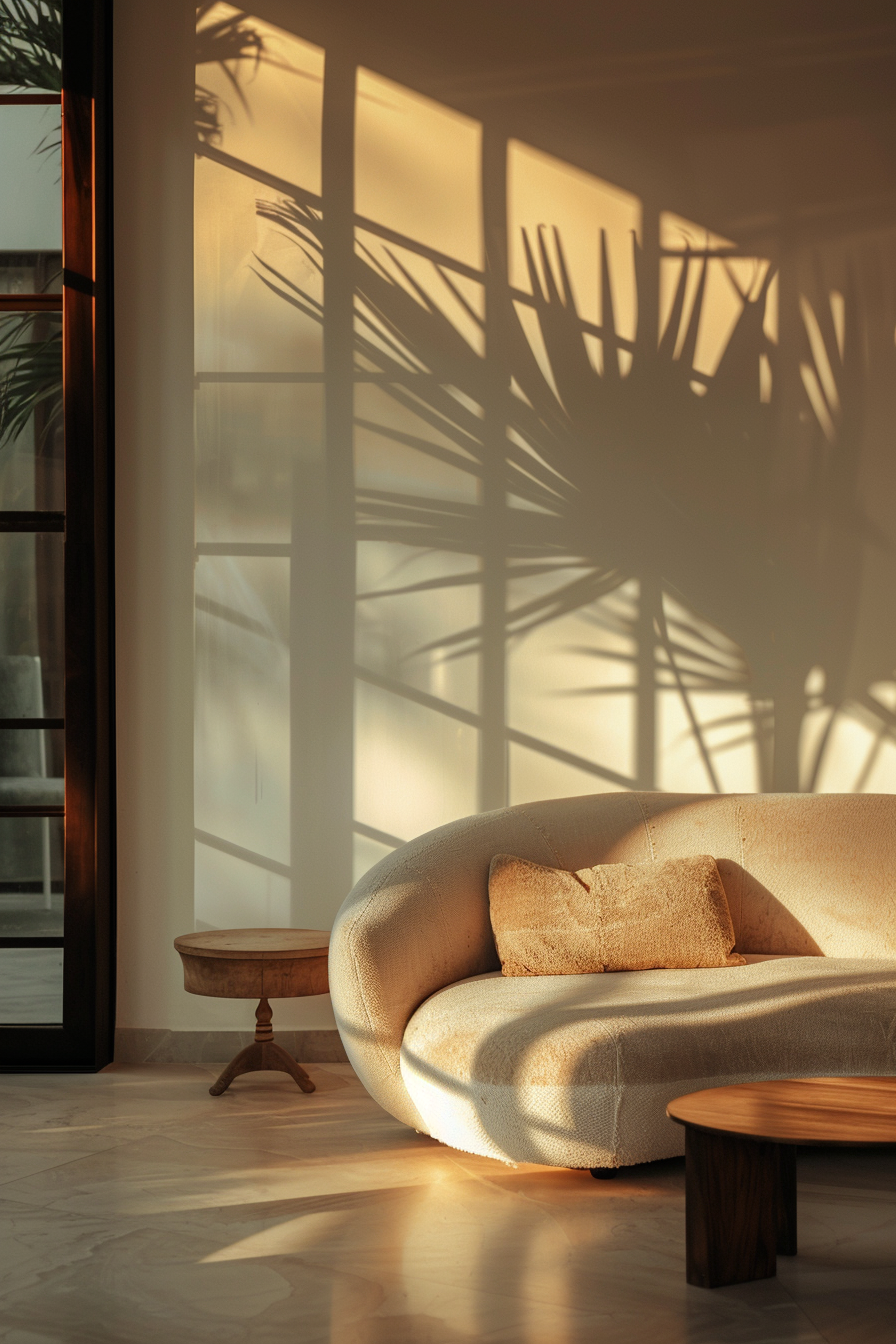
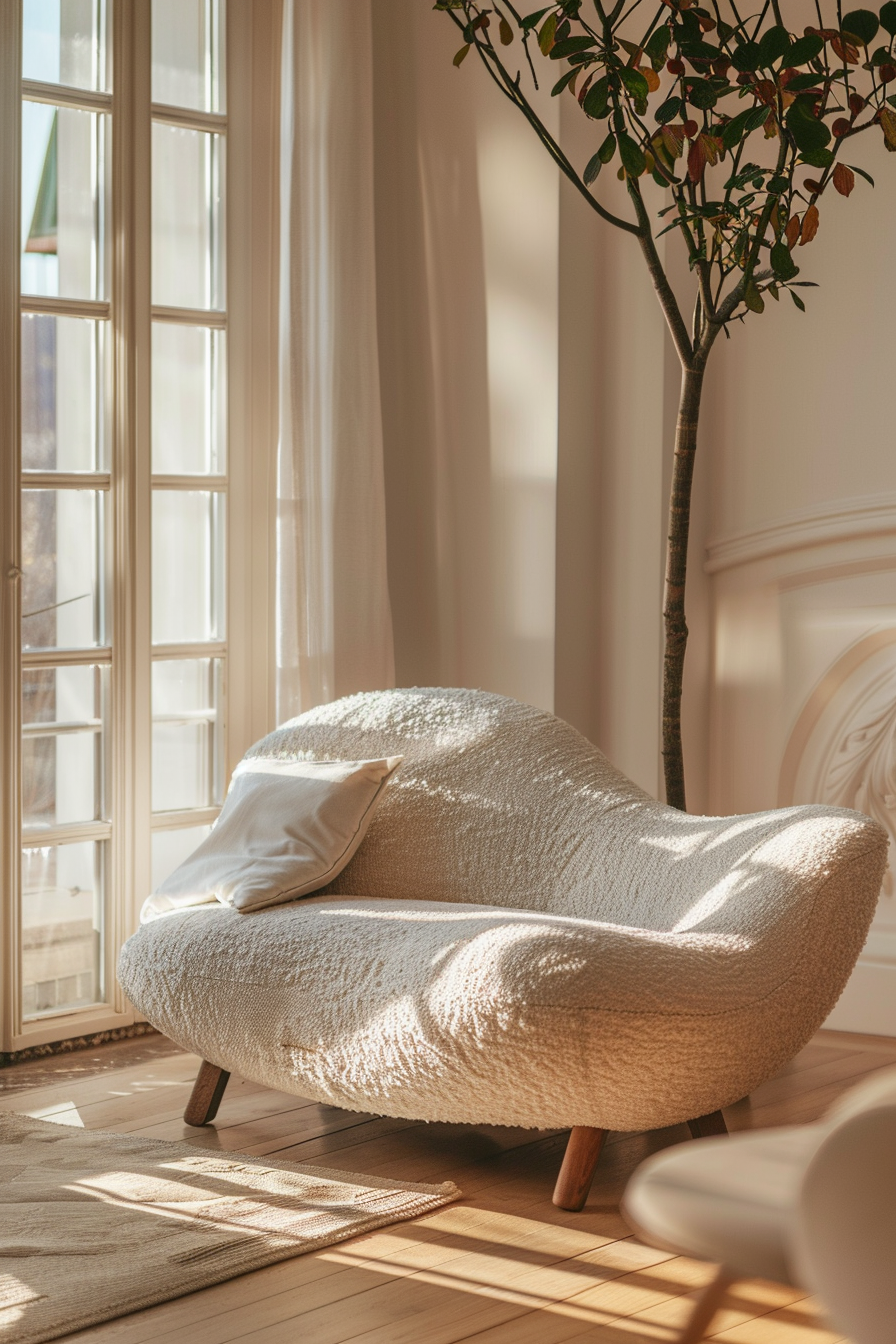
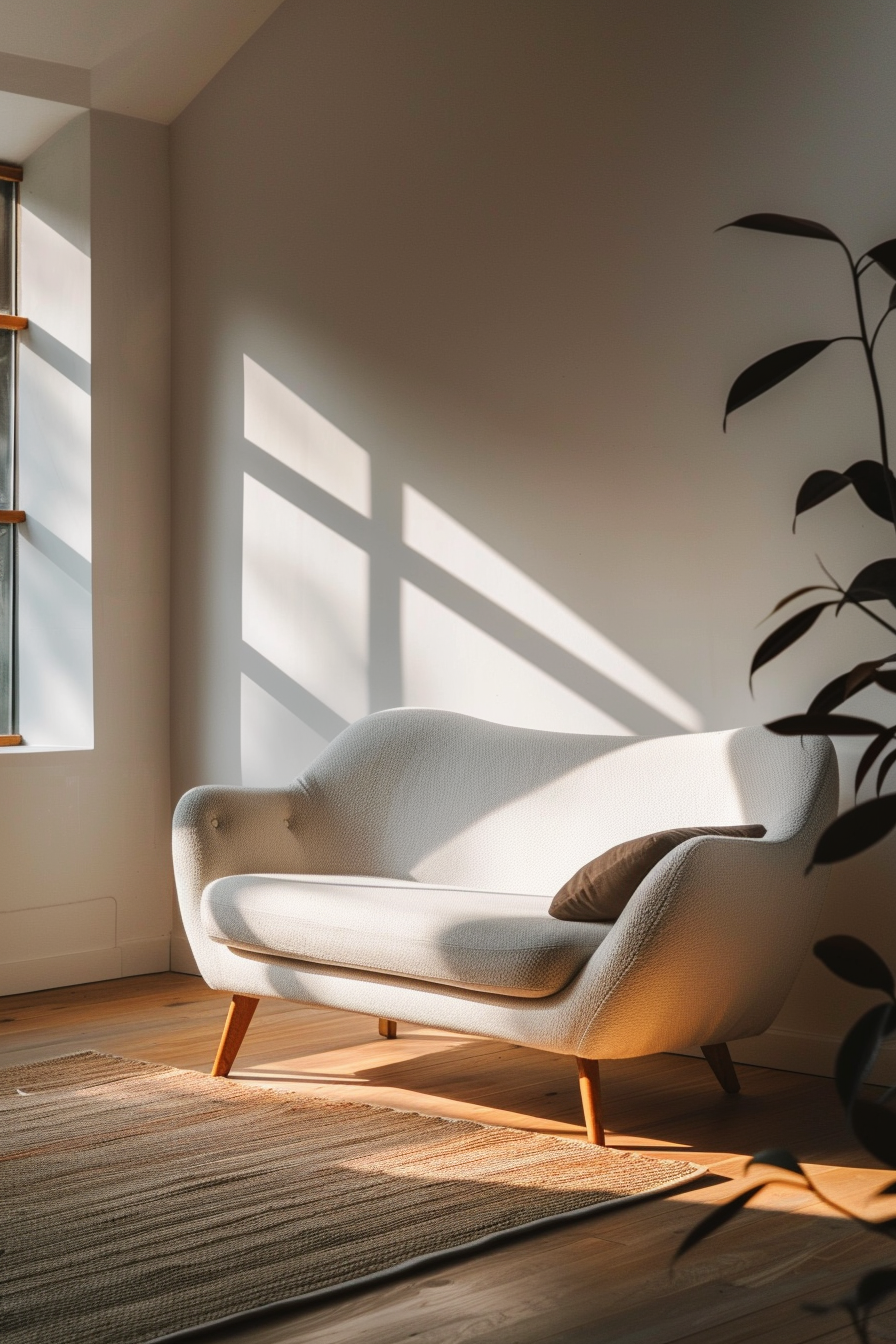
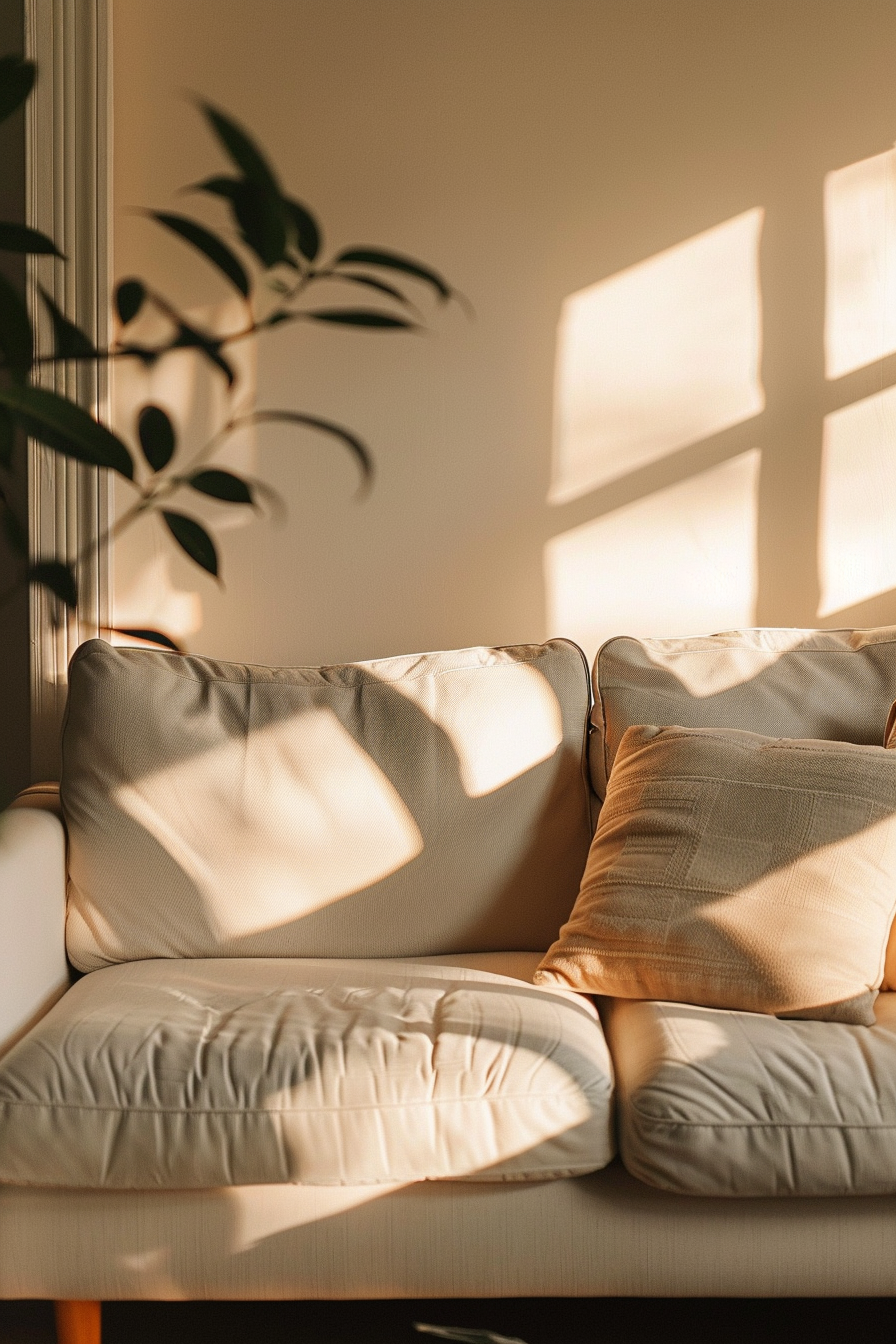
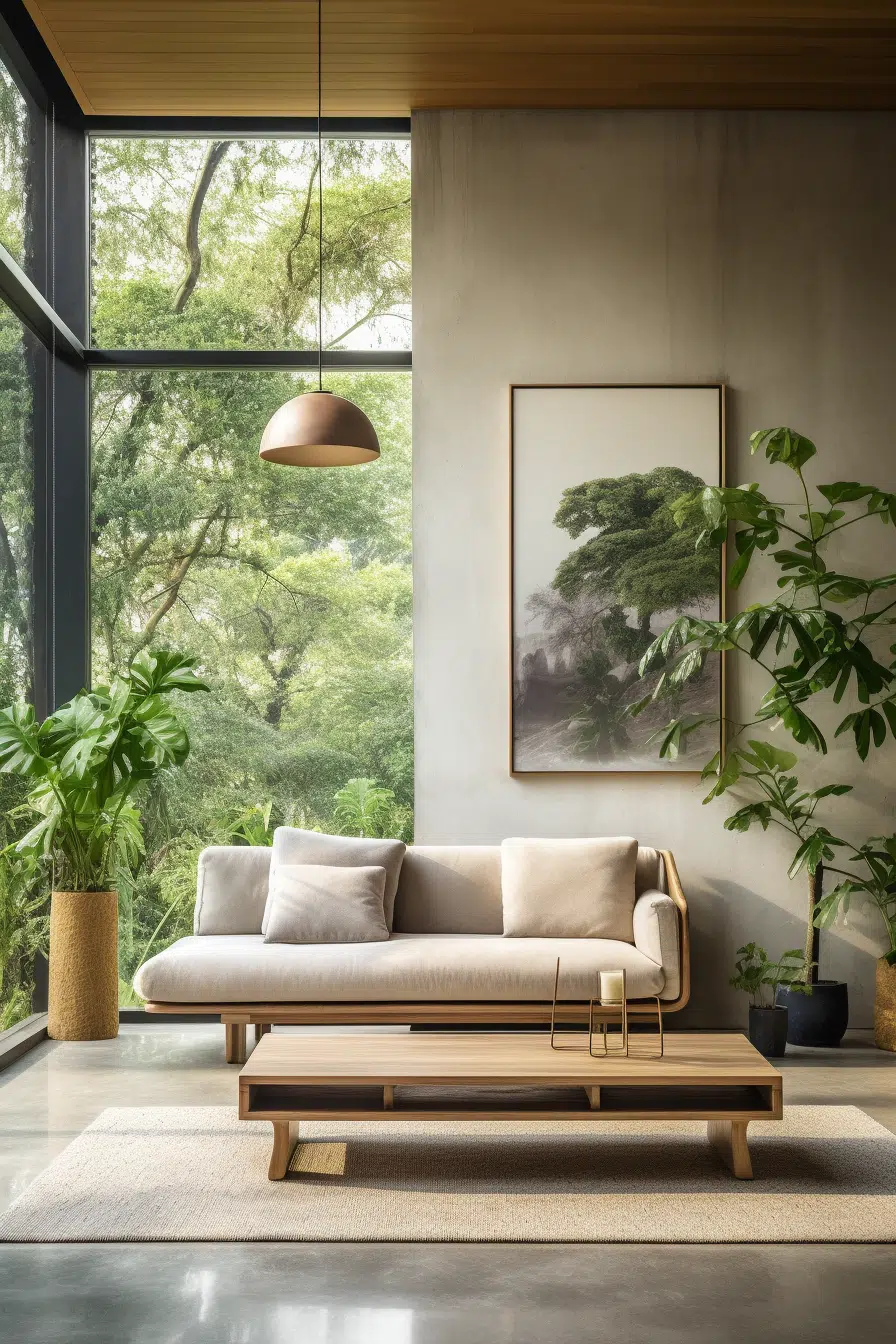
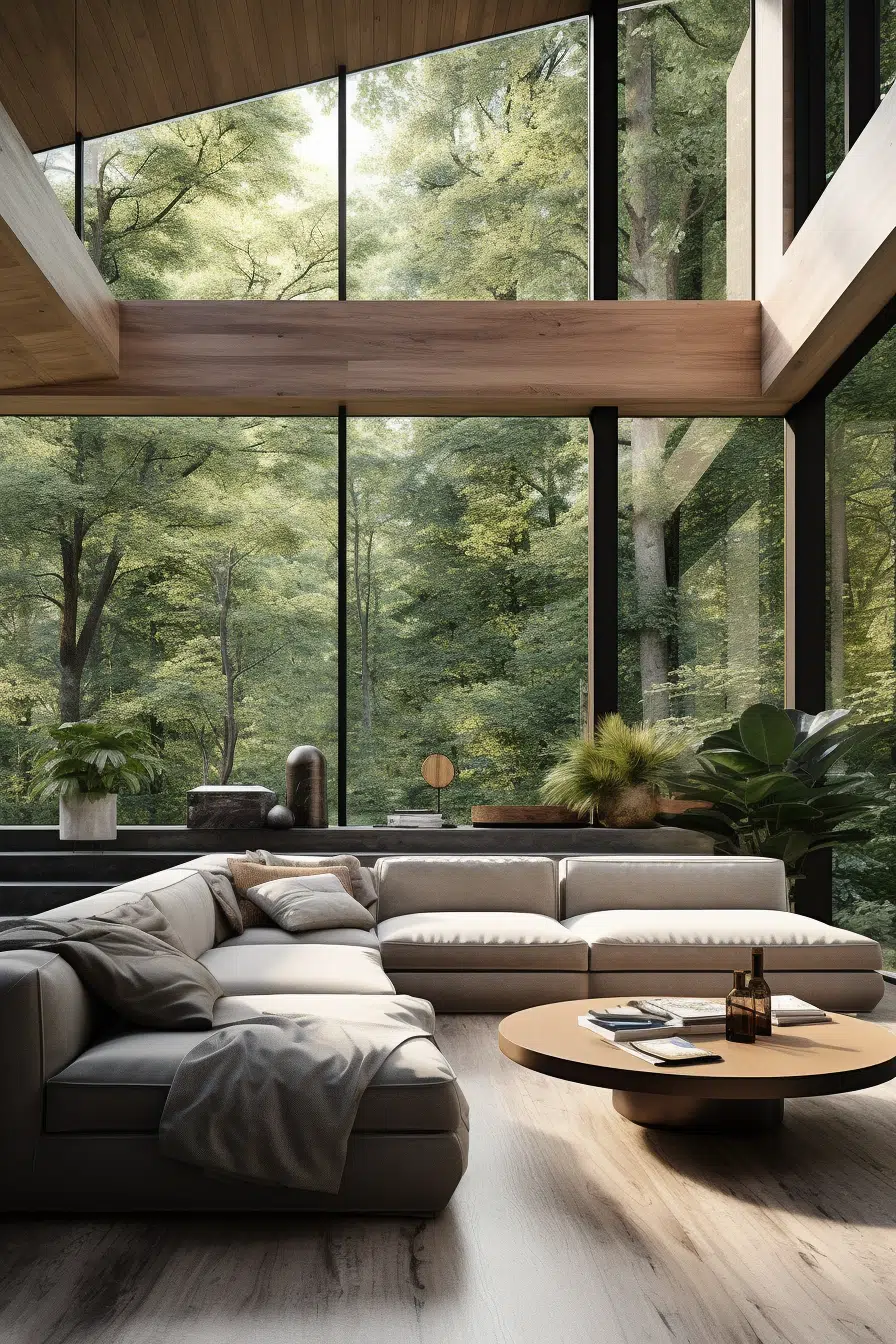
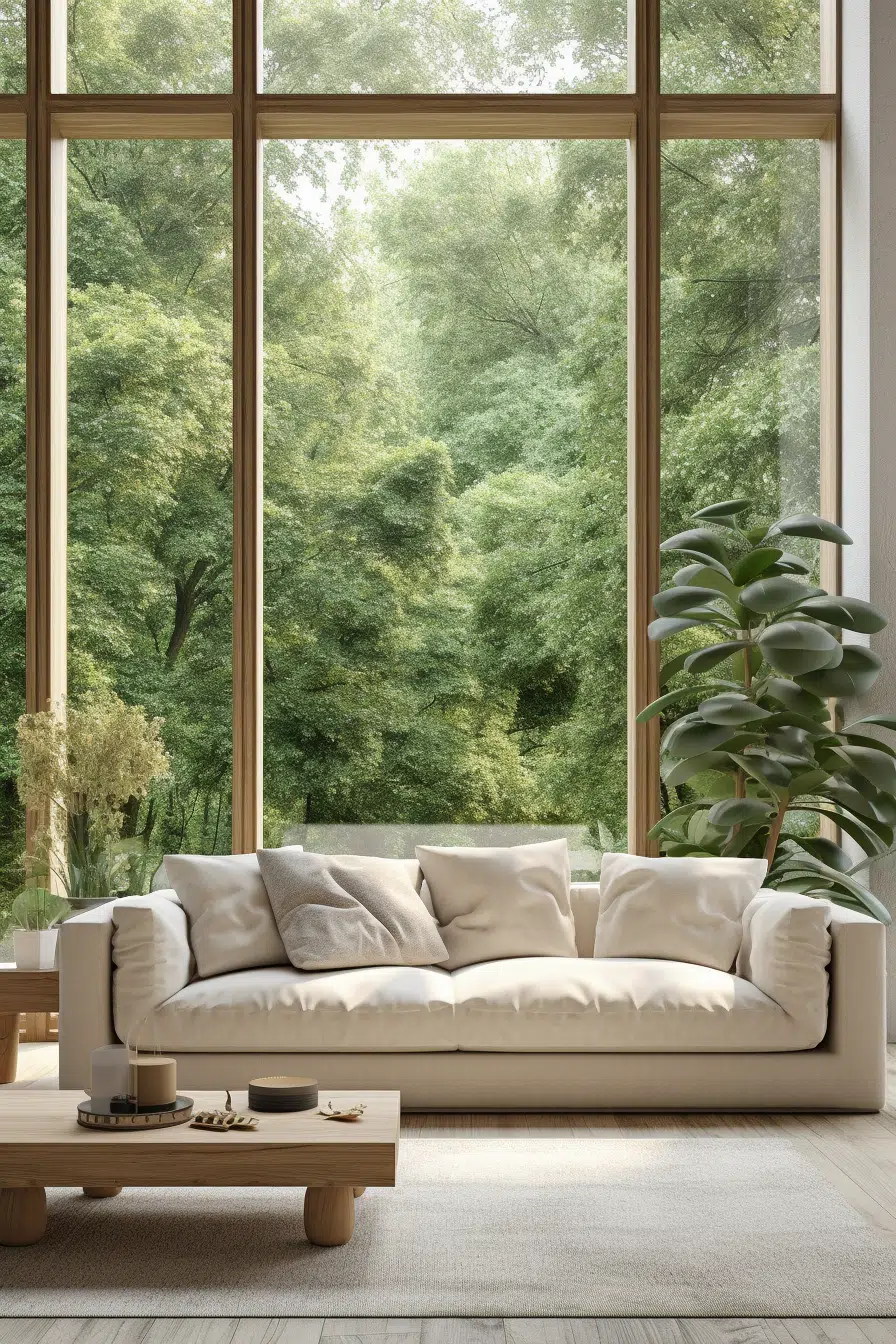
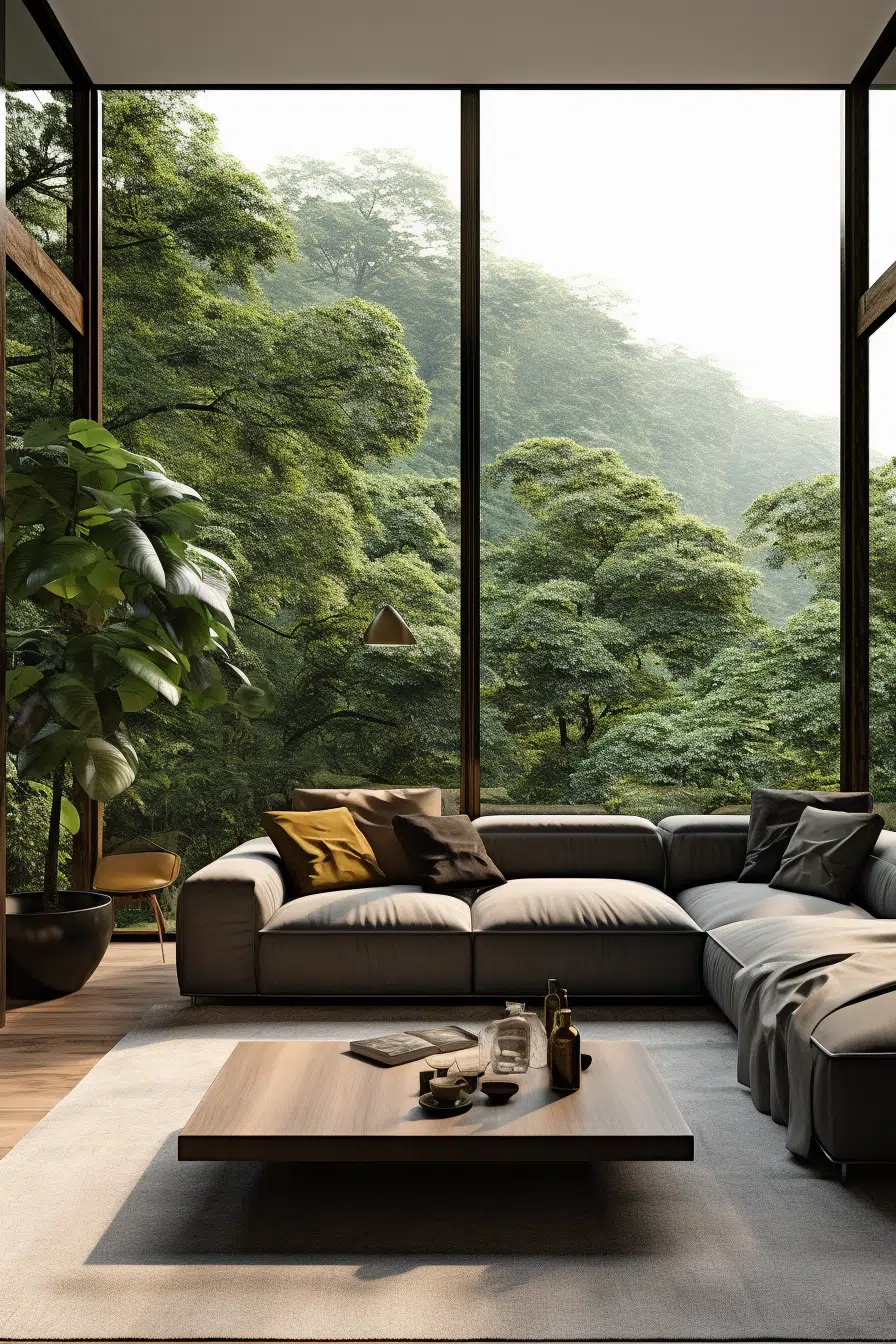
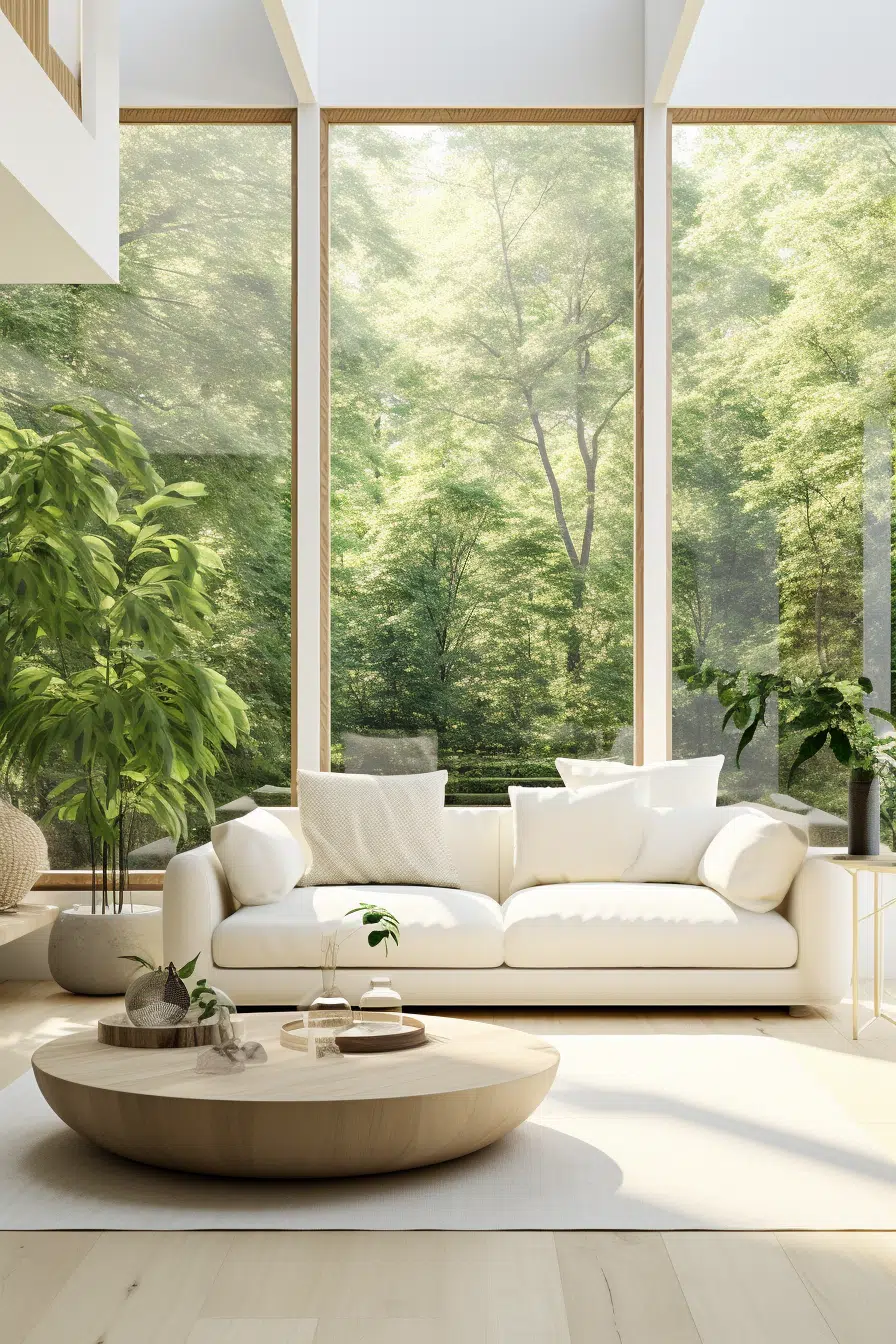
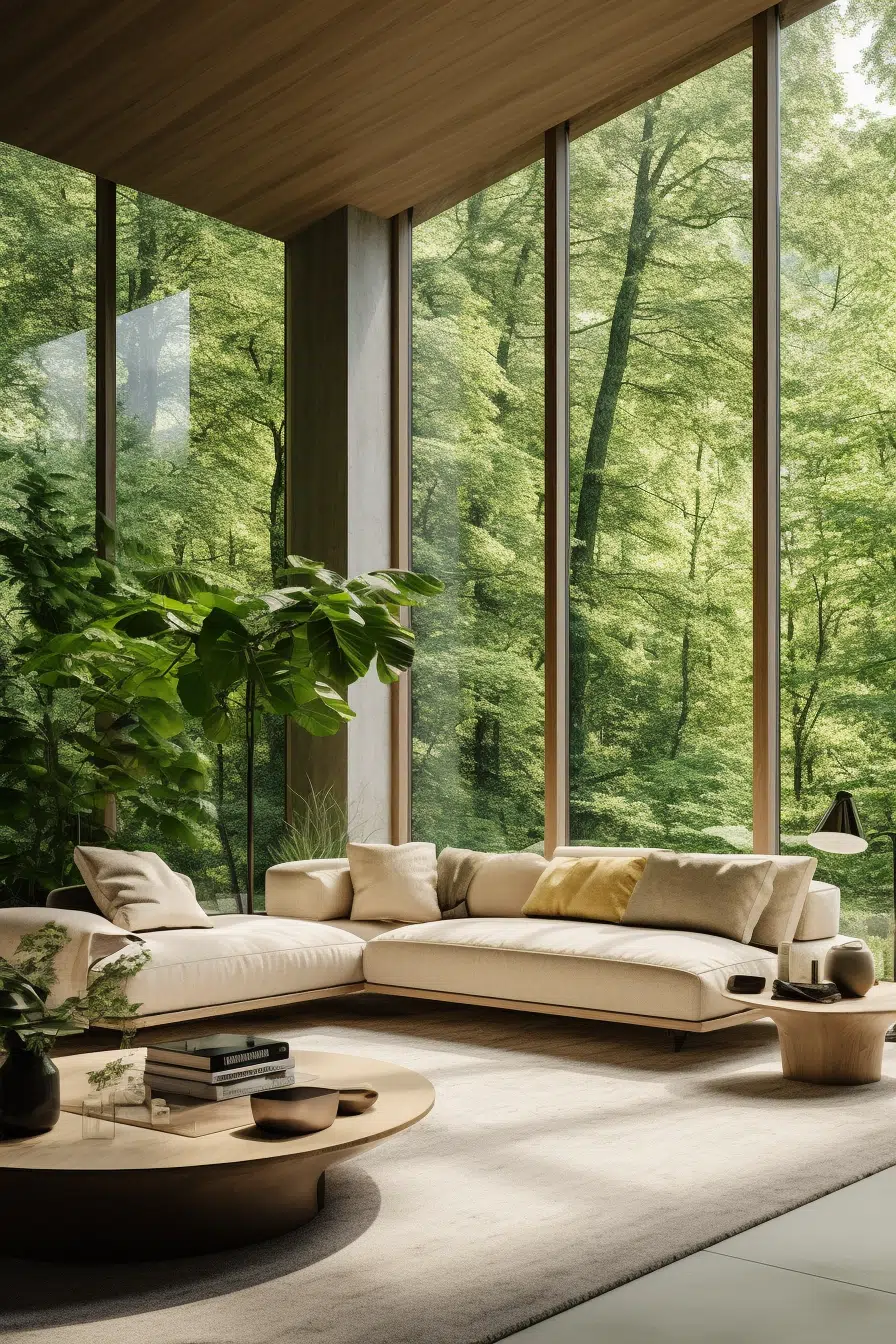
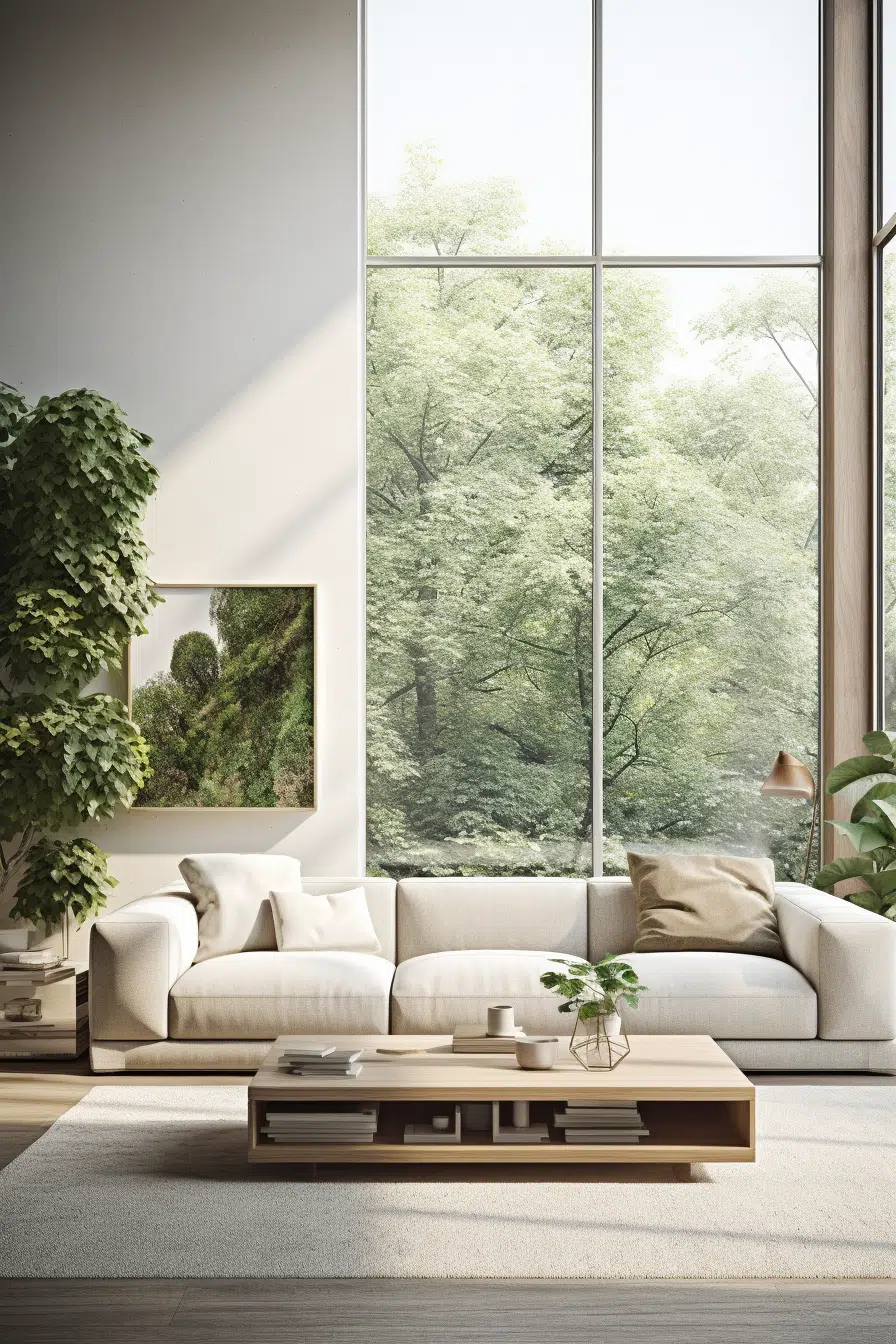
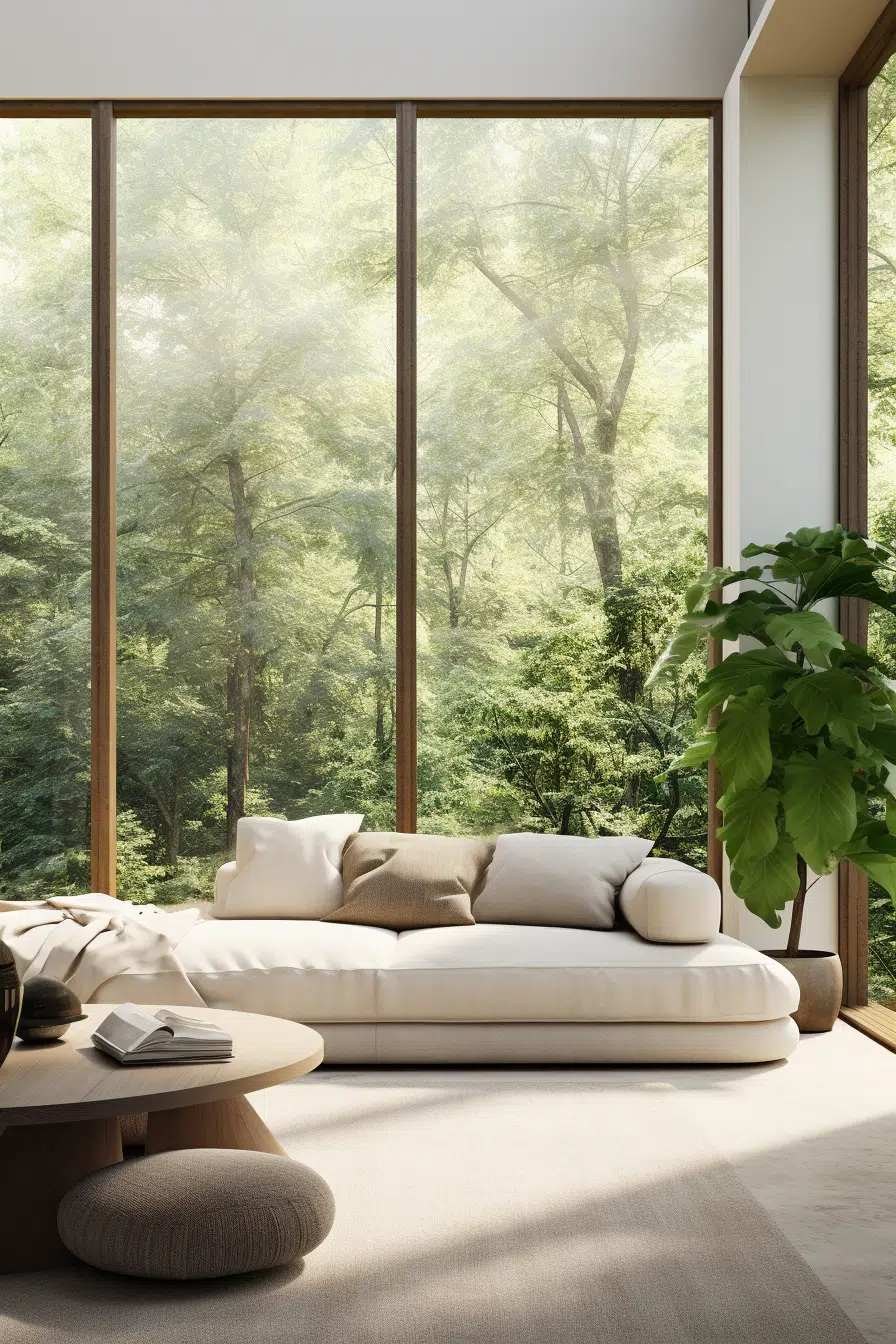
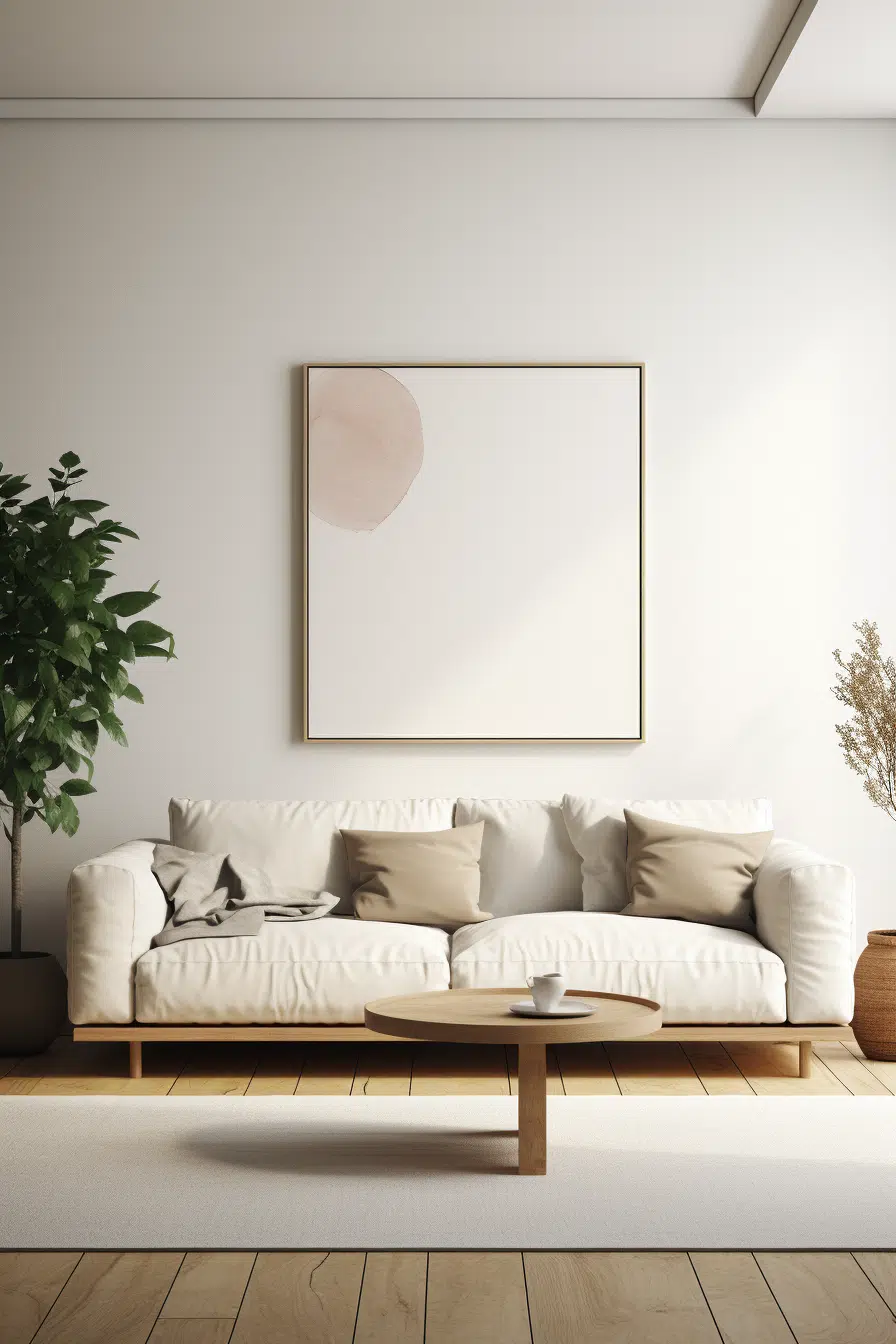
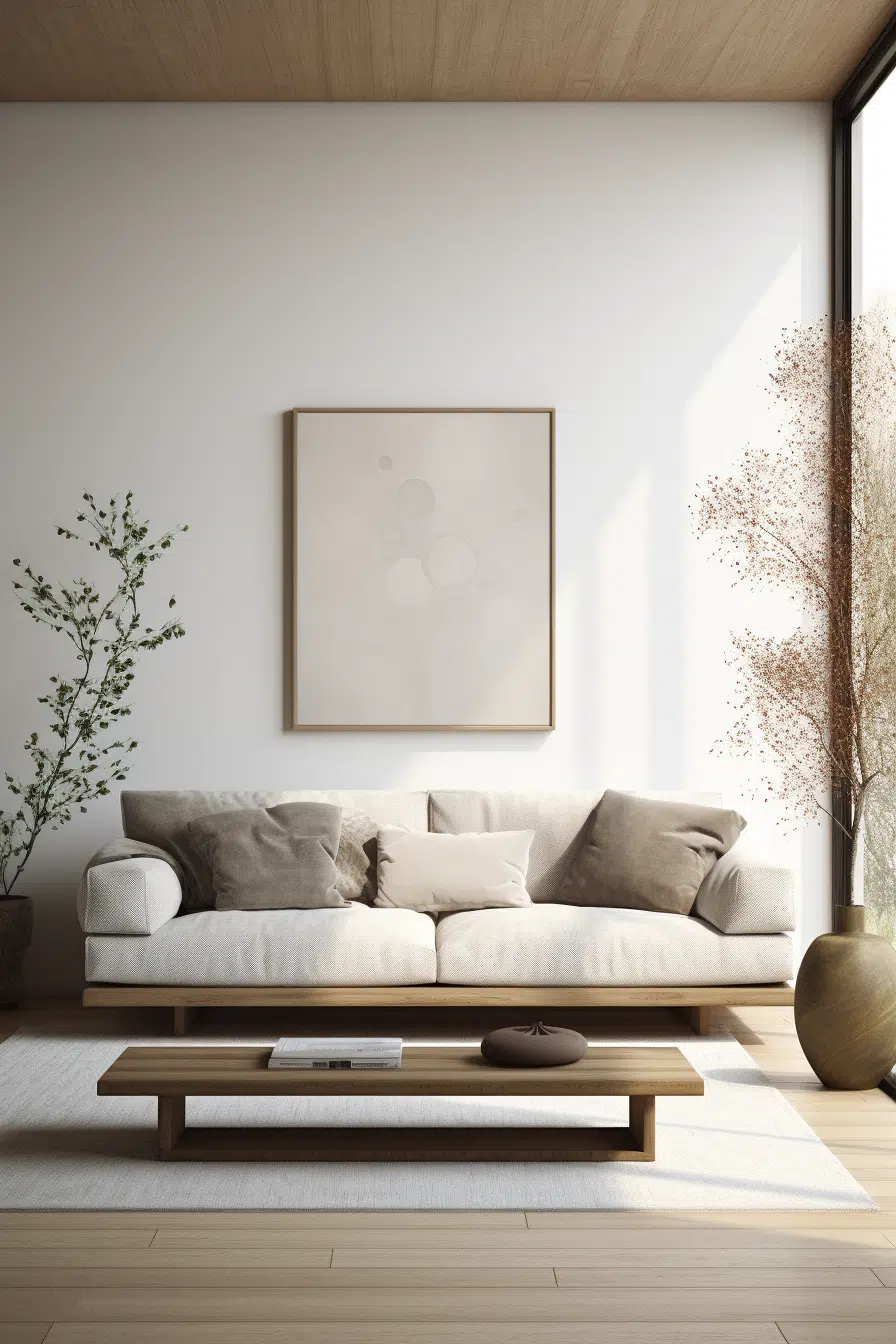
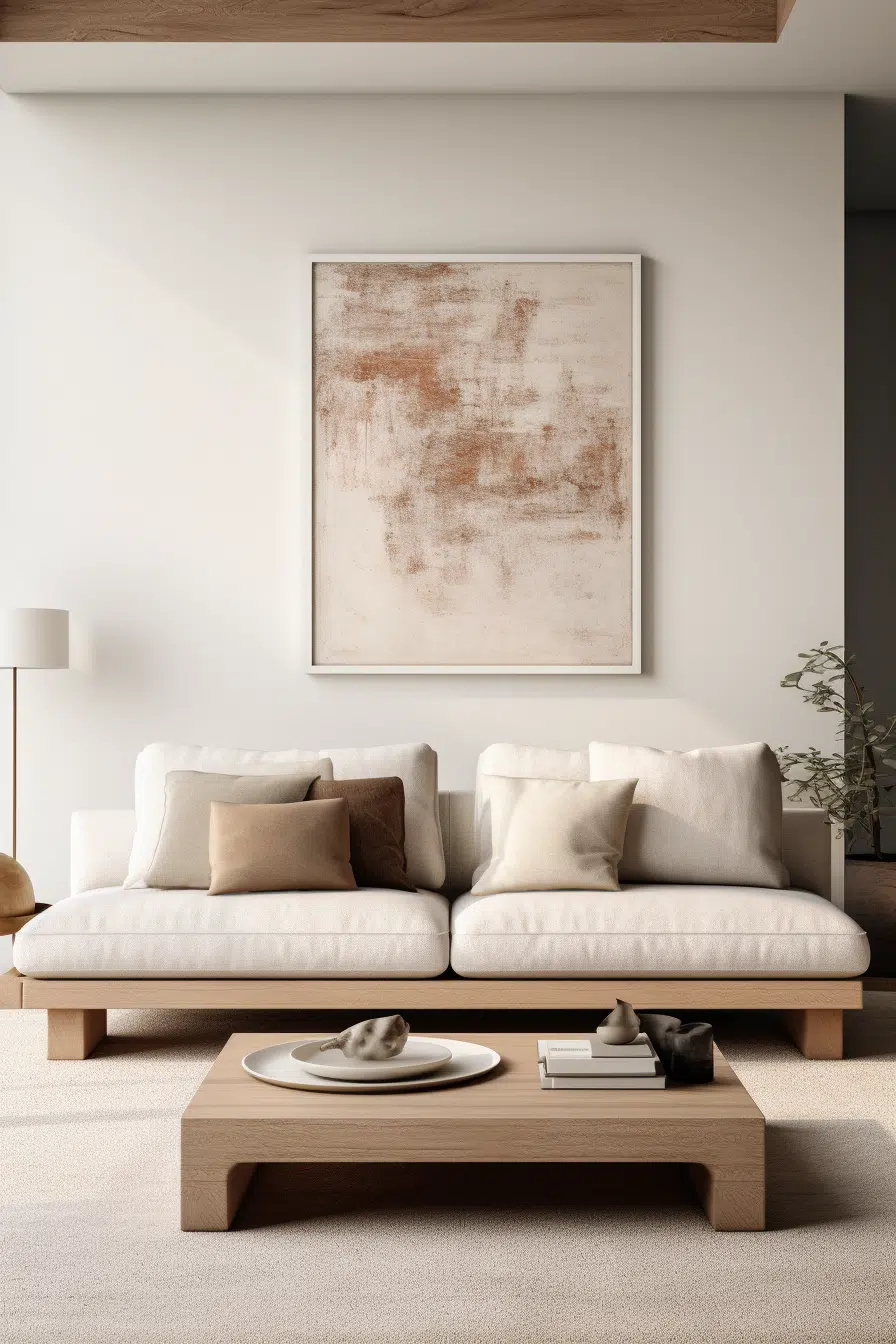
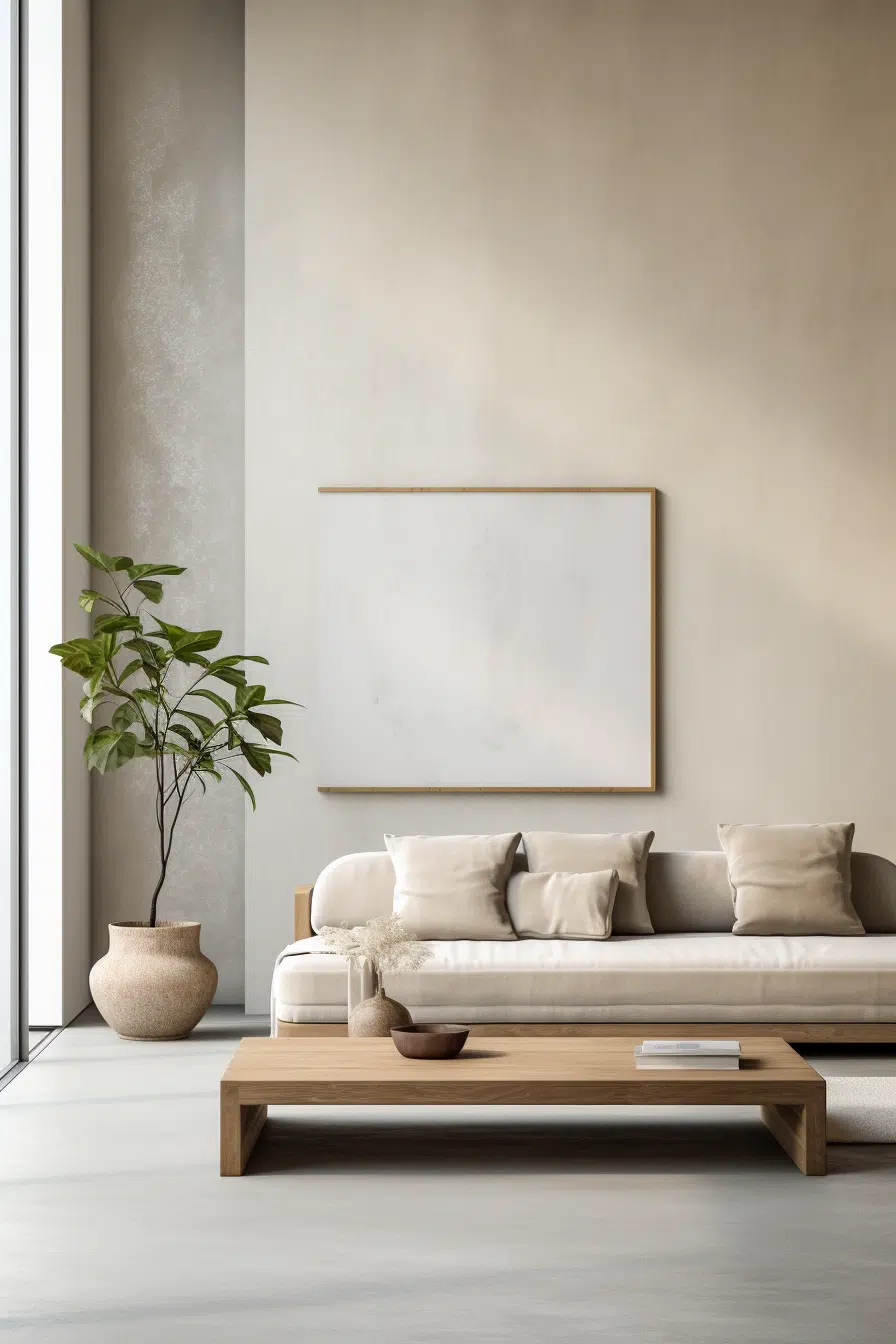
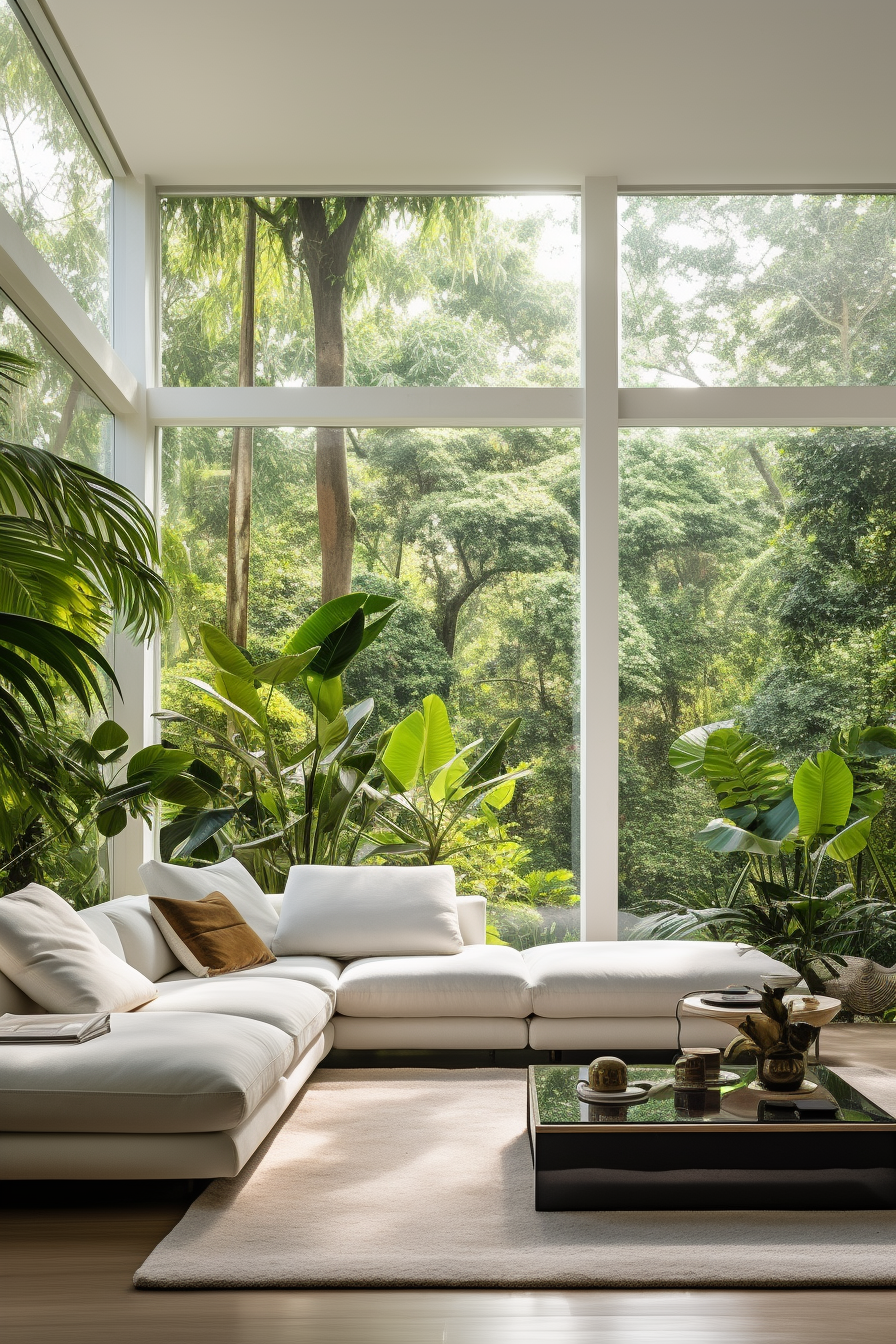
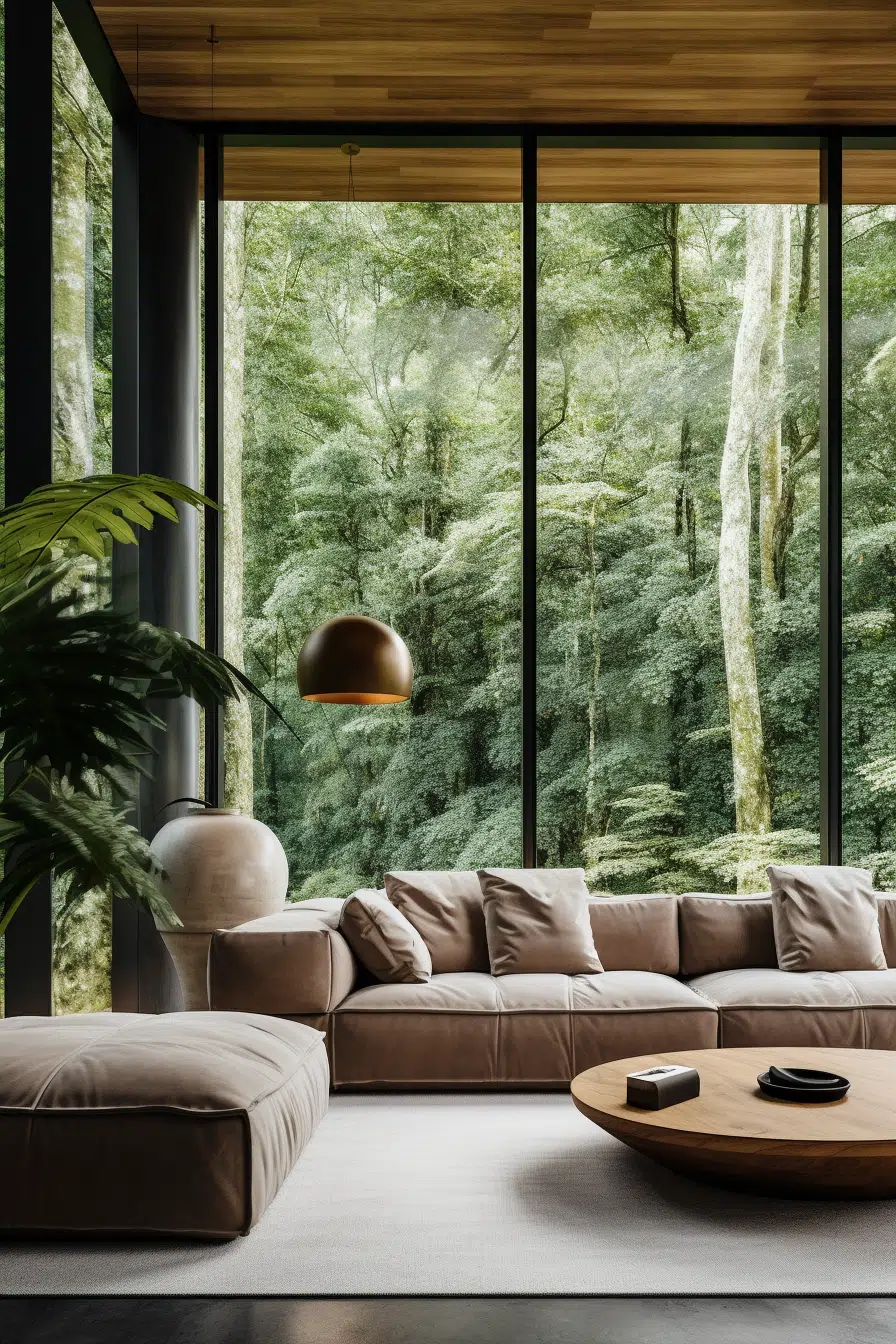
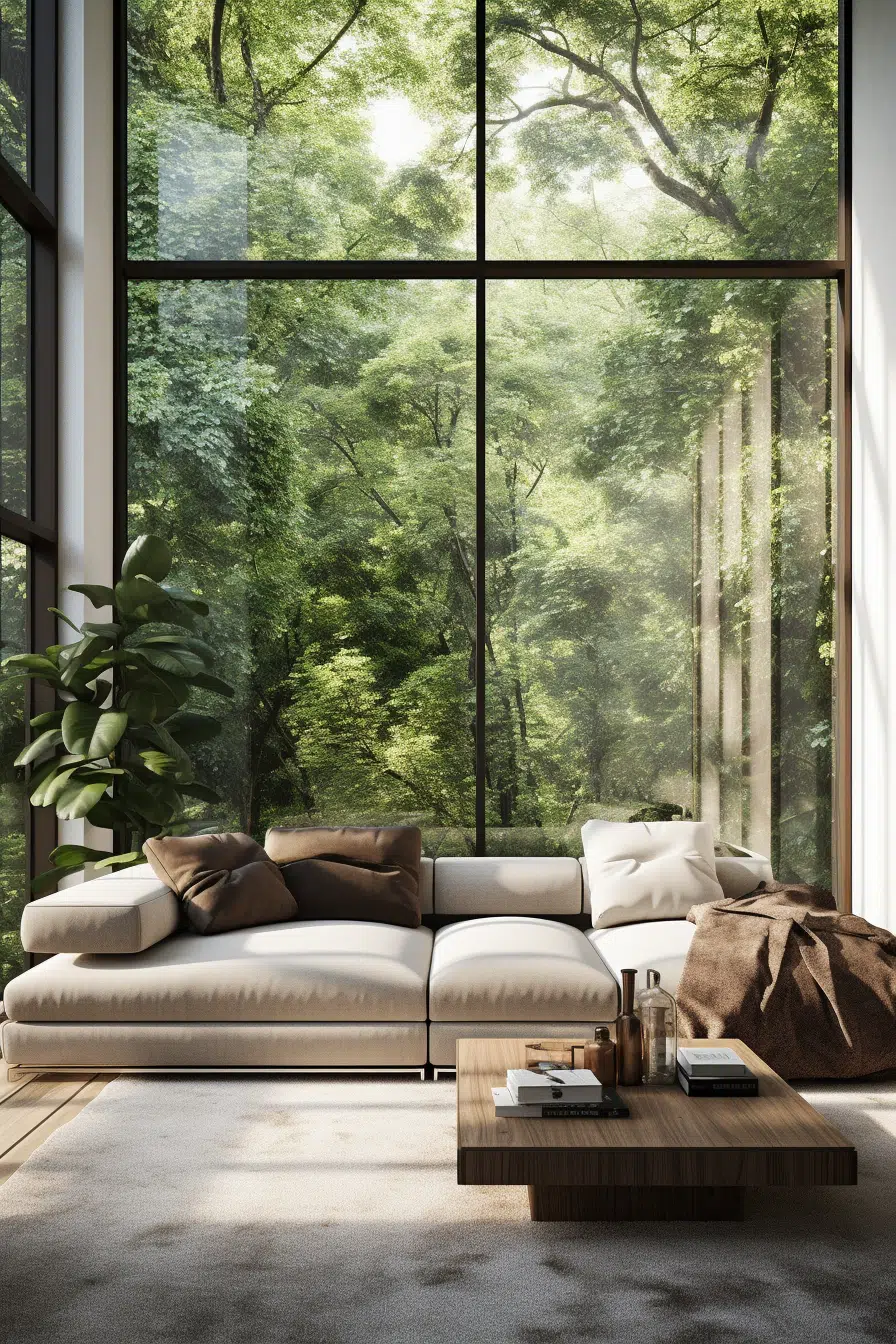
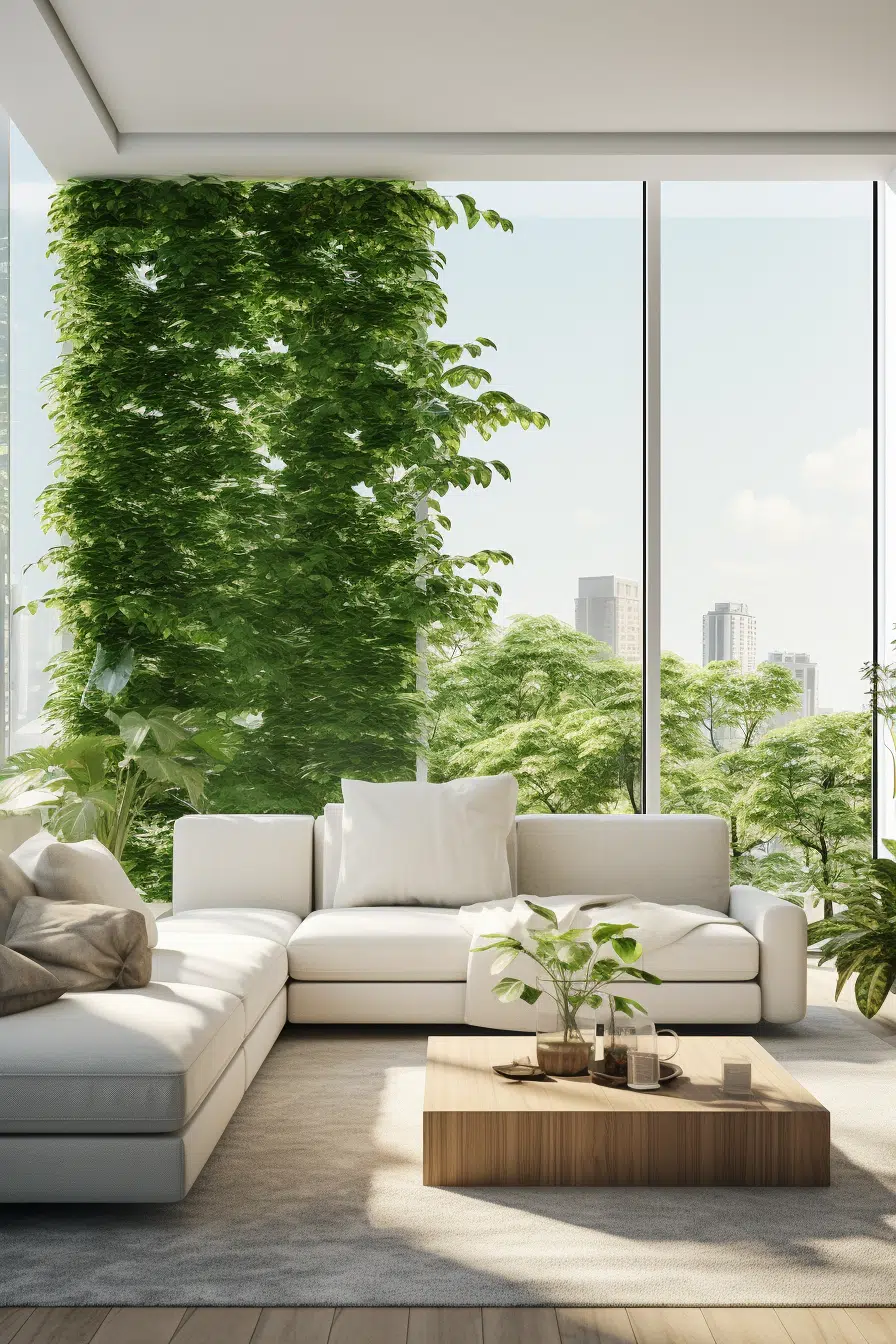
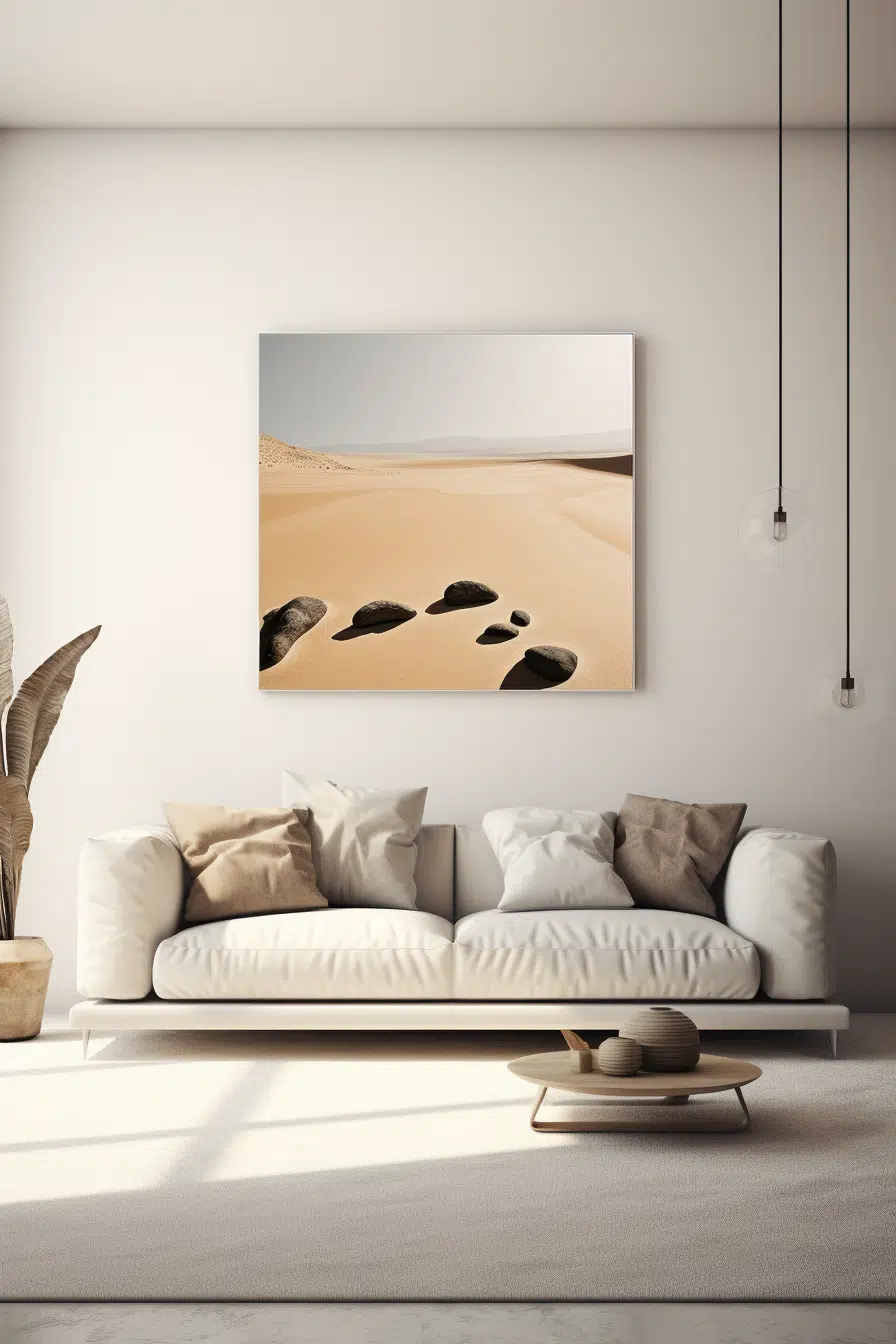
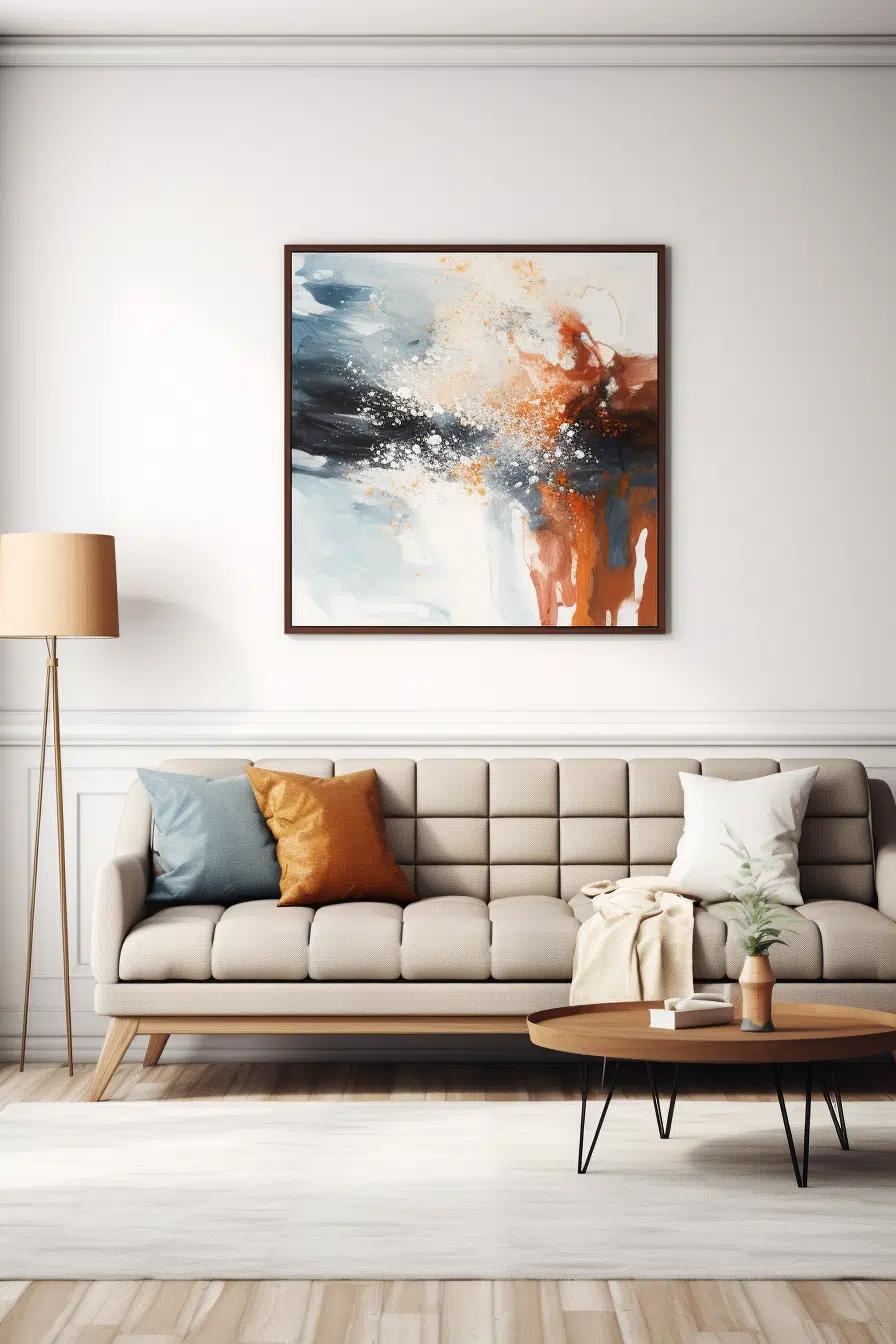
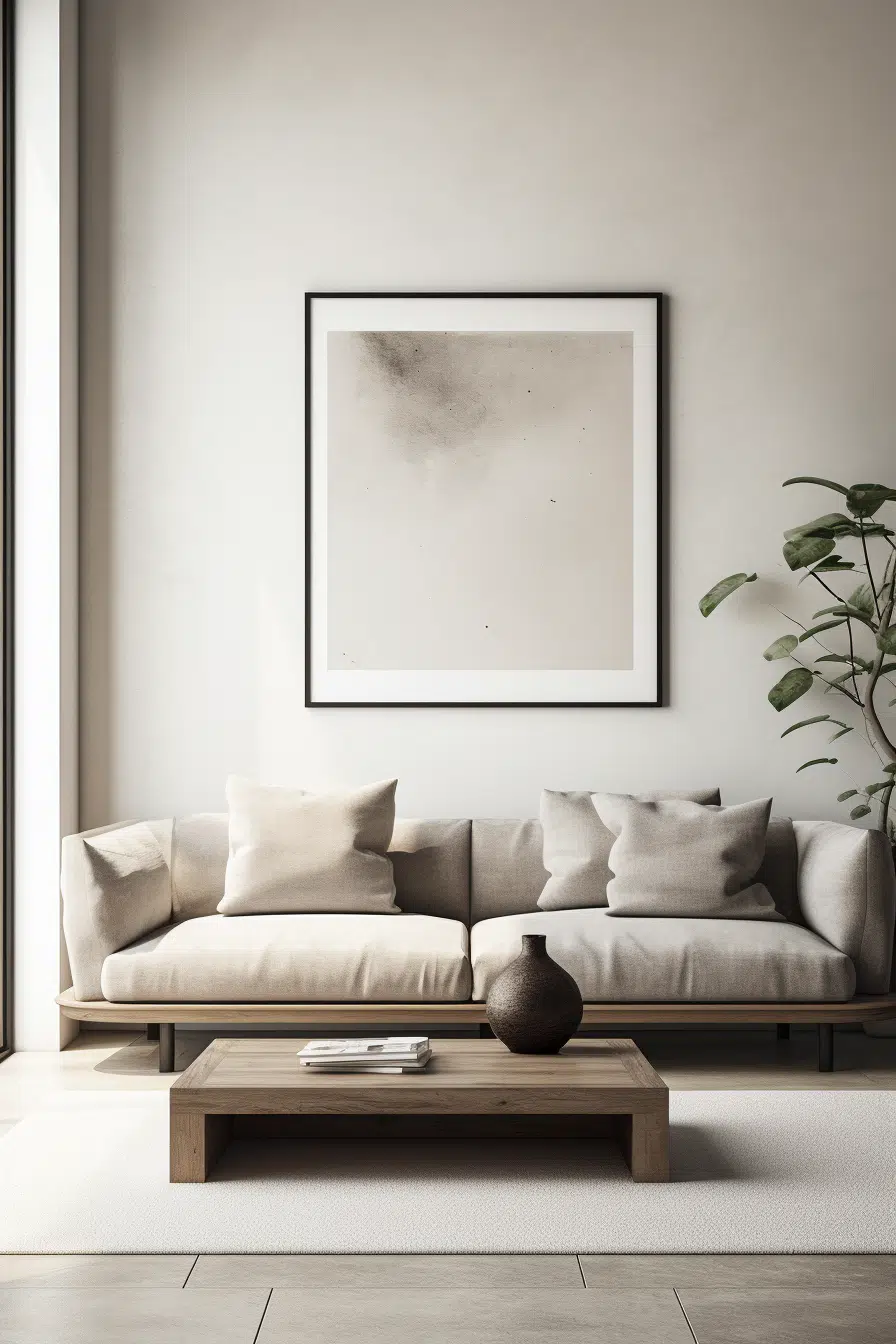
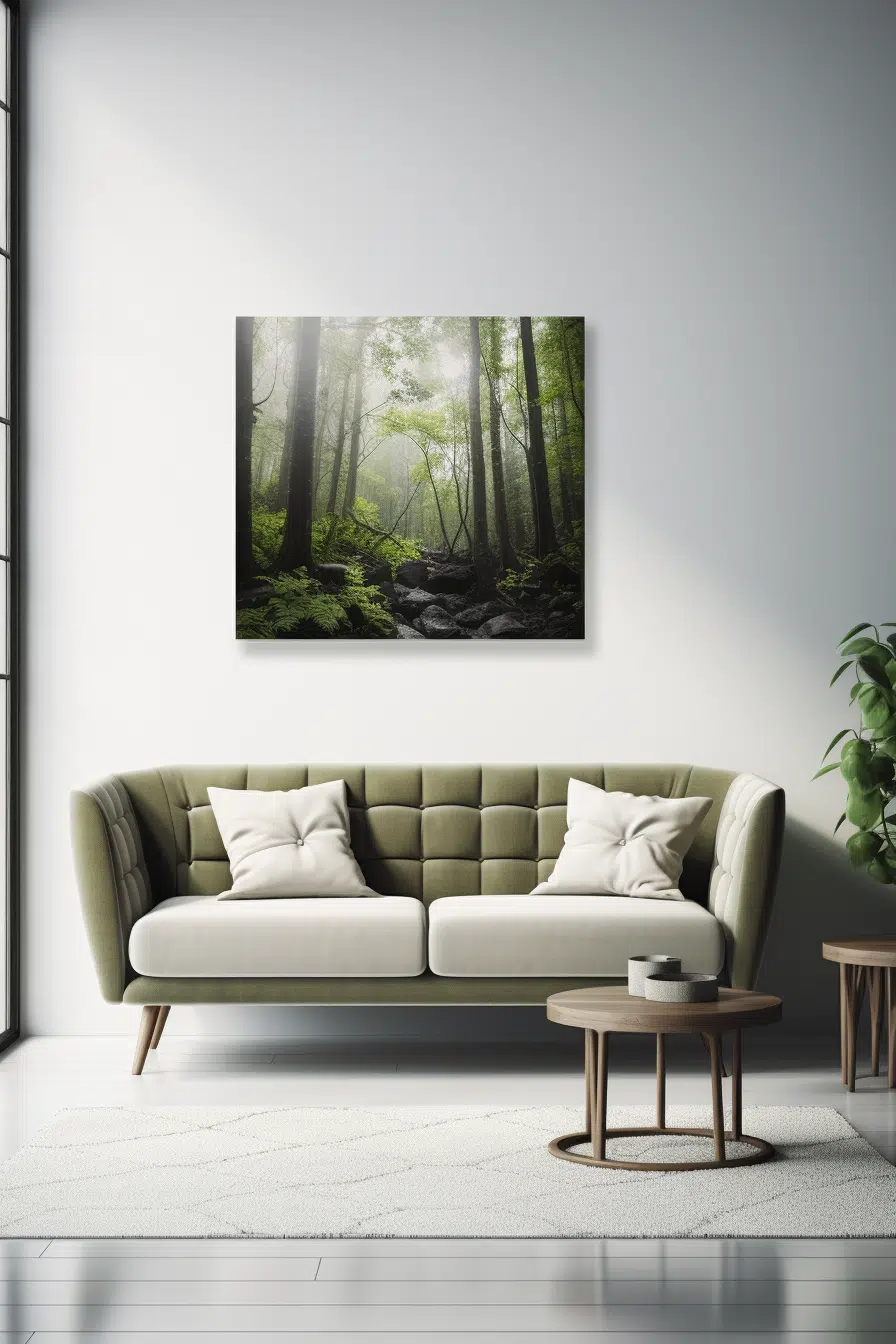
In interior design, the allure of organic minimalism has surged in popularity, offering a serene harmony between nature-inspired elements and contemporary aesthetics. At the heart of this trend lies the focal point of relaxation and conviviality – the couch. With a nuanced blend of organic materials, sleek designs, and minimalist sensibilities, modern organic couches and sofas epitomize both comfort and style.
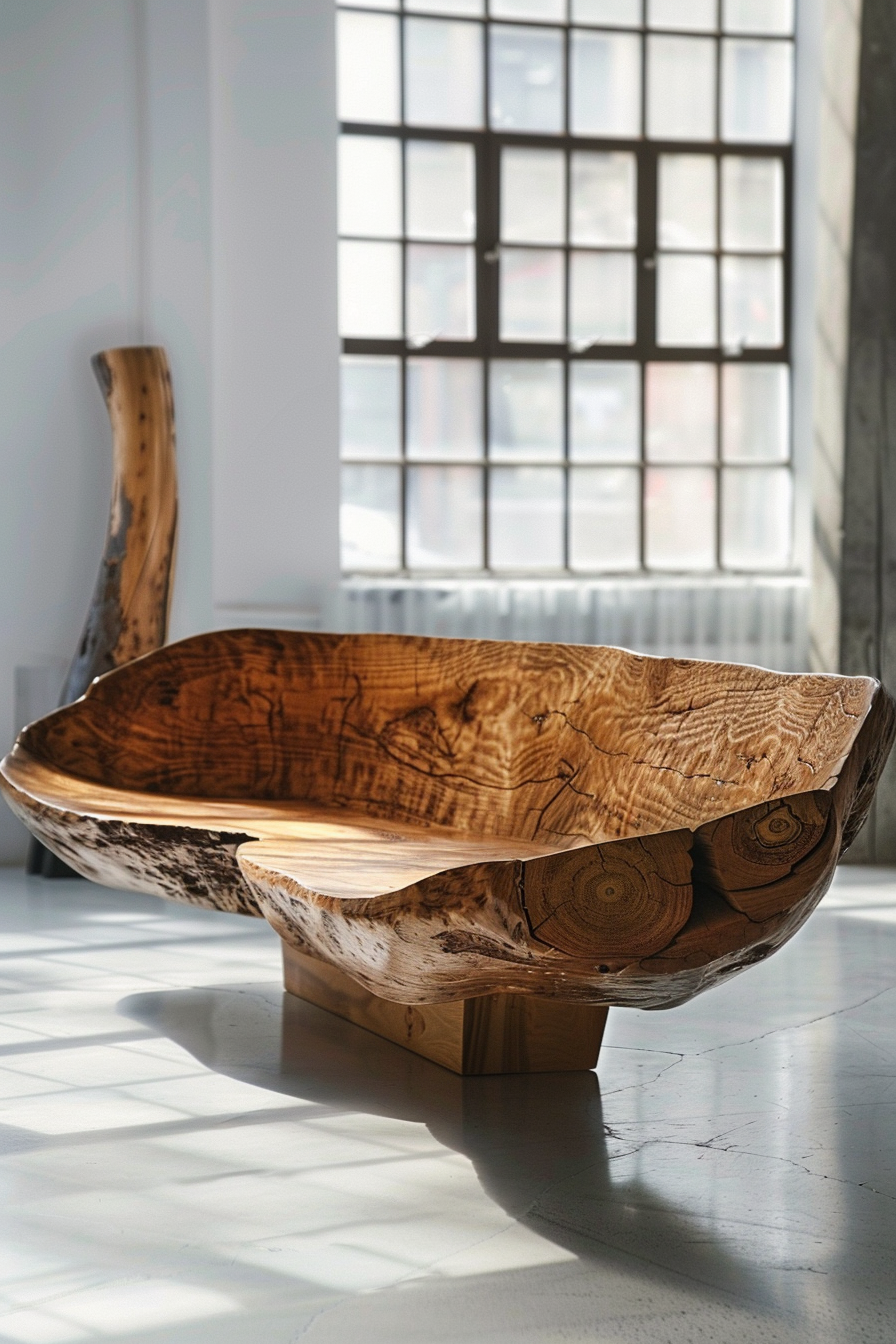
This article embarks on a visual journey, presenting a curated collection of over 99 captivating modern organic couches. From the fluid lines of organic shapes to the clean simplicity of minimalist designs, these couches redefine the concept of seating and serve as a wellspring of inspiration for creating inviting and harmonious living spaces.
Just as Henry David Thoreau found harmony in nature at Walden Pond, you too can foster a sense of environmental balance in your living room with an organic modern couch.
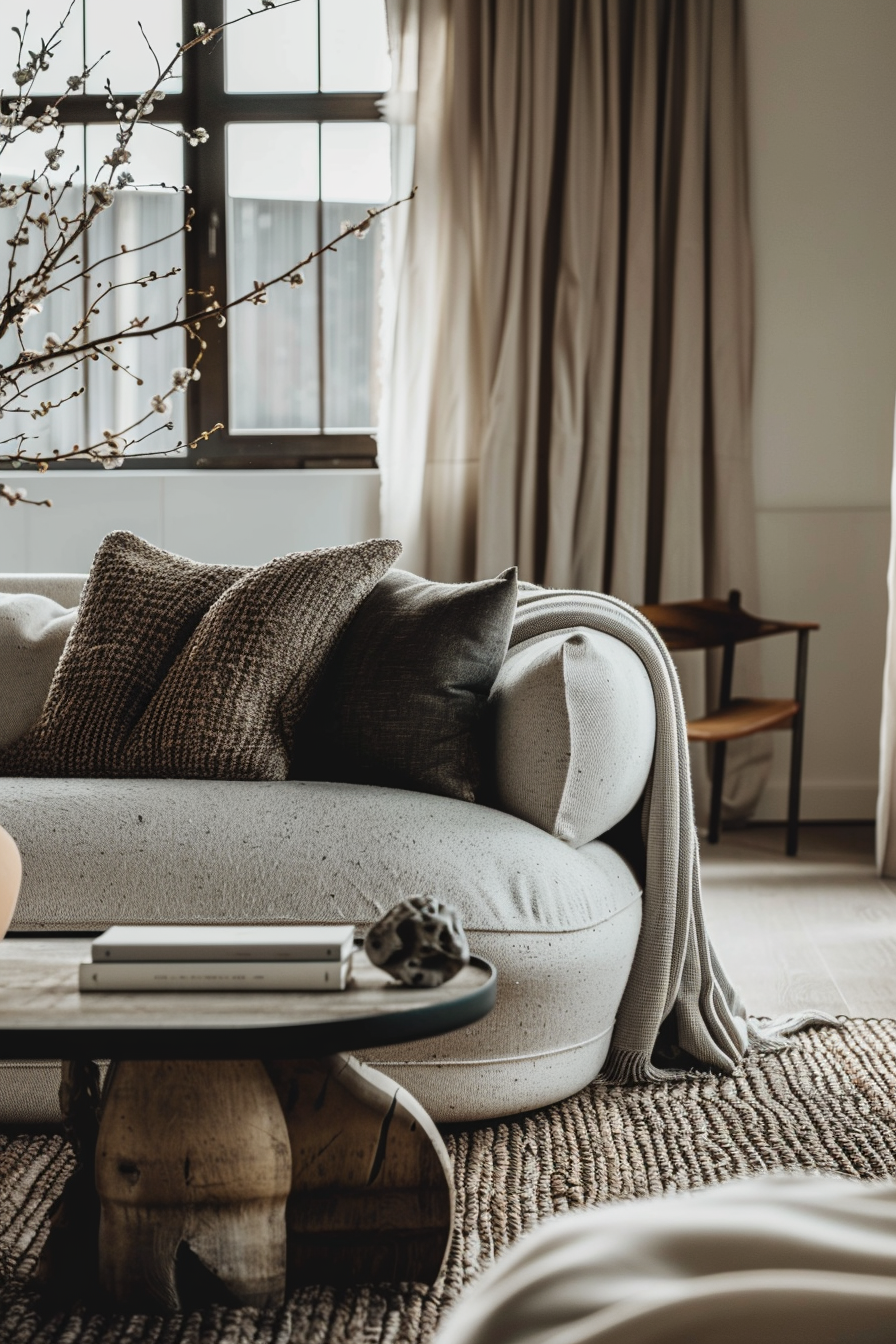
You’re not just choosing a piece of furniture; you’re making a statement about your commitment to the planet’s health.
In this article, we’ll explore the benefits of eco-friendly furniture and how it can transform your space and mindset.
We’ll guide you through selecting the right sustainable sofa that doesn’t compromise on style or comfort.
Lastly, we’ll provide tips on the care and maintenance of your eco-friendly couch to ensure it lasts for years.
So, please sit back, relax, and embark on this journey towards a greener, more sustainable future together.
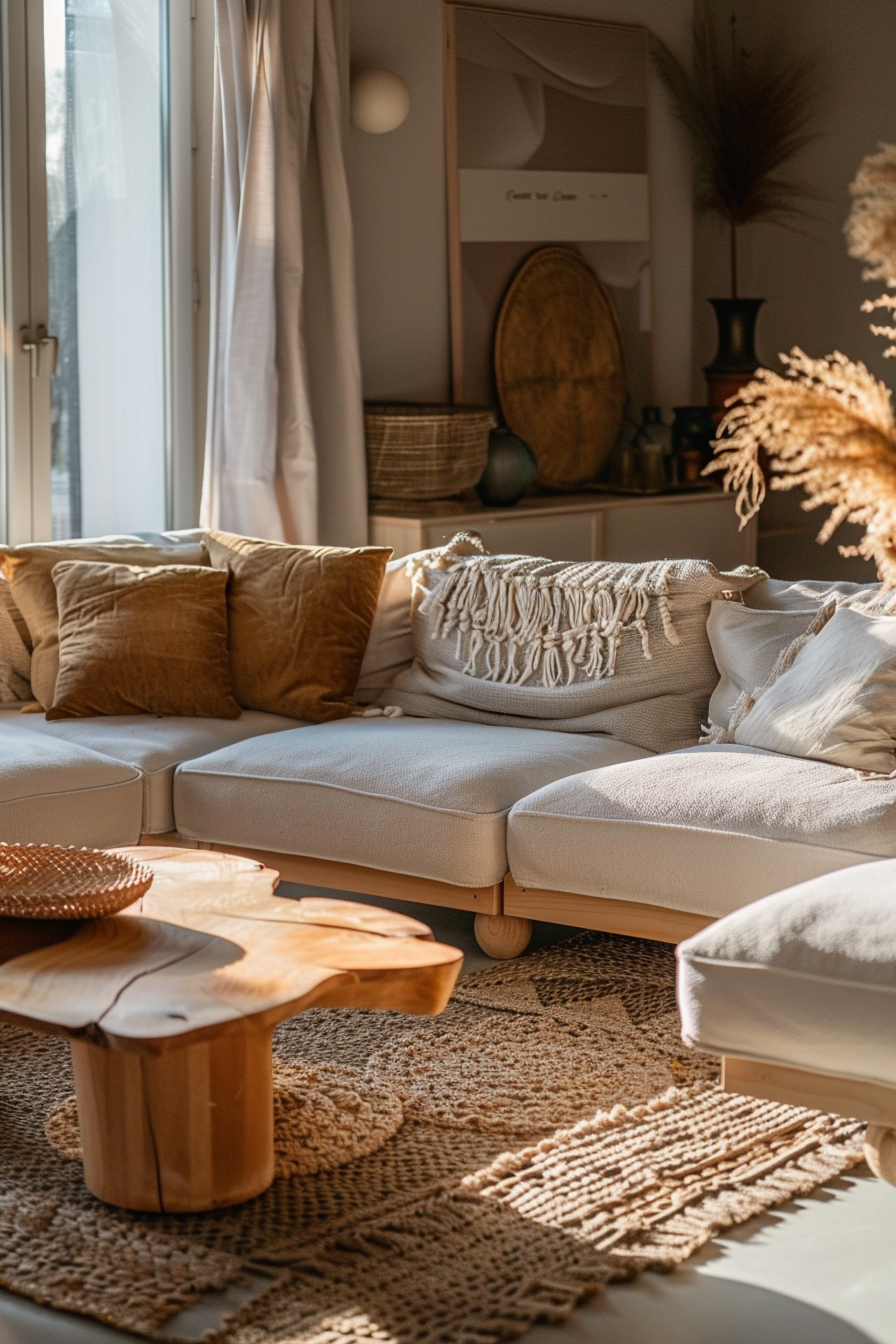
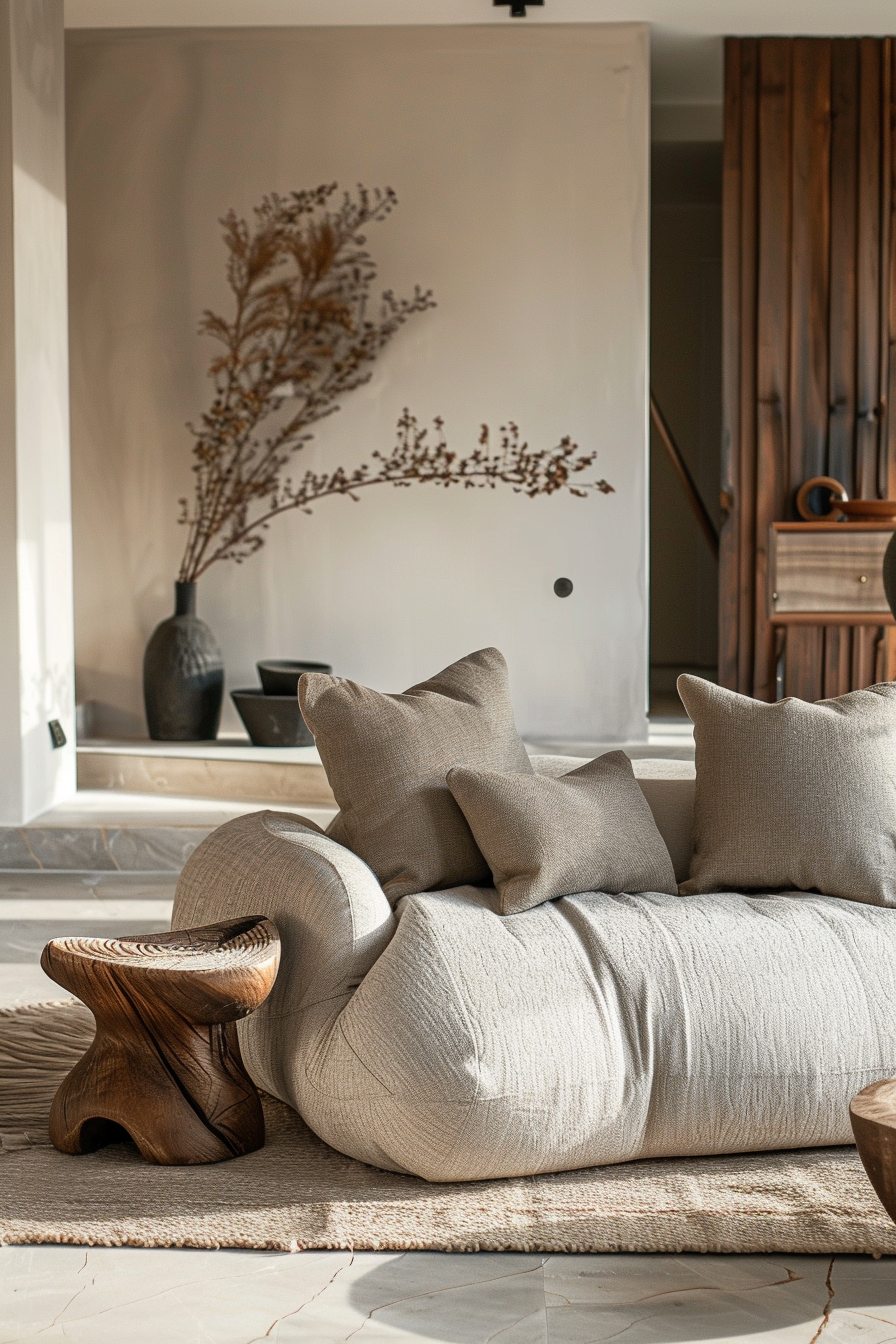
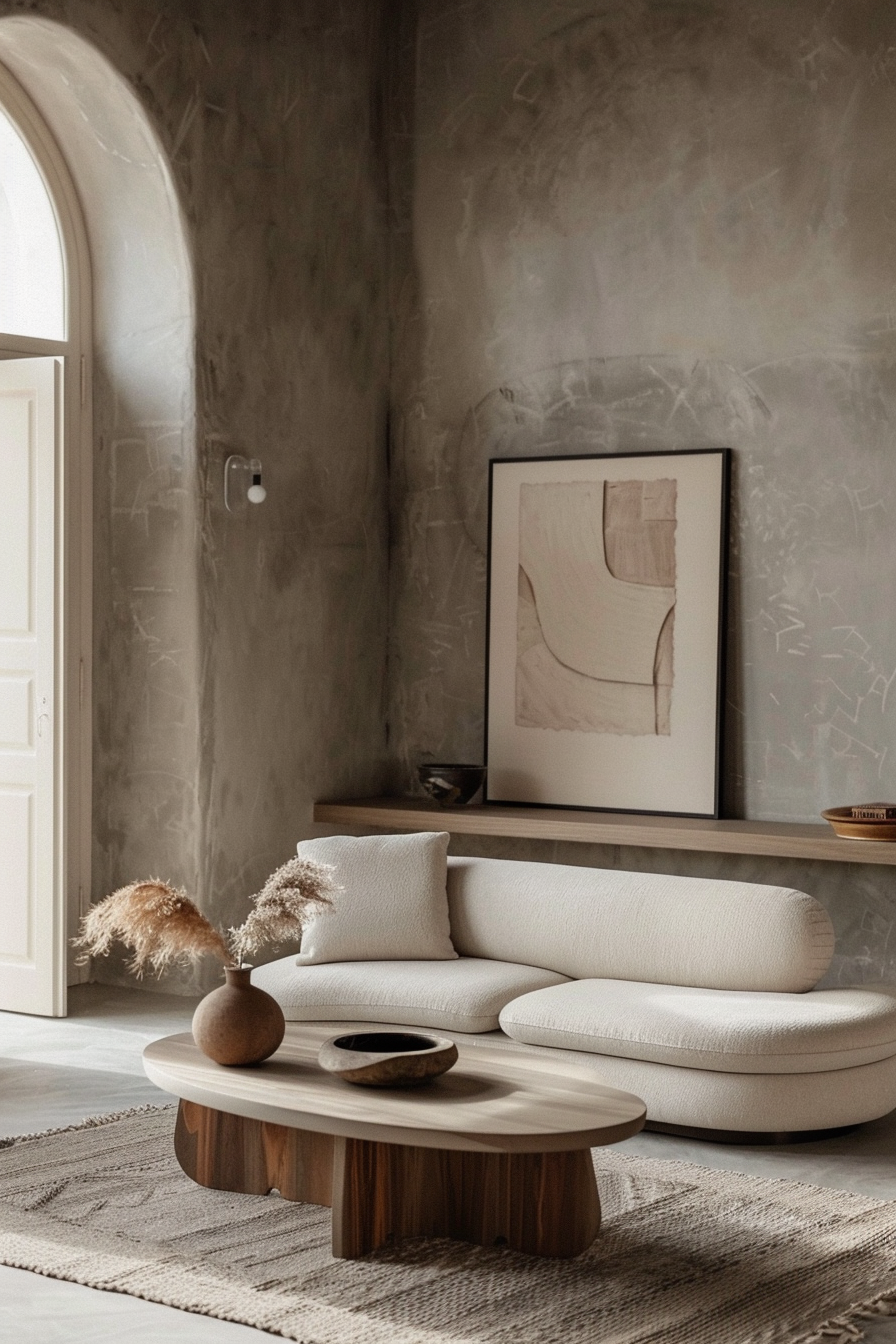
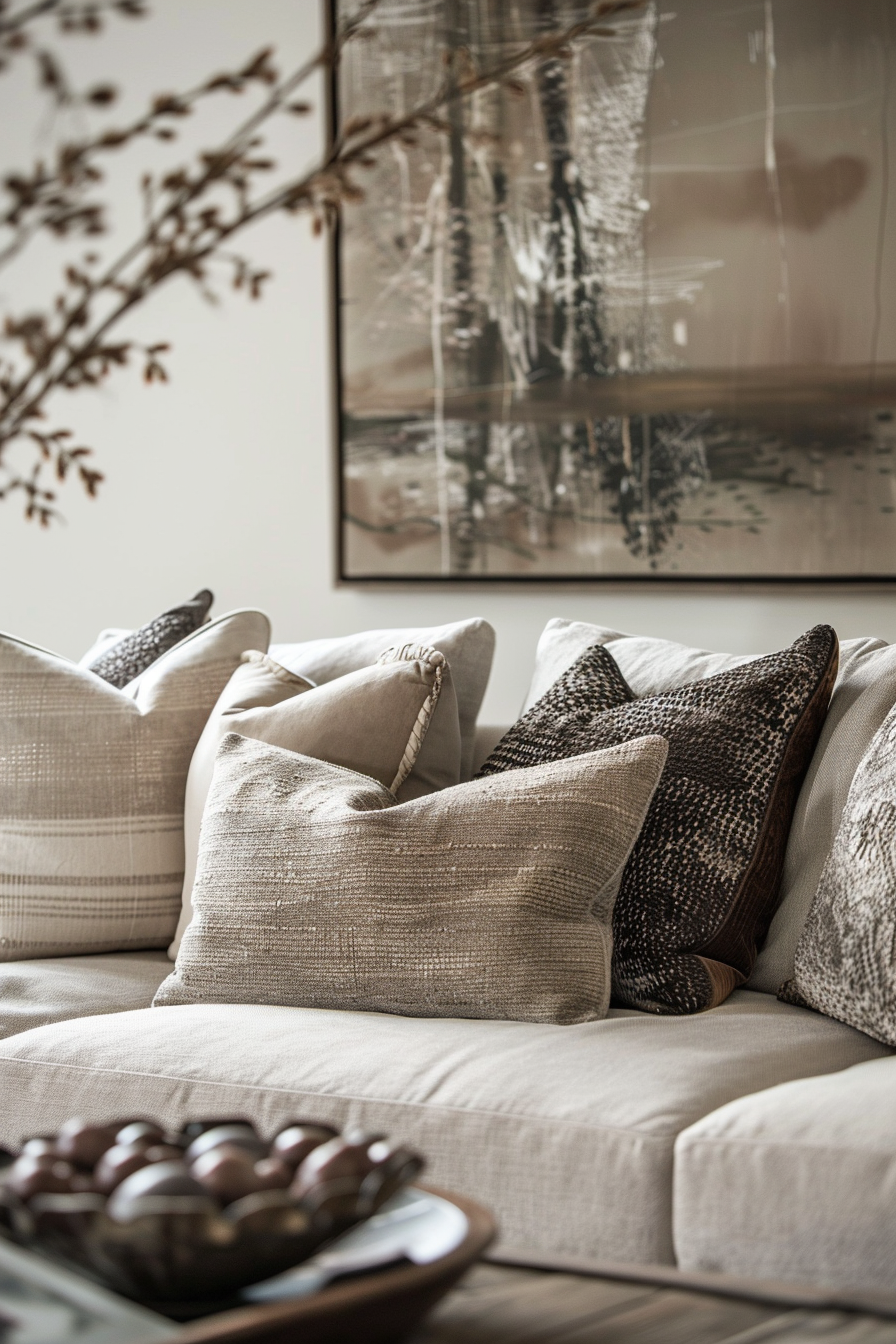
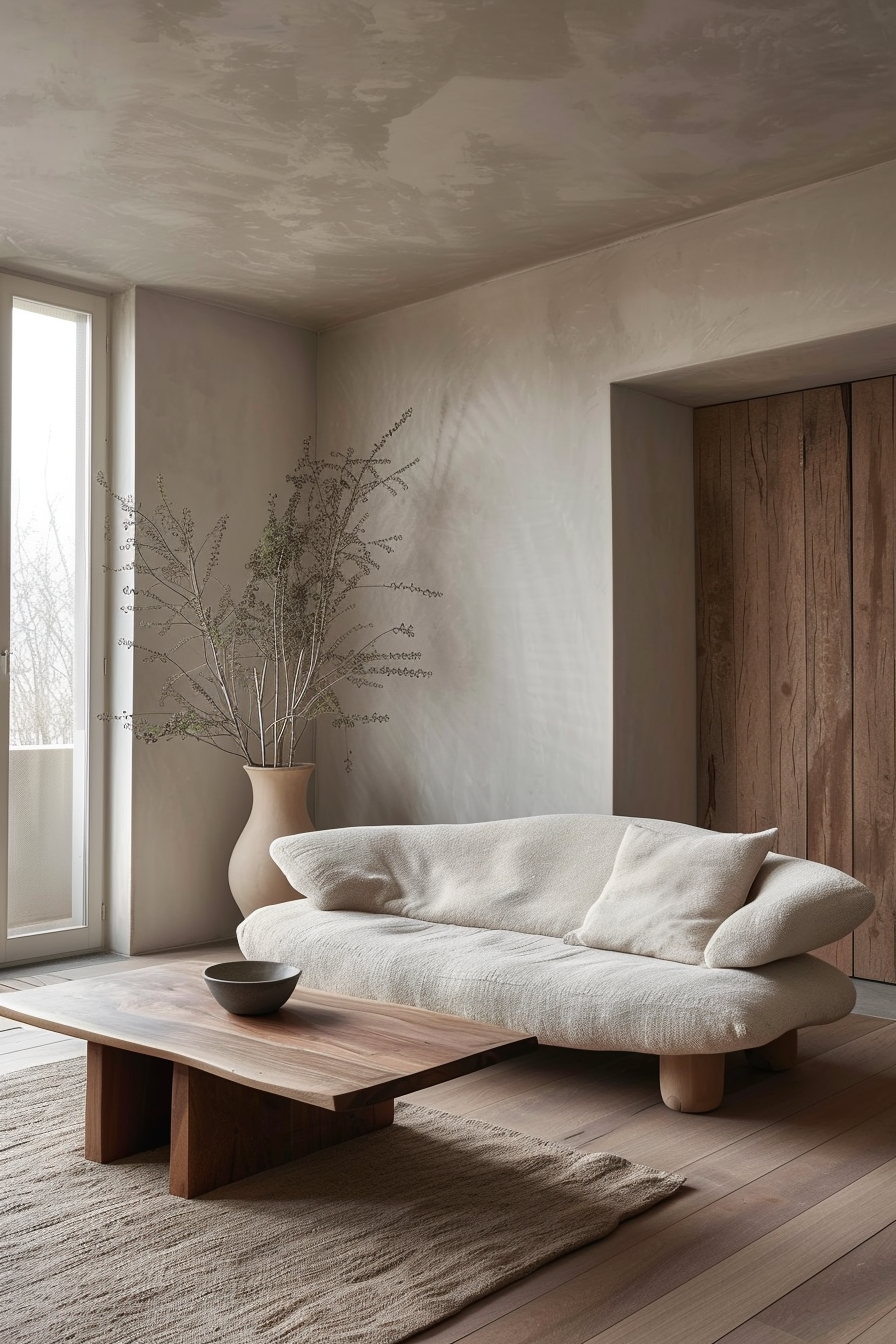
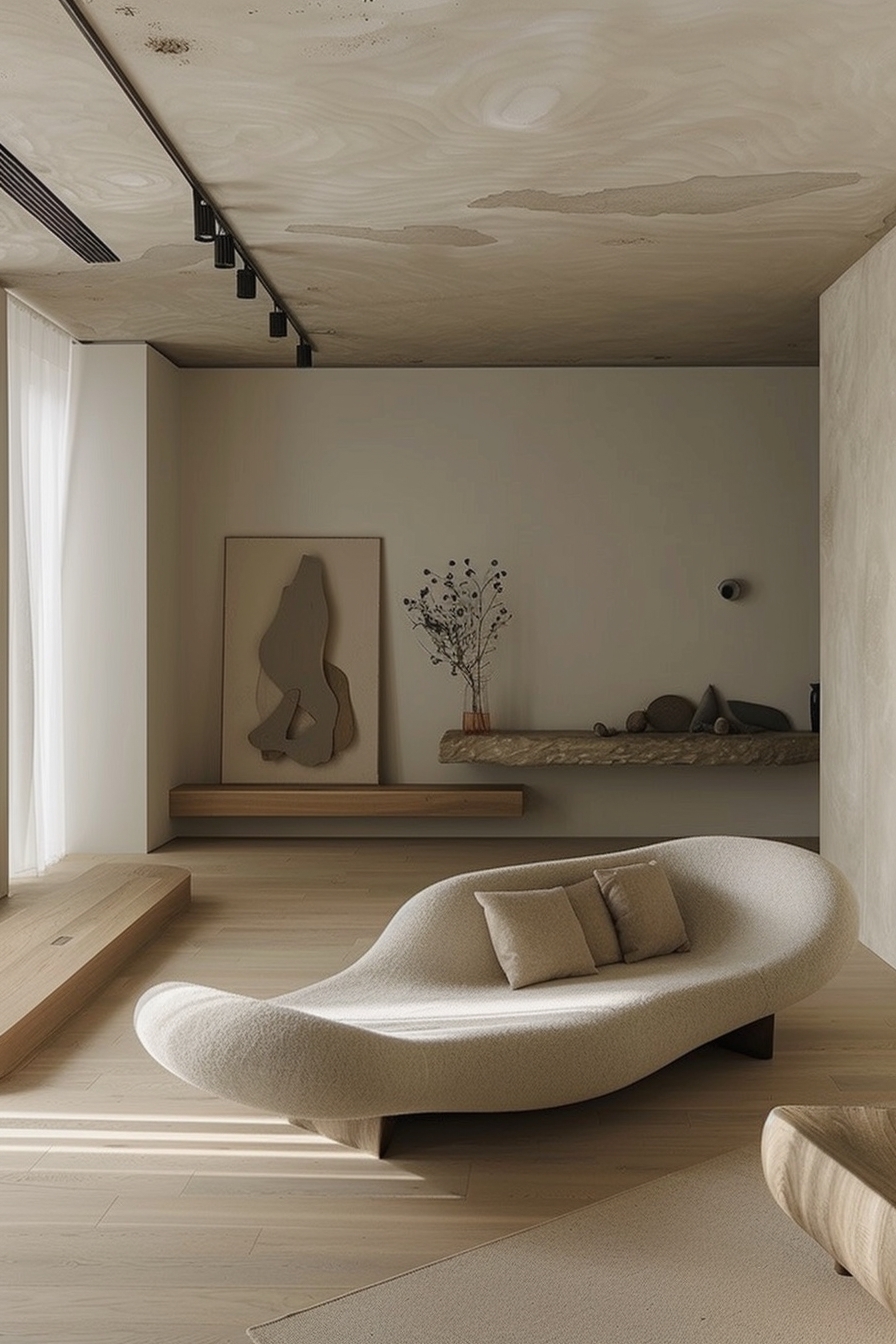
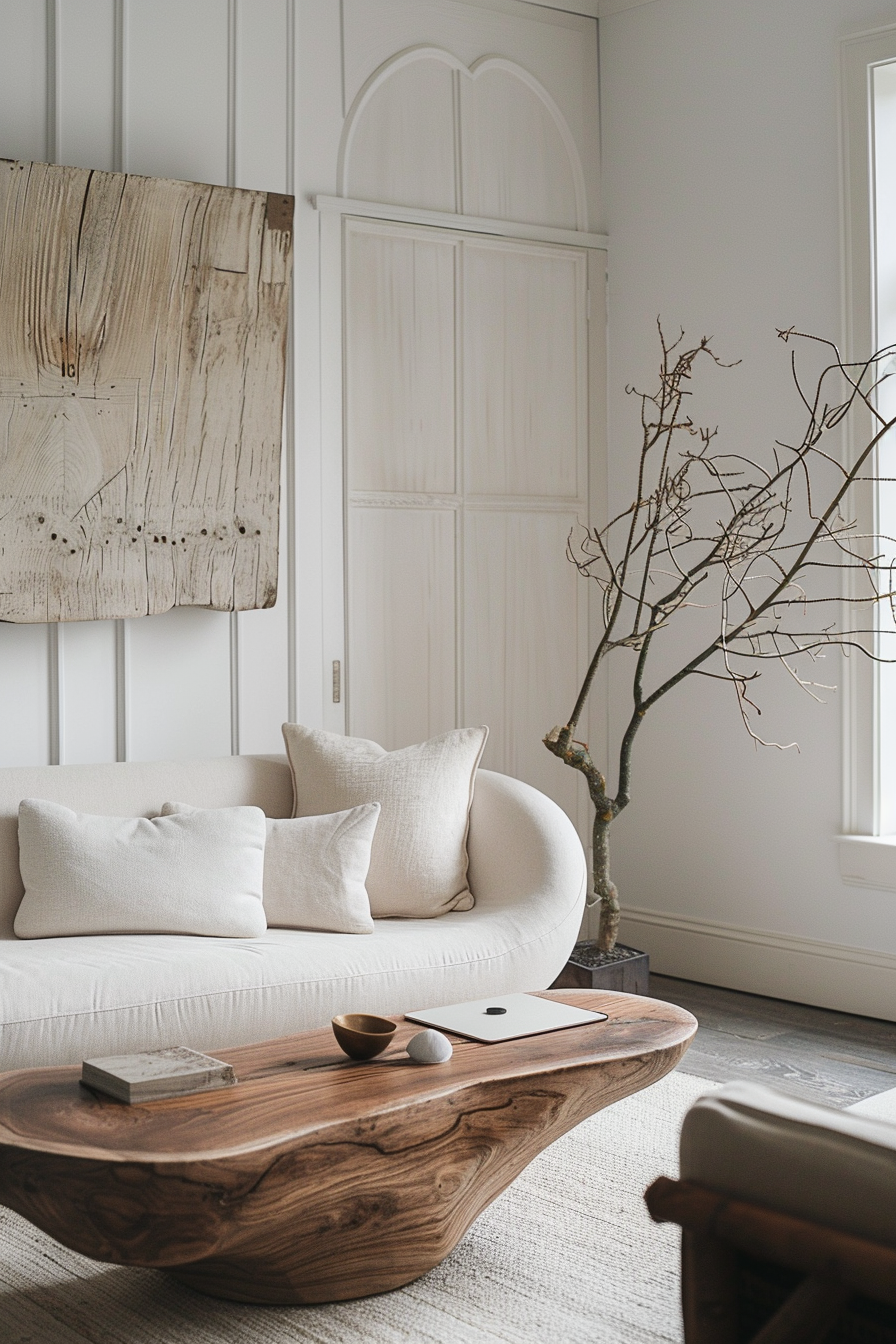
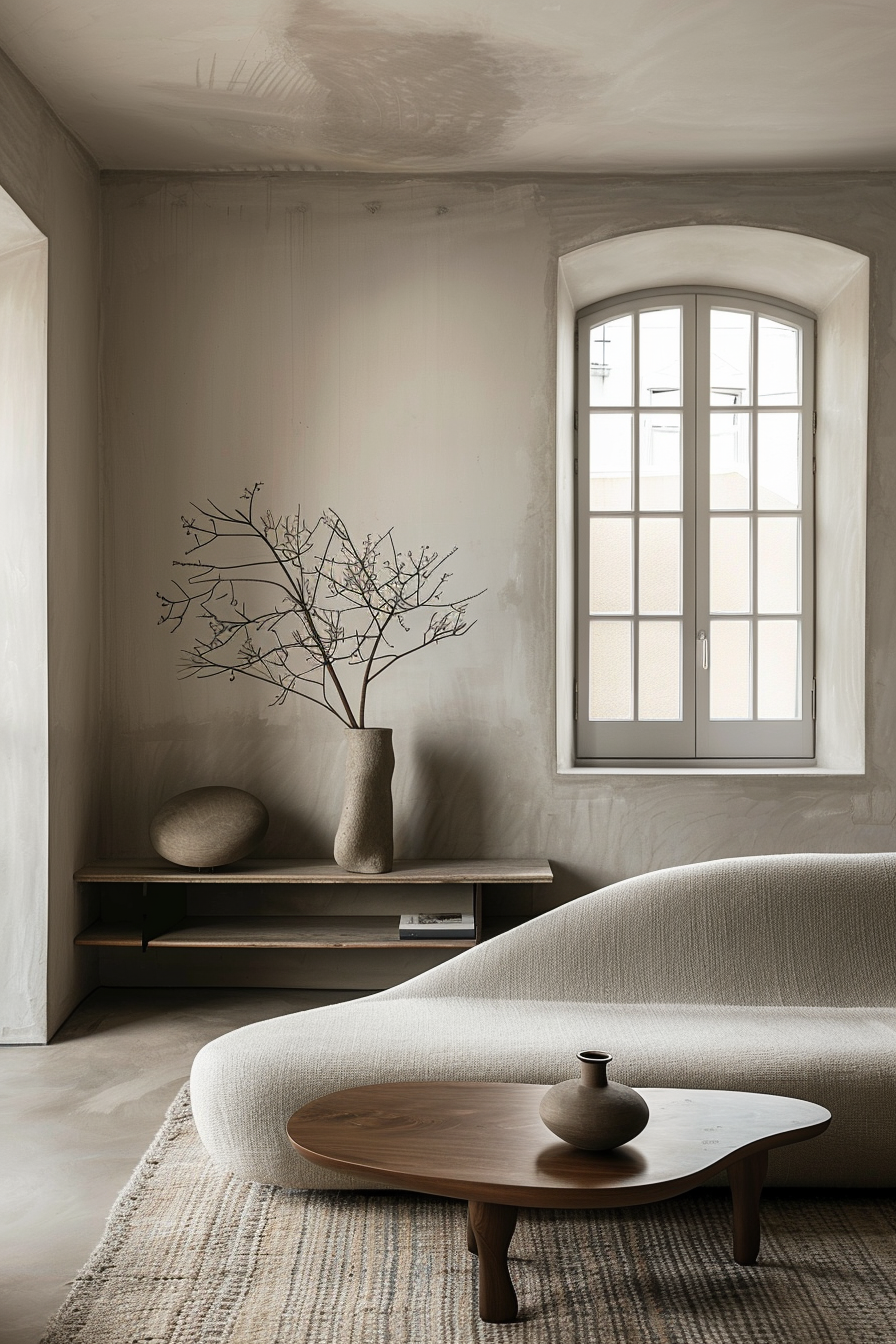
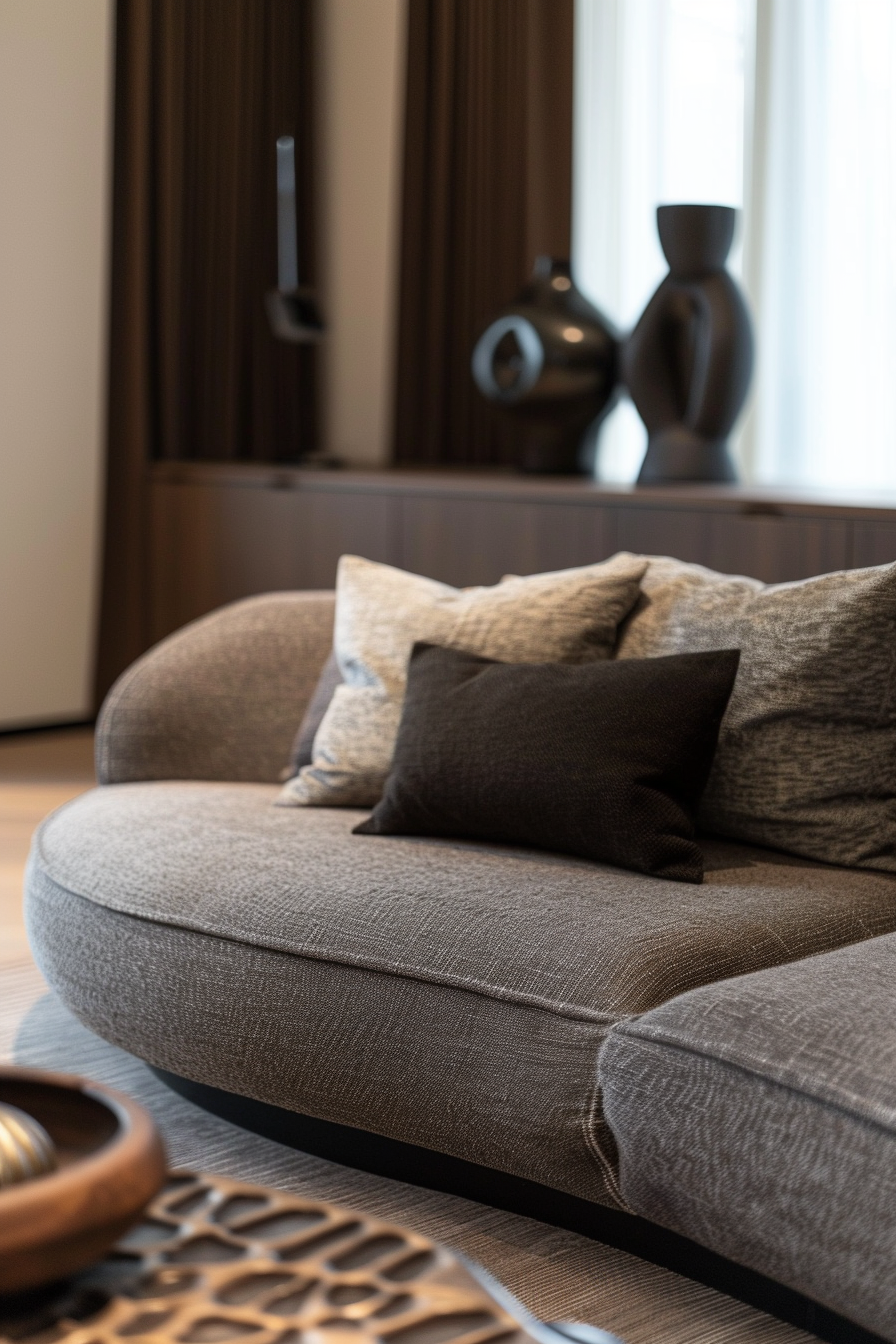
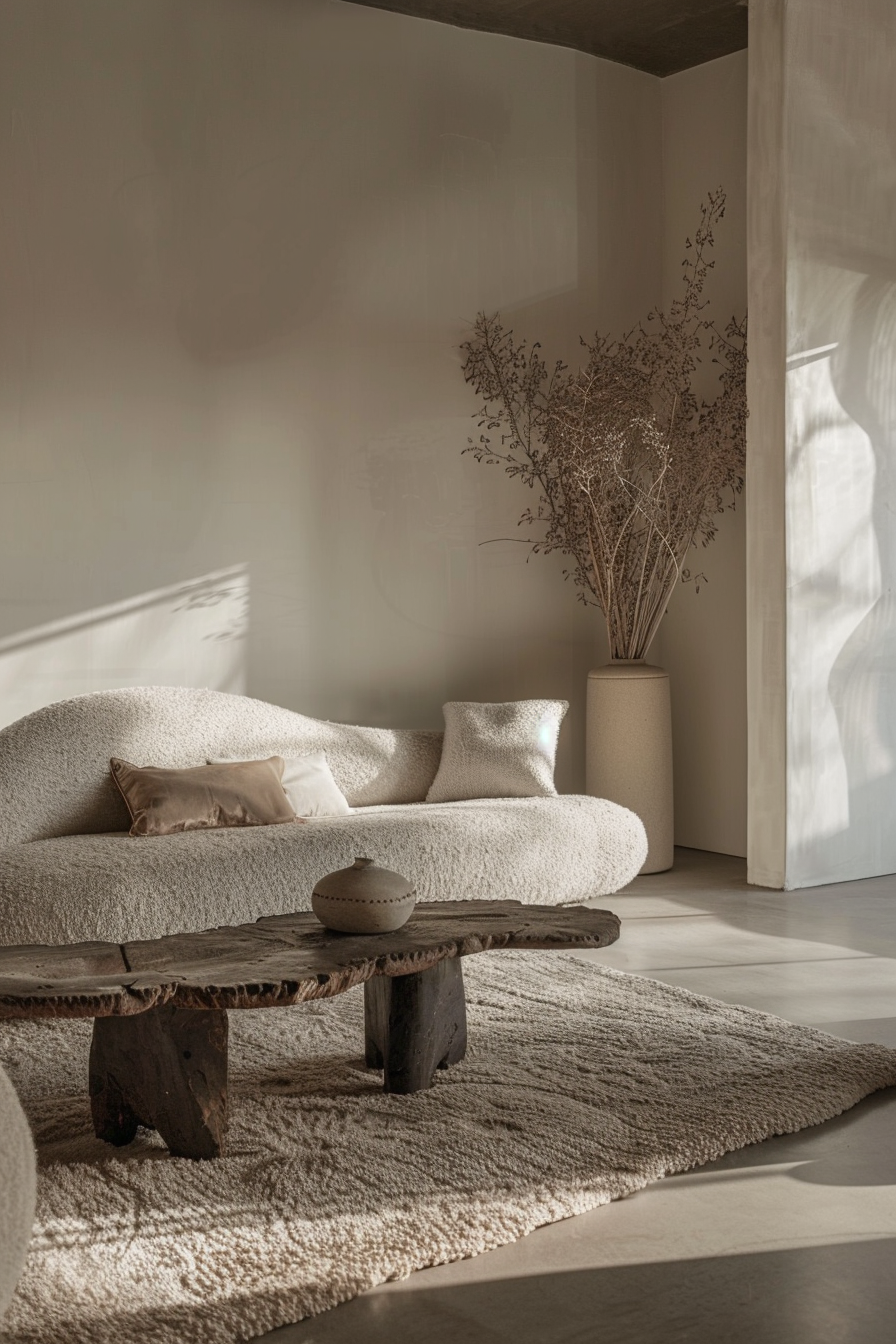
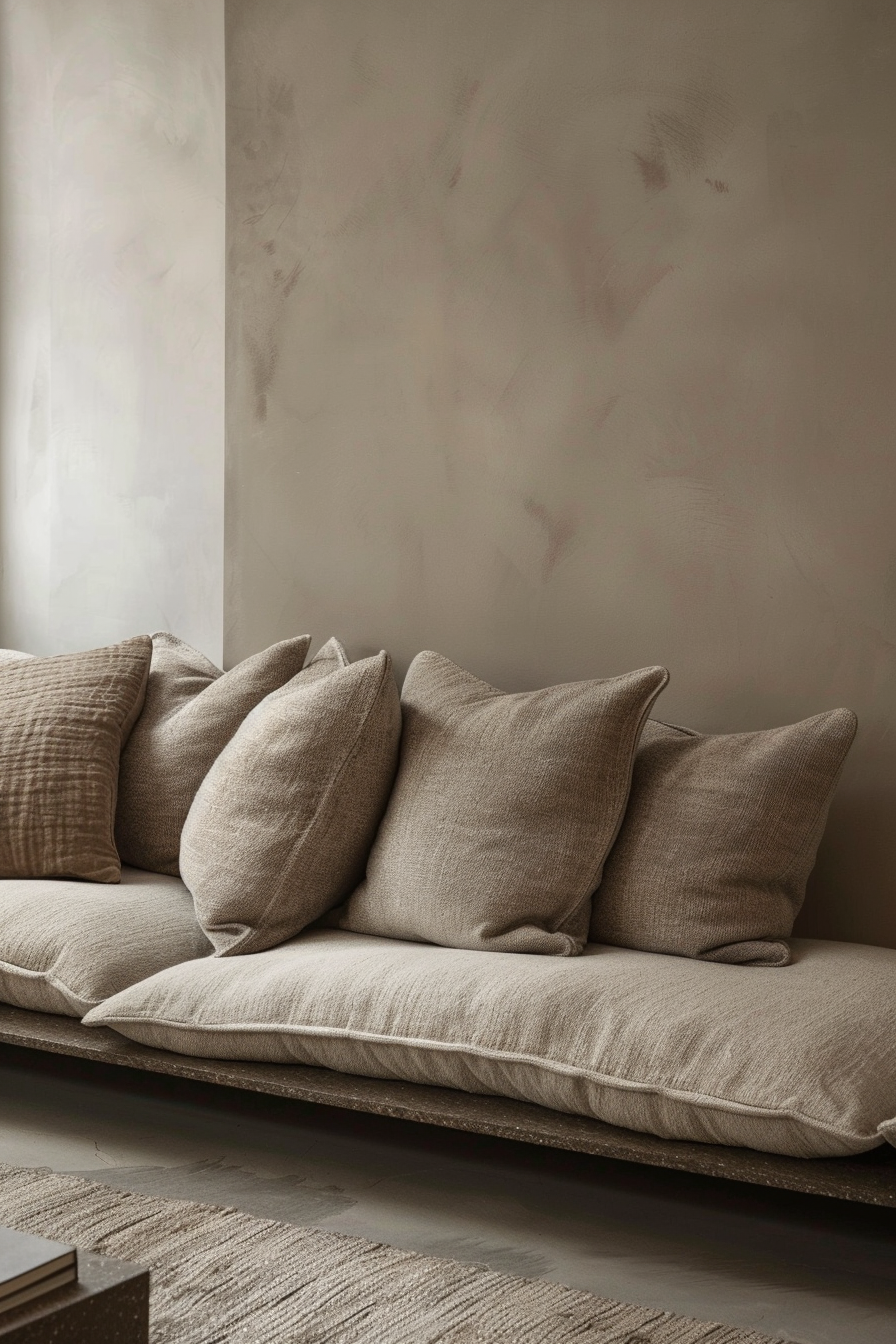
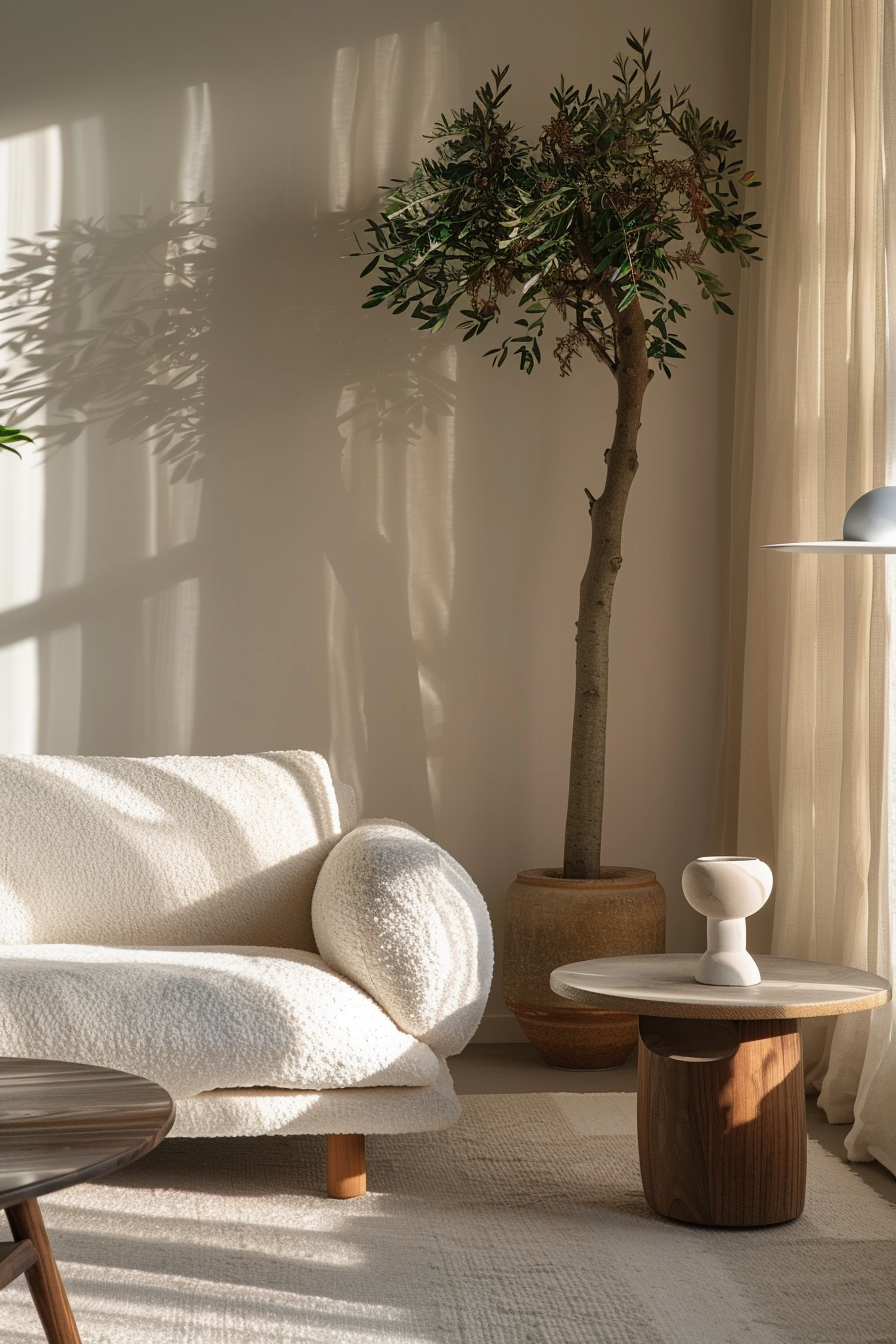
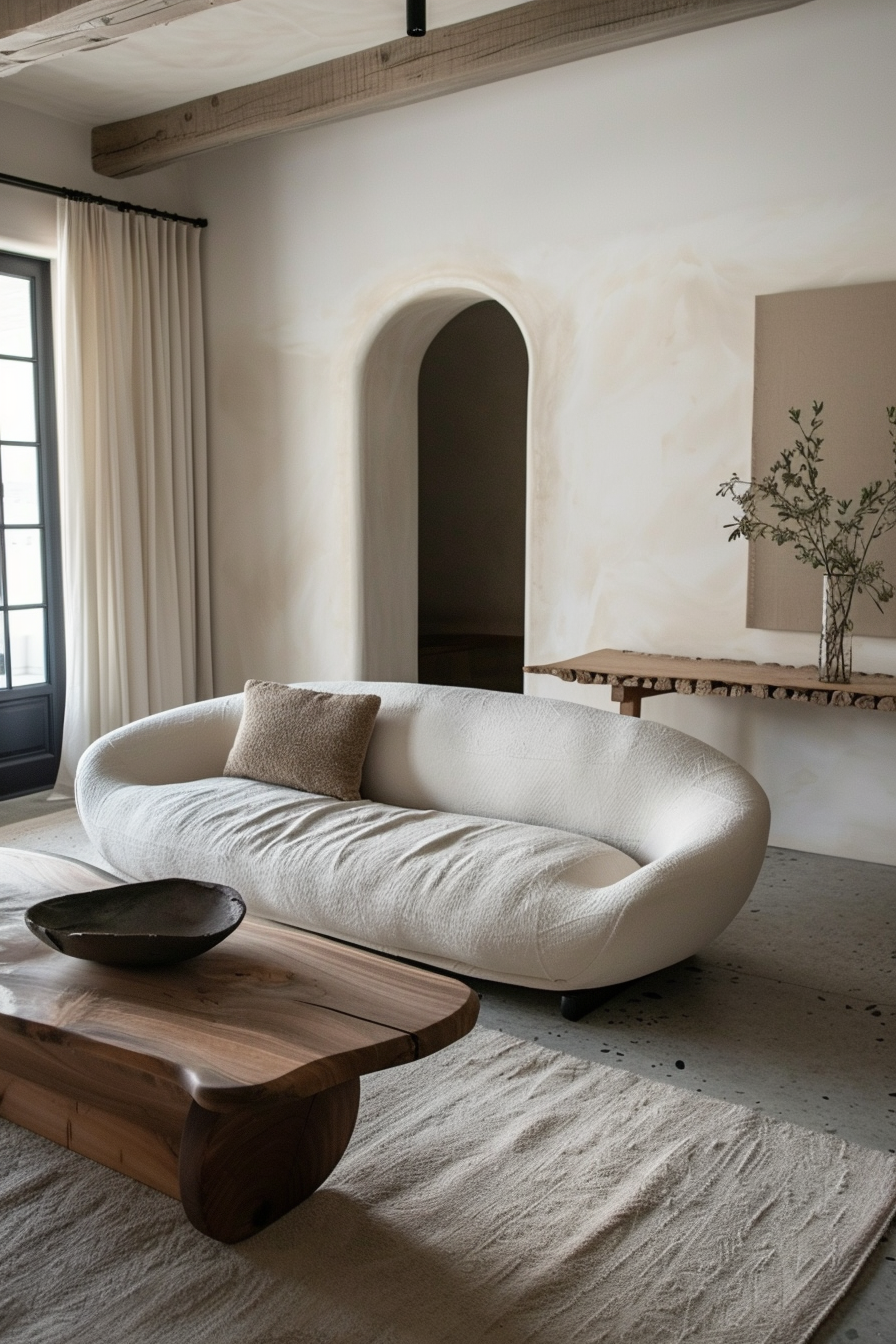
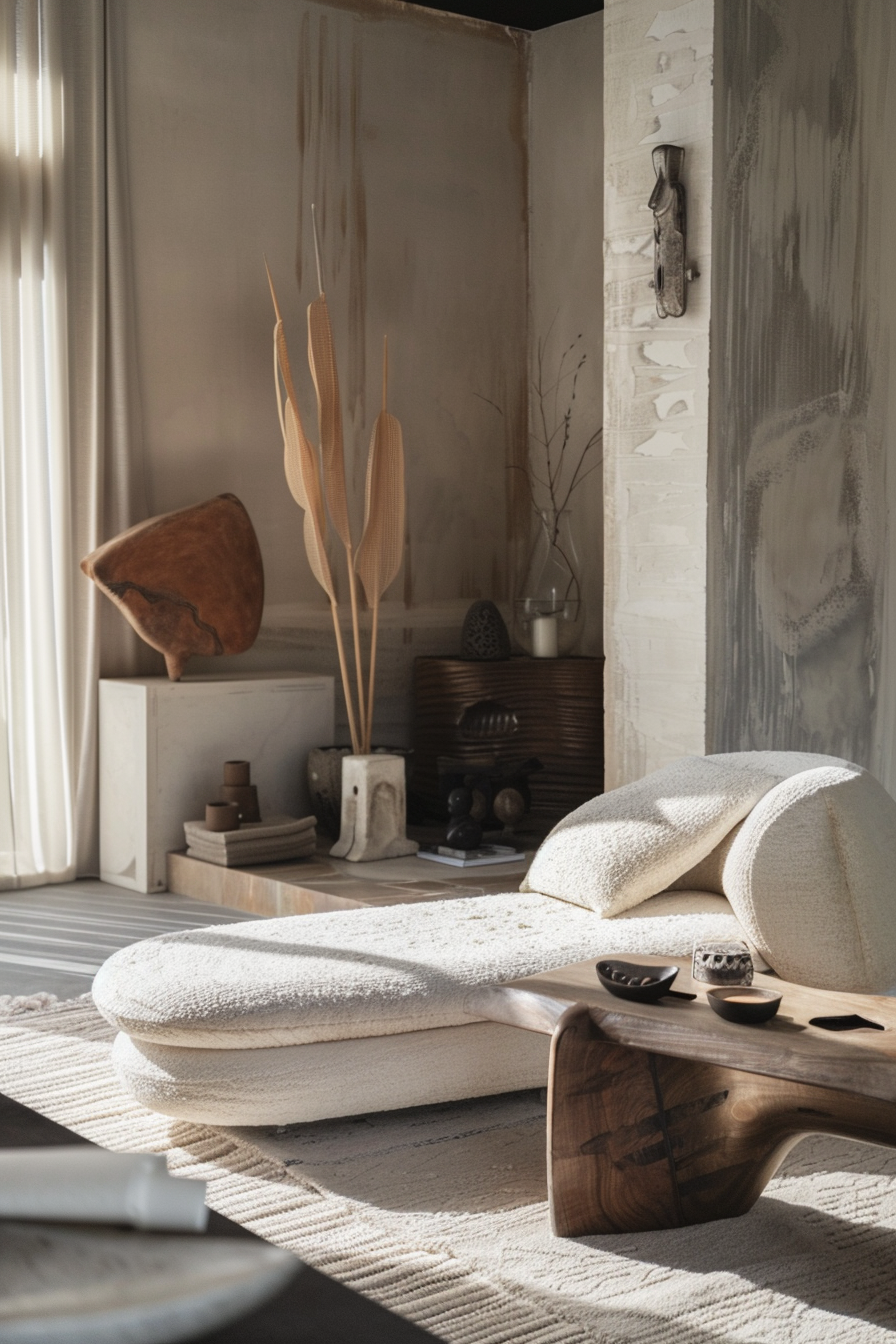
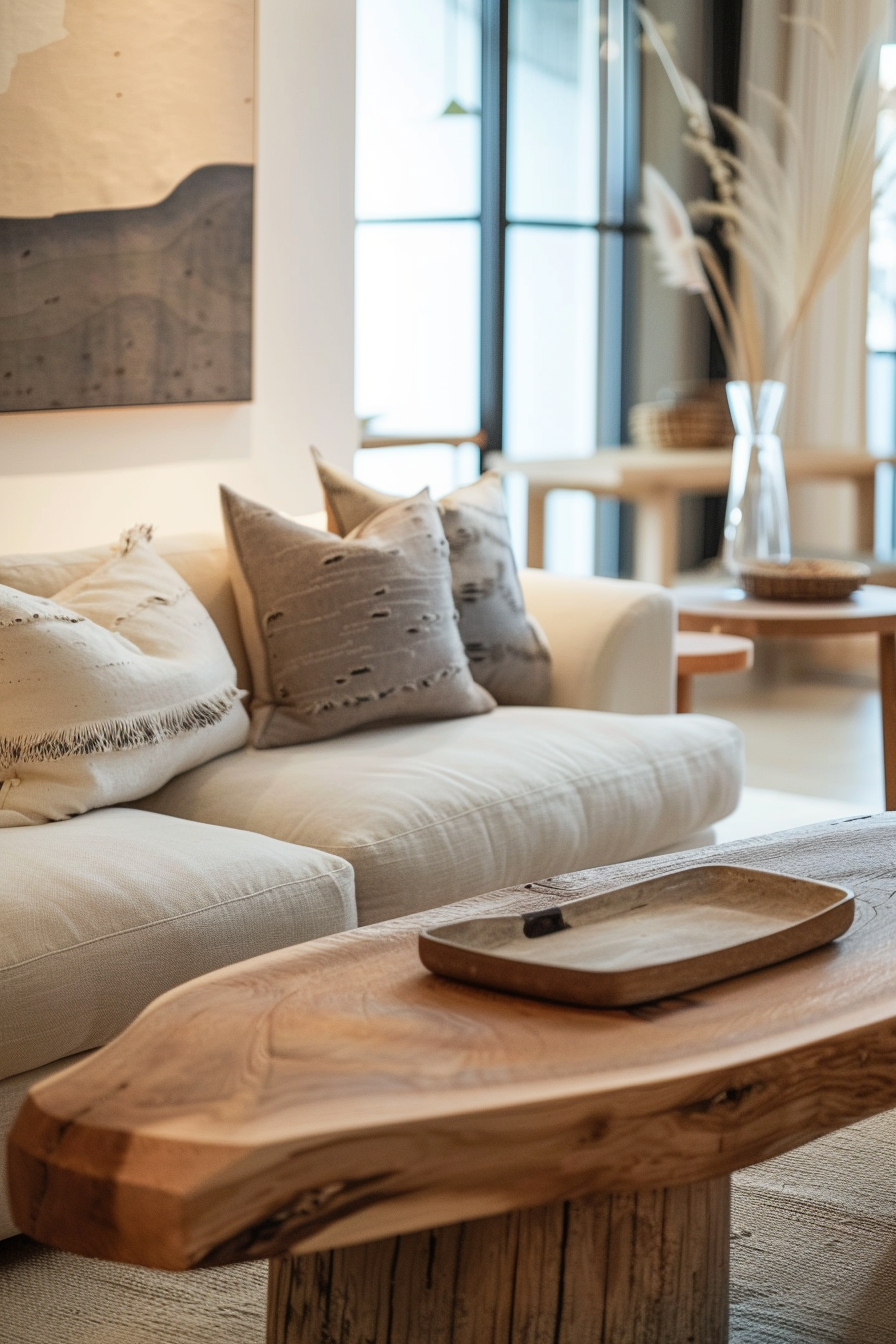
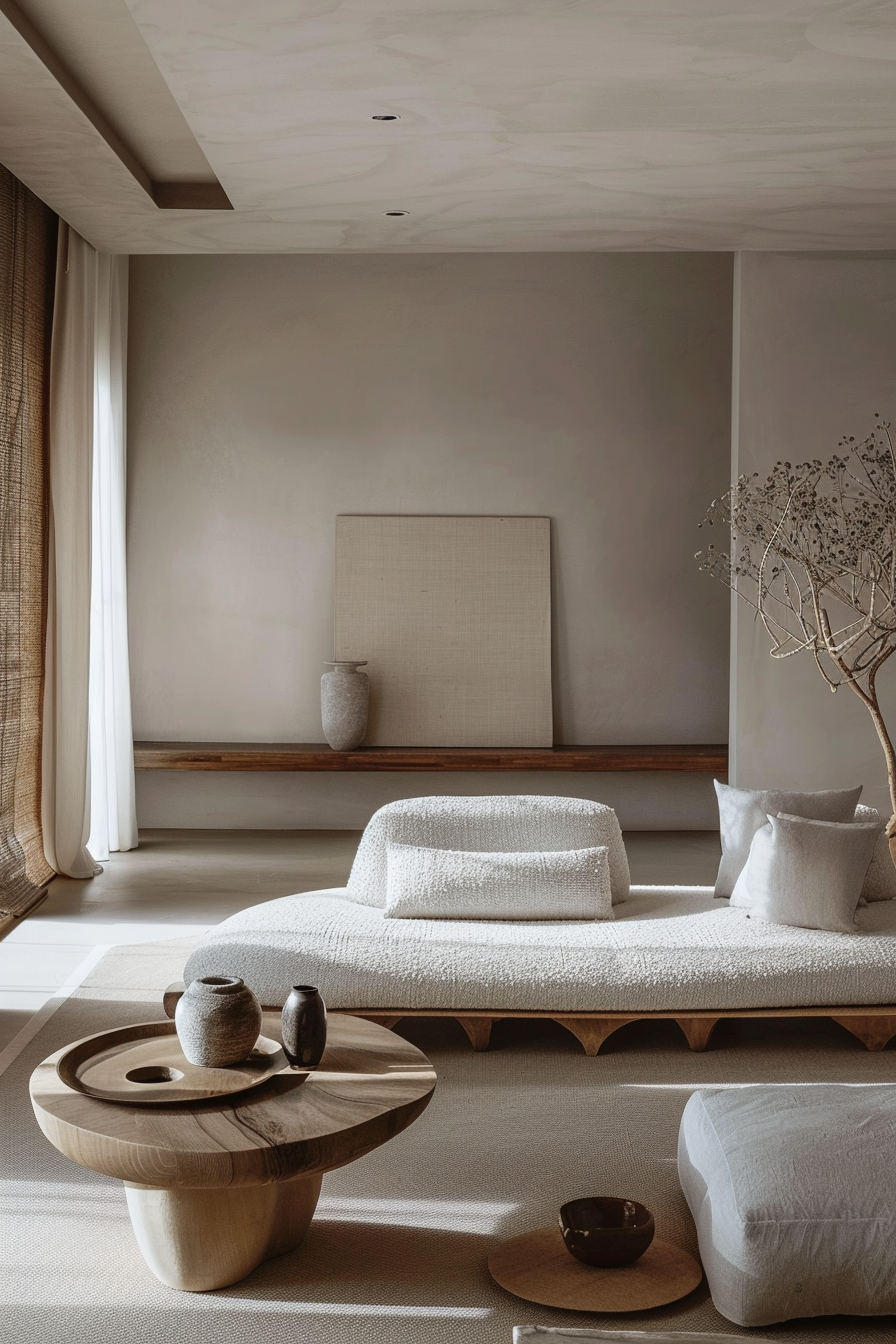
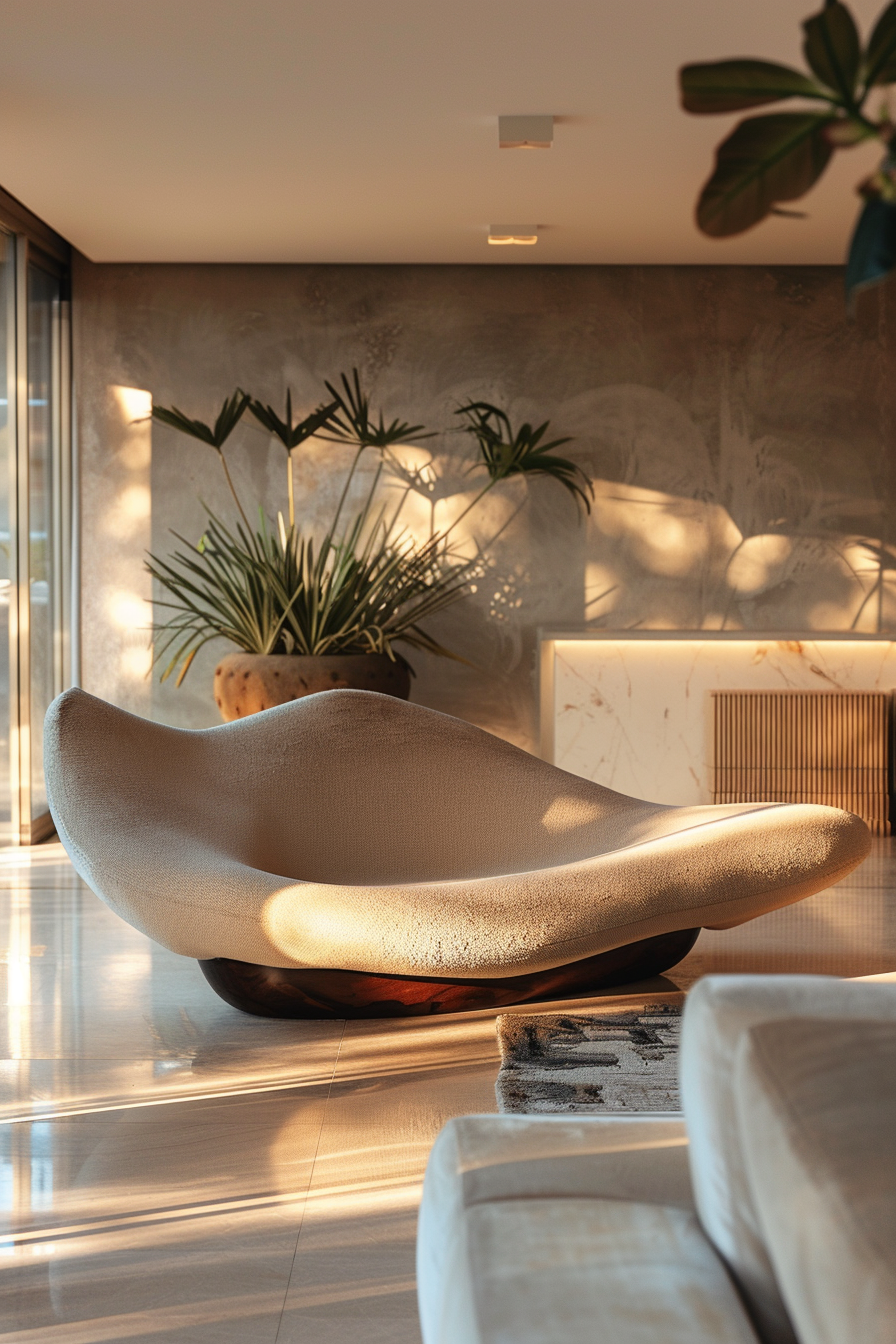
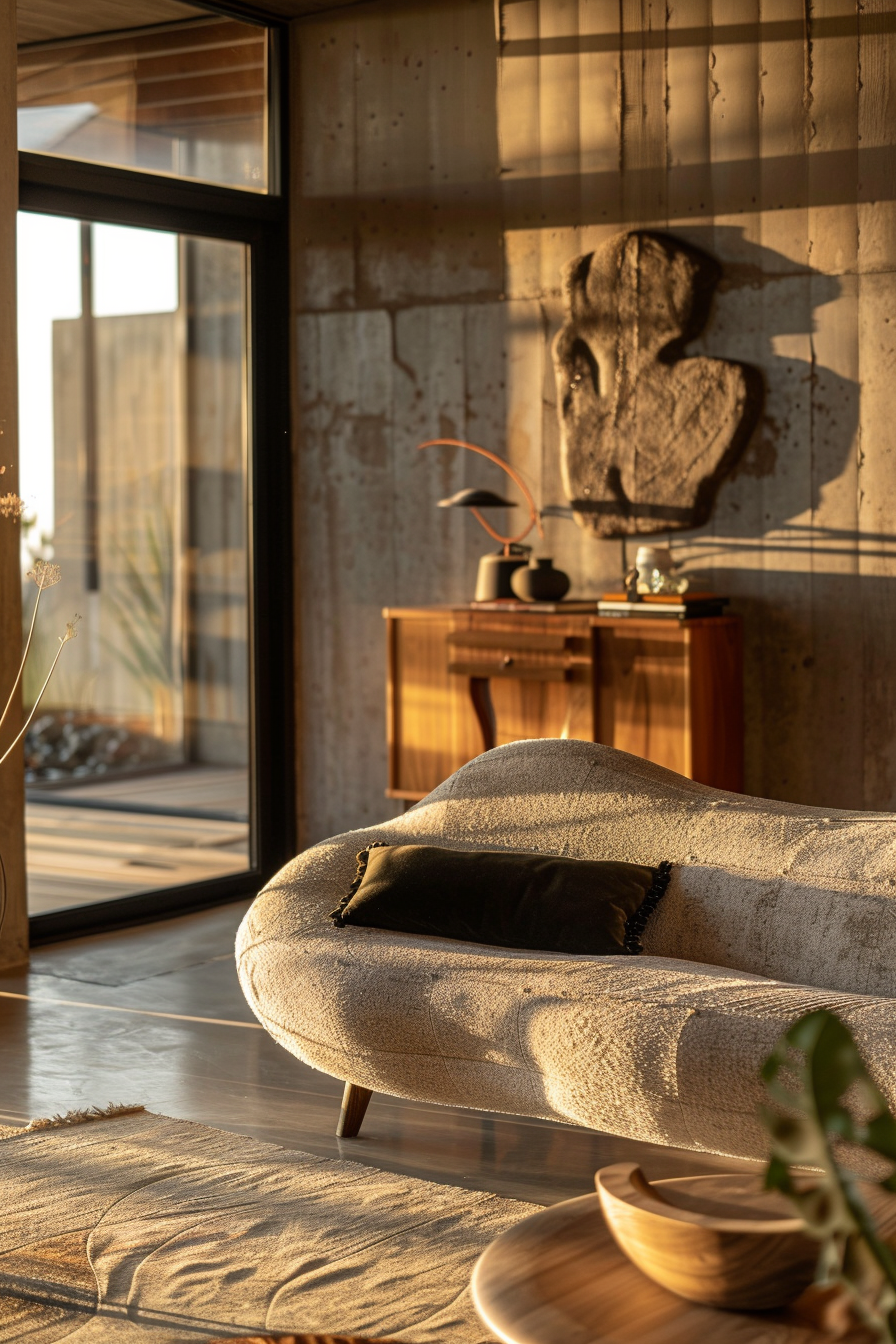
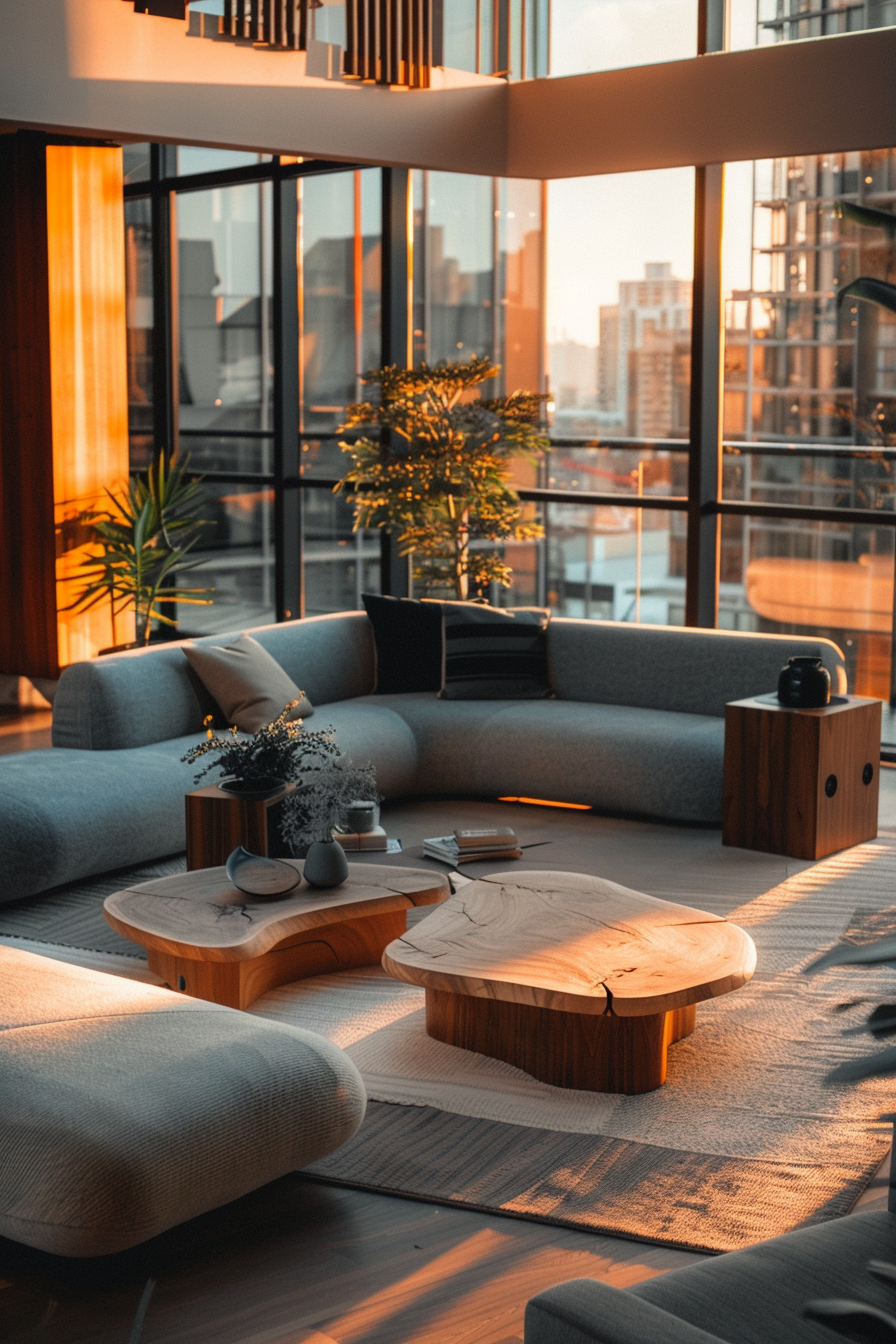
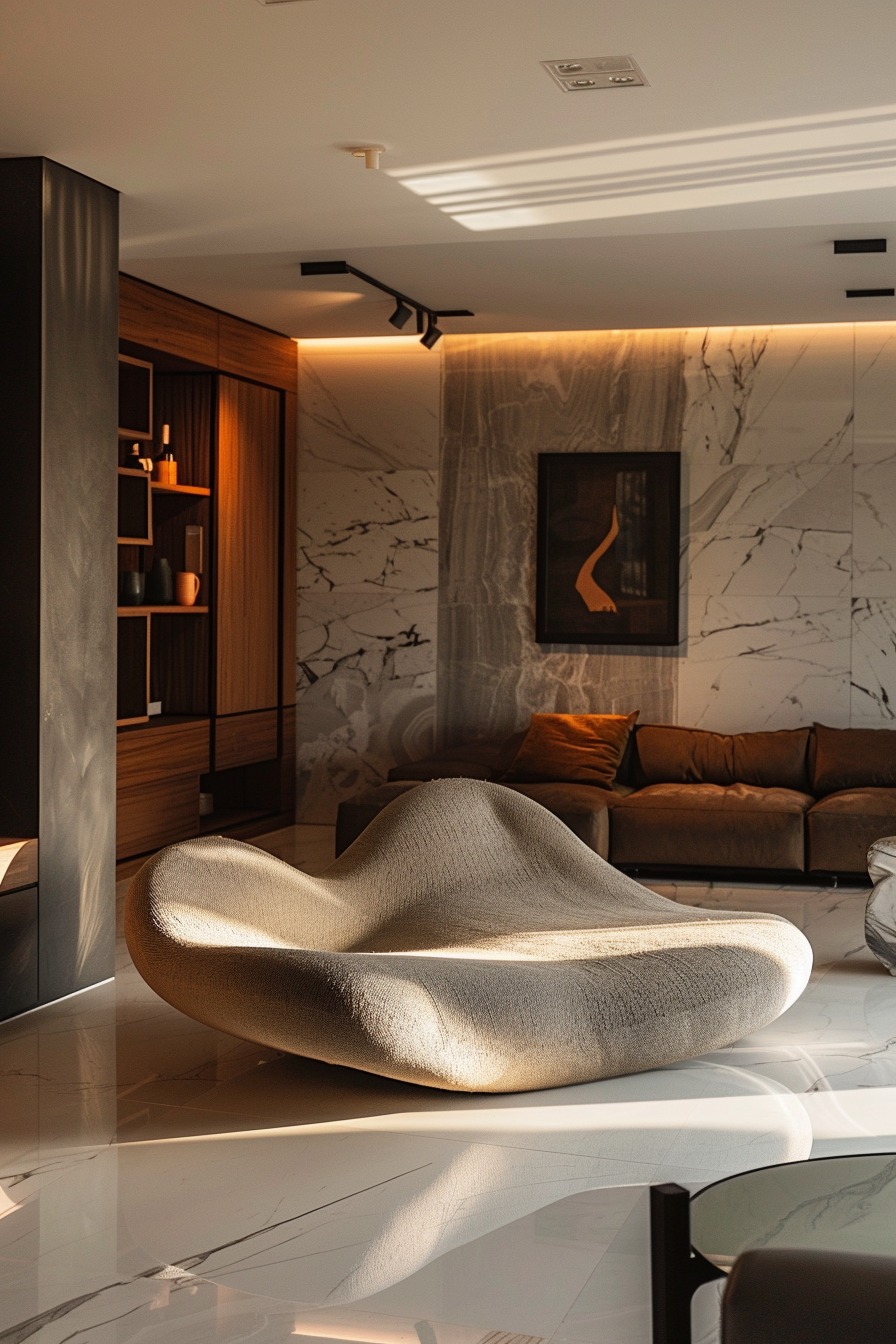
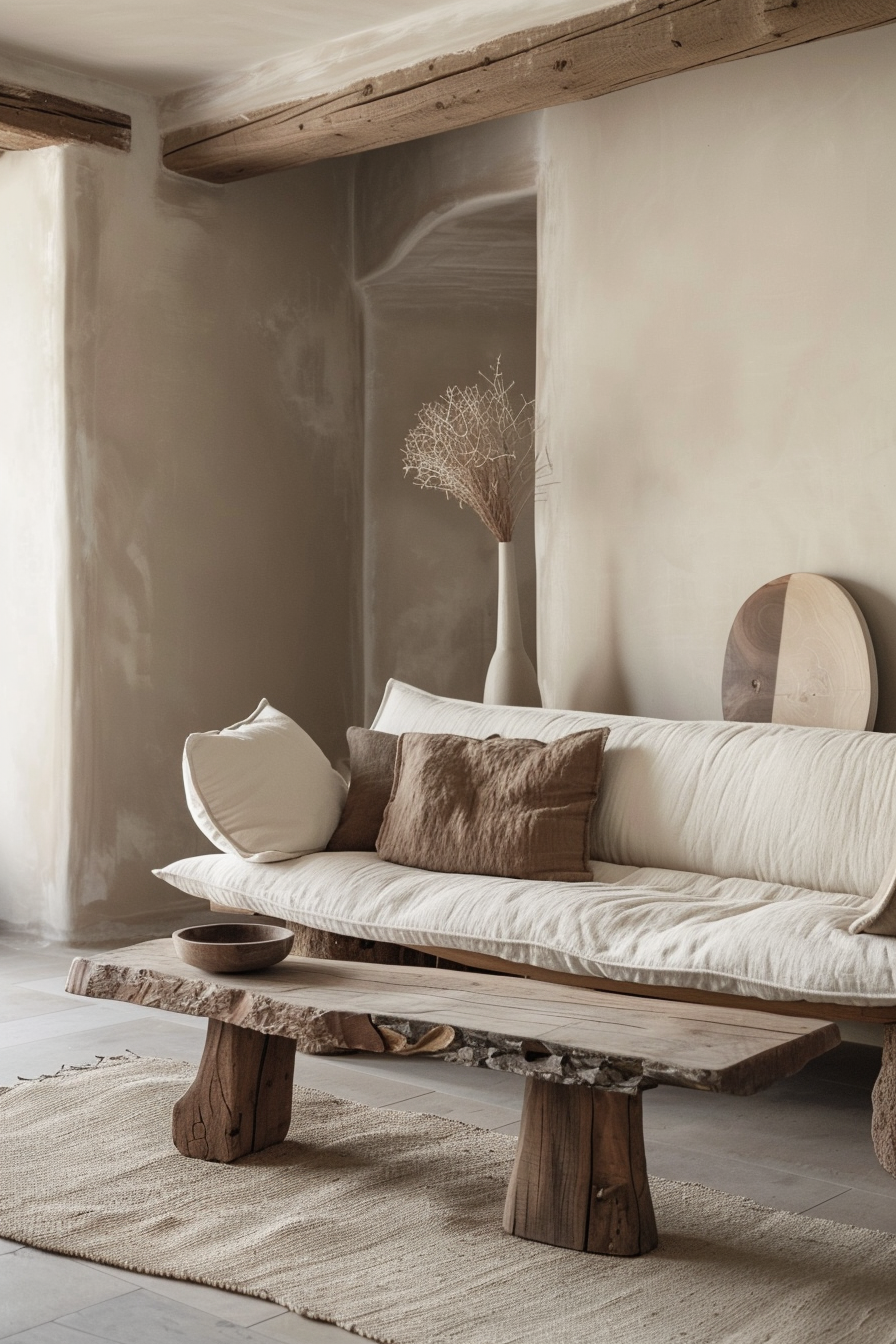
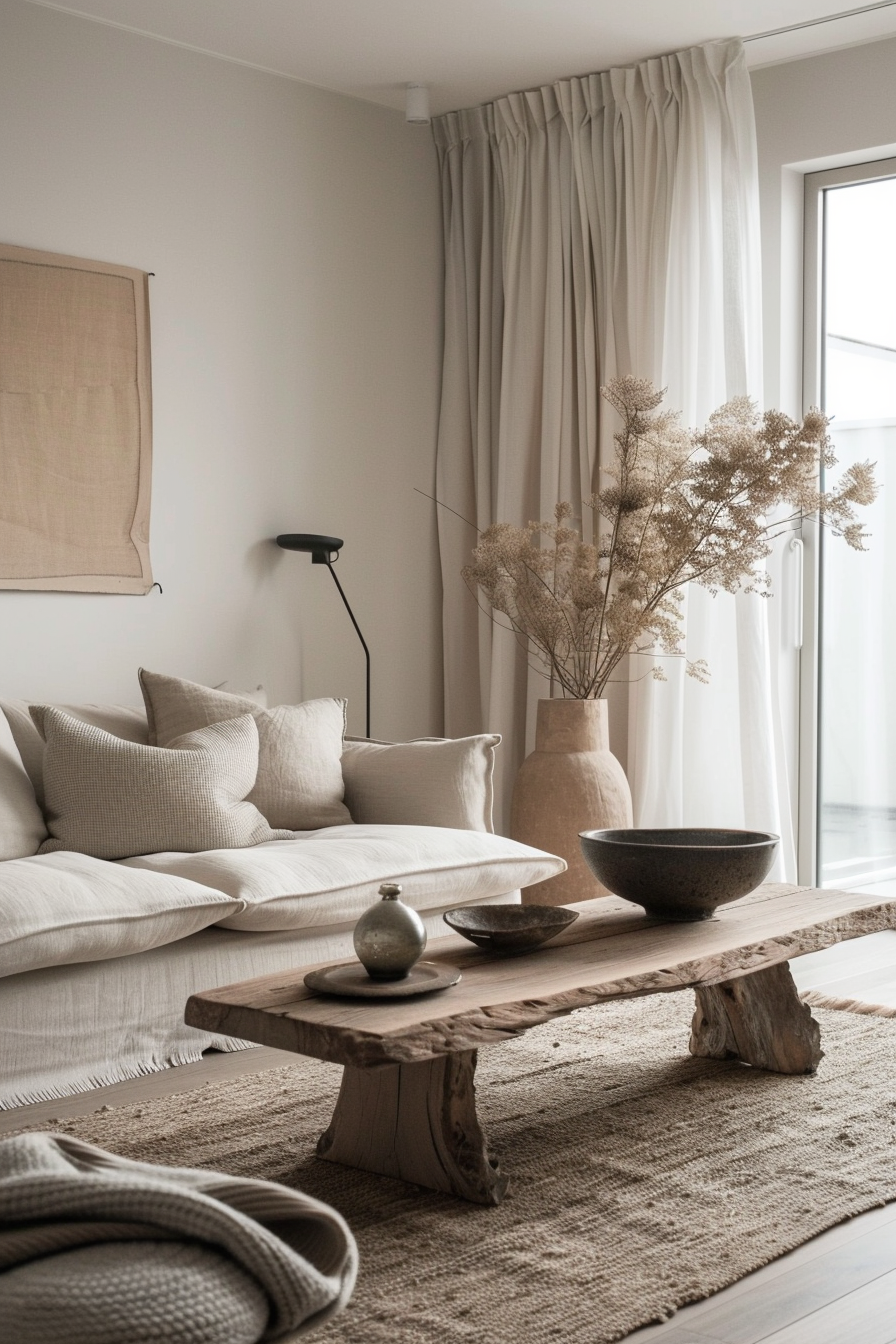

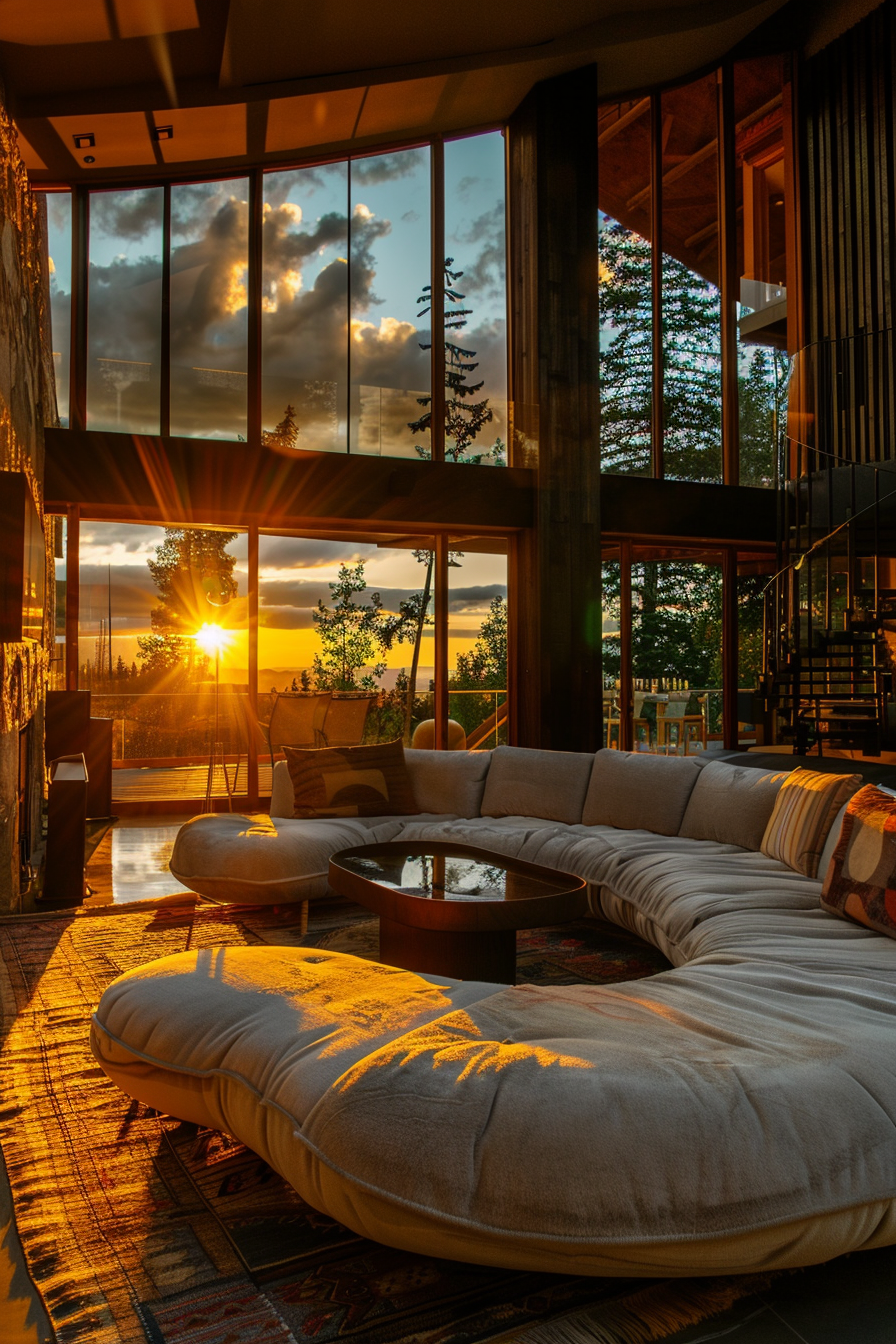
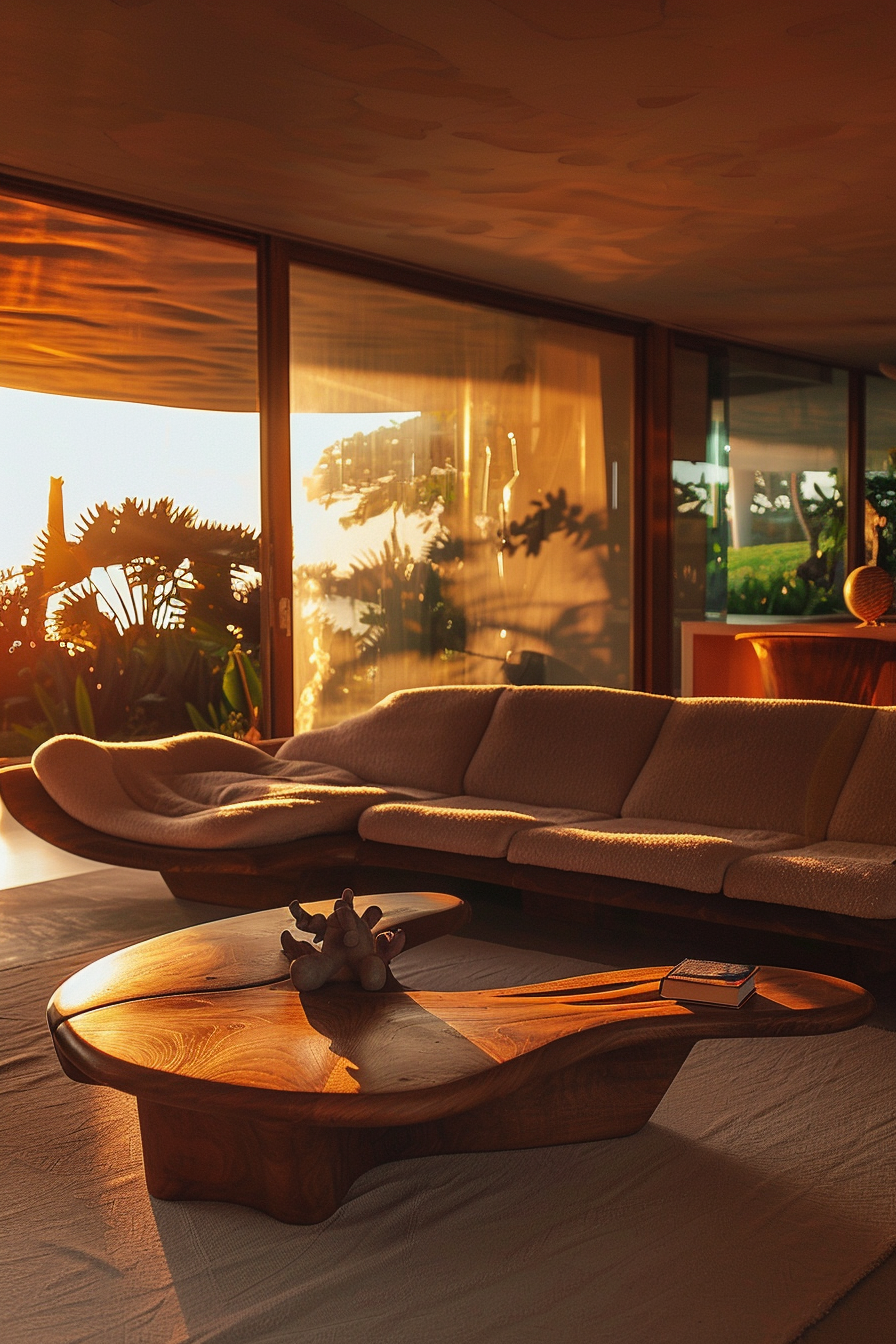

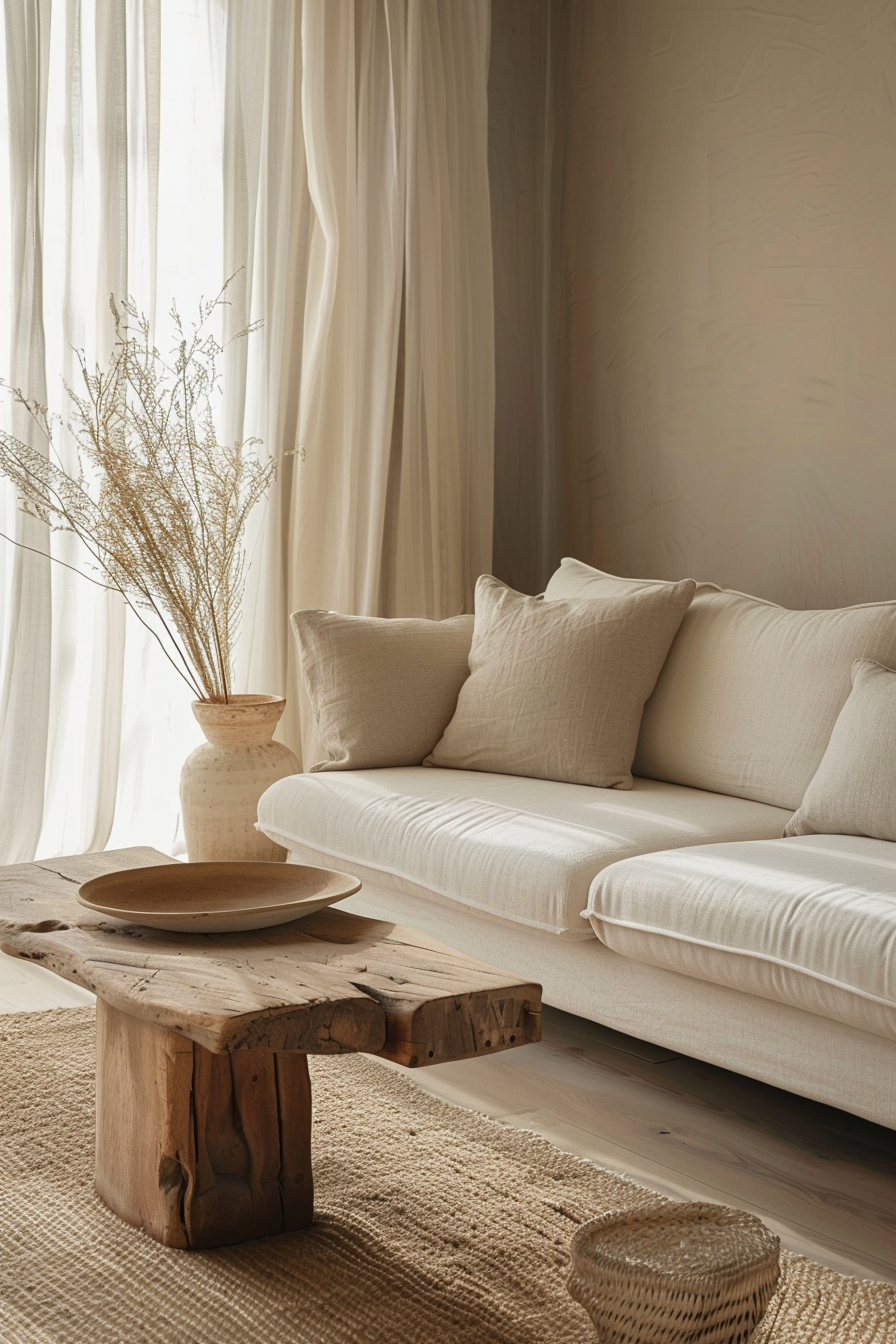
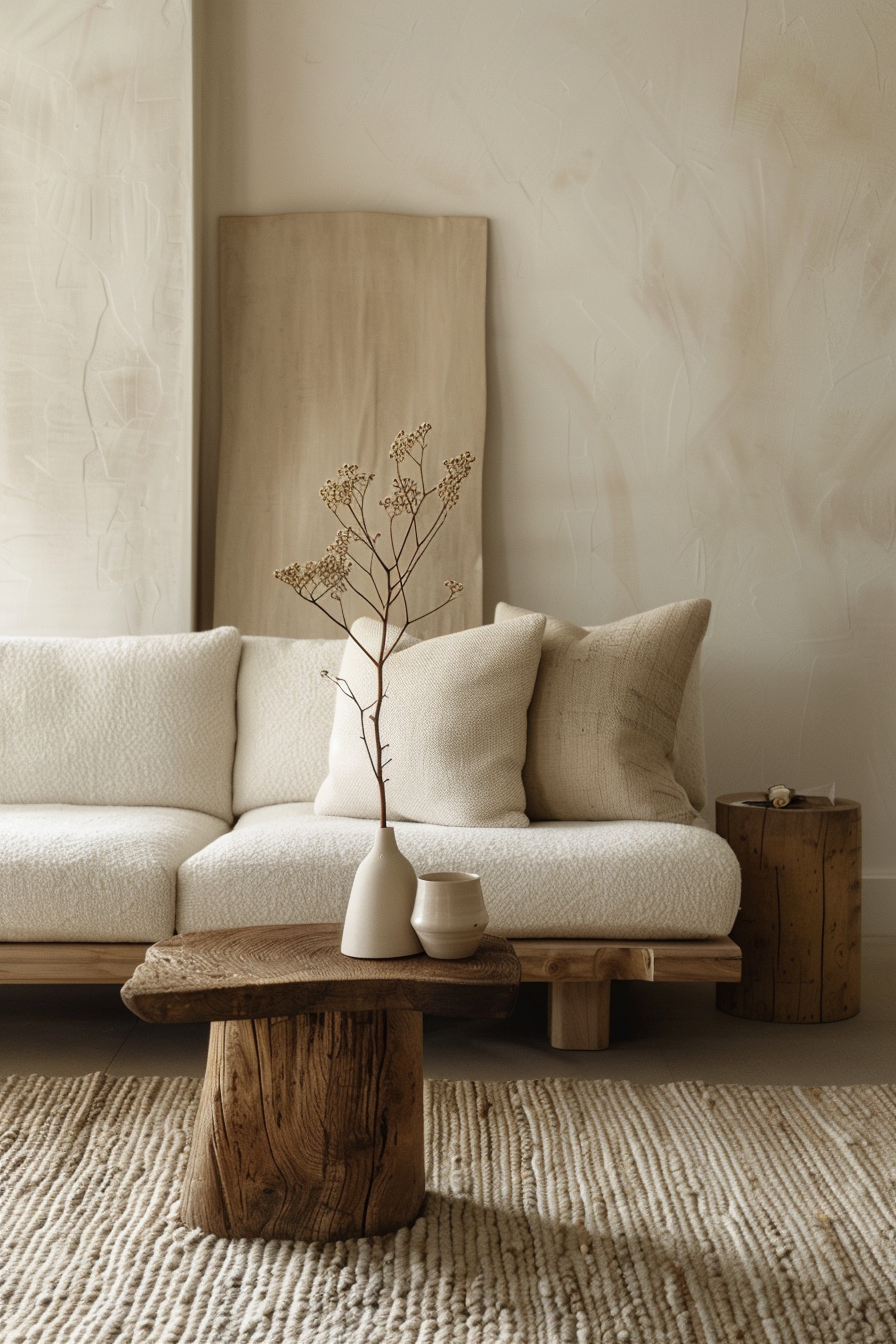
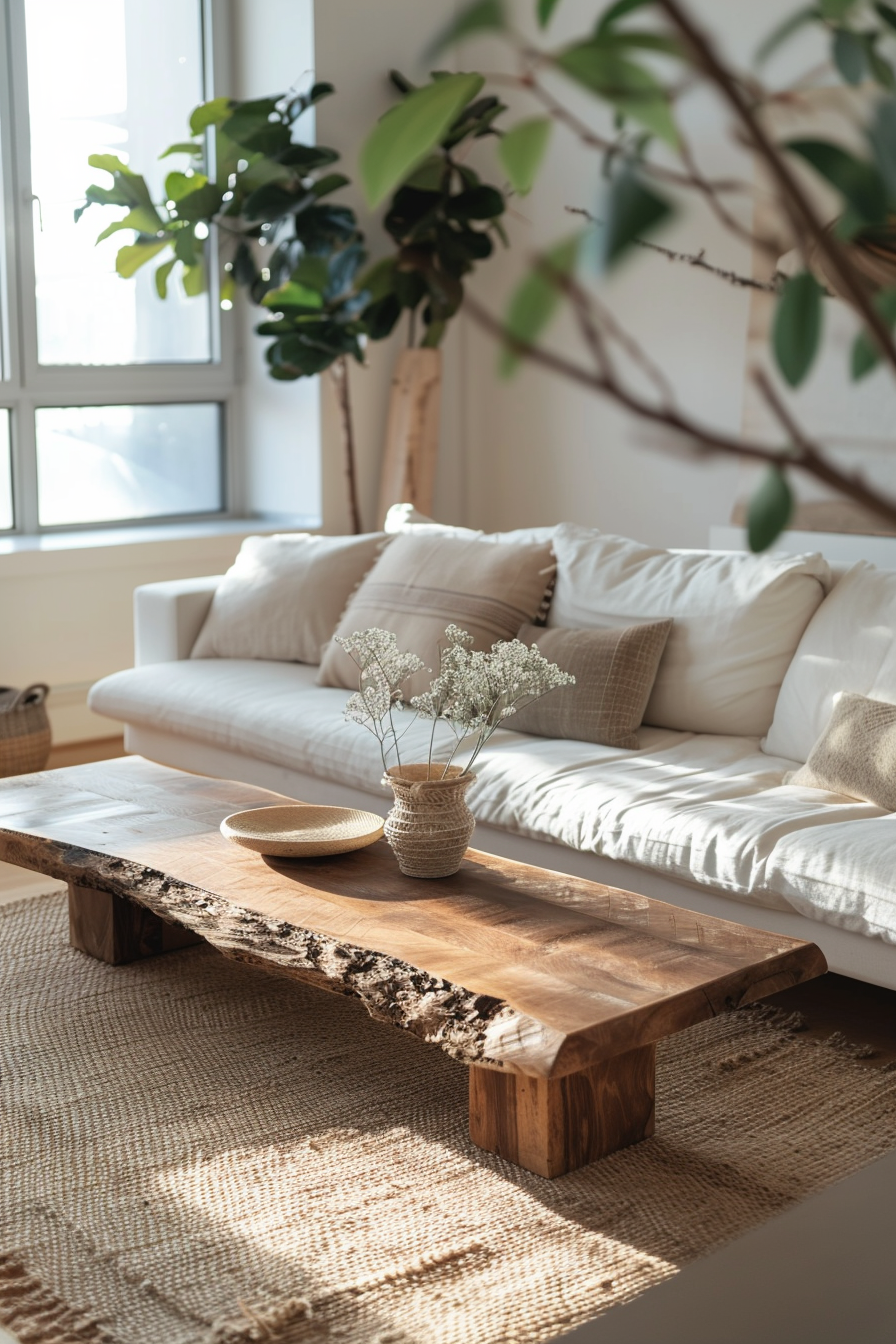
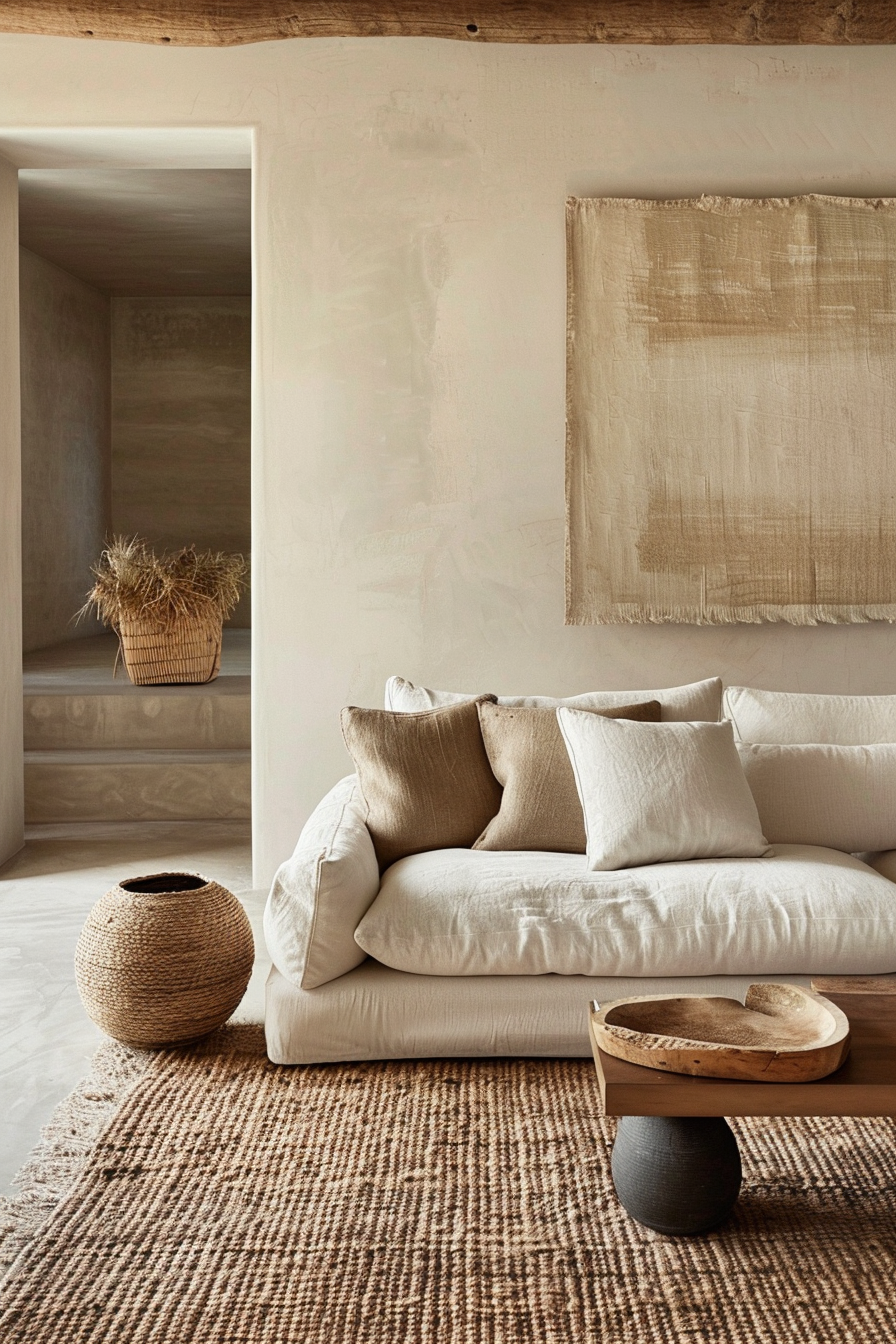
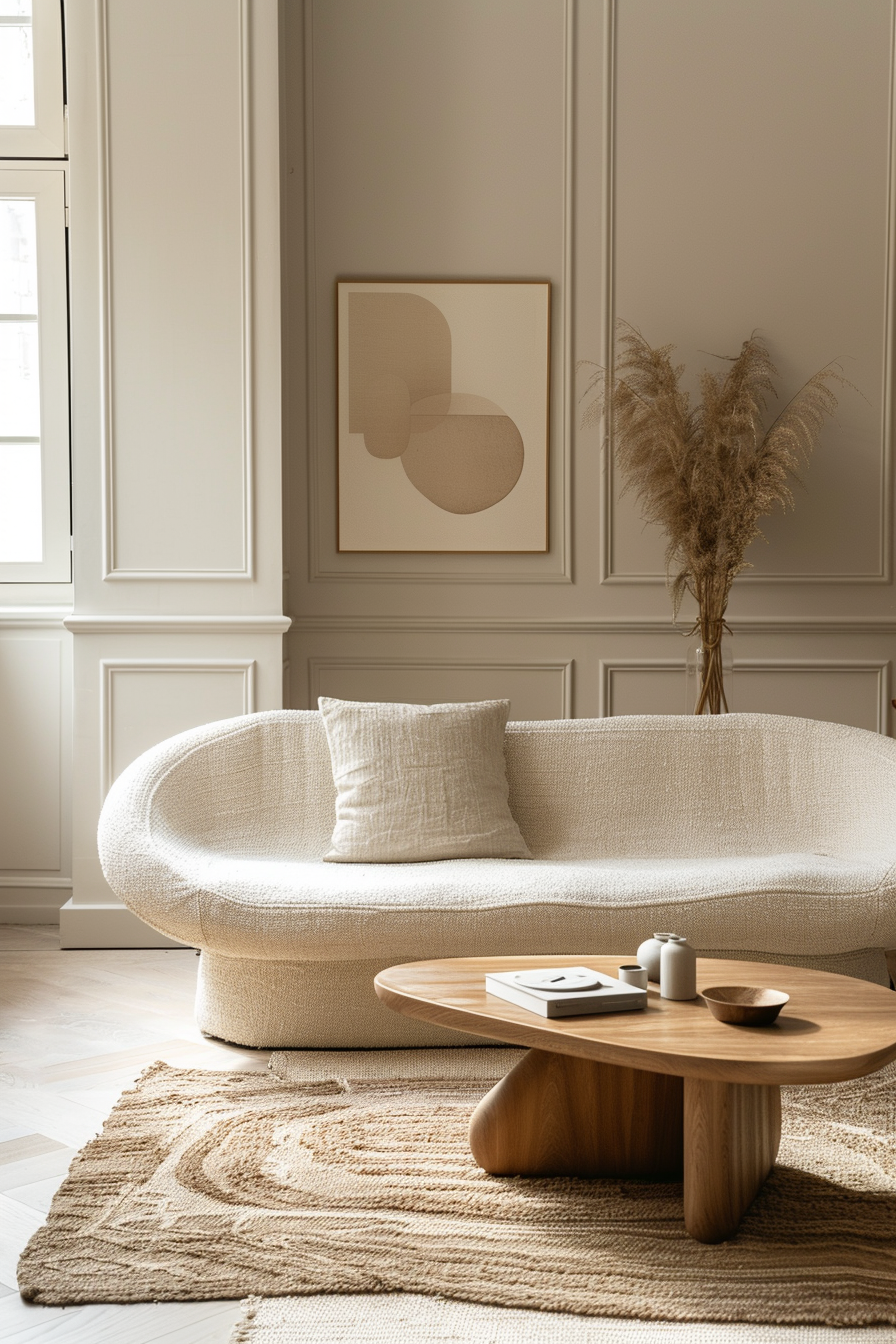
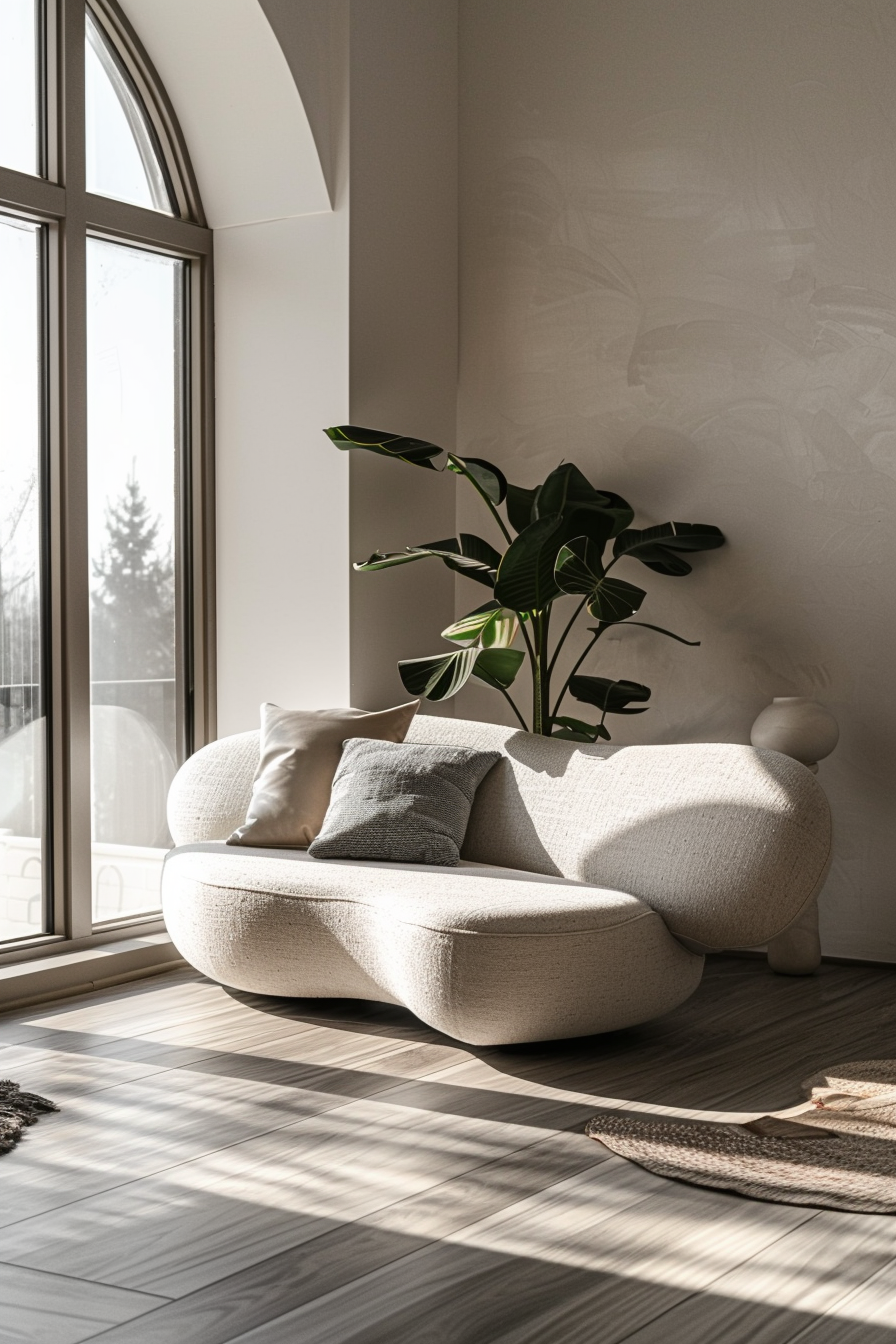
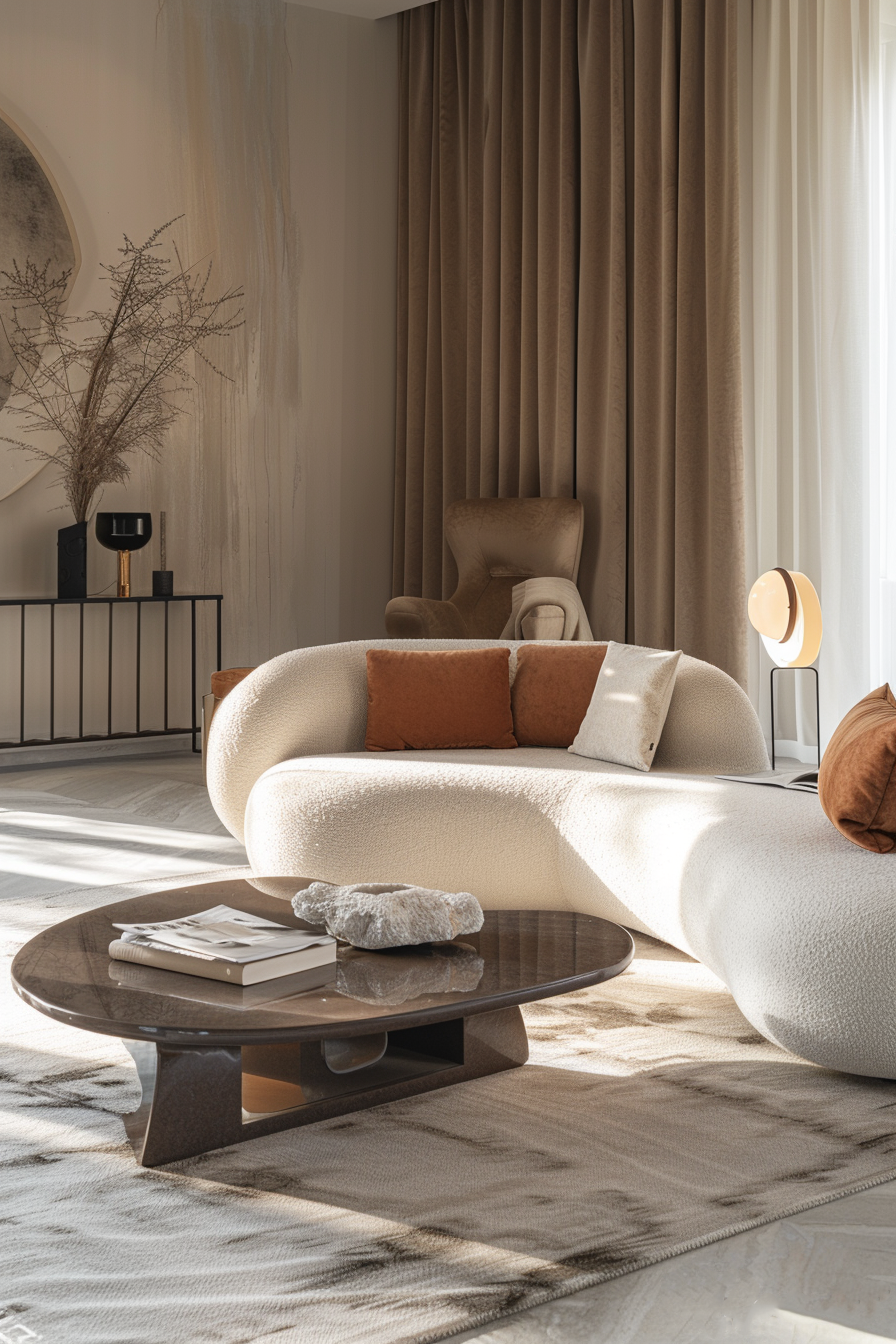
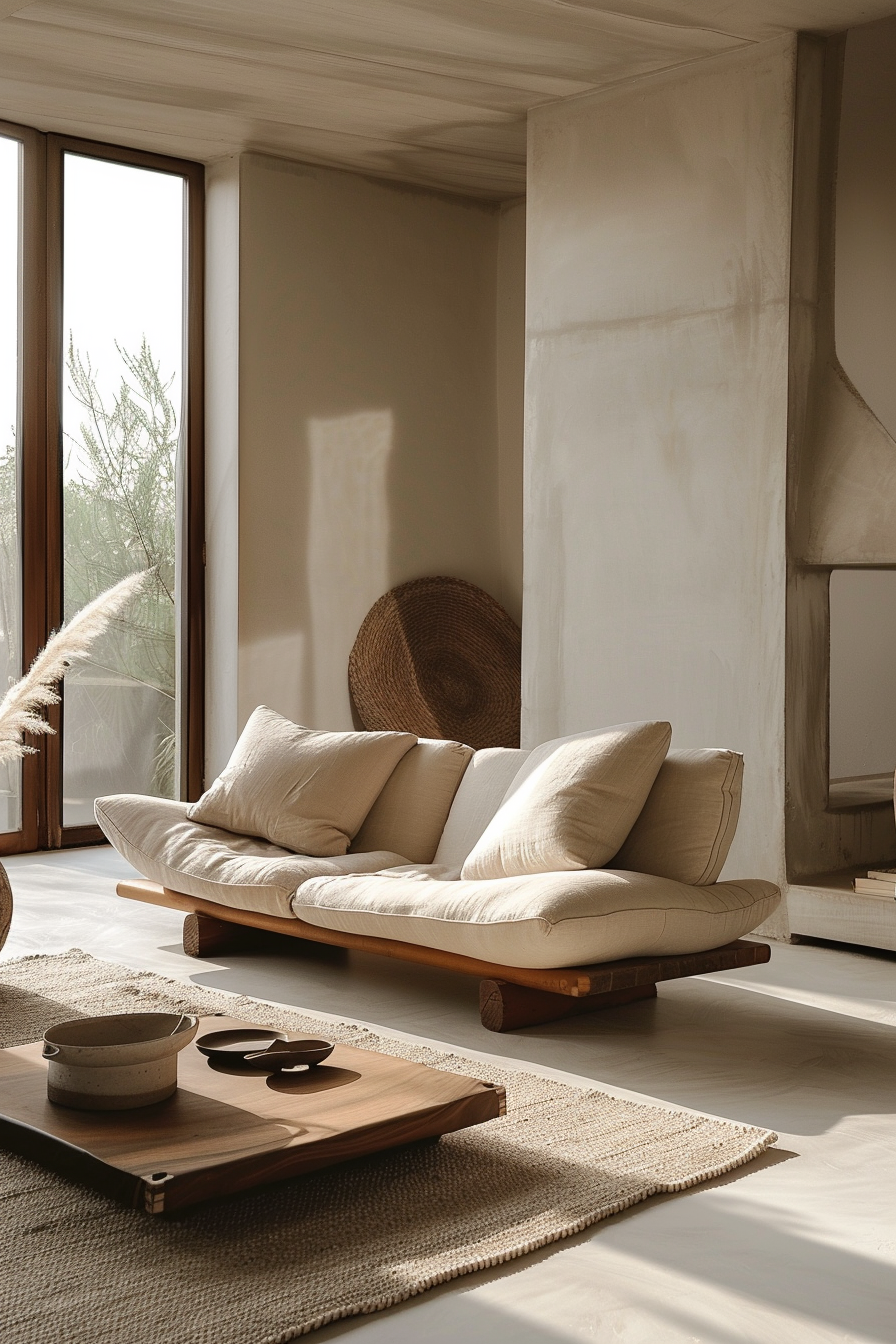
Benefits of Eco-Friendly Furniture
Imagine sinking into your plush, organic, modern couch at the end of a long day, knowing you’re enjoying superior comfort and positively impacting the environment.
You see, eco-friendly furniture isn’t just about aesthetics or comfort—it’s also about sustainability. By choosing organic or recycled materials, you’re reducing harmful emissions and reducing waste. You also support fair trade, as many green furniture makers adhere to ethical sourcing and manufacturing practices.
This isn’t just good for the planet; it’s also suitable for your peace of mind. You’ll feel satisfied knowing your choices are making a difference. So sit back, relax, and bask in the glow of your eco-conscious decisions.
It’s a feel-good experience that starts right in your living room.
Selecting the Right Sustainable Sofa
Just when you’re thinking about revamping your living space, you stumble upon the idea of choosing a sustainable sofa, a choice that’s not just stylish but also environment-friendly.
It’s a concept that’s gaining popularity and for good reasons. Sustainable sofas are made from natural, recycled, or upcycled materials, reducing your carbon footprint and contributing to a healthier world.
But how do you choose the right one? First, look for certifications like GREENGUARD or FSC, which ensure the materials used are eco-friendly.
Check the cushions; they should be filled with natural latex or organic cotton.
Lastly, consider the durability and design. Ensure it’s a couch you’ll love for years because sustainability is also about longevity.
You’re not just buying a couch; you’re making a statement.
Care and Maintenance for Your Eco-Friendly Sofa
Taking care of your eco-friendly sofa isn’t rocket science, but it does require some mindful practices to ensure it stays in top shape. As with any furniture, regular dusting is essential. Use a soft, dry cloth and gently wipe the surface to keep it clean.
For spots or stains, it’s best to use organic or eco-friendly cleaners that won’t harm the natural materials of your couch. Keep your sofa away from direct sunlight to prevent fading and deterioration of the fabric.
If your sofa has removable covers, you might want to consider washing them with cold water and mild detergent and then air-drying them. Fluffing the cushions regularly can help maintain their shape.
Remember, your eco-friendly sofa is an investment, and it’s worth taking the extra steps to preserve its quality and longevity.
Conclusion
The modern organic couch is a testament to the enduring allure of simplicity and natural elegance in a world brimming with choices. From the serene contours inspired by nature to the understated sophistication of minimalist designs, each couch presented in this collection embodies the essence of contemporary comfort and timeless appeal.
Whether adorning a minimalist living room or anchoring a cozy reading nook, these organic masterpieces transcend mere furniture, becoming catalysts for transformative living spaces where relaxation meets refined style. Embrace the essence of organic minimalism and embark on a journey of elevated comfort and visual harmony with these exquisite modern organic couches.
Follow Quiet Minimal on Pinterest for more home design tips and inspiration.