Imagine the serene beauty of a weathered teacup, its glaze cracked and edges worn from years of use. This simple object embodies the Wabi Sabi aesthetic, a Japanese philosophy that finds beauty in imperfection and impermanence. You might wonder how this perspective can change how you see the world around you. By embracing the natural cycle of life and valuing authenticity over perfection, Wabi Sabi invites you to discover charm in the worn and flawed. Could this mindset transform how you appreciate your surroundings and even how you live your life?

  • Wabi Sabi celebrates simplicity, imperfection, and naturalness in art and life.
  • It finds beauty in flaws, irregularities, and the passage of time.
  • The aesthetic values raw, unrefined materials and asymmetrical designs.
  • It emphasizes uncluttered spaces and serene elegance.
  • Wabi Sabi connects deeply with nature’s authentic, fleeting moments.

The Origins of Wabi Sabi

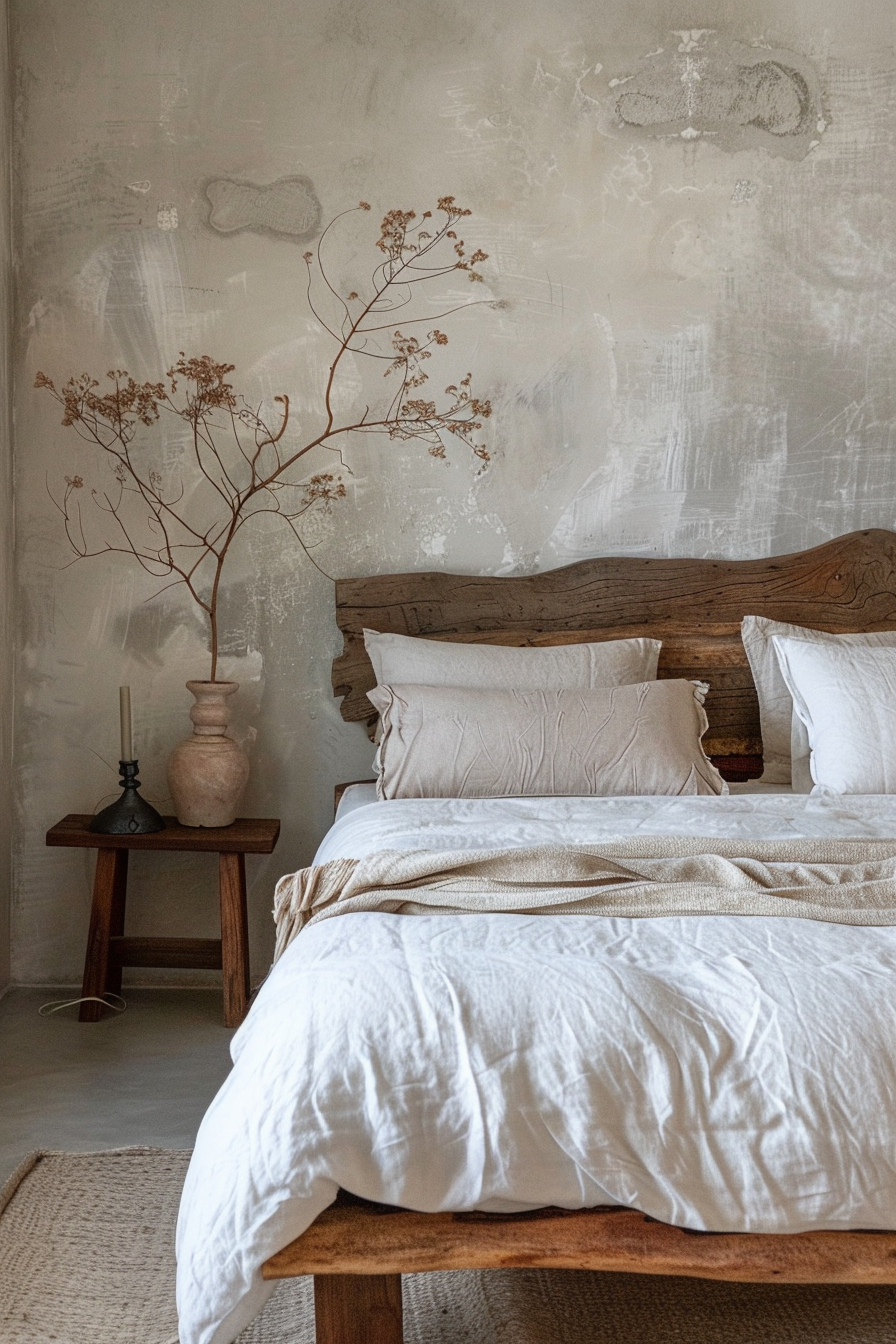
A rustic bedroom with a wooden bed, white linens, and a vase with dried flowers on a bedside stool.Save

Although it may seem modern, the origins of Wabi Sabi trace back to ancient Japanese tea ceremonies and Zen Buddhism. You’ll discover that Wabi Sabi emerged as a reaction against the opulence of Chinese culture, promoting simplicity and naturalness instead.

In the 15th century, tea master Sen no Rikyu refined this aesthetic, emphasizing the beauty found in imperfection and transience. During tea ceremonies, you’d notice how rustic, unpolished tea bowls were cherished for their irregularities and aged appearance.

This focus on the imperfect, incomplete, and impermanent runs deep in Japanese culture, rooted in Zen’s teachings about the fleeting nature of life. By appreciating Wabi Sabi, you’re embracing a worldview that finds beauty in the imperfect and the impermanent.

Core Principles of Wabi Sabi

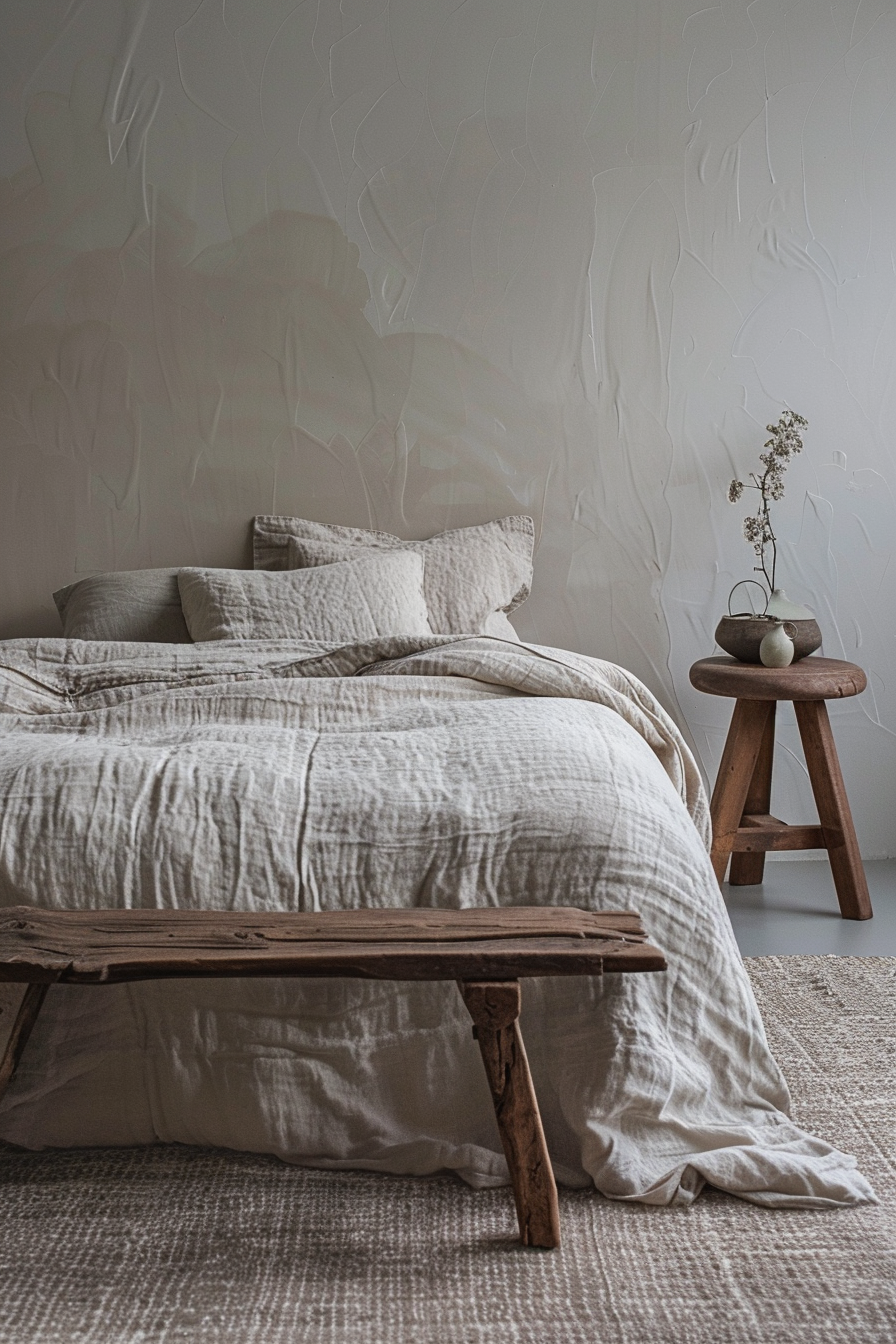
A minimalist bedroom with textured gray walls, a crumpled linen-covered bed, a wooden bench at its foot, and a stool with a vase beside the bed.Save

At the heart of Wabi Sabi, you’ll find three core principles: simplicity, imperfection, and naturalness. Embracing simplicity means valuing uncluttered spaces and the elegance of minimalism. You don’t need lavish decorations; instead, you’ll appreciate the subtle beauty in the understated.

Imperfection invites you to find charm in flaws and irregularities. Rather than seeking perfection, you’ll cherish the unique character that imperfections bring.

Naturalness encourages you to connect with the unrefined, organic aspects of life. You won’t force things into an artificial mold but let them be as they naturally are.

Wabi Sabi in Nature

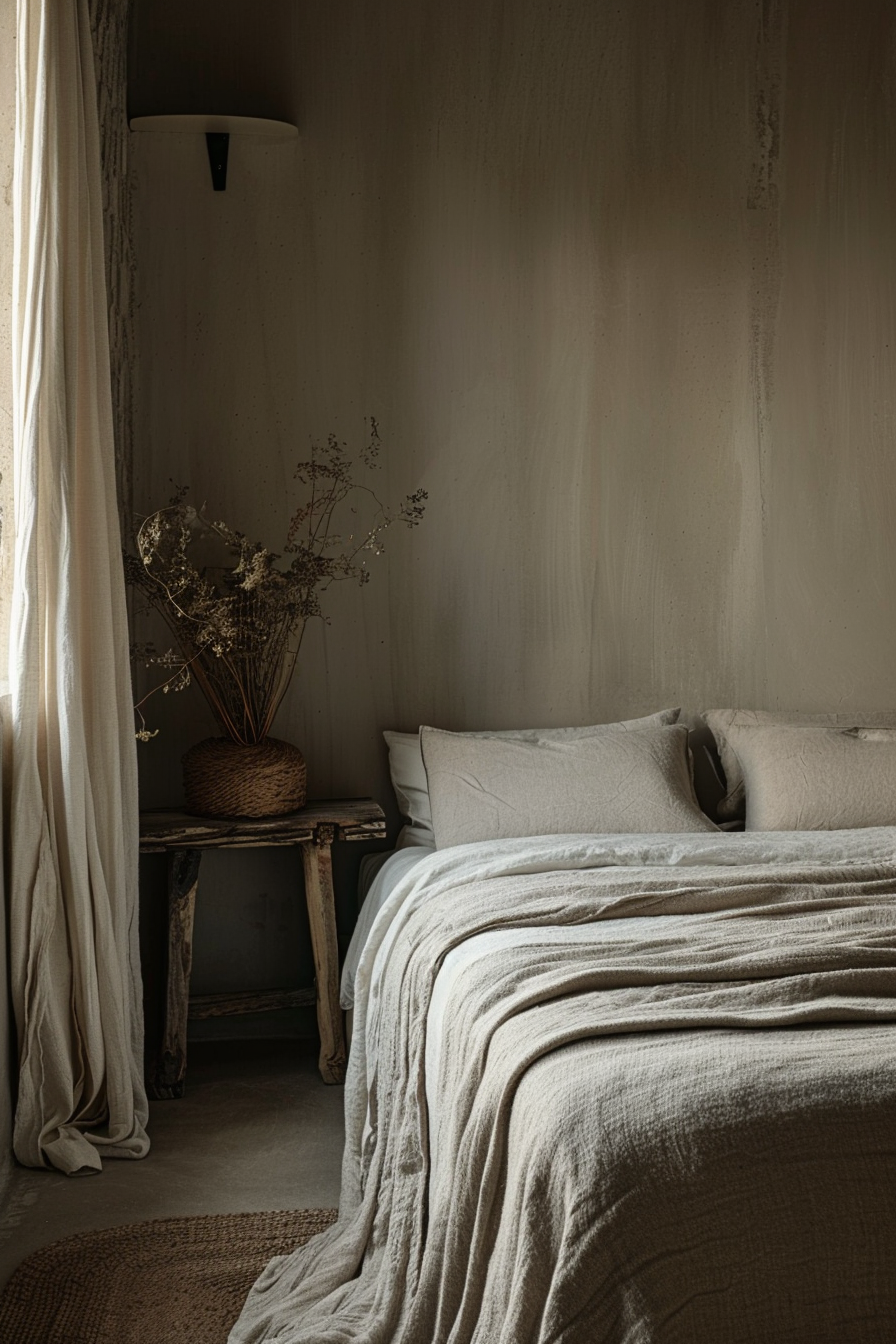
A cozy, rustic bedroom with neutral tones, featuring a bed with linen bedding, a small wooden table, dried flowers, and a wall sconce.Save

Nature perfectly exemplifies the essence of Wabi Sabi by showcasing beauty in its raw, unaltered state. When you observe a tree with gnarled branches or a leaf with unique patterns, you’re witnessing Wabi Sabi.

The natural world is full of imperfections—cracked rocks, weathered wood, and fading flowers—all reflecting the passage of time and life cycle. These elements remind you that beauty isn’t about perfection but authenticity.

Notice how a simple dewdrop on a spider web or the asymmetry of a flower petal can captivate you. Embrace these natural imperfections, and you’ll start to see the profound beauty that exists in the fleeting and imperfect moments of the world around you.

Everyday Wabi Sabi Practices

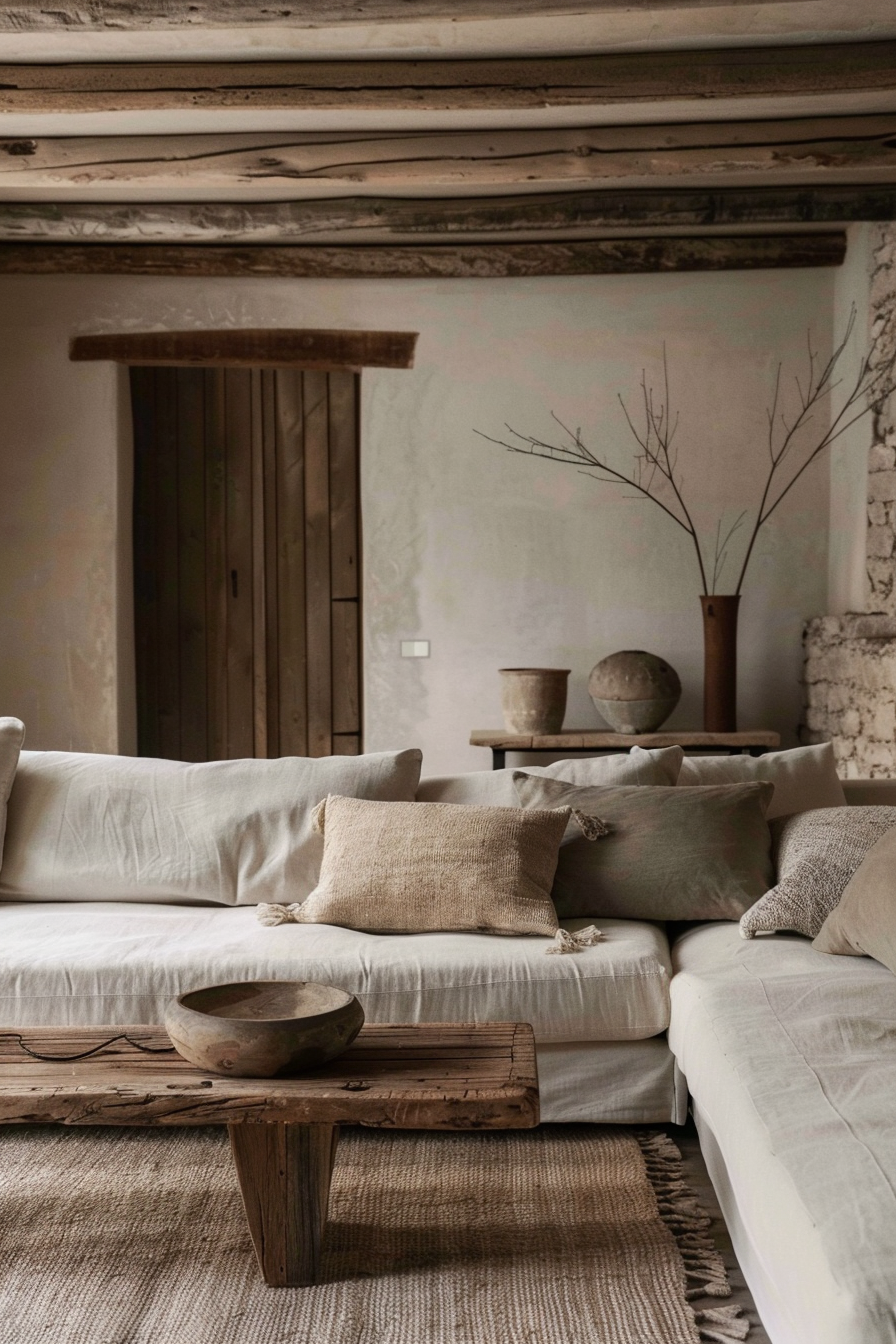
Rustic living room with beige sofa, wooden coffee table, textured cushions, and decorative branches in a vase.Save

Observing Wabi Sabi in nature can inspire you to incorporate its principles into your daily life, fostering a deeper appreciation for the imperfect moments and objects around you. Start by embracing these simple practices:

  1. Declutter Mindfully: Let go of items that no longer serve a purpose, keeping only those that bring joy and have a story.
  2. Celebrate Imperfections: Cherish items with cracks, chips, or wear, seeing them as markers of time and use rather than flaws.
  3. Simplify Your Space: Create a calm environment by focusing on natural materials and textures, avoiding excess and unnecessary decor.

Incorporating these practices can transform your perspective, allowing you to find beauty in the every day and the imperfect, enriching your life with Wabi Sabi’s serene elegance.

Wabi Sabi in Art and Design

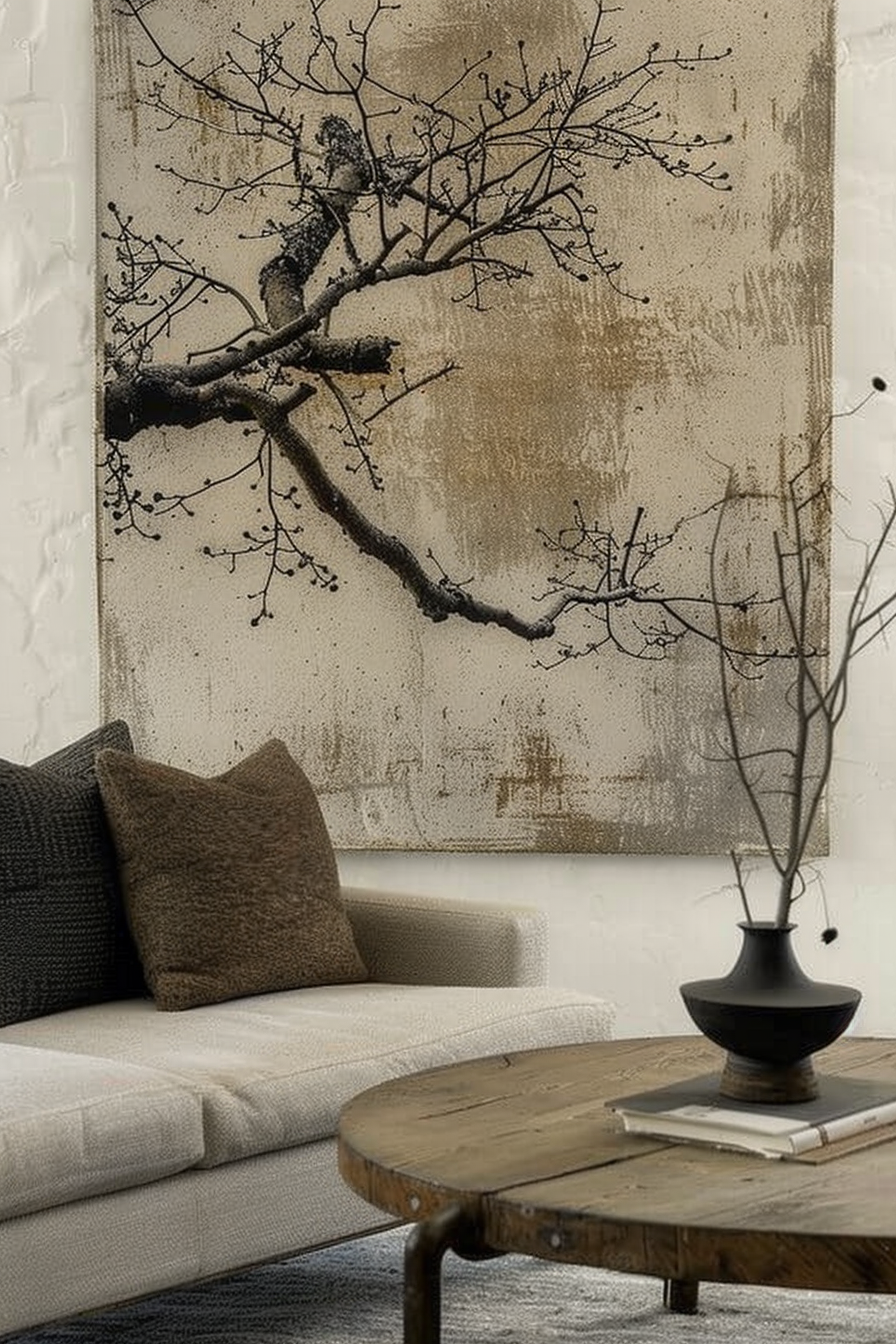
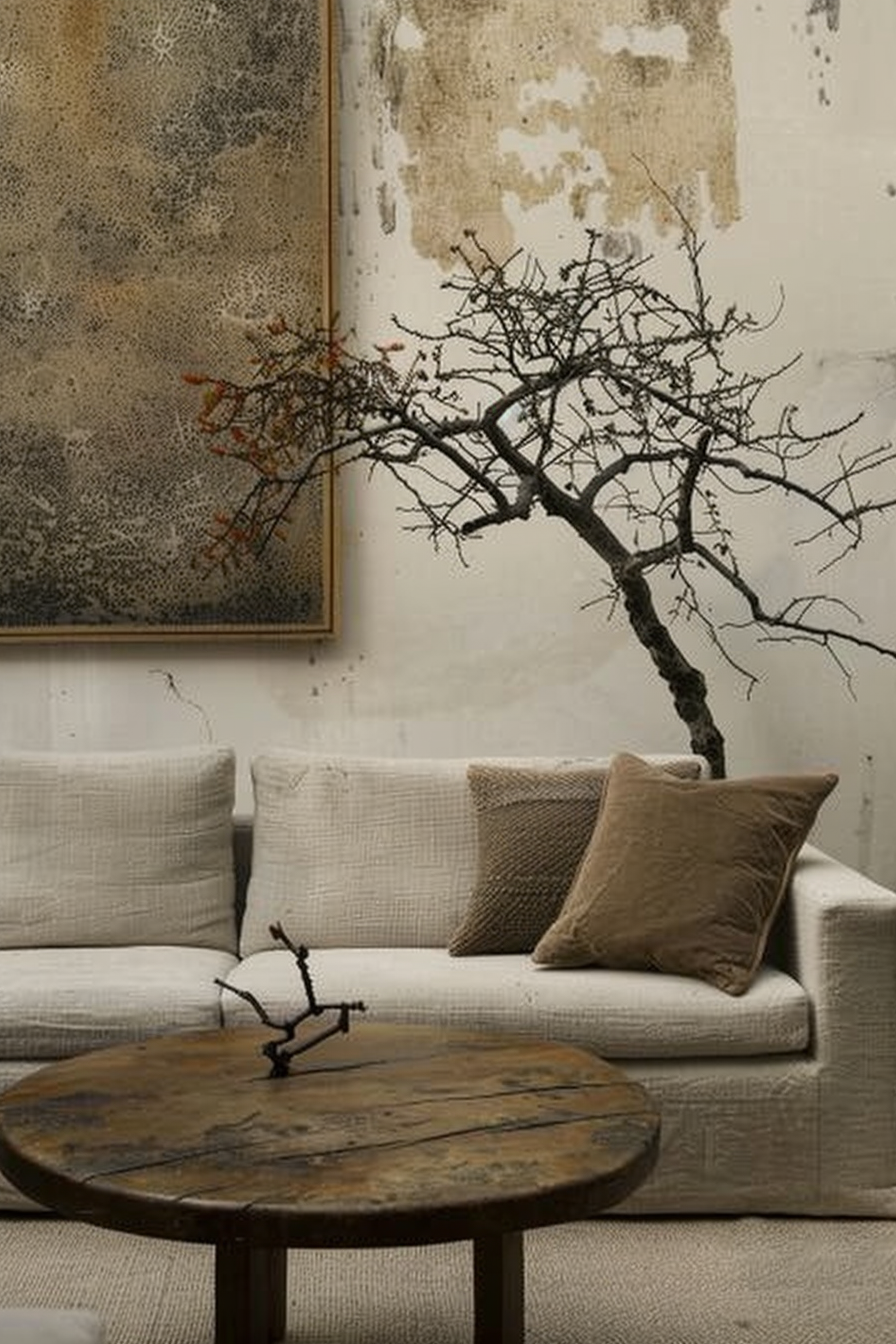
ALT: A minimalist living room with an off-white couch, rustic wooden coffee table, abstract art on the wall, and a bare tree branch decoration.Save

Wabi Sabi in art and design embraces the beauty of imperfection, encouraging you to find charm in the asymmetrical, weathered, and humble aspects of creative works. Looking at Wabi Sabi-inspired pieces, you’ll notice the raw, unrefined materials and simple forms.
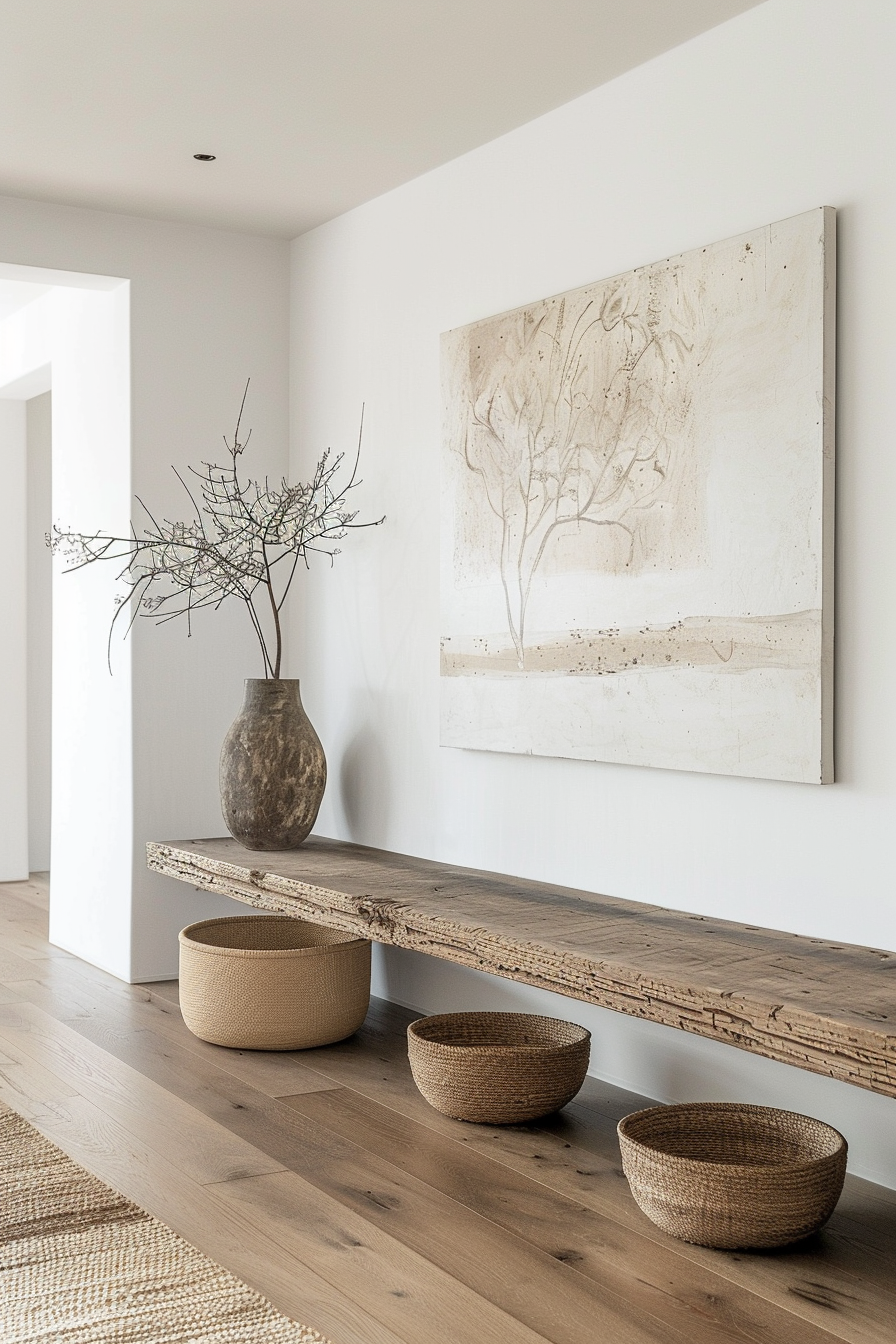
This aesthetic values the passage of time, highlighting cracks, patinas, and frayed edges as integral components of beauty. In design, you might see natural, organic shapes and muted, earthy colors that evoke a sense of tranquility and authenticity.

Embracing Imperfection at Home

"Cozy corner of a modern living room with an abstract tree painting, a beige sofa with pillows, a wooden coffee table, and a vase with twigs."Save

Embracing imperfection at home means welcoming the unique charm and character that age, wear, and natural flaws bring to your living space. Instead of hiding or discarding items that show signs of use, celebrate their history and story.

Here are three ways to incorporate this philosophy:

  1. Reclaimed Materials: Use wood, brick, or metal that’s been repurposed. These materials add warmth and a sense of history.
  2. Handmade Items: Choose pottery, textiles, or furniture made by artisans. Their slight imperfections highlight their handcrafted nature.
  3. Patina and Wear: Embrace the worn edges and faded colors on your furniture and decor. They tell a story of time and use.

Wabi Sabi and Mindfulness

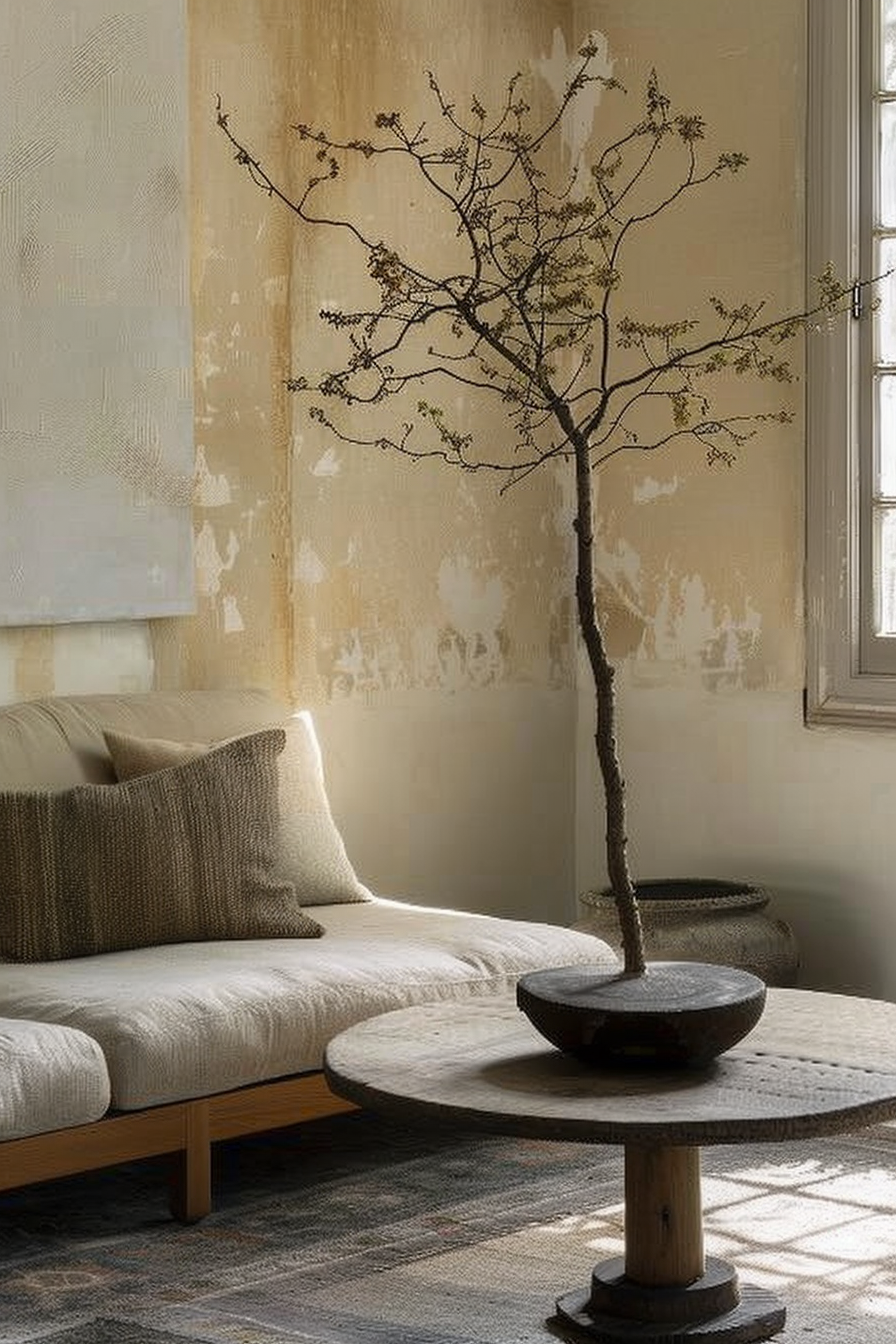
ALT: A tranquil indoor setting with a minimalist design featuring a small tree in a bowl on a coffee table, beside a daybed with knit pillows.Save

Incorporating wabi sabi into your daily life encourages a mindful appreciation of the present moment. Observing the simplicity and imperfection around you reminds you to slow down and truly see what’s in front of you.

Instead of rushing through tasks, you’ll find value in the process, whether a chipped mug or a fading flower. This practice helps you stay grounded, fostering a deeper connection with your surroundings.

Focusing on the here and now makes you less likely to be distracted by future worries or past regrets. Embracing wabi sabi allows you to celebrate the beauty in what’s imperfect, impermanent, and incomplete, promoting a sense of peace and acceptance in your daily life.

Benefits of Wabi Sabi Mindset

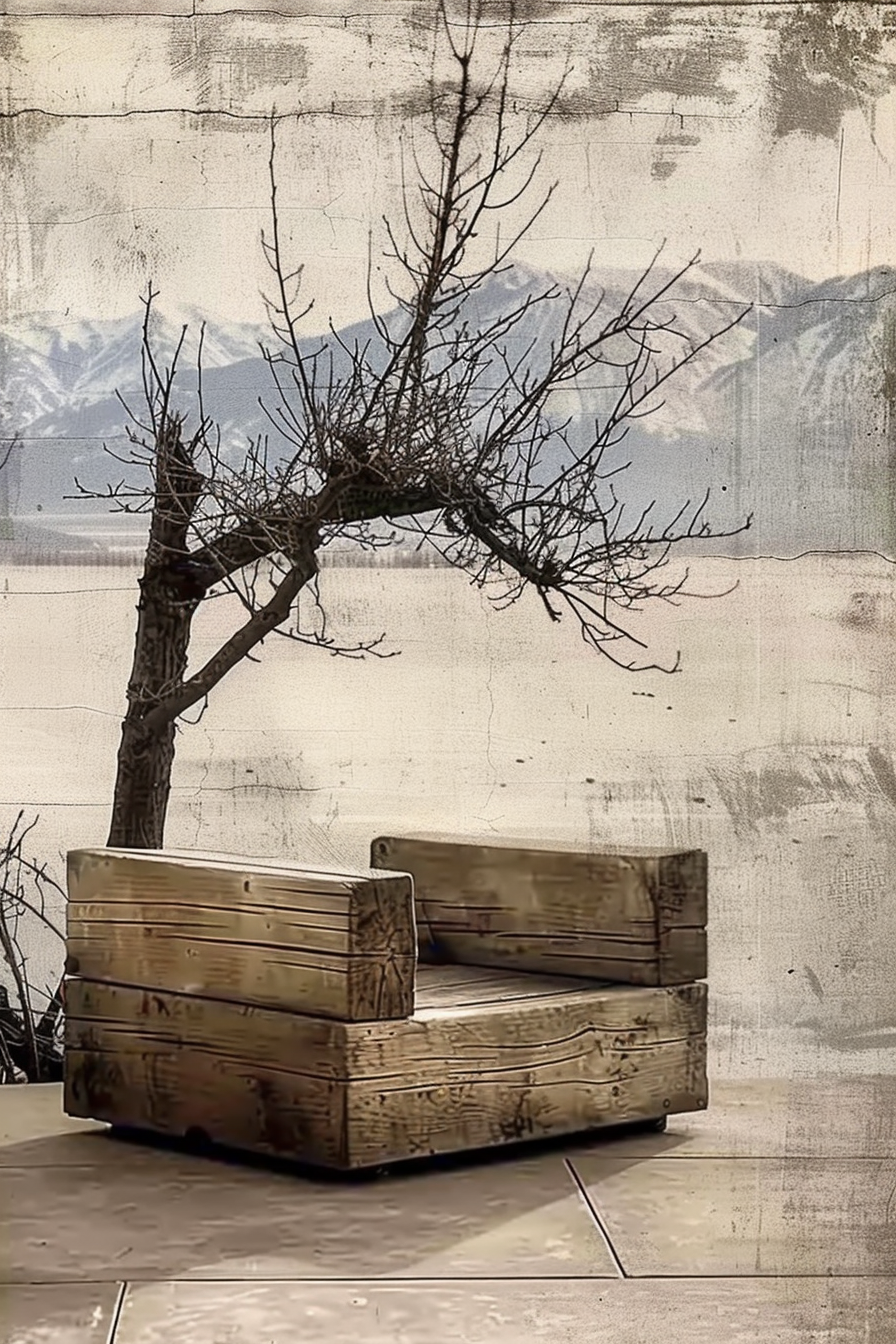
A leafless tree growing through a rustic wooden bench against a wall with a mountain mural.Save

By adopting a wabi sabi mindset, you can find peace and contentment in life’s imperfections. This philosophy encourages you to embrace the natural cycle of growth and decay, leading to a more balanced and fulfilling life.

You’ll start appreciating the beauty in everyday moments and objects, even those that are flawed or aged.

Here are three key benefits of a wabi sabi mindset:

  1. Reduced Stress: Accepting imperfections means you’re less likely to stress over achieving perfection.
  2. Increased Gratitude: You’ll develop a deeper appreciation for what you have, fostering a sense of gratitude.
  3. Enhanced Creativity: Embracing flaws can inspire innovative thinking and creative solutions.
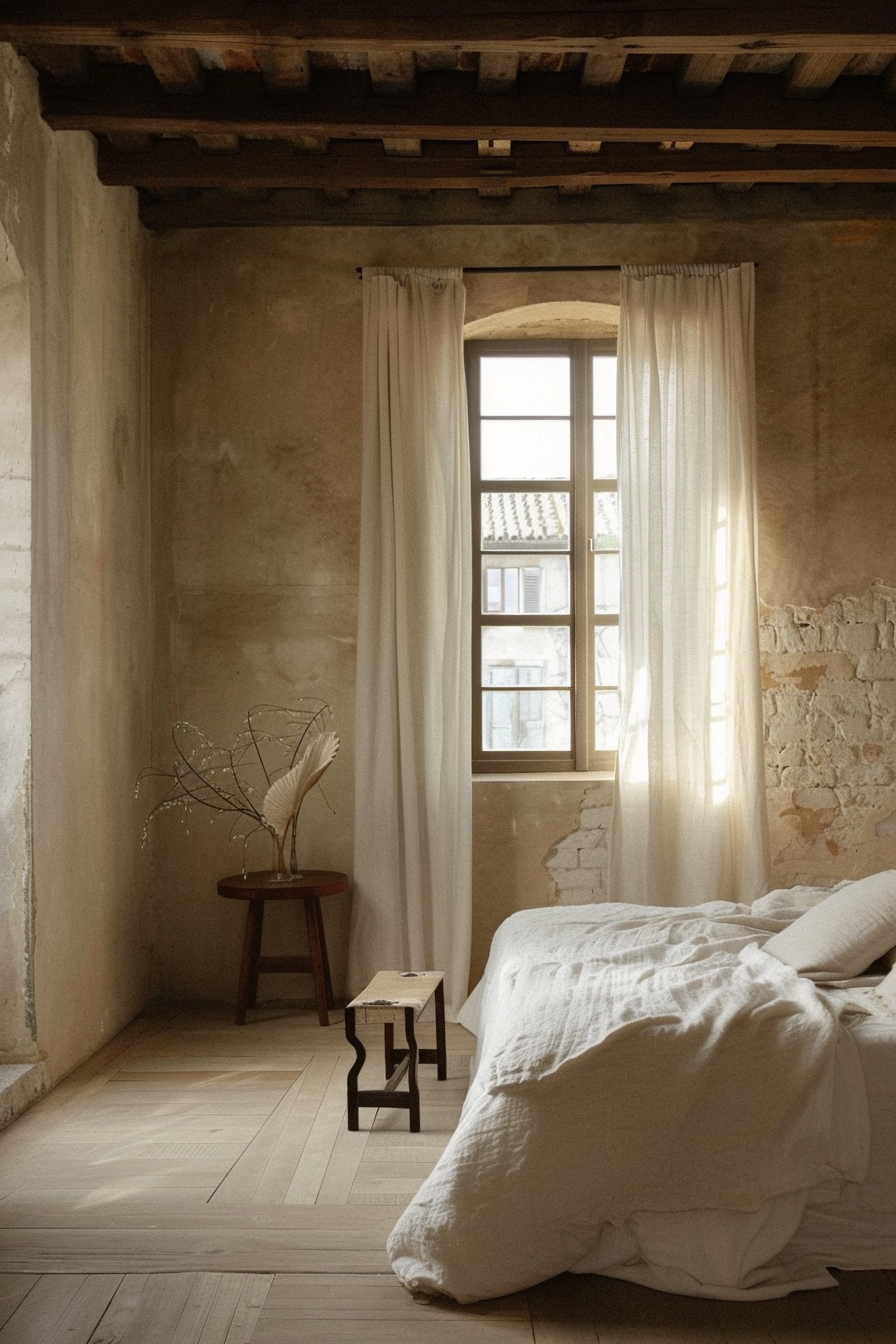
Rustic bedroom with sunlight streaming through sheer curtains, exposed wooden beams, and minimalist decor.Save
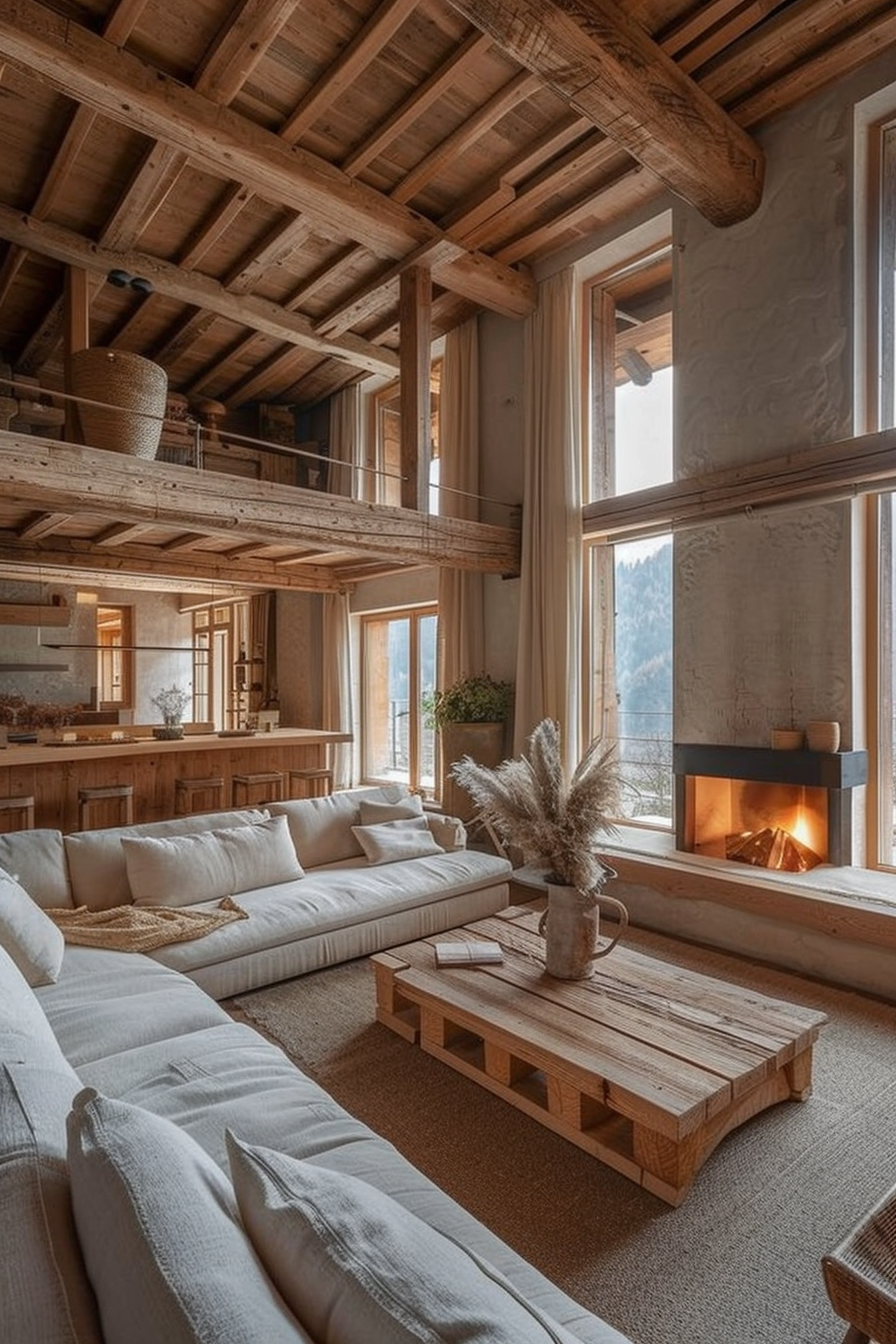
Cozy mountain cabin interior with exposed wooden beams, a loft area, fireplace, and plush white sofas with a rustic wood coffee table.Save
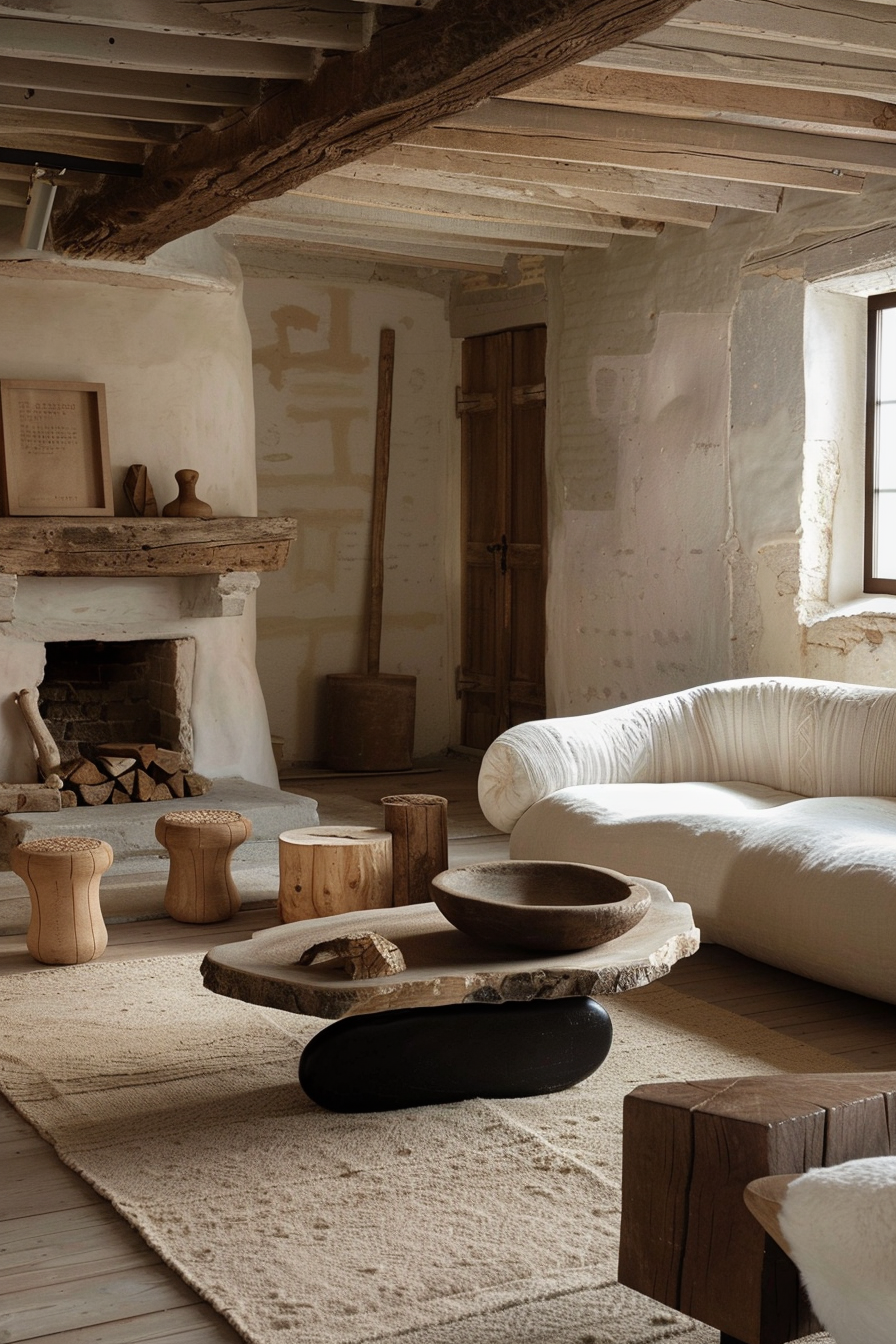
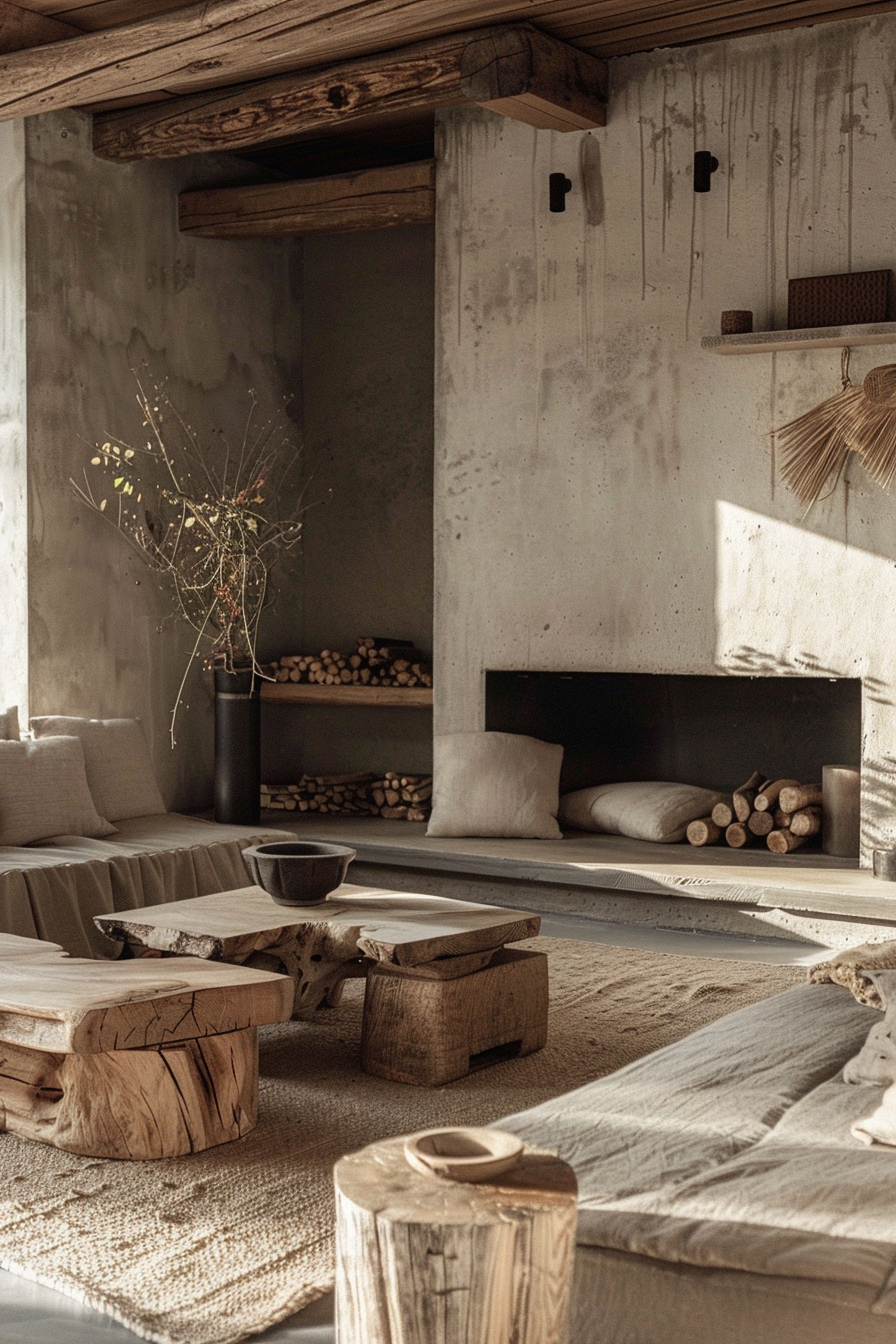
Interior of a rustic living room with wooden beams, a fireplace, and natural wood furniture on a textured rug.Save
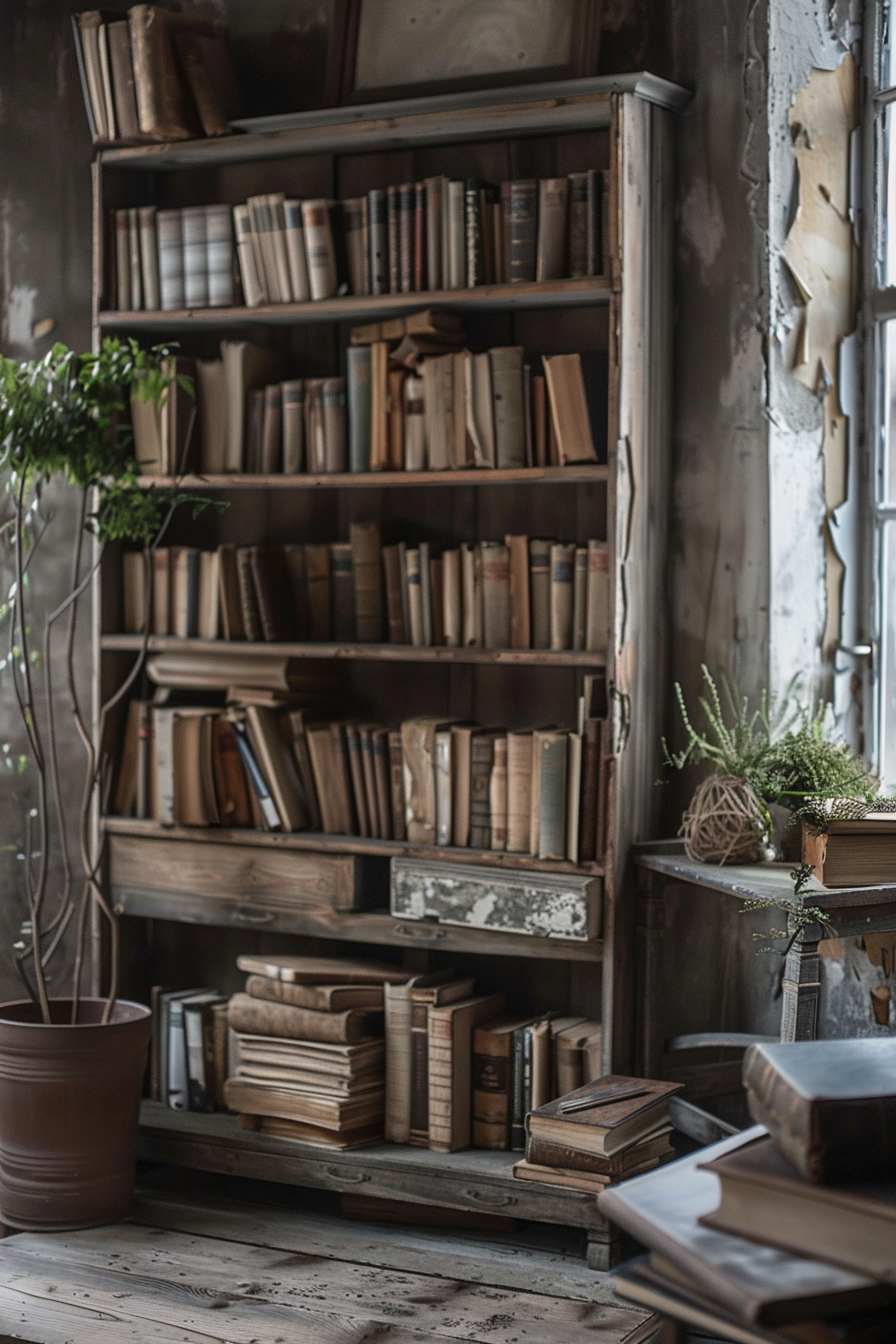
A rustic wooden bookshelf filled with old books in a room with peeling walls, near a window with natural light.Save
A rustic bookshelf filled with old, leather-bound books, beside an open book on a worn wooden table, evoking a vintage library atmosphere.Save
Rustic room with an old wooden table filled with open and stacked books, flanked by a bookshelf packed with vintage tomes.Save
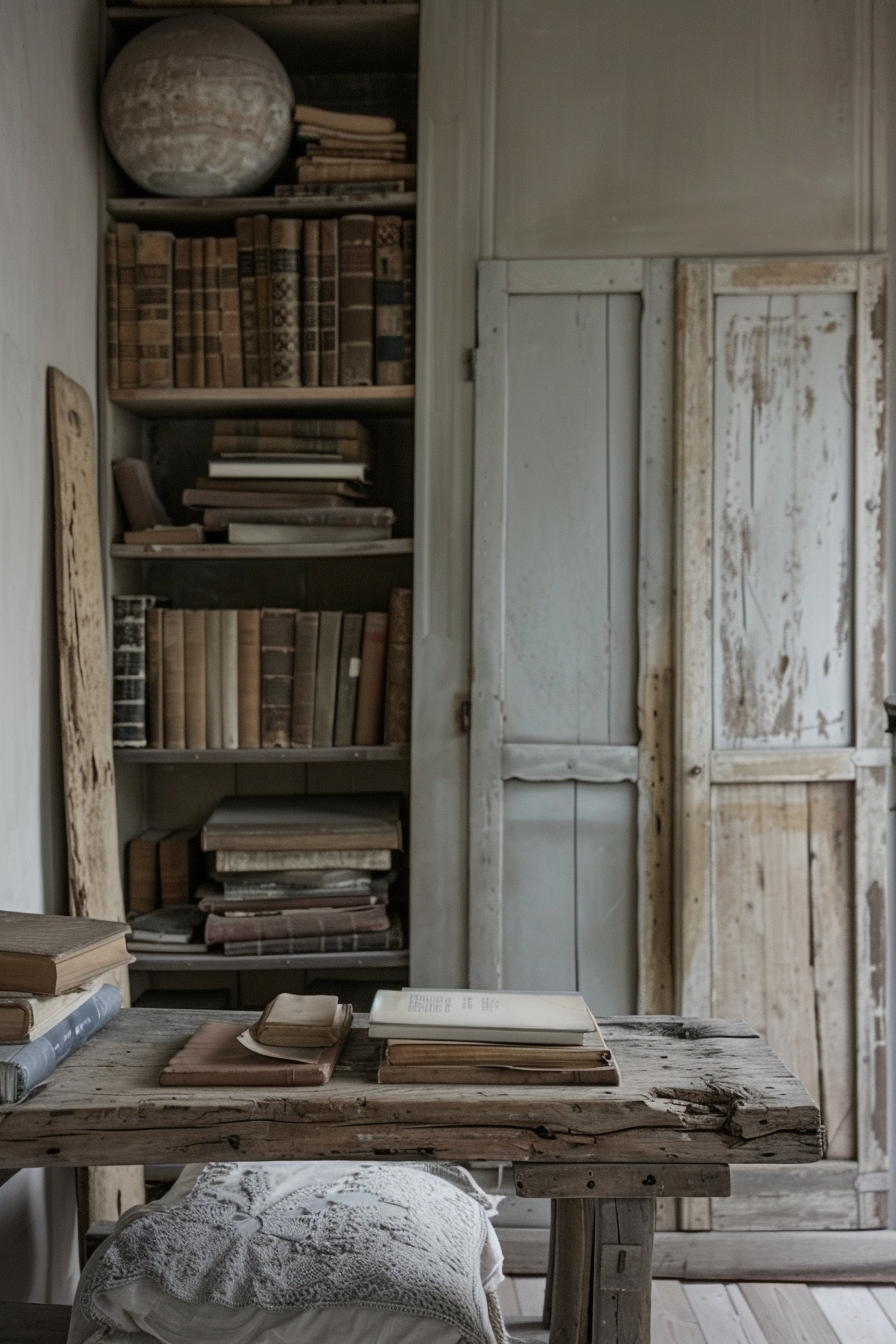
A rustic room with a wooden table, an old globe, and a weathered bookshelf filled with antique hardcover books.Save
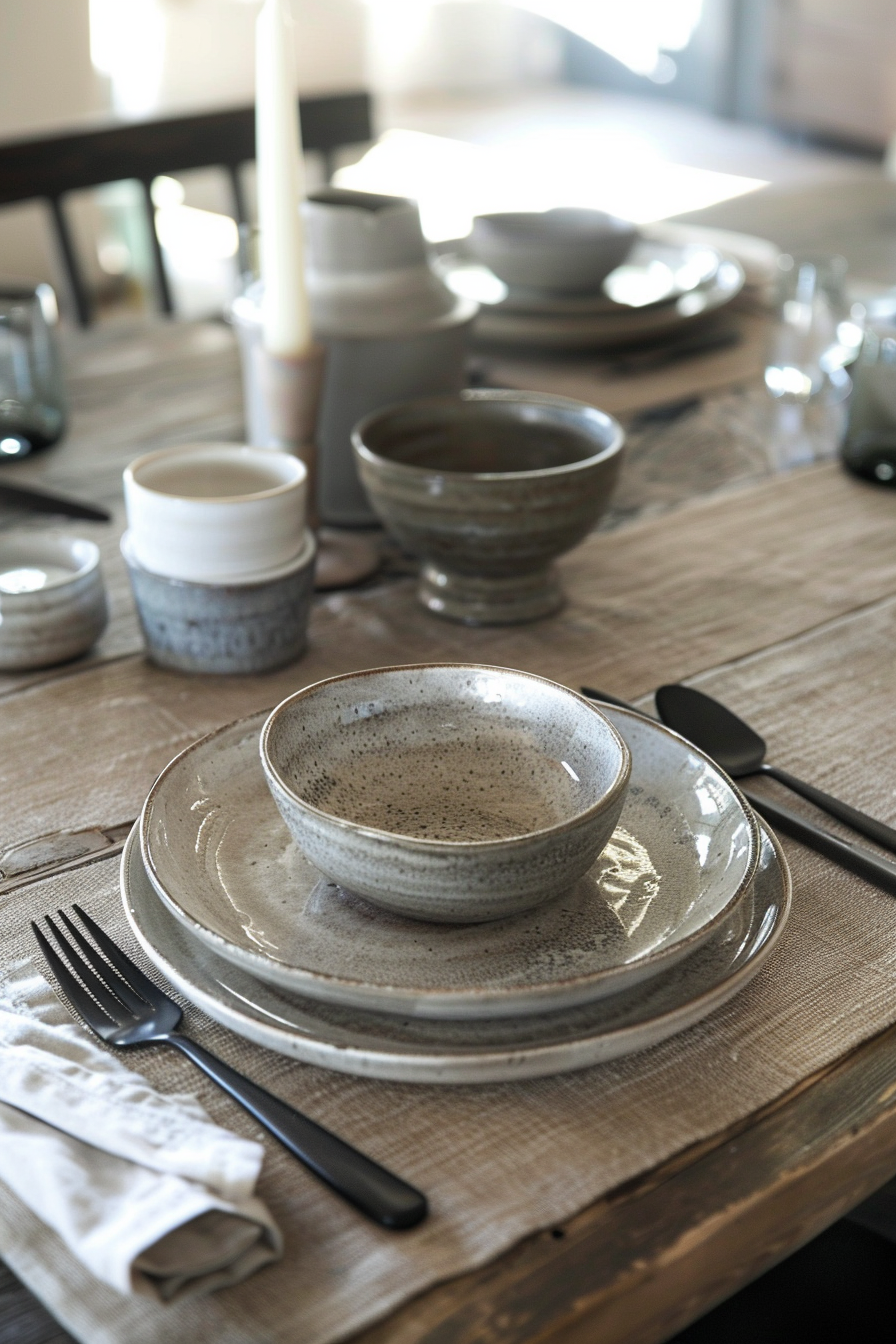
Rustic table setting with ceramic dishes, black utensils, and a candle, on a textured wooden table.Save
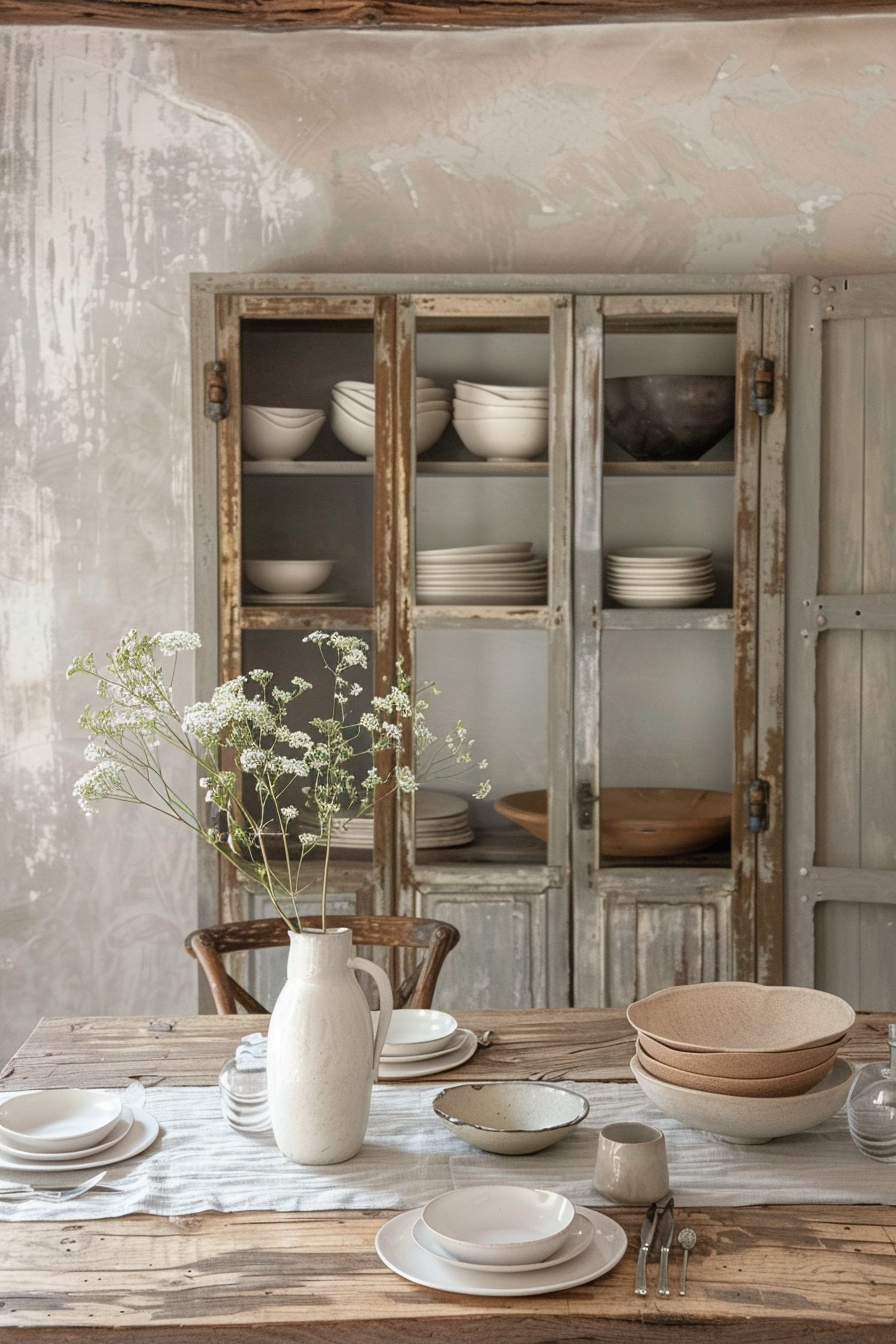
A rustic wooden dining table set with white ceramics, a vase with wildflowers, and a weathered cabinet filled with dishes in the background.Save
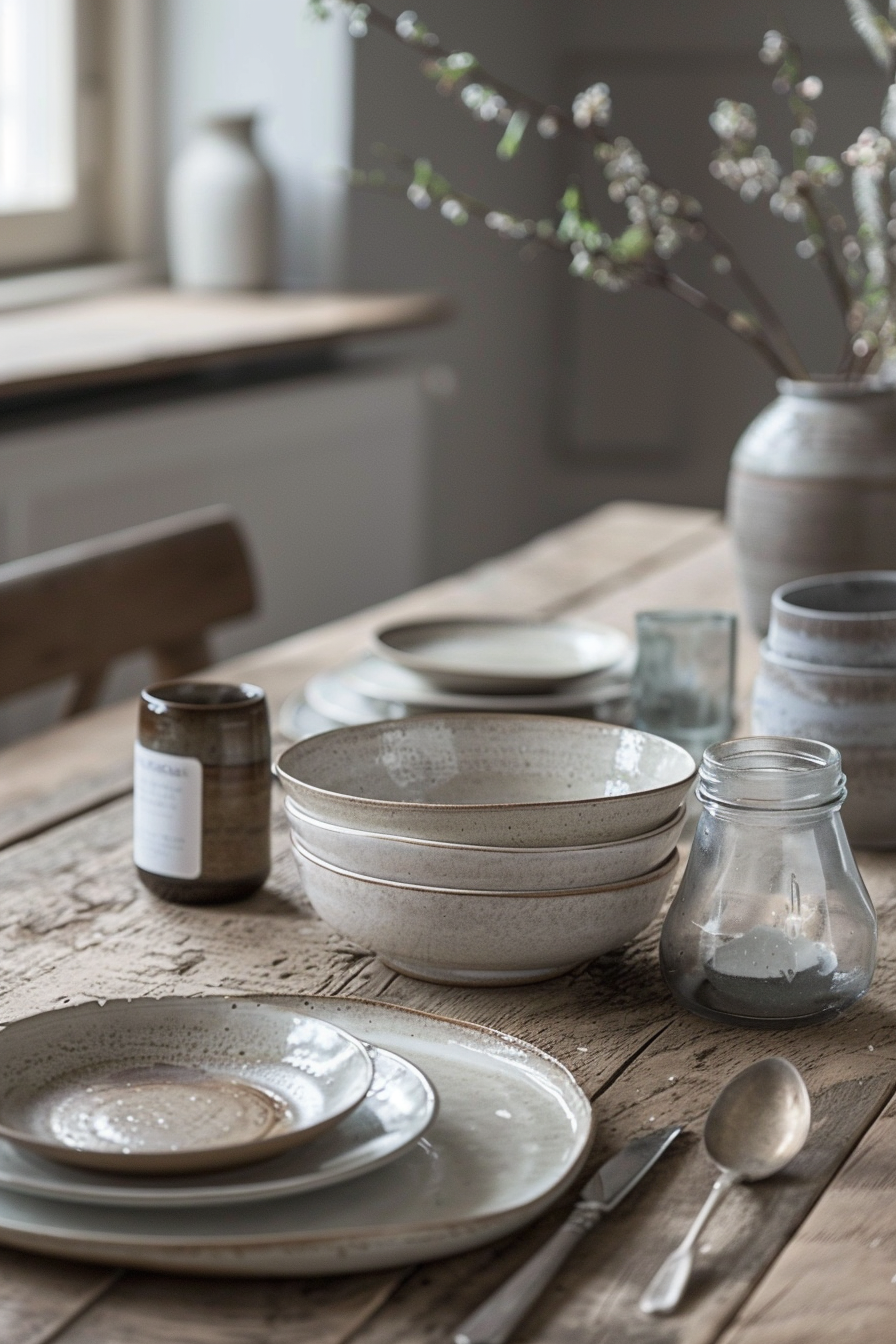
Rustic table setting with ceramic dishes, cutlery, and a jar on a wooden table, accented by soft natural light and branches in a vase.Save
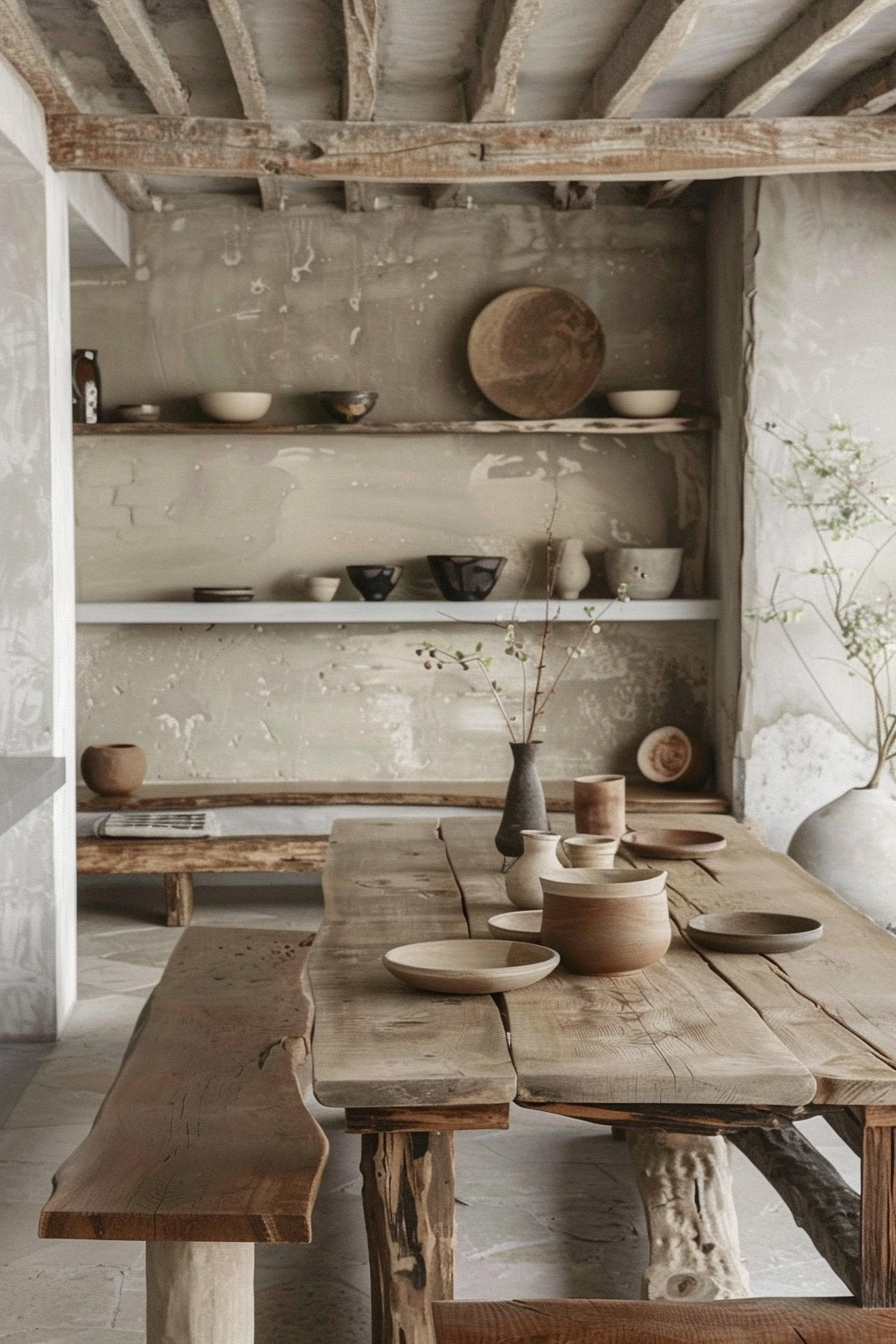
Rustic wooden table and benches with handmade pottery in a room with distressed shelves and exposed beams.Save
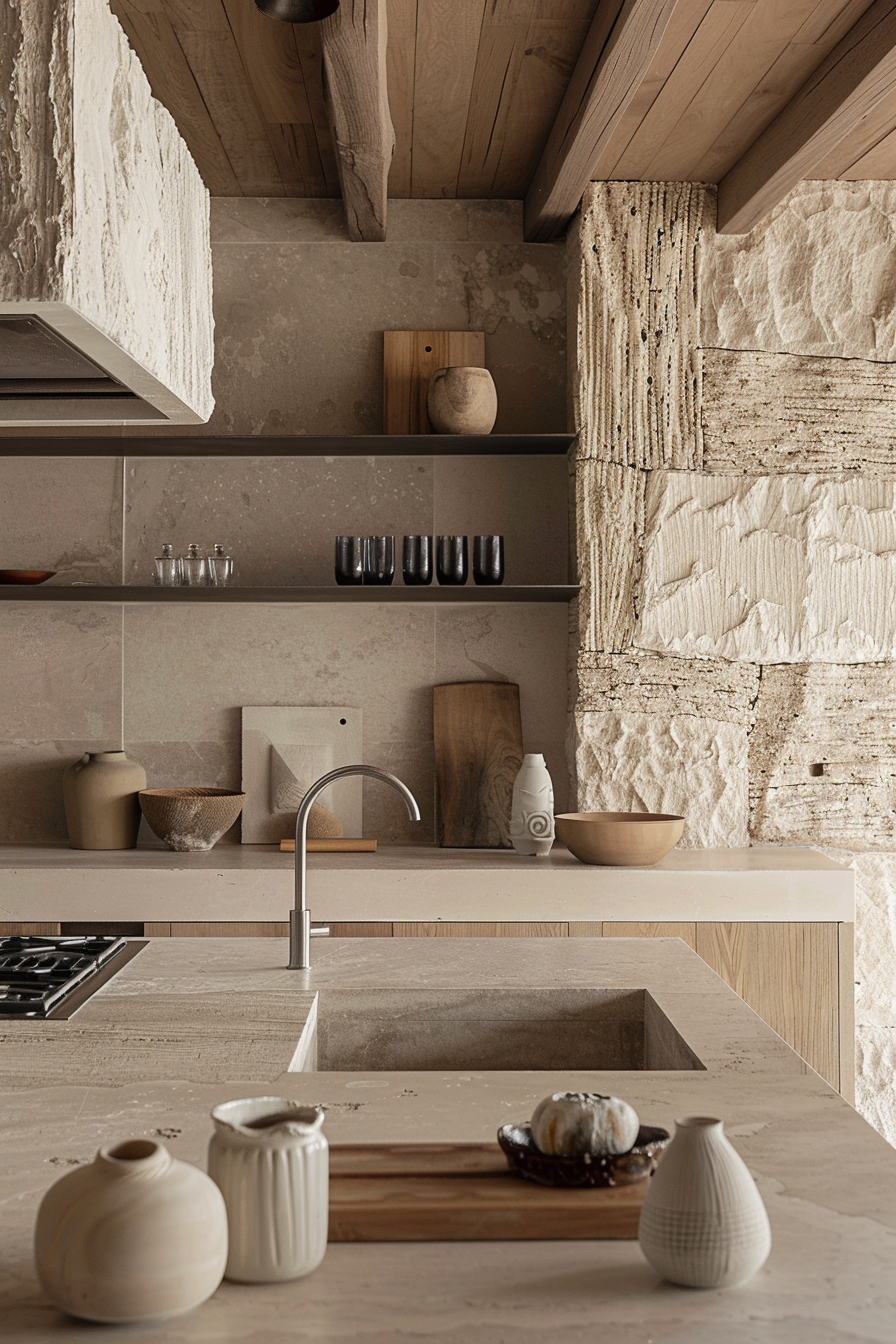
Modern kitchen interior with stone and wood elements, neutral tones, and minimalist decor.Save
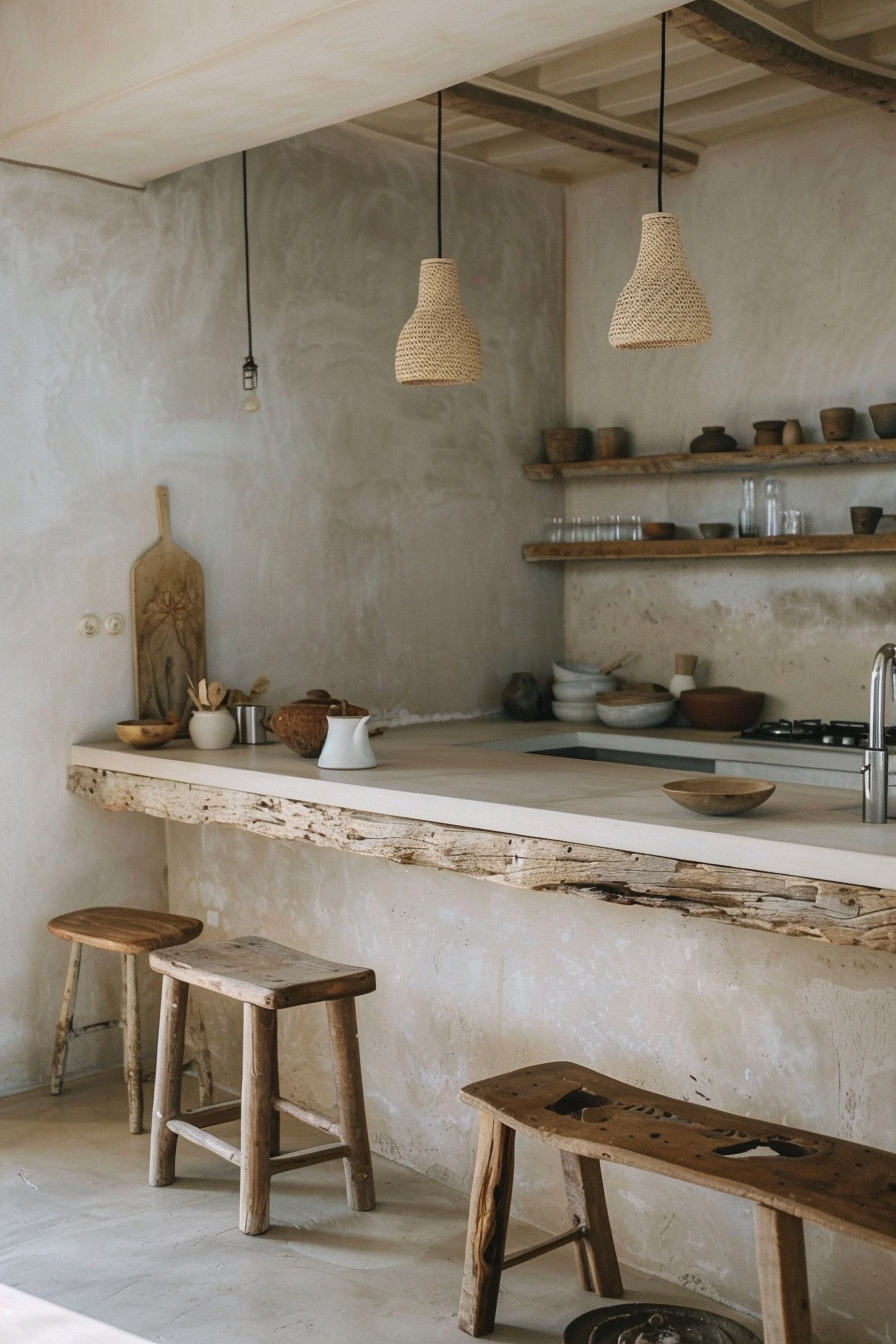
Rustic kitchen interior with rough wooden countertops, woven pendant lights, and stools against a plastered wall.Save
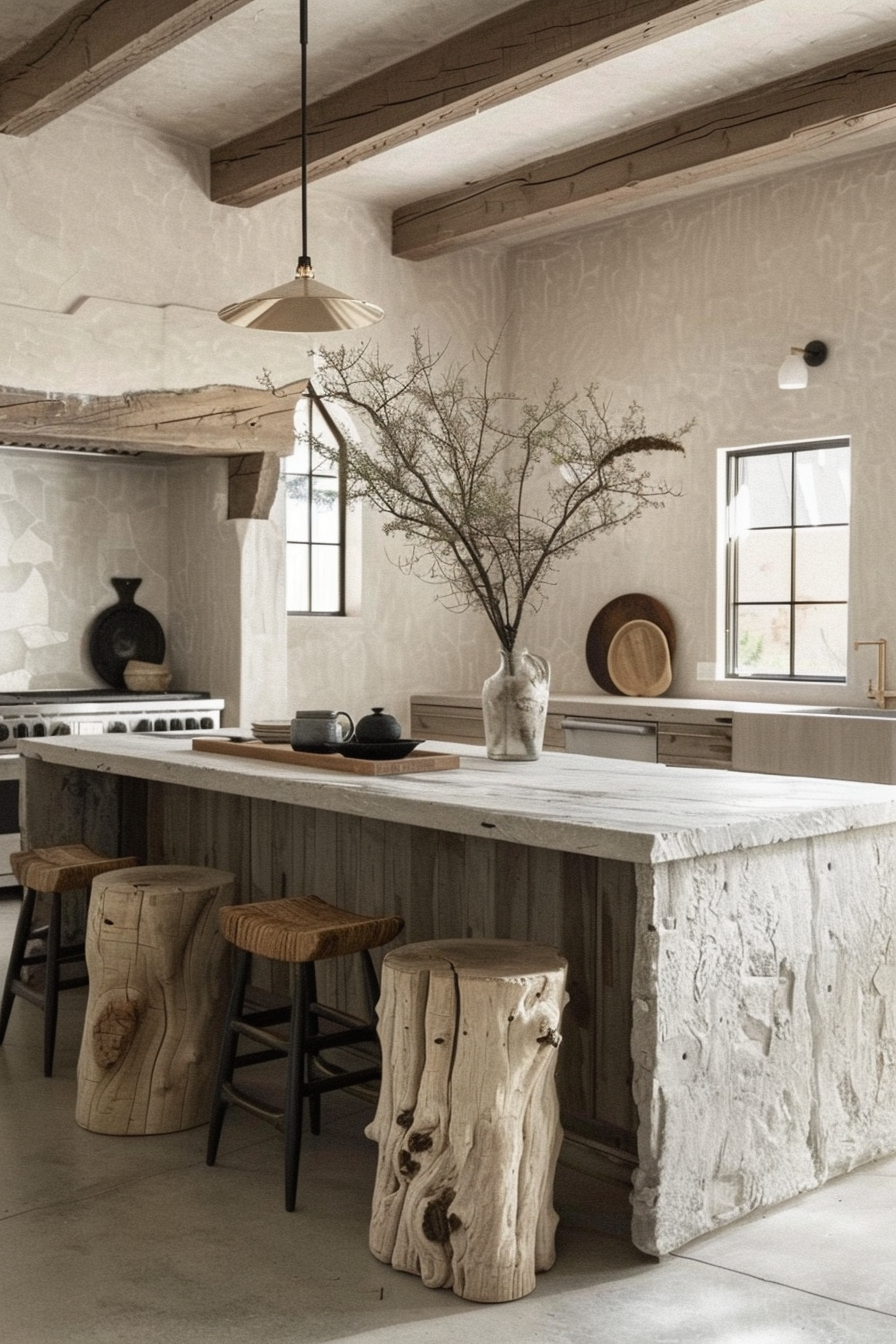
Rustic kitchen interior with wooden beams, a pendant light, tree trunk stools, and a branch centerpiece on an island.Save
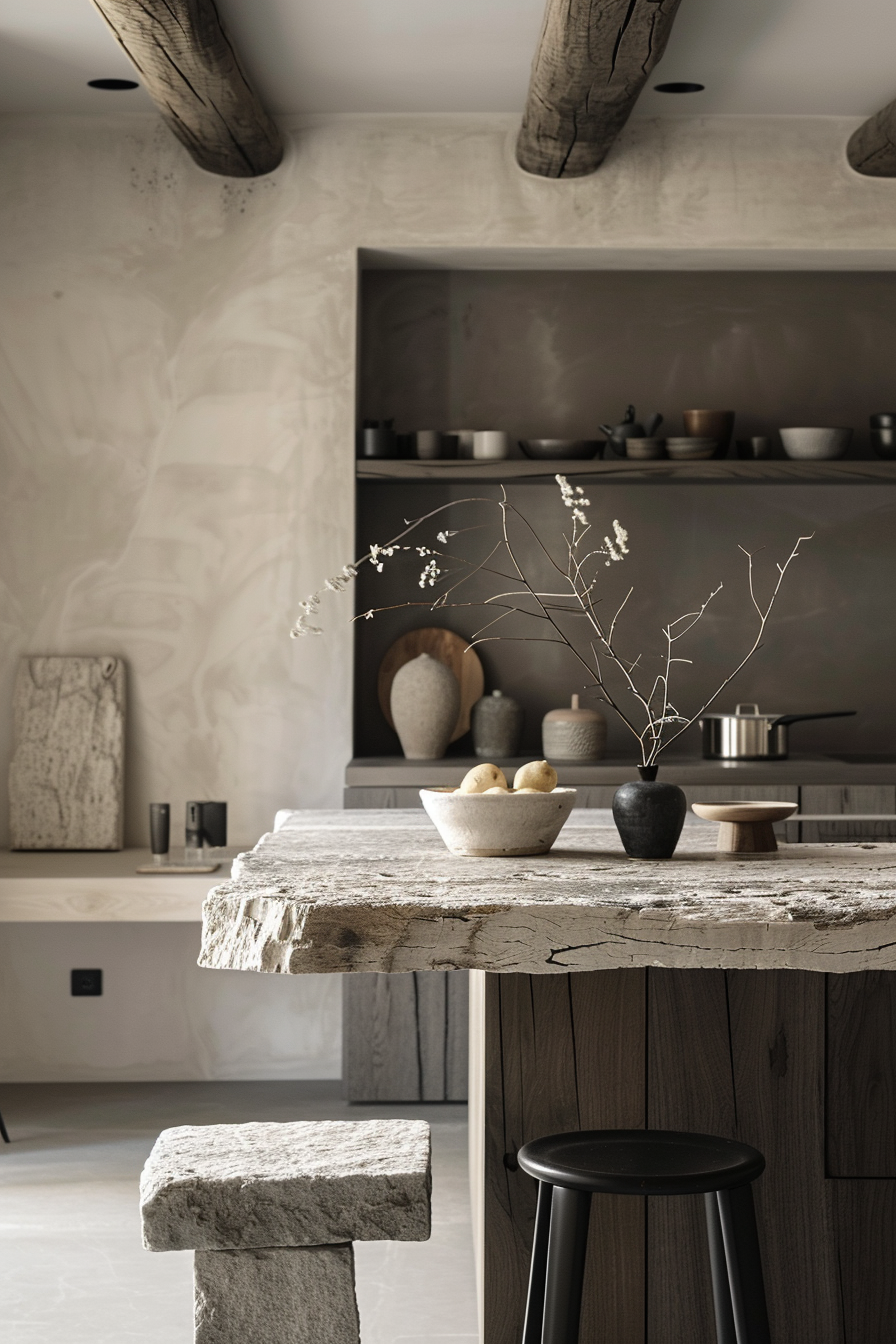
ALT text: Modern kitchen with rustic stone island, wooden stools, and subtle decor including a bowl of lemons and a vase with branches.Save
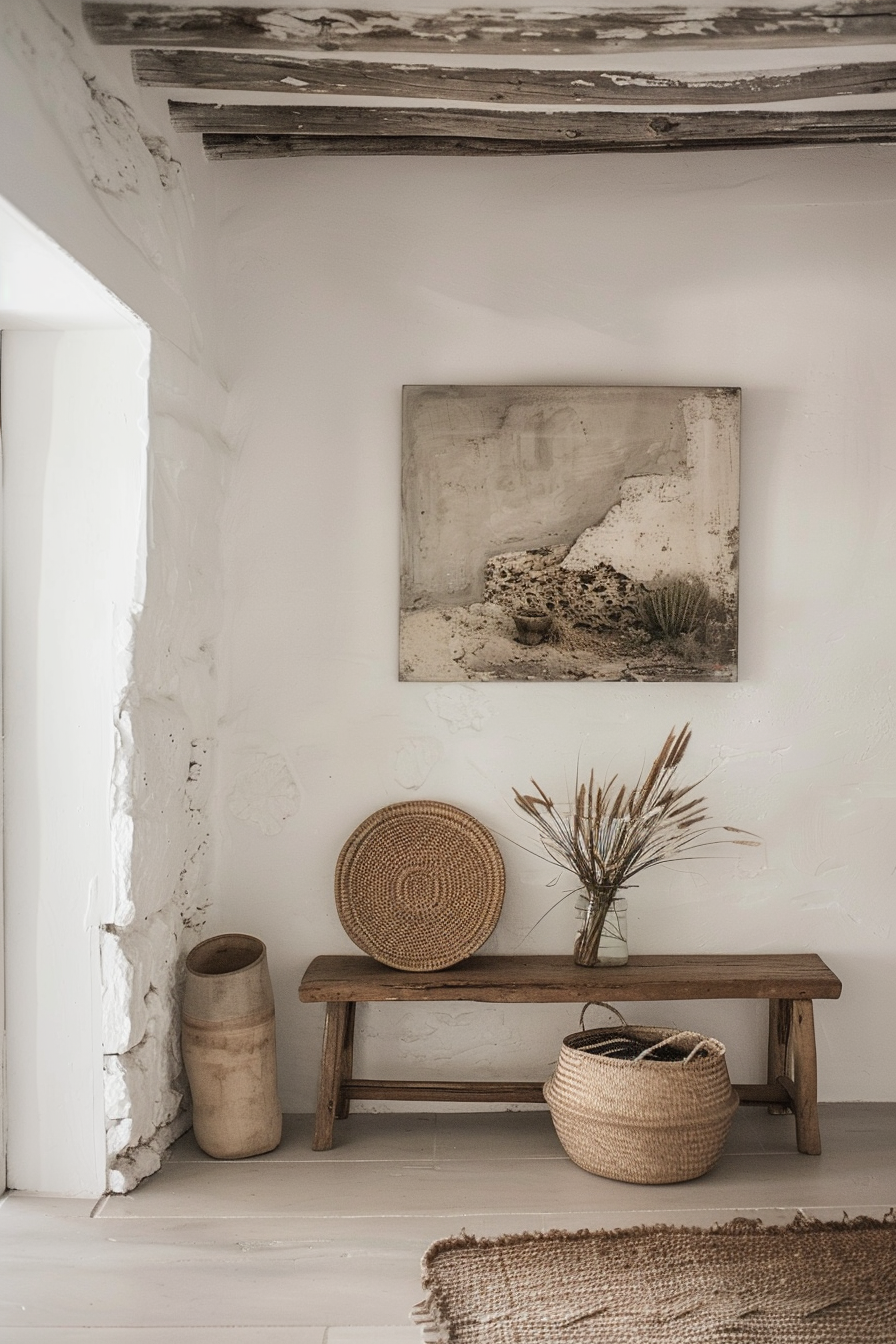
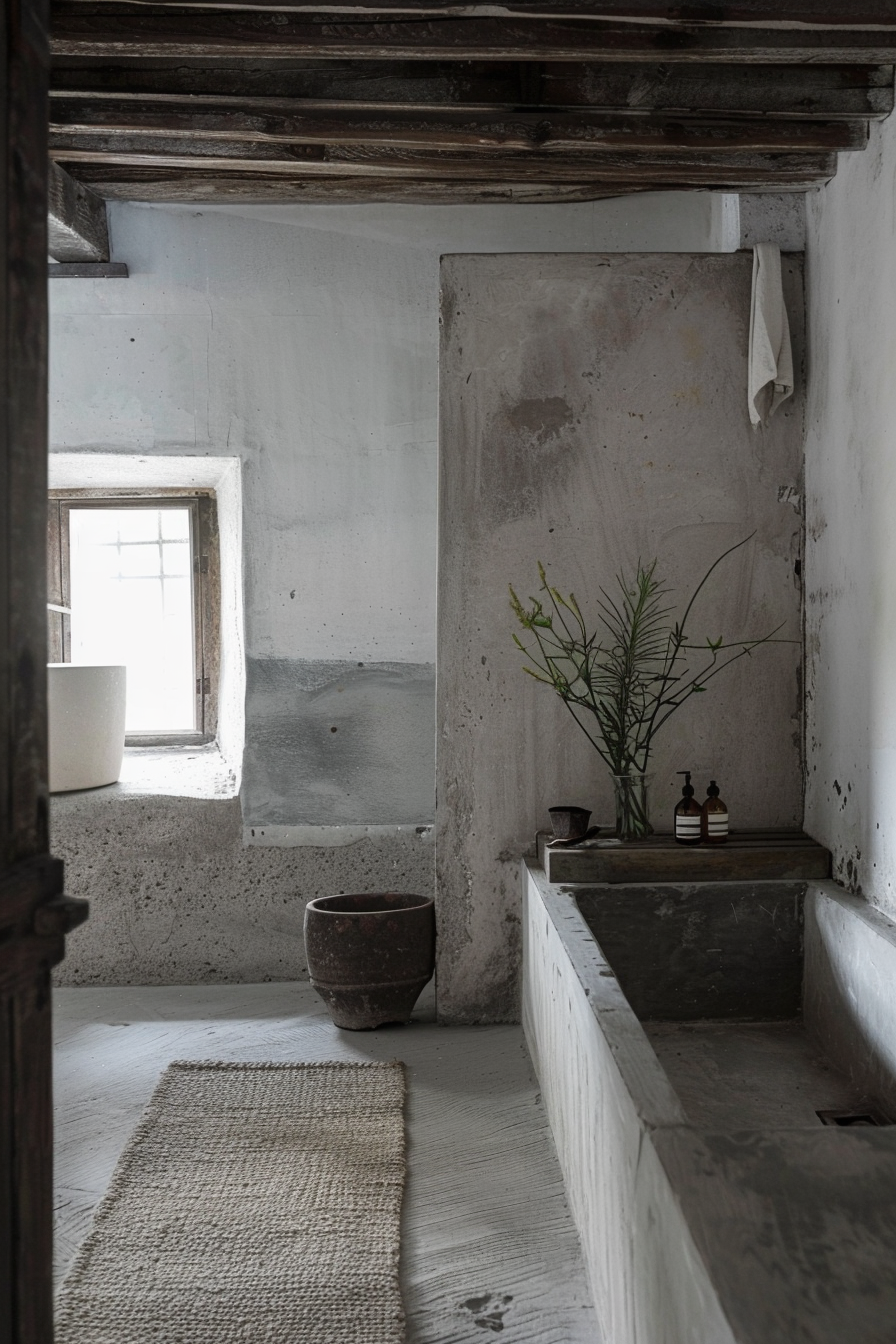
Rustic room with a small window, white walls, wooden beams, a jute rug, a bench, pottery, and green plants.Save
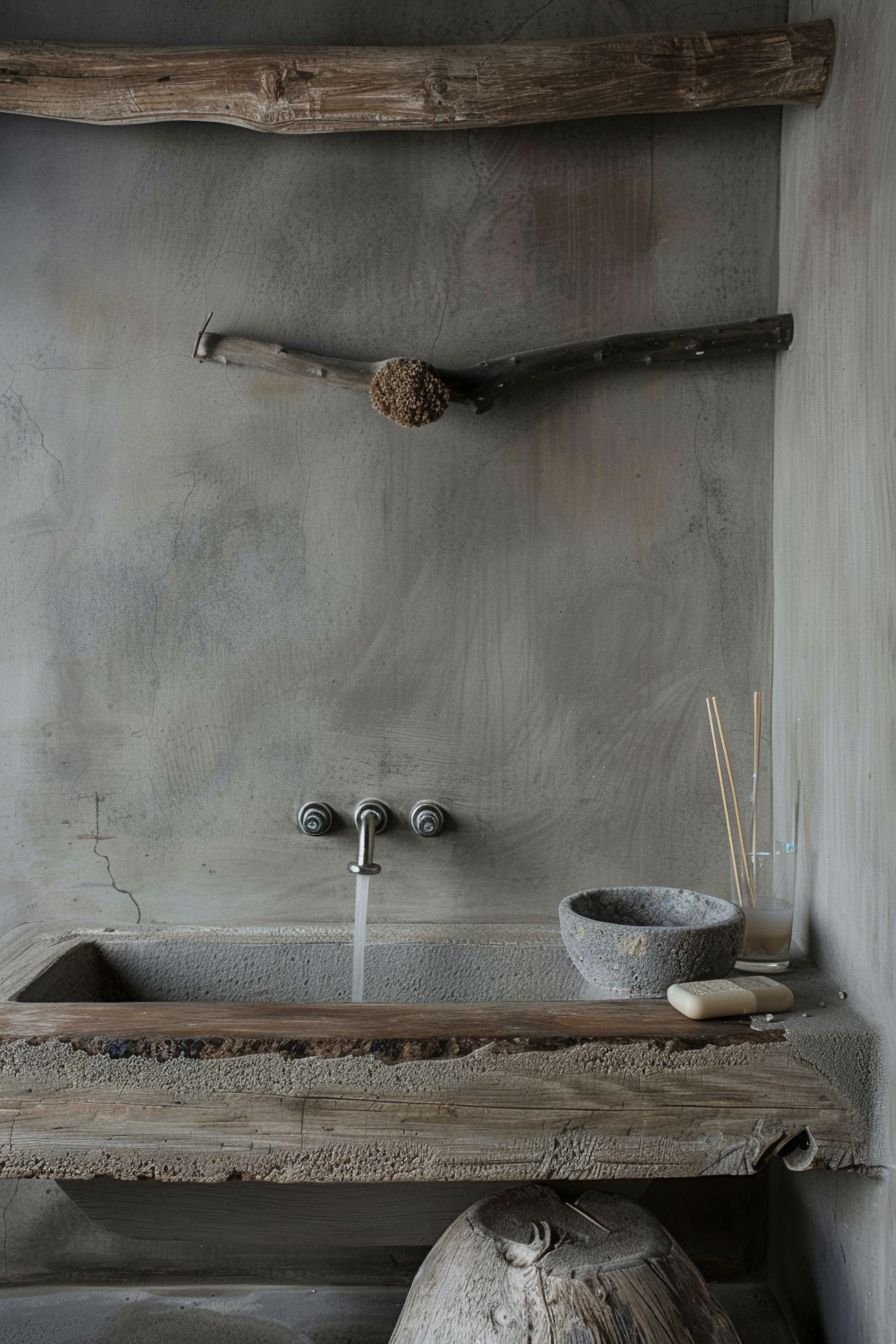
Rustic bathroom sink setup with wooden elements, running water from wall-mounted taps, and a stone bowl next to incense sticks.Save
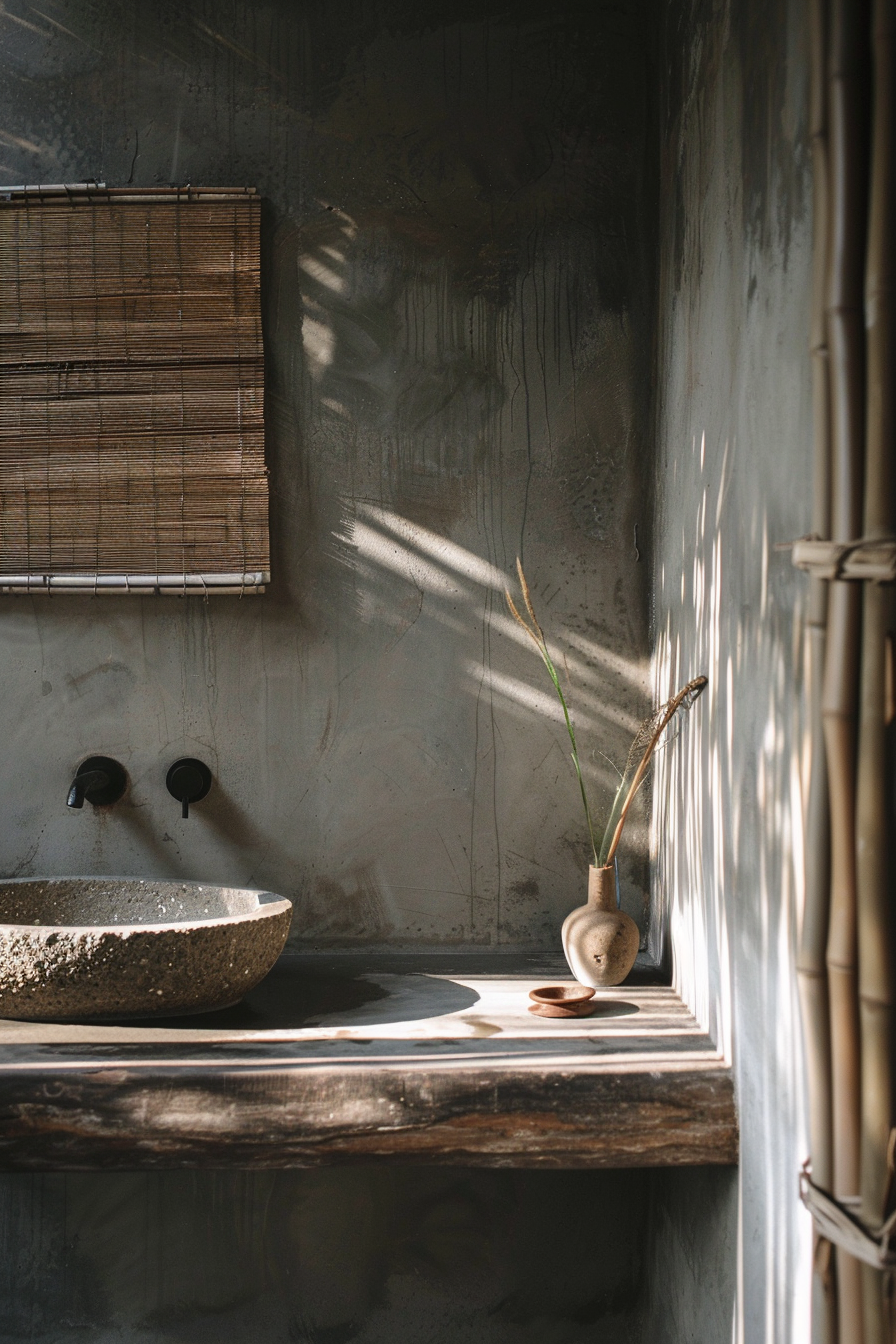
Rustic bathroom corner with natural stone sink, wooden shelf, bamboo blinds, and sunlight casting shadows on the wall.Save
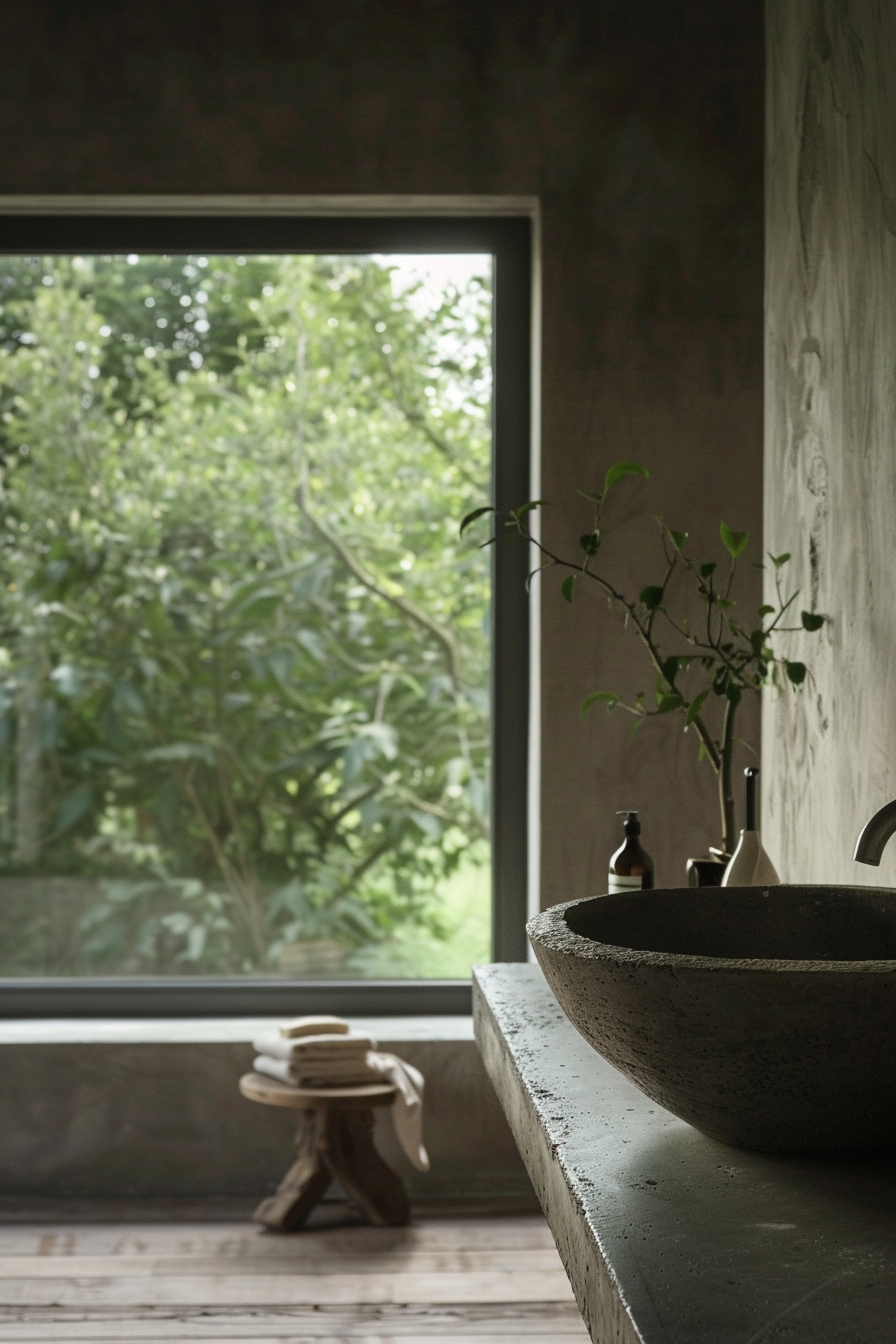
A serene bathroom interior with a stone basin on a concrete countertop and a view of lush greenery through a window.Save
Rustic interior corner with a wooden bench, monochrome artwork, wicker baskets, and dried plants, exuding a calm, minimalist vibe.Save
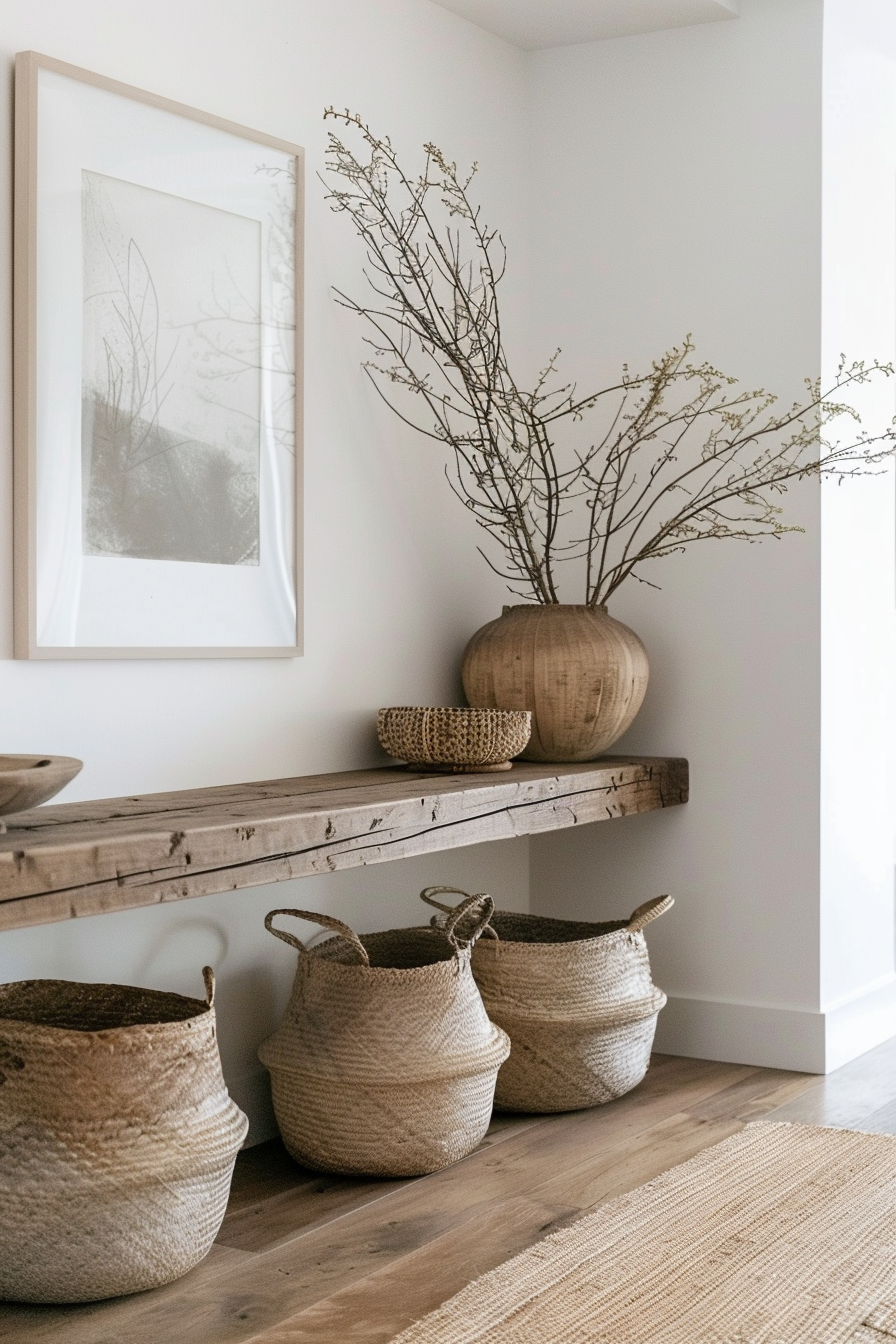
"Minimalist interior with rustic wooden shelf, textured baskets, a vase with dried branches, artwork frame, and woven rug on the floor."Save
Minimalist interior with a rustic wooden bench, textured artwork, a vase with branches, and woven baskets on a hardwood floor.Save
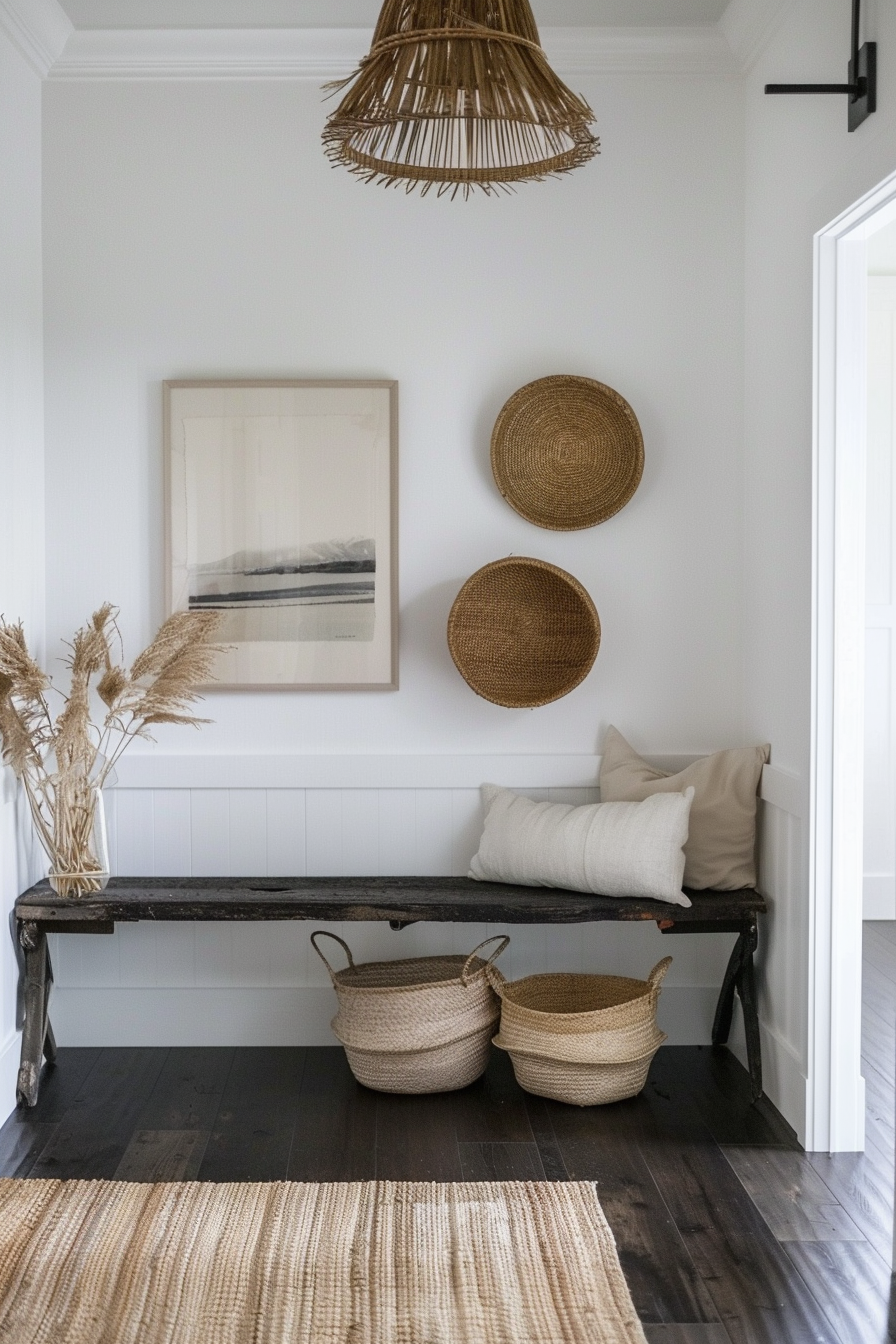
A cozy nook with a rustic bench, woven baskets, straw hat wall decor, and a wicker pendant light, set against a white paneled wall.Save
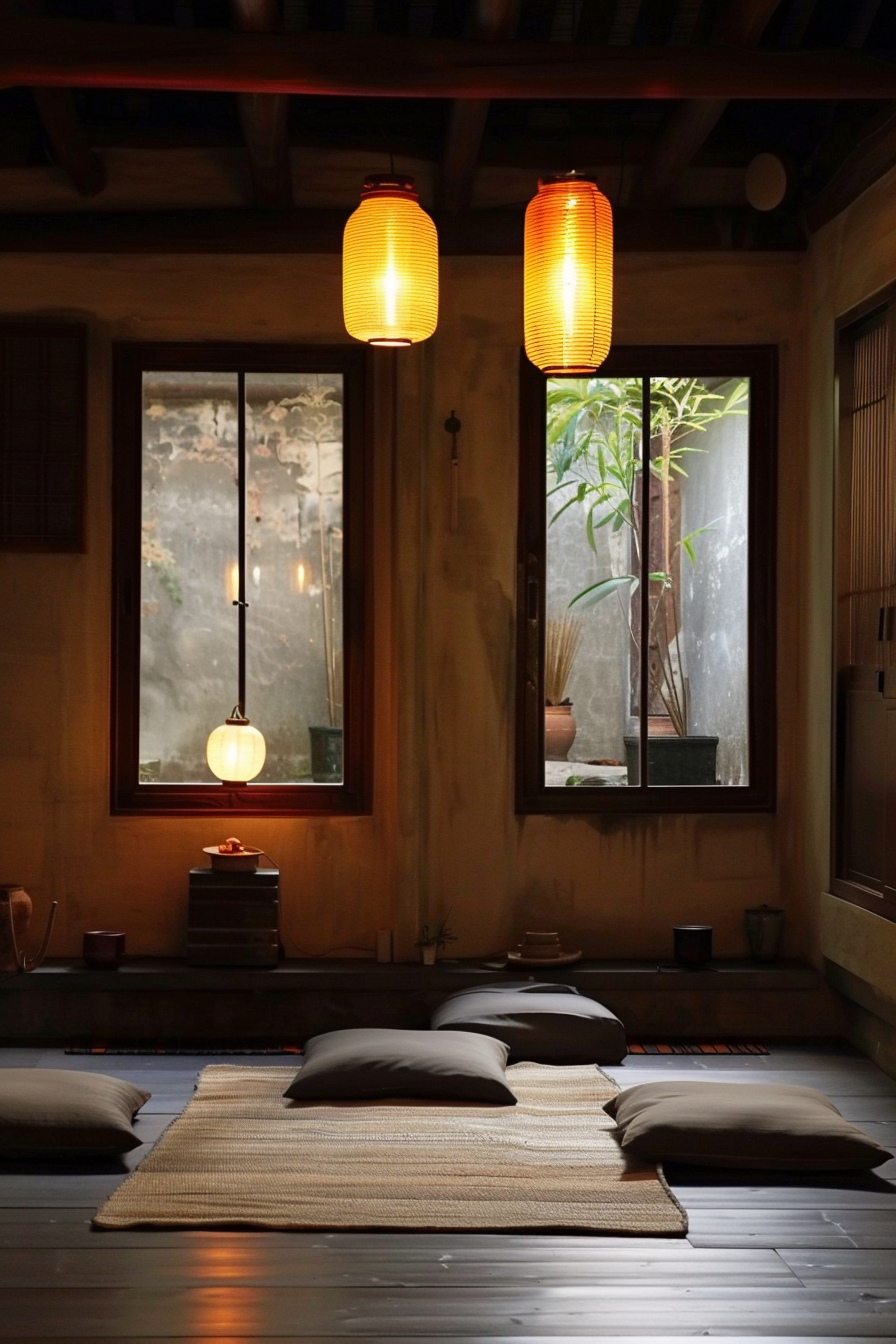
ALT text: A serene traditional Japanese room with tatami mats and floor cushions, illuminated by warm hanging lanterns next to a window view of a garden.Save
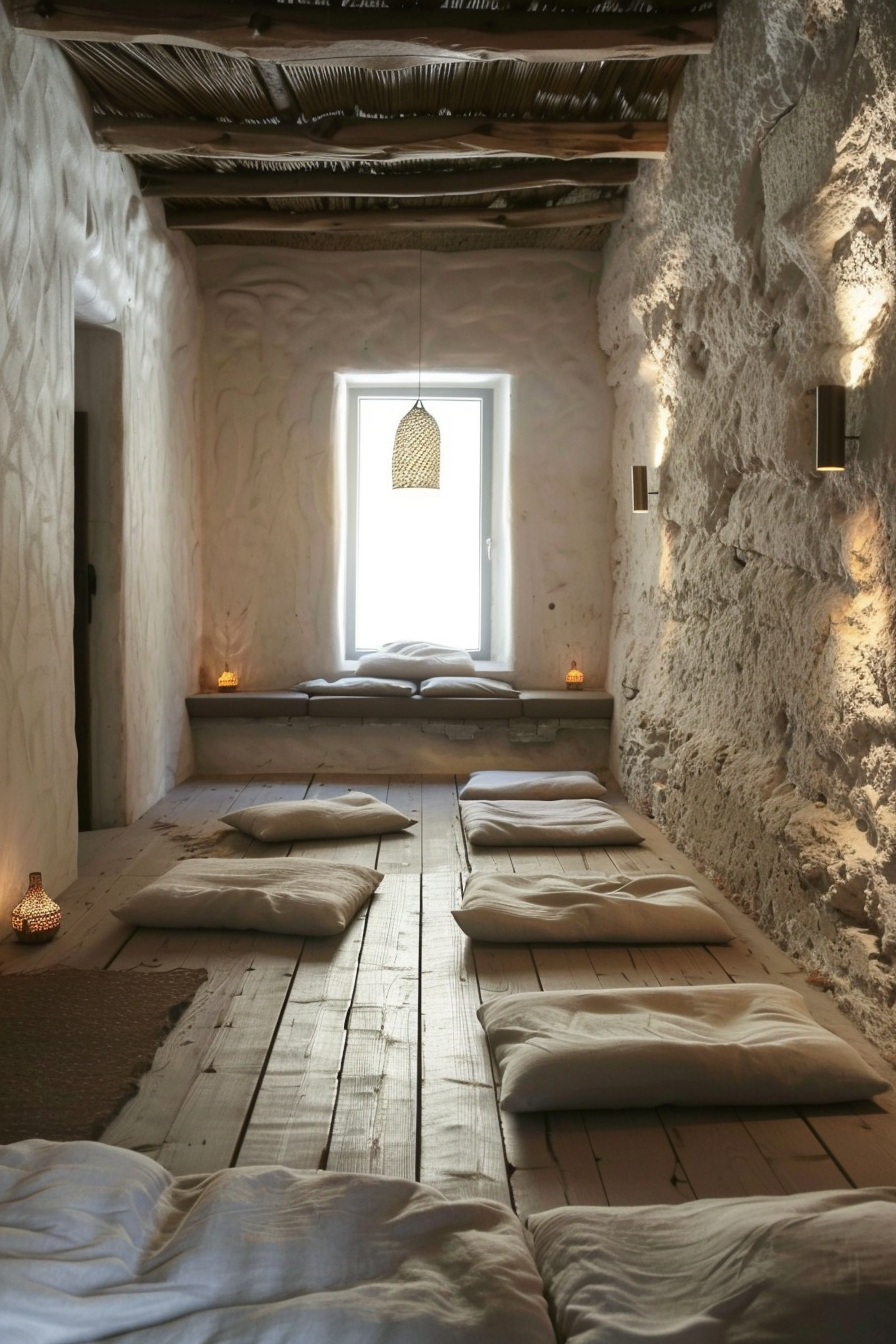
A serene meditation room with cushions on a wooden floor, ambient lighting, and a window letting in natural light.Save
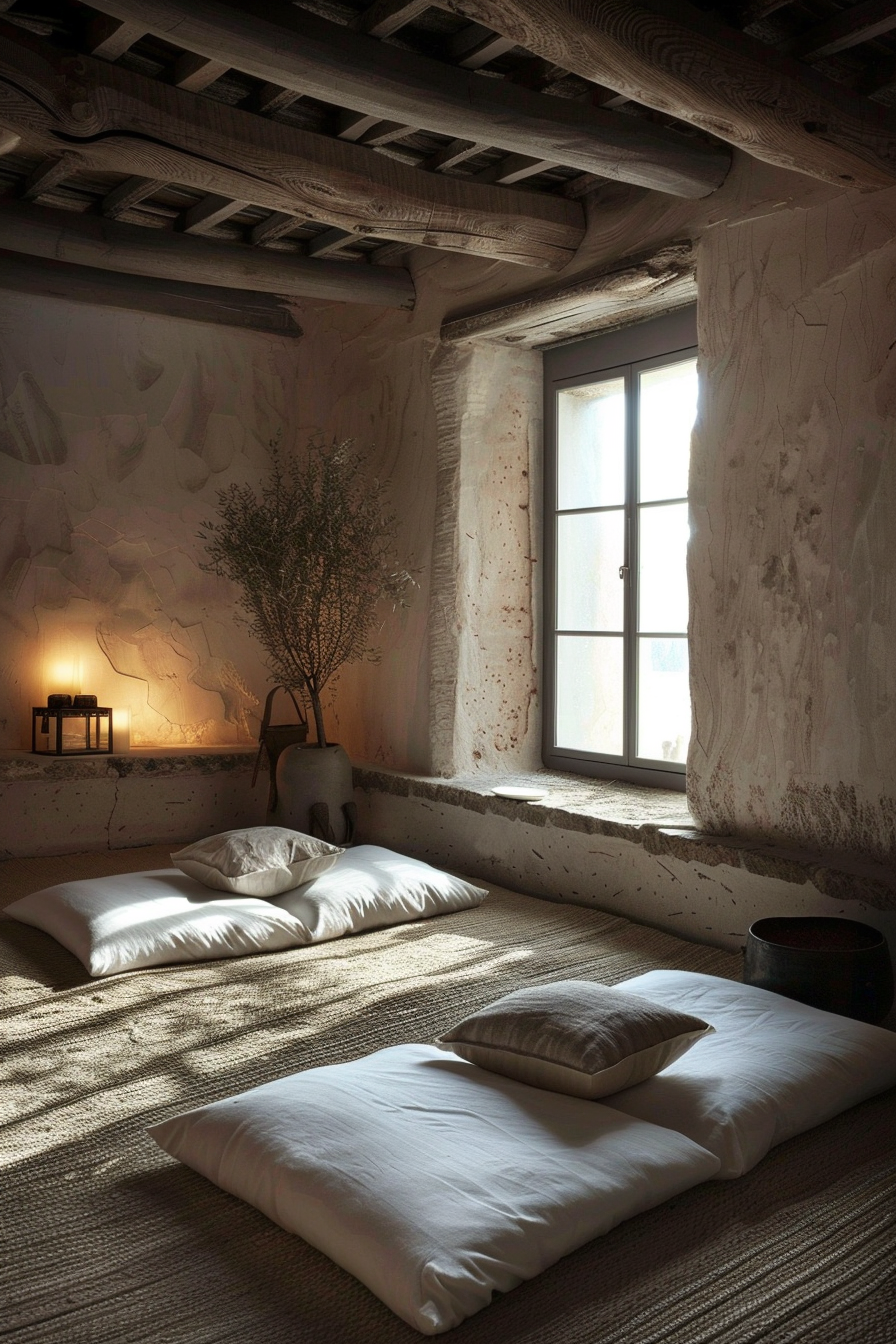
Cozy minimalist bedroom with floor cushions, rough textured walls, warm lighting, and wood beamed ceiling.Save
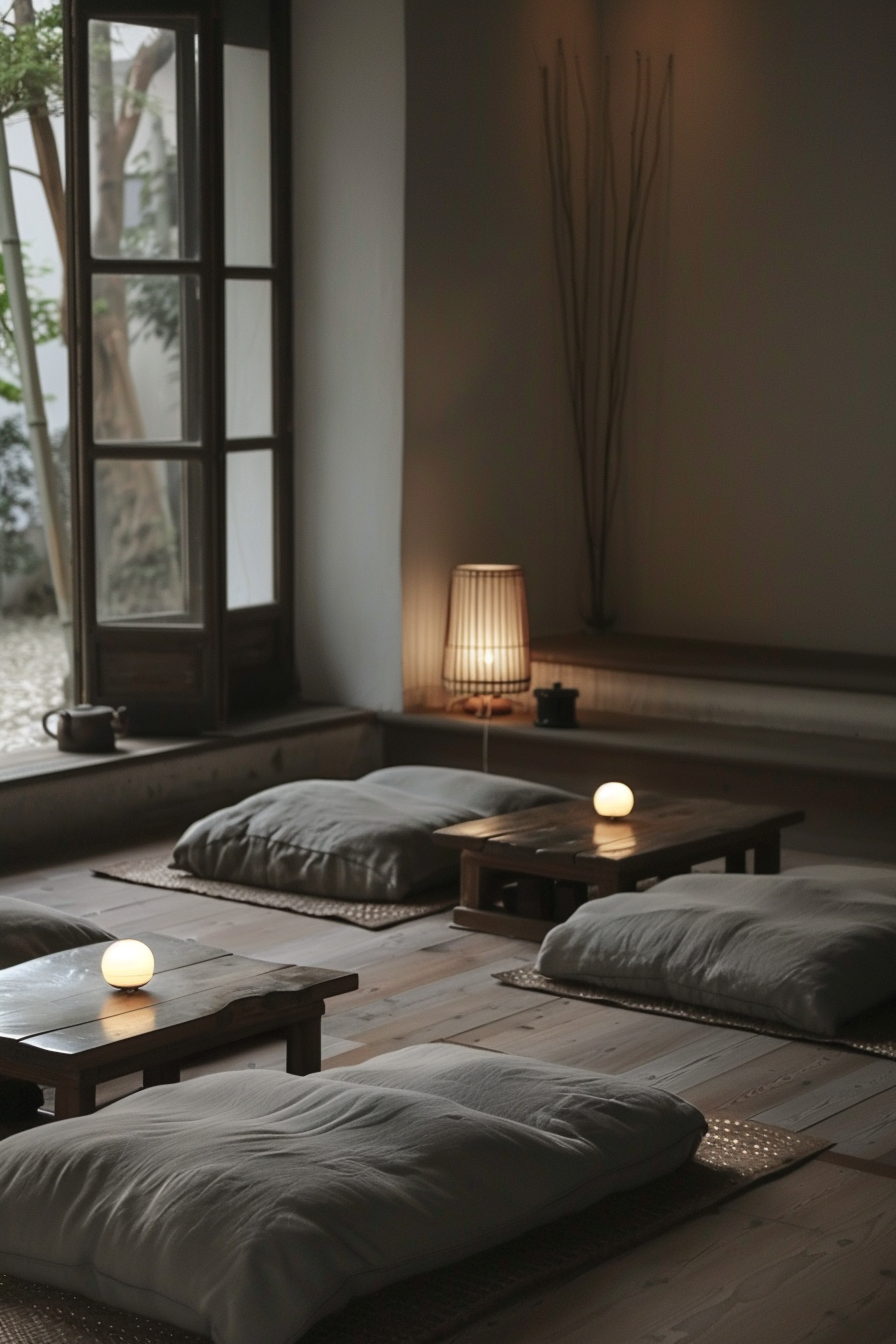
A serene room with floor cushions, wooden low tables, soft lighting from a lamp, and a tranquil, cozy ambiance.Save
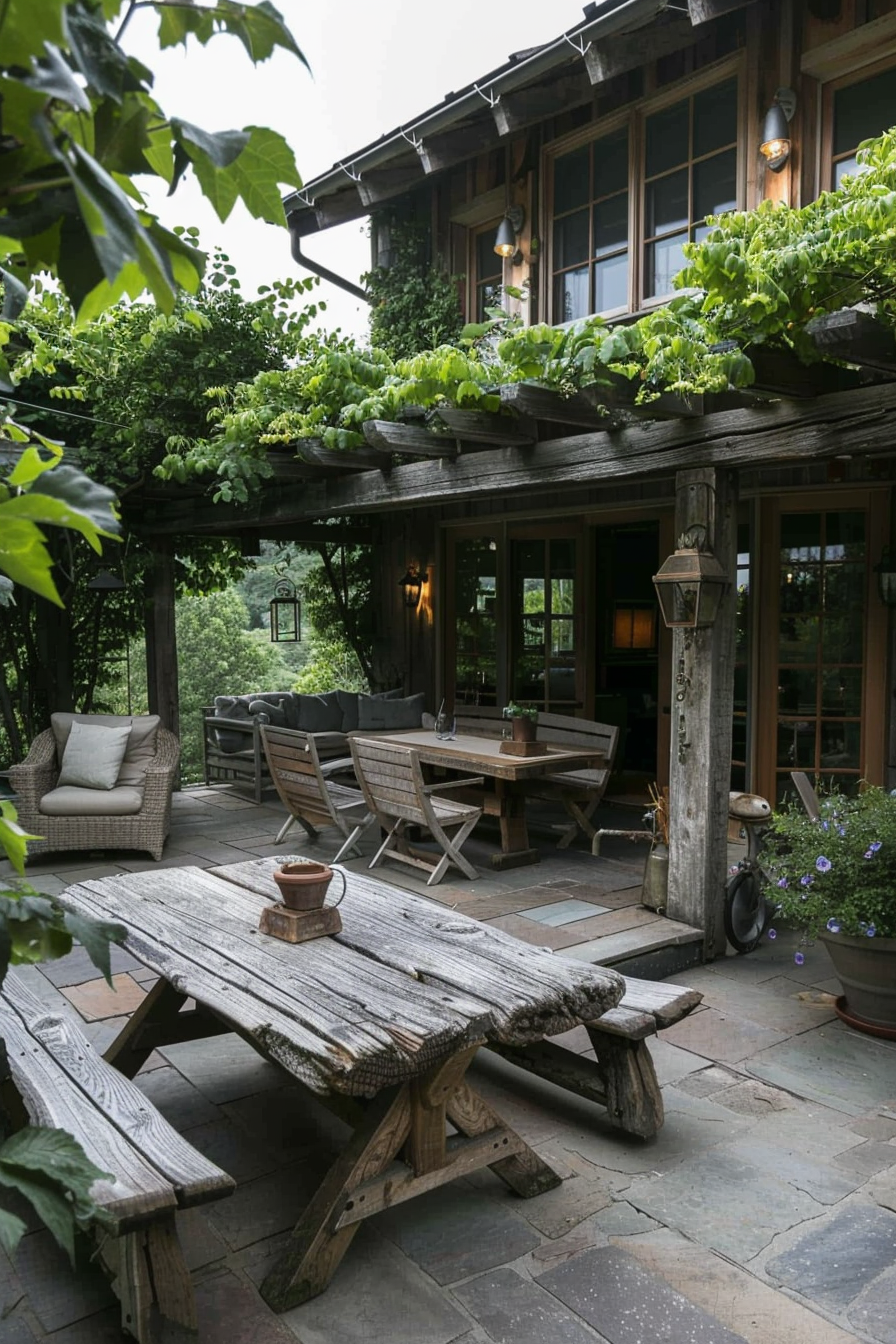
A cozy patio with rustic wooden furniture, pots of plants, and a pergola covered in green vines next to a house with large windows.Save
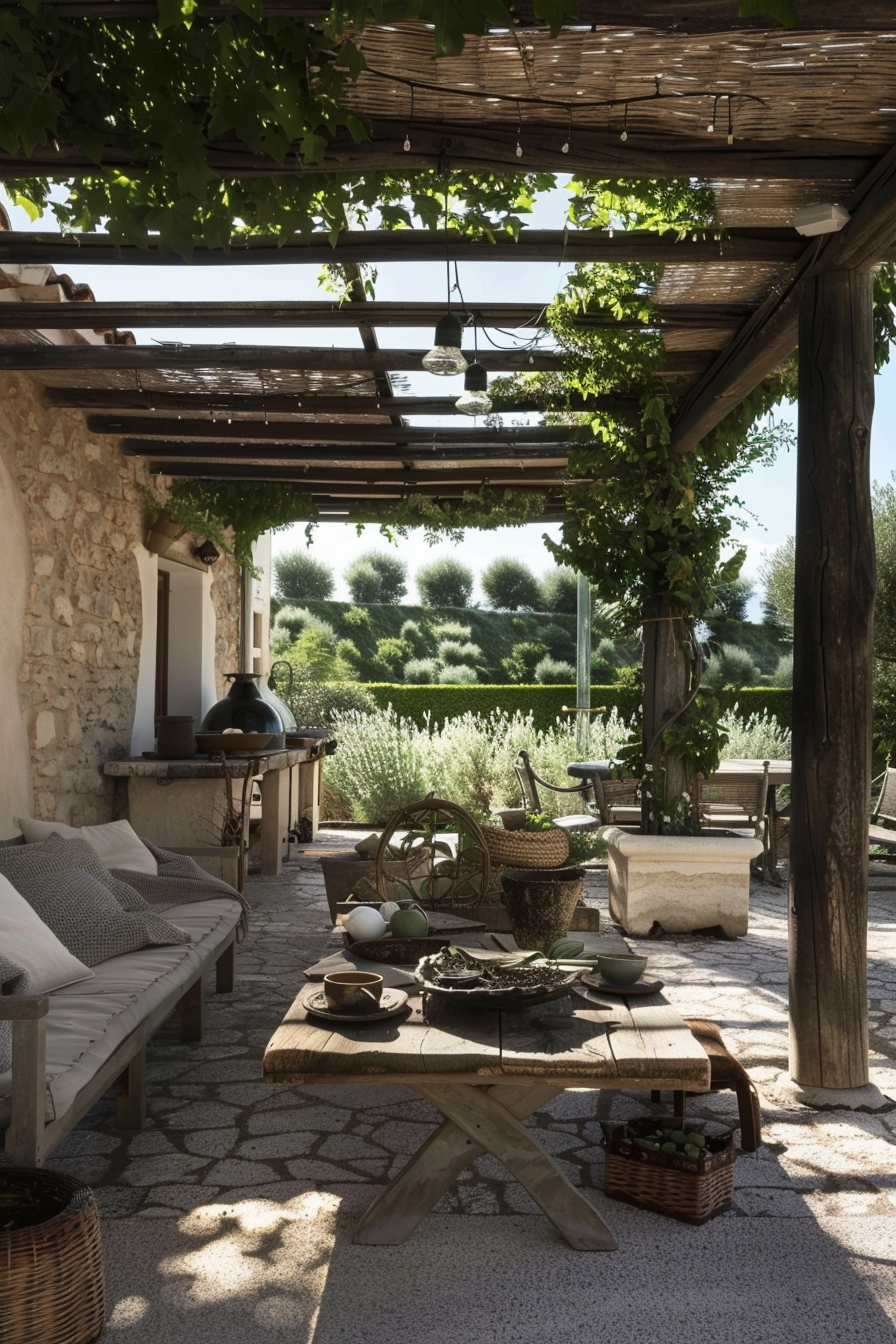
Cozy outdoor patio with a pergola, rustic wooden furniture, and greenery, surrounded by a landscaped garden.Save
Cozy indoor patio area with potted plants, hanging lanterns, wooden furniture, and cushions.Save
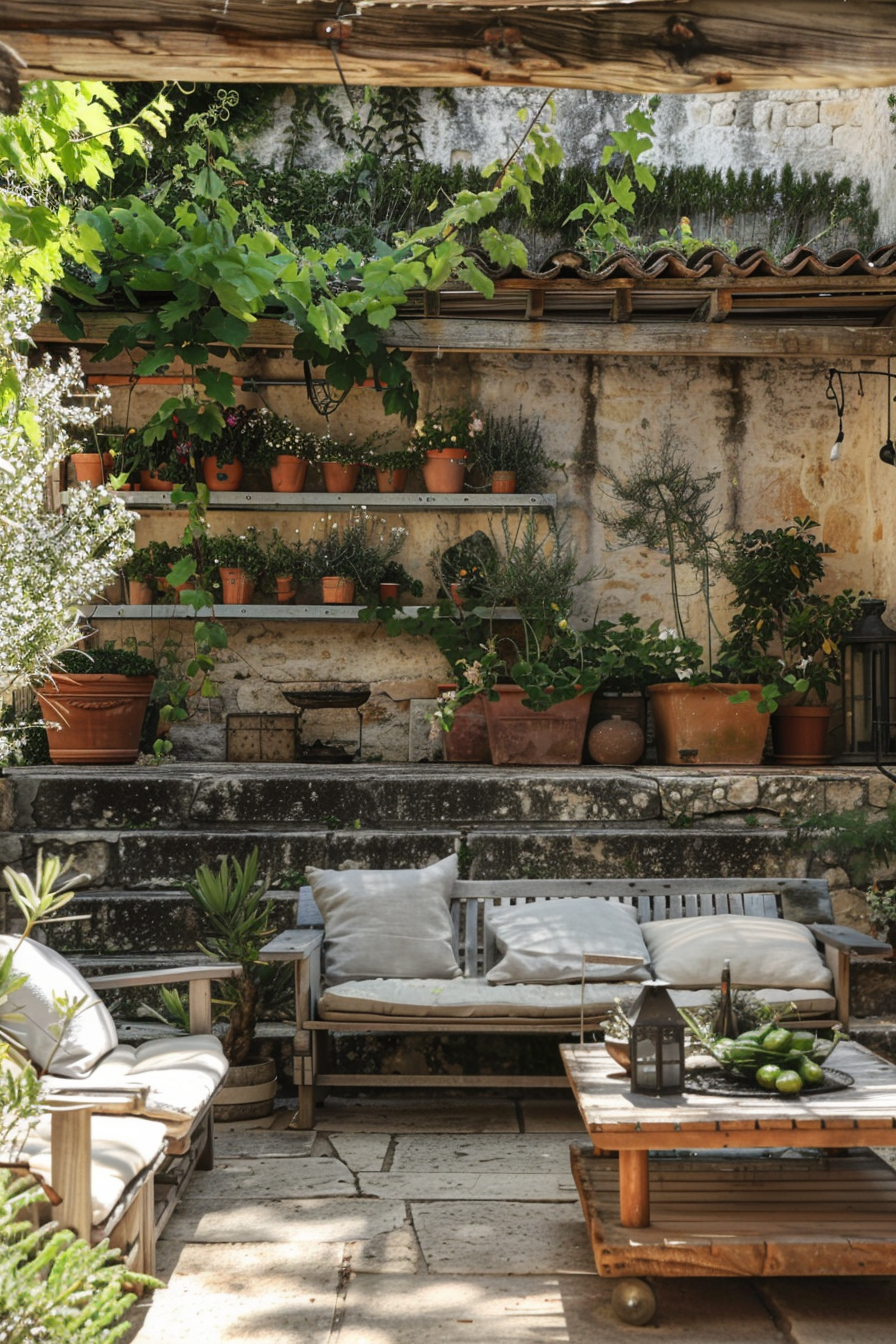
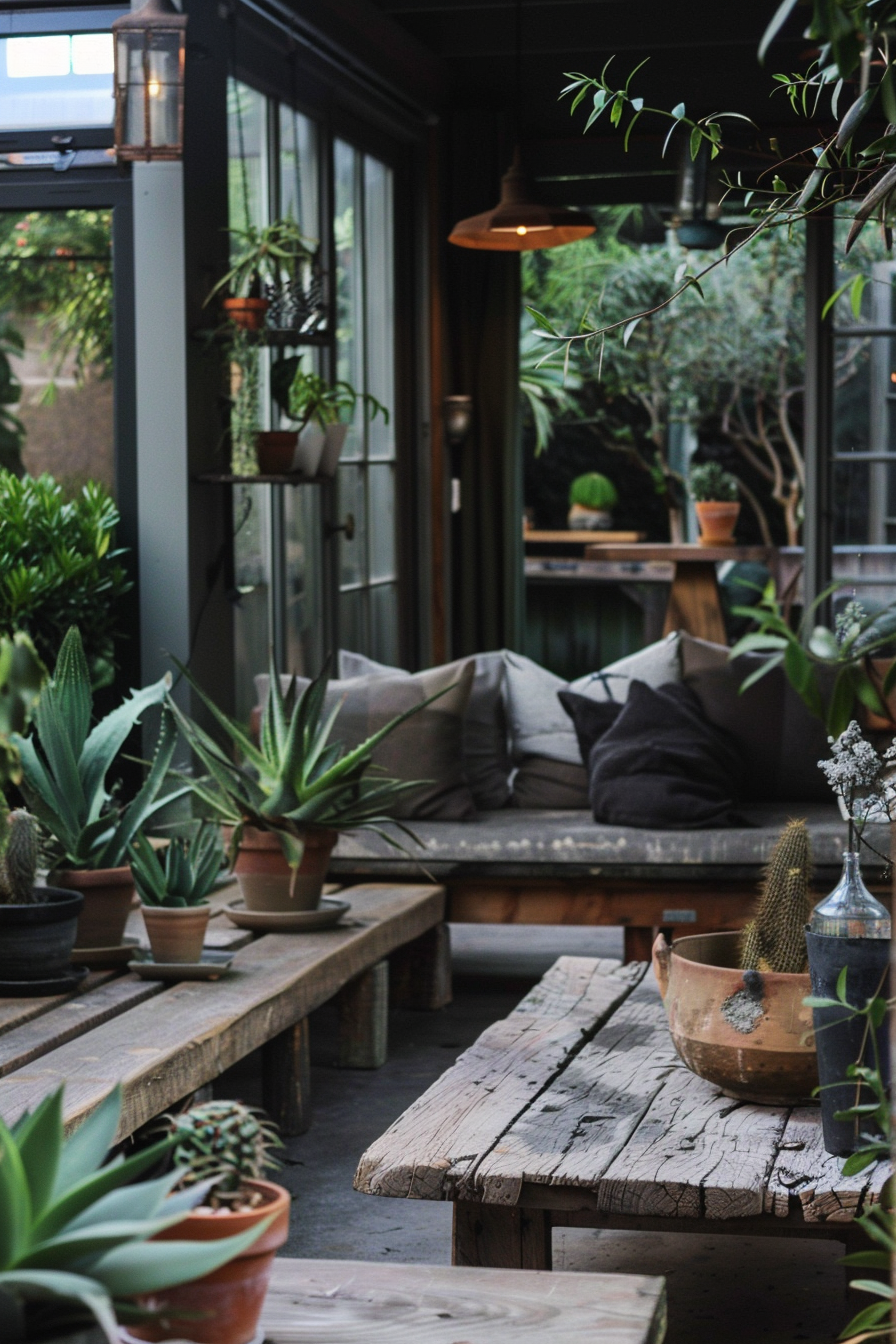
A rustic outdoor seating area with cushioned wooden benches, a coffee table, and shelves of potted plants under a pergola.Save
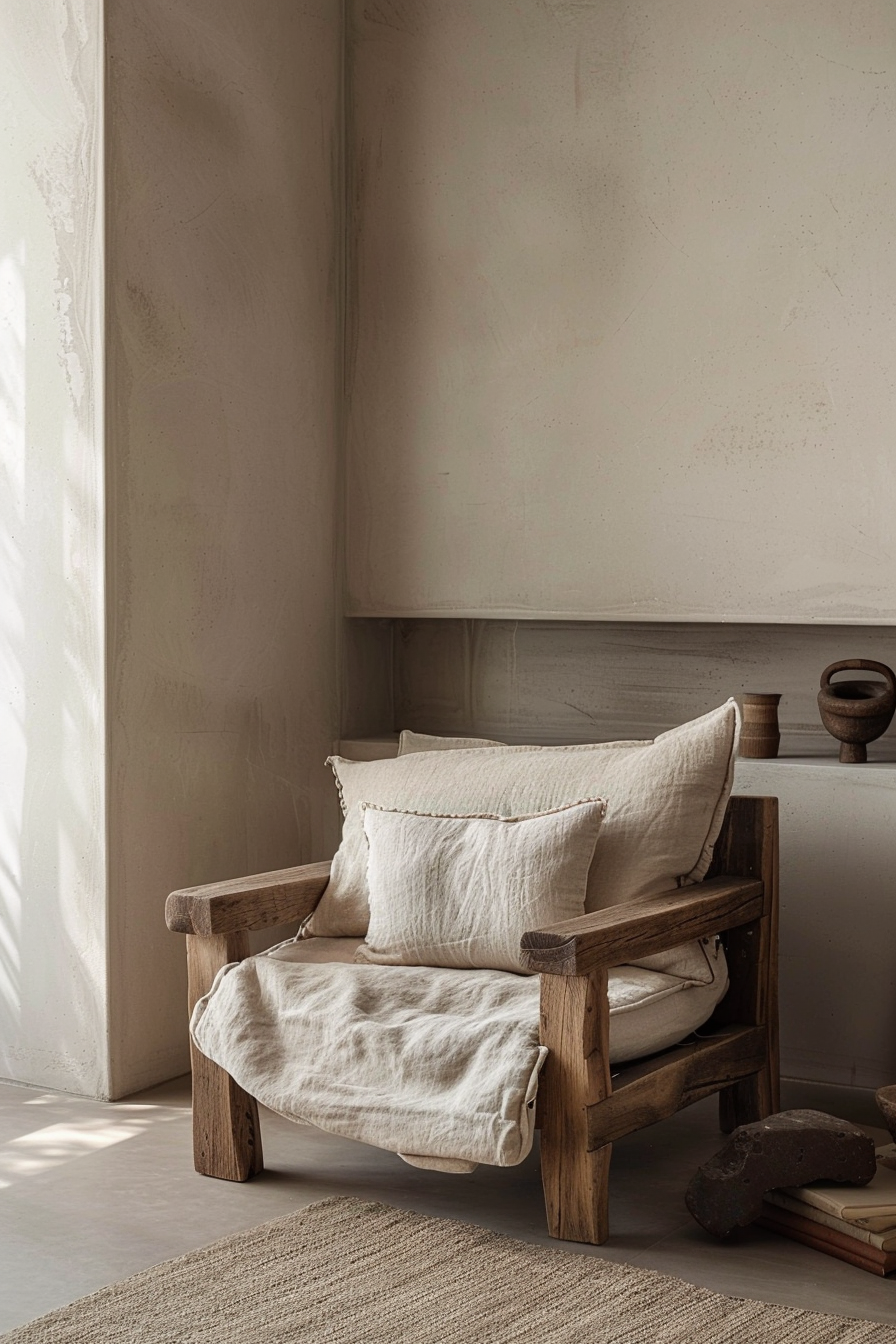
ALT: A cozy nook with a rustic wooden armchair adorned with a white cushion and throw pillow, near a textured beige wall lit by natural light.Save
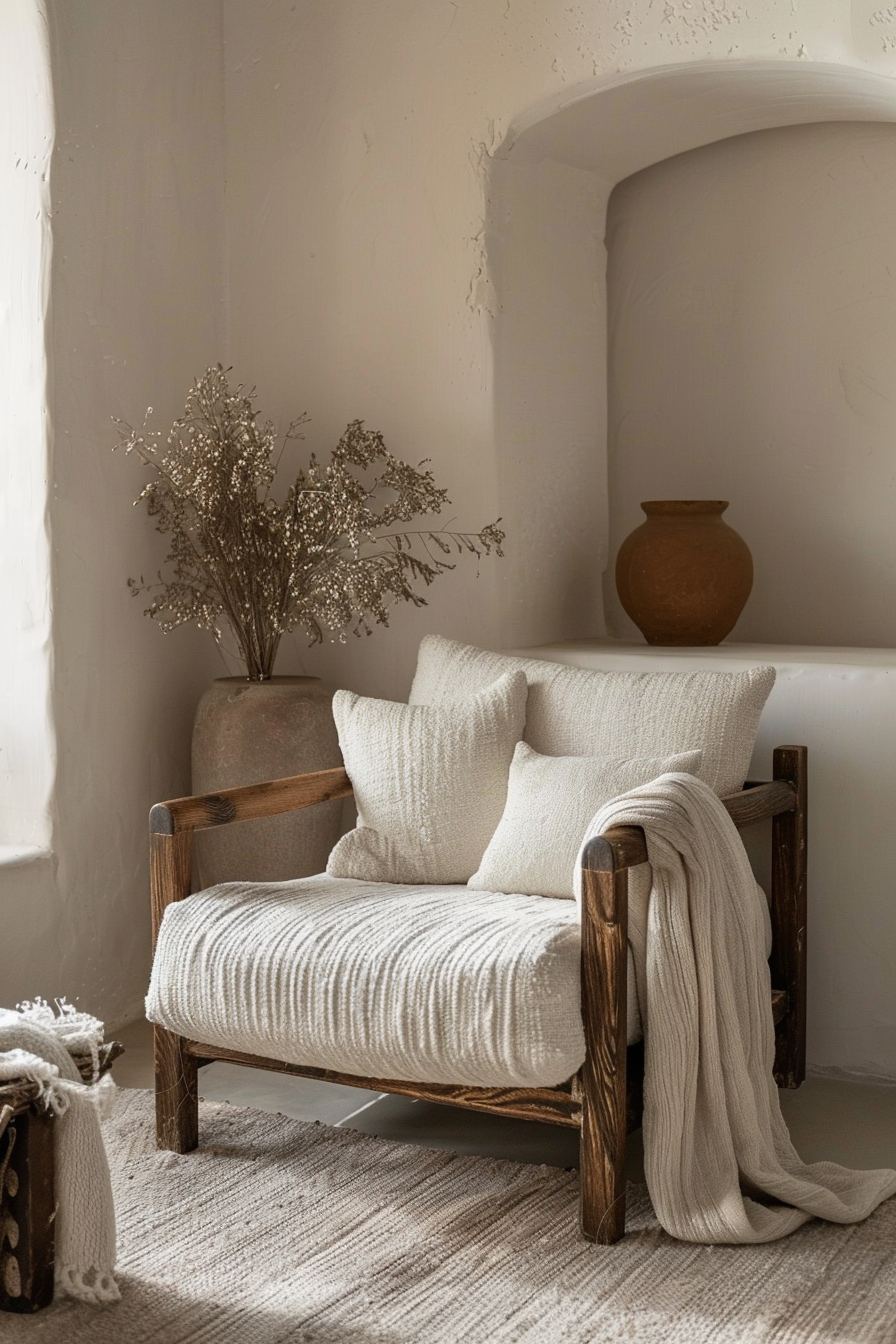
A cozy corner with a rustic wooden armchair, textured white cushions, and a throw blanket, beside a vase of dried plants.Save
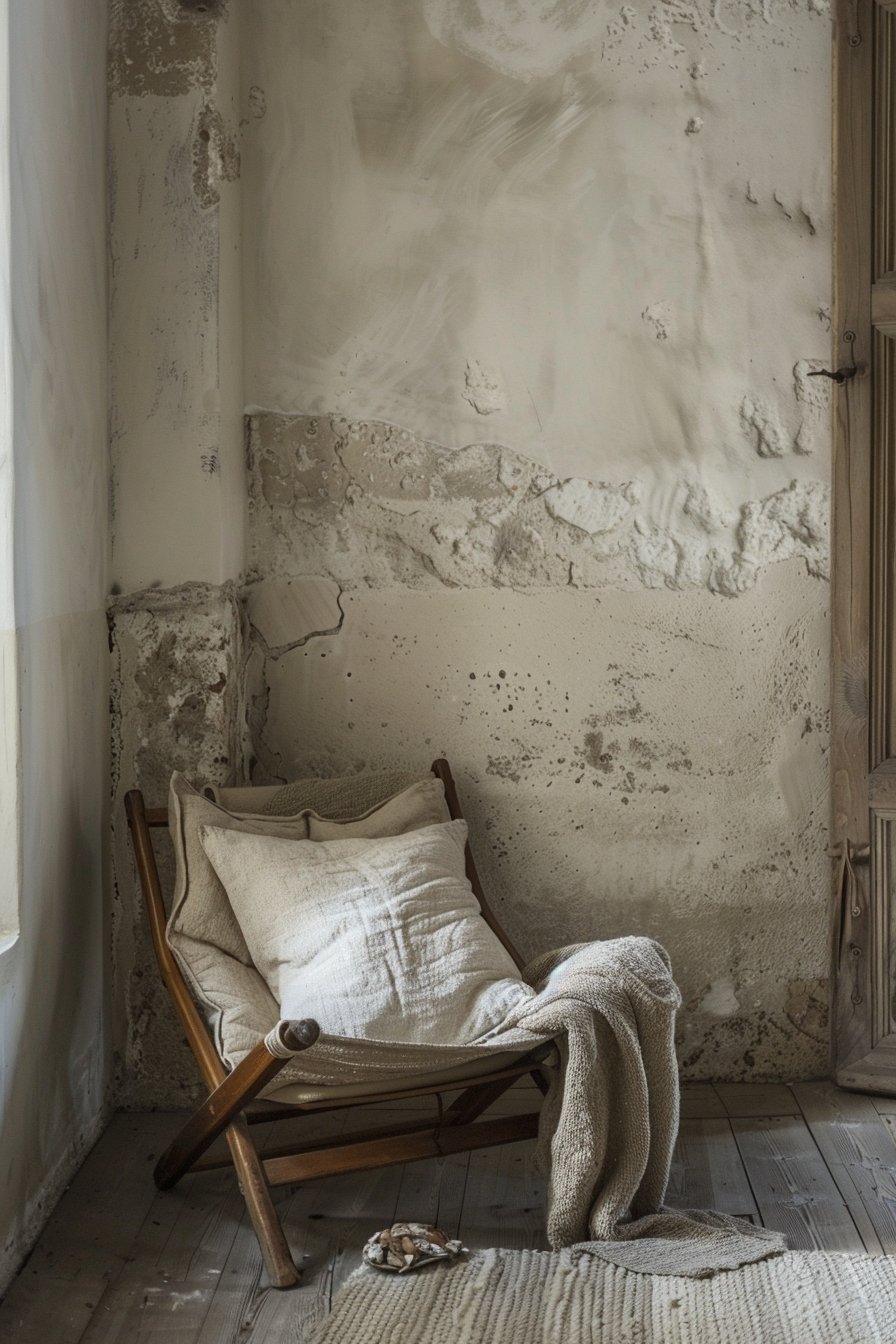
A wooden folding chair with cushions and a throw blanket in a rustic room with peeling plaster walls, near a window.Save
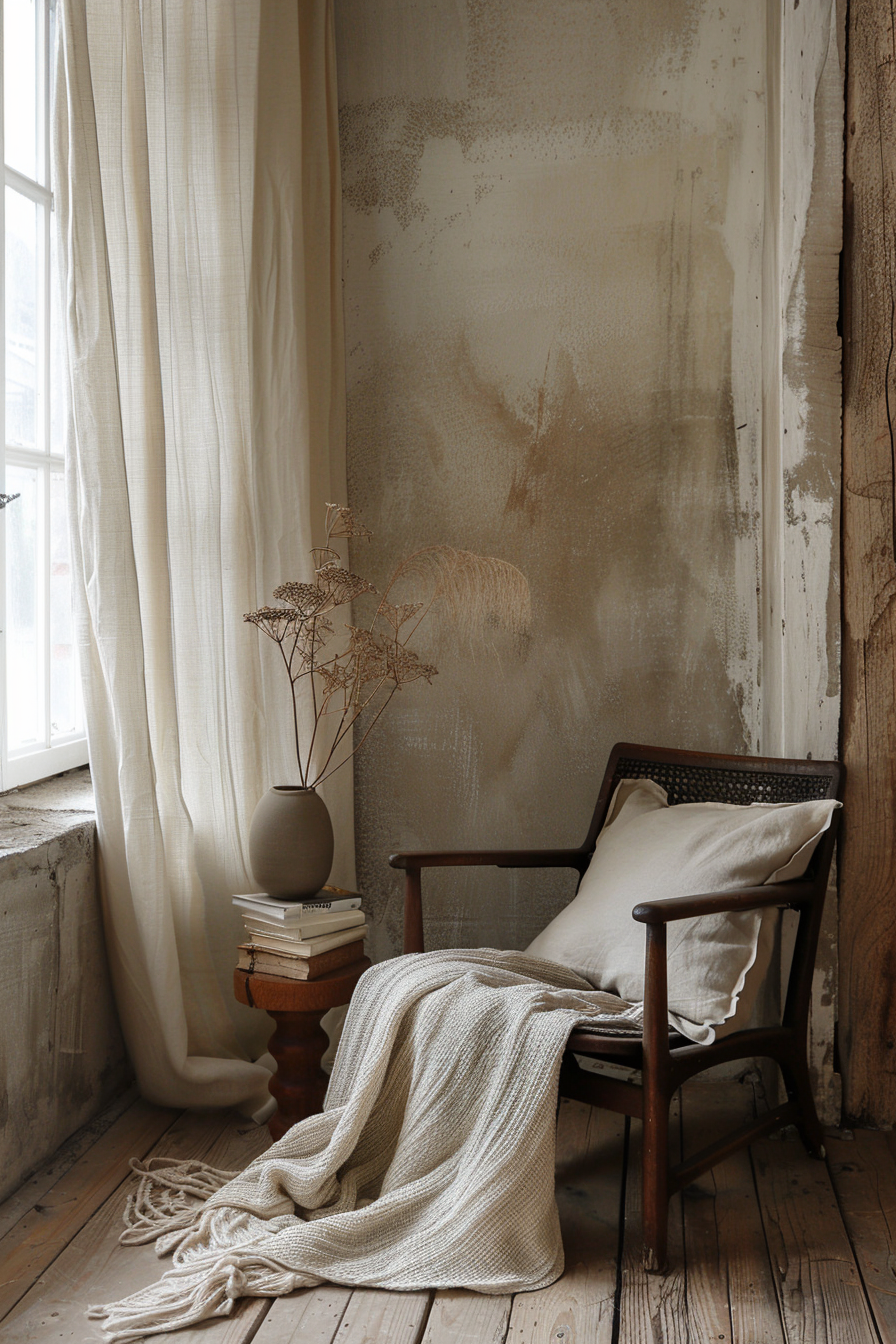
A cozy corner with a wooden armchair, throw blanket, books on a side table, and a dried plant by a draped window, in a rustic room.Save
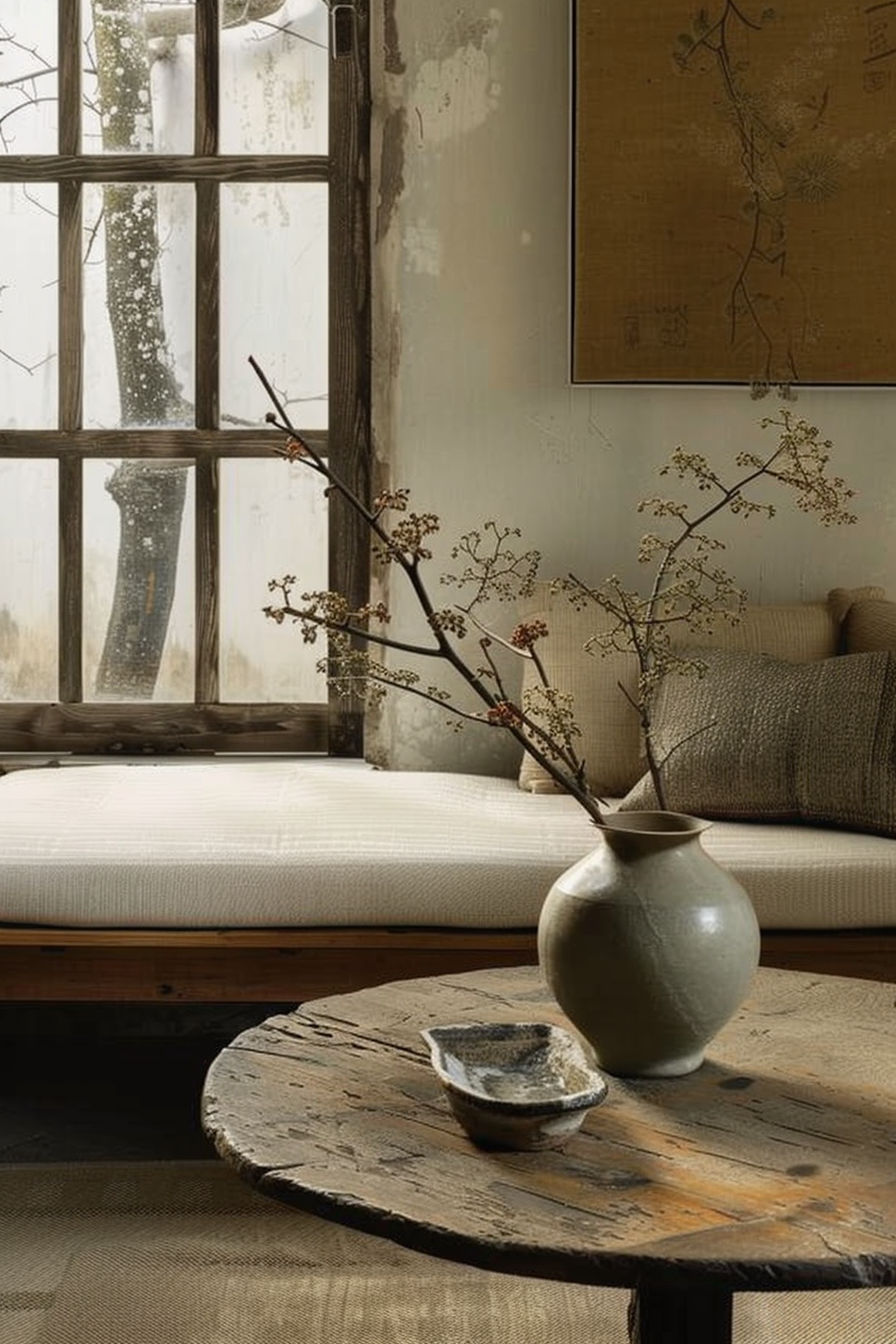
A cozy indoor scene with a rustic wooden table and vase with dried branches, near a cushioned bench and window showing snow outside.Save
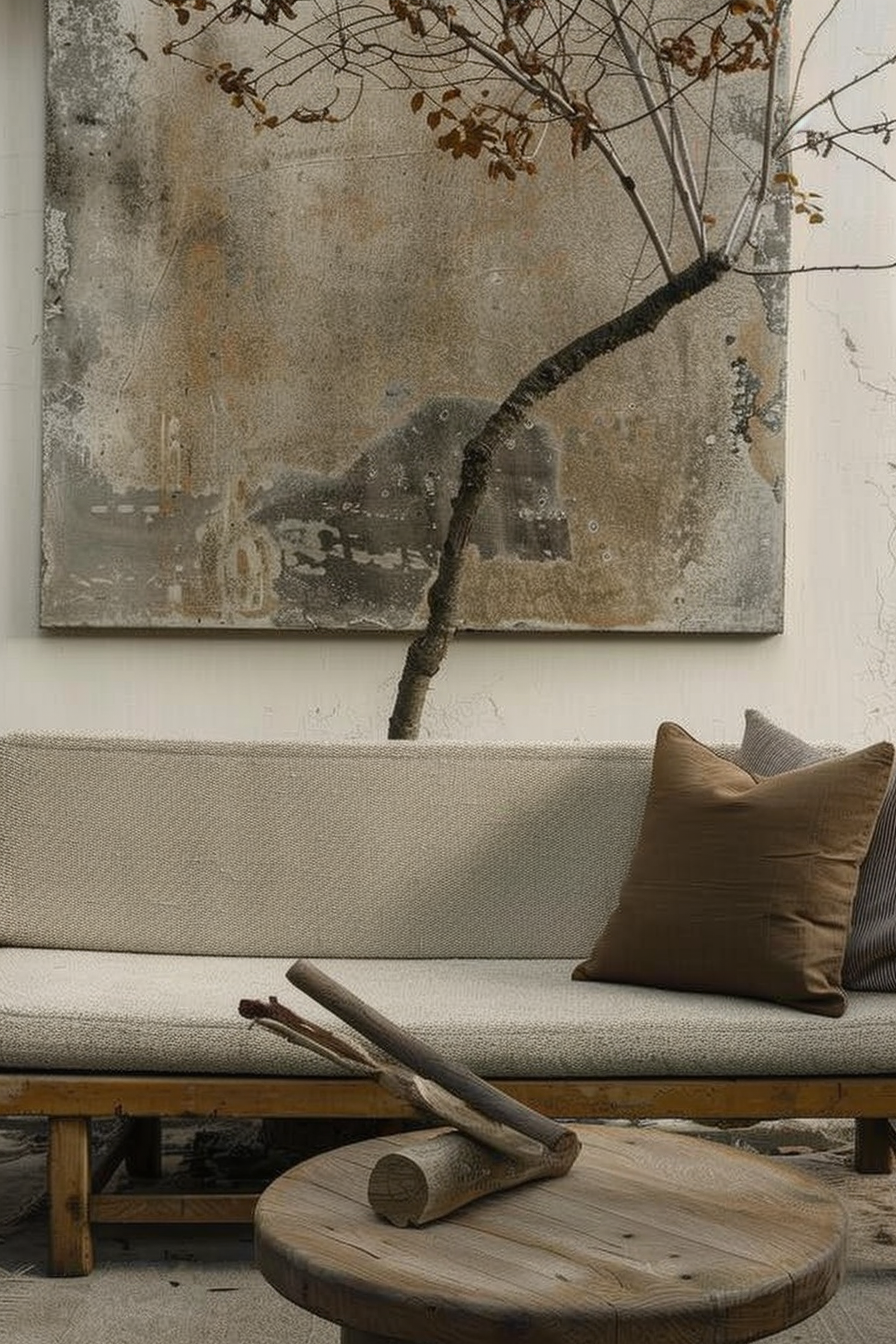
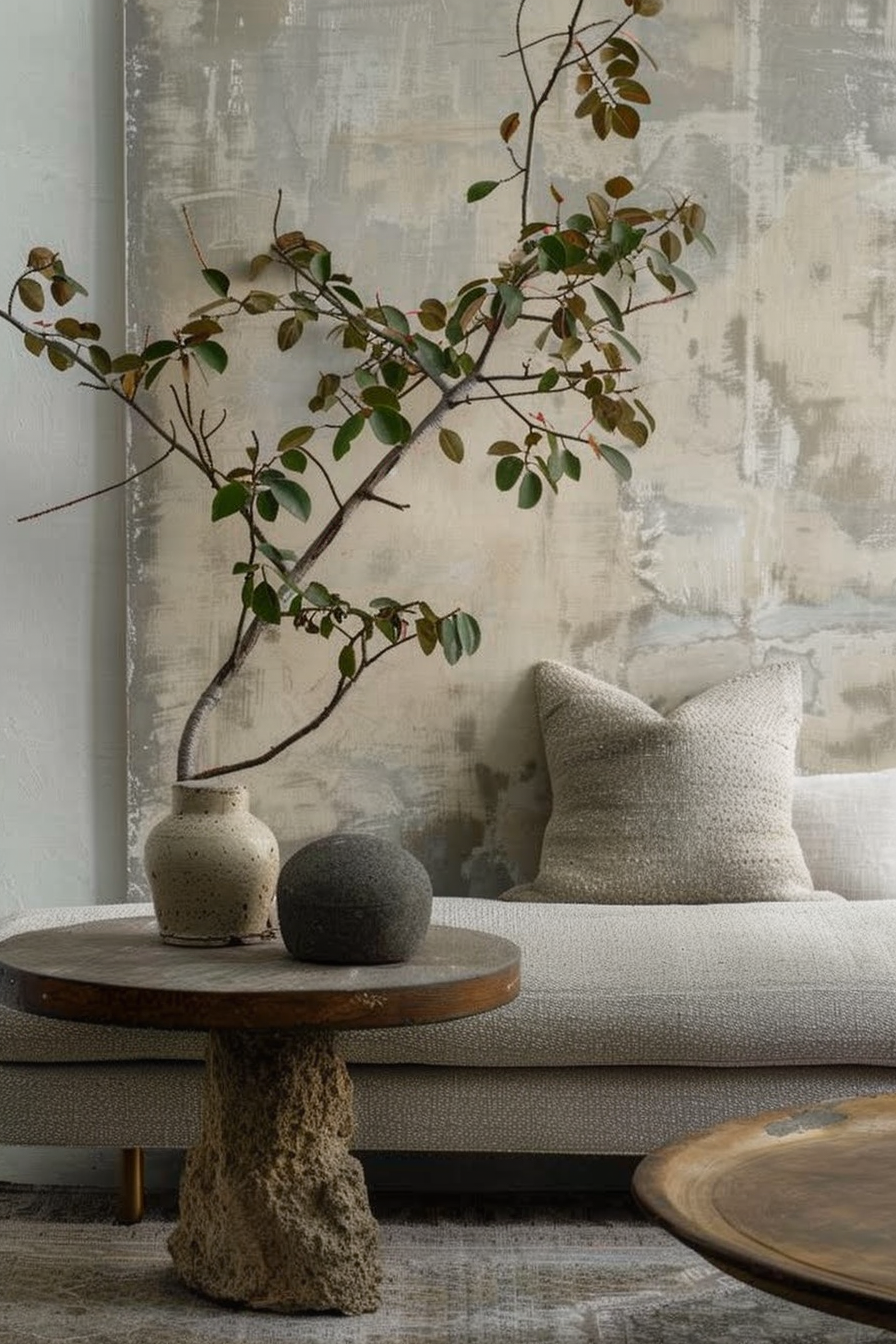
A serene living room corner with a textured painting, a round wood coffee table with a vase and stone, near a cushioned beige sofa.Save
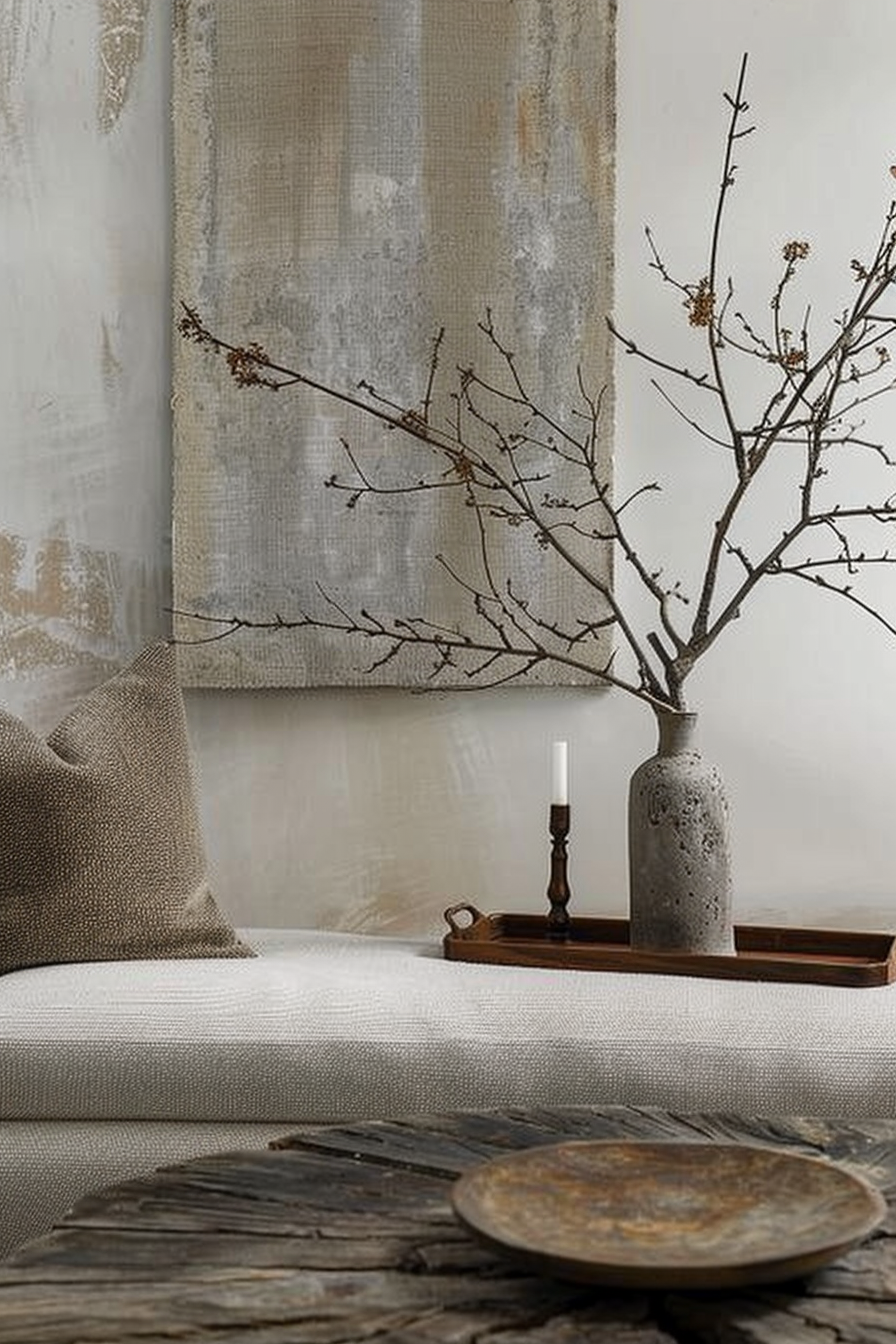
A serene corner with a textured hanging tapestry, branch in a ceramic vase on a tray with a candlestick, a cushion on a white couch, and a rustic plate on a wooden table.Save
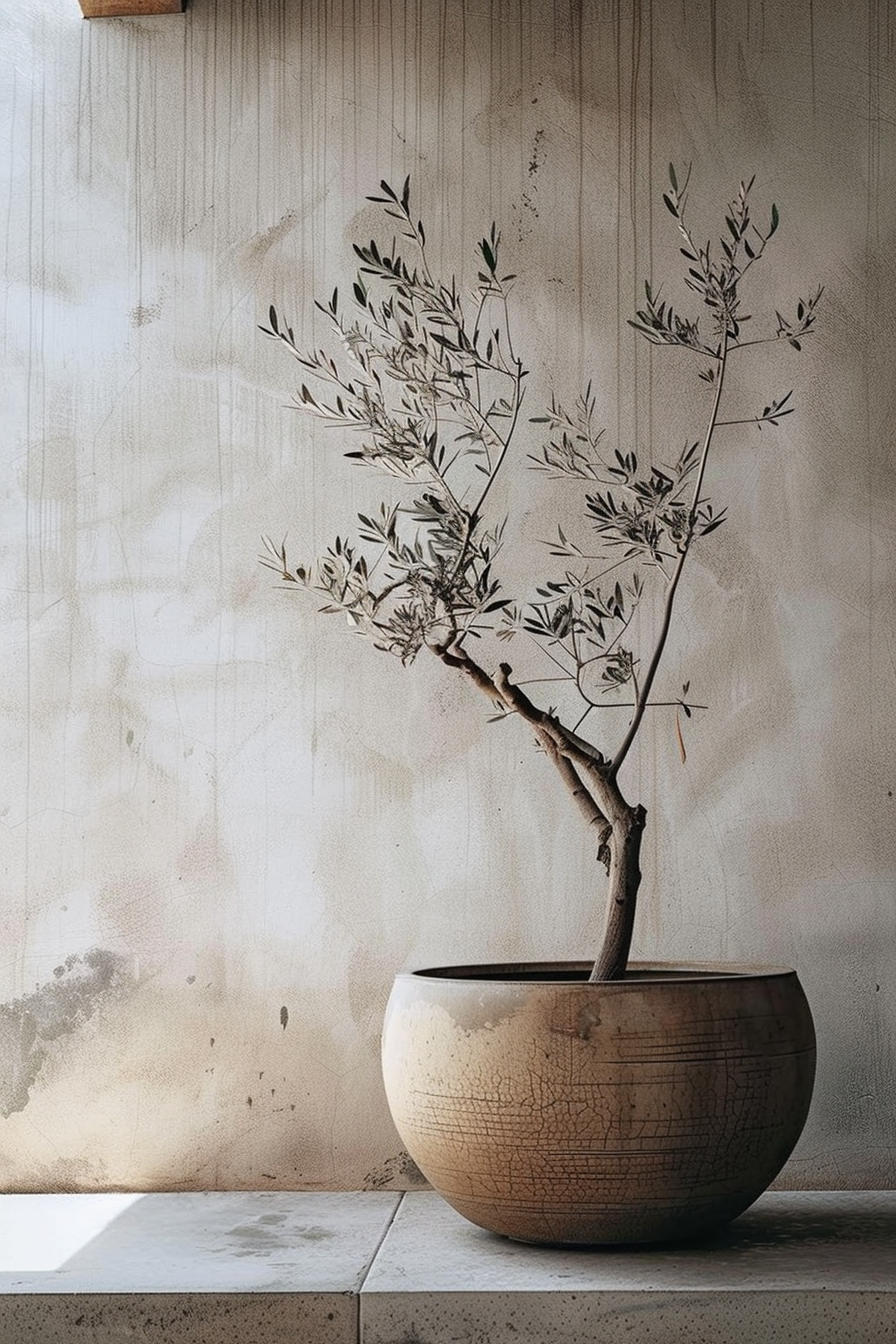
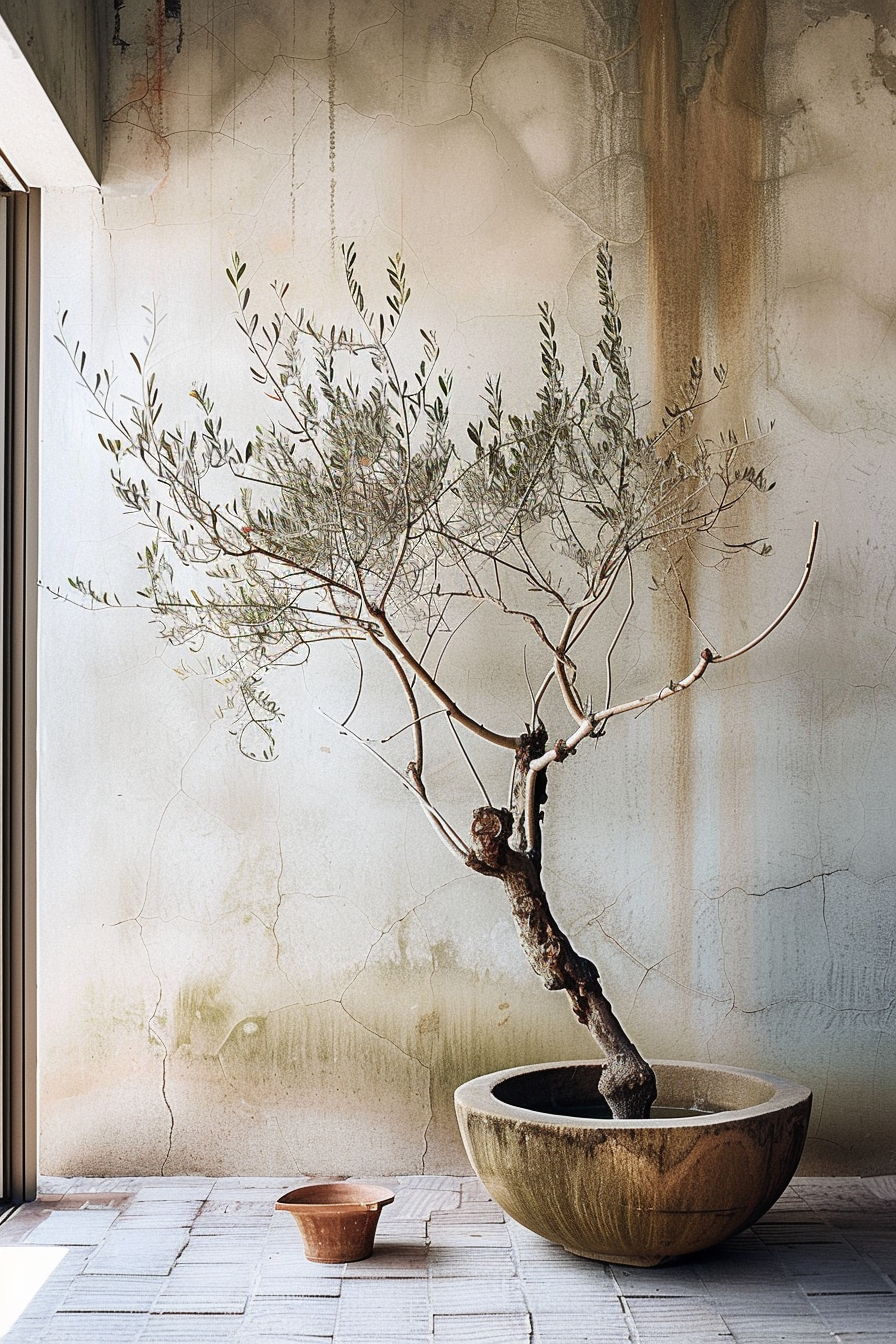
Olive tree in a large rounded pot beside a smaller empty pot, set against a cracked, stained wall, in a serene and rustic setting.Save
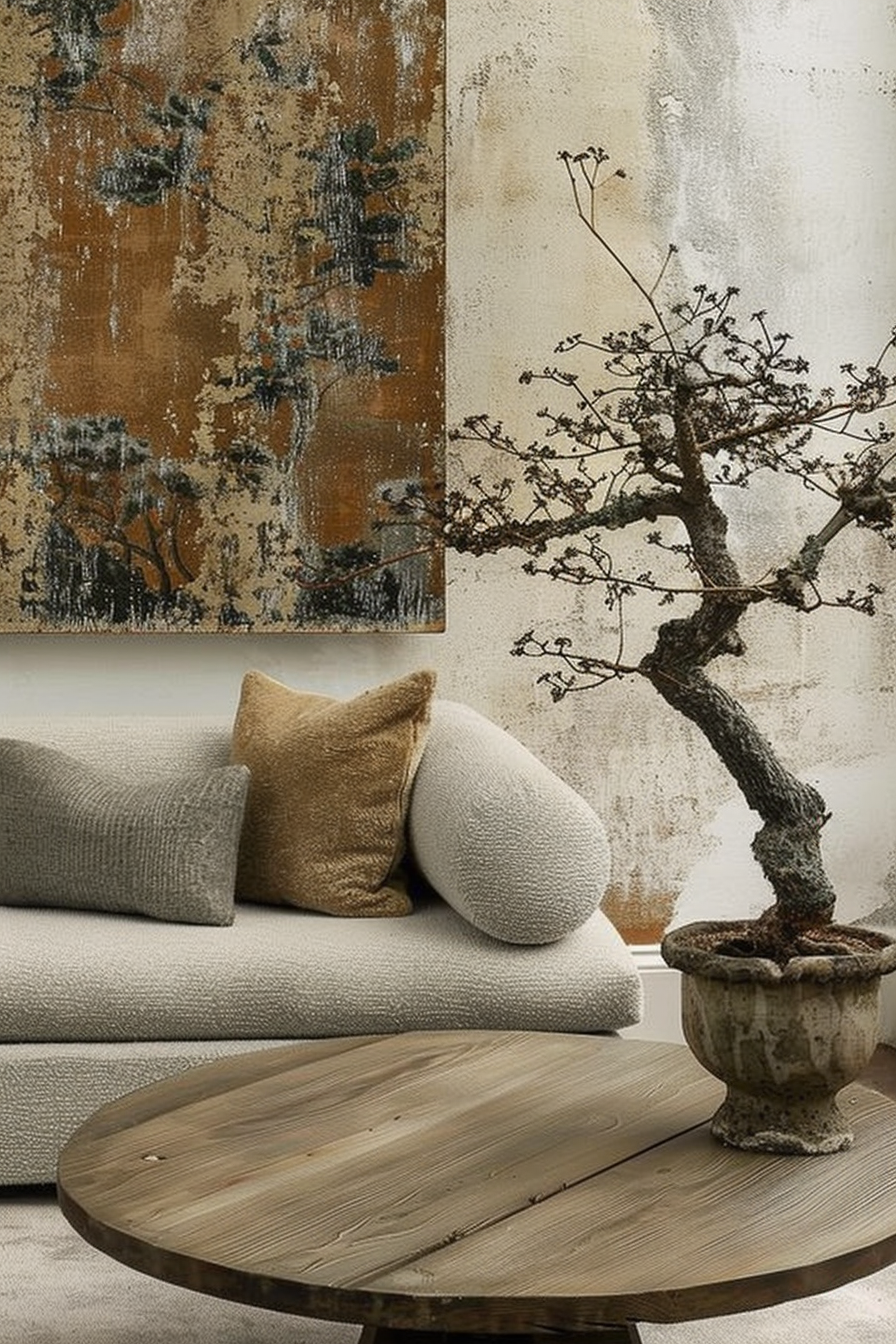
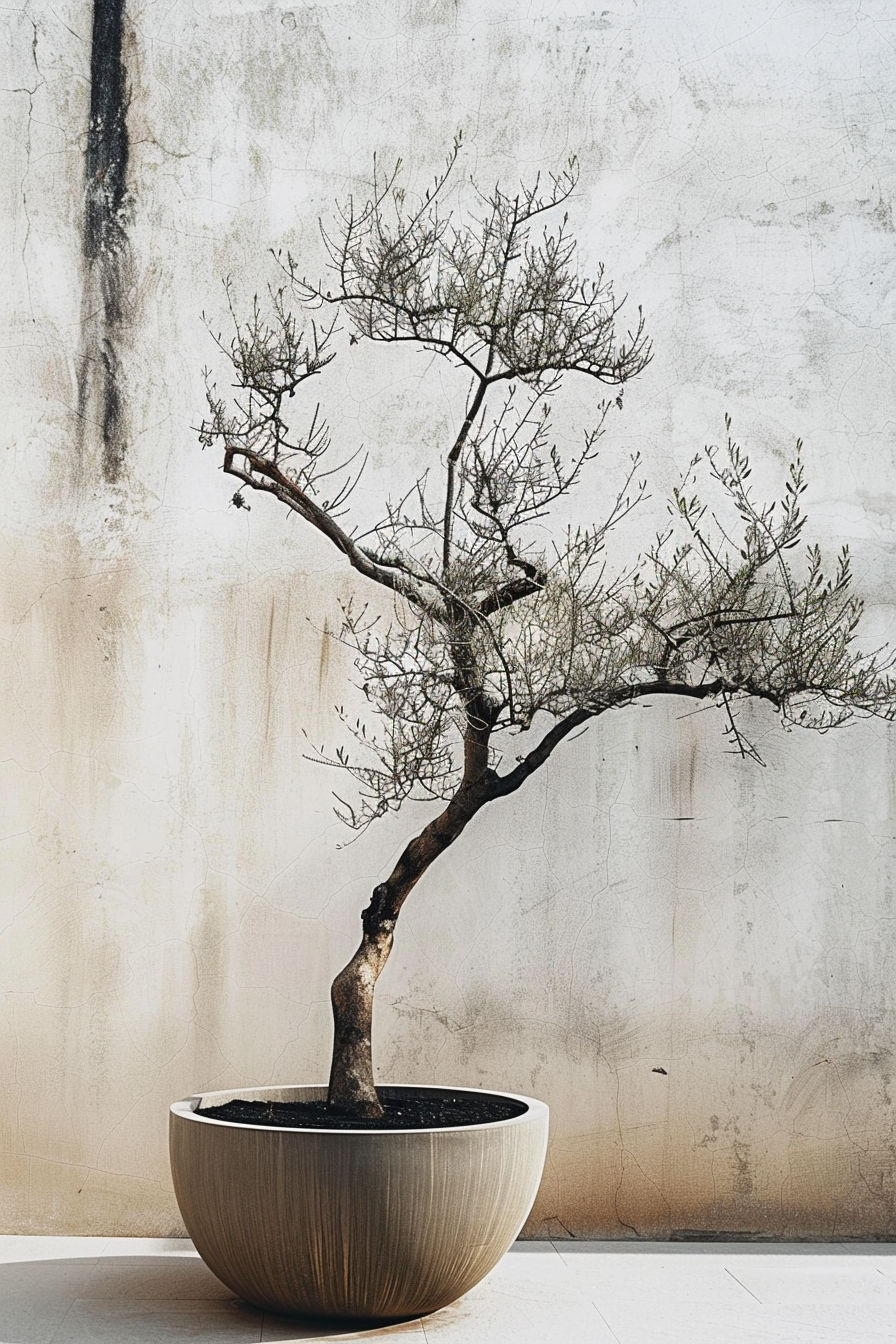
A small bonsai tree with delicate branches in a rounded pot against a textured wall with minimalist aesthetics.Save
Olive branch in a textured ceramic pot against a distressed wall with vertical lines.Save
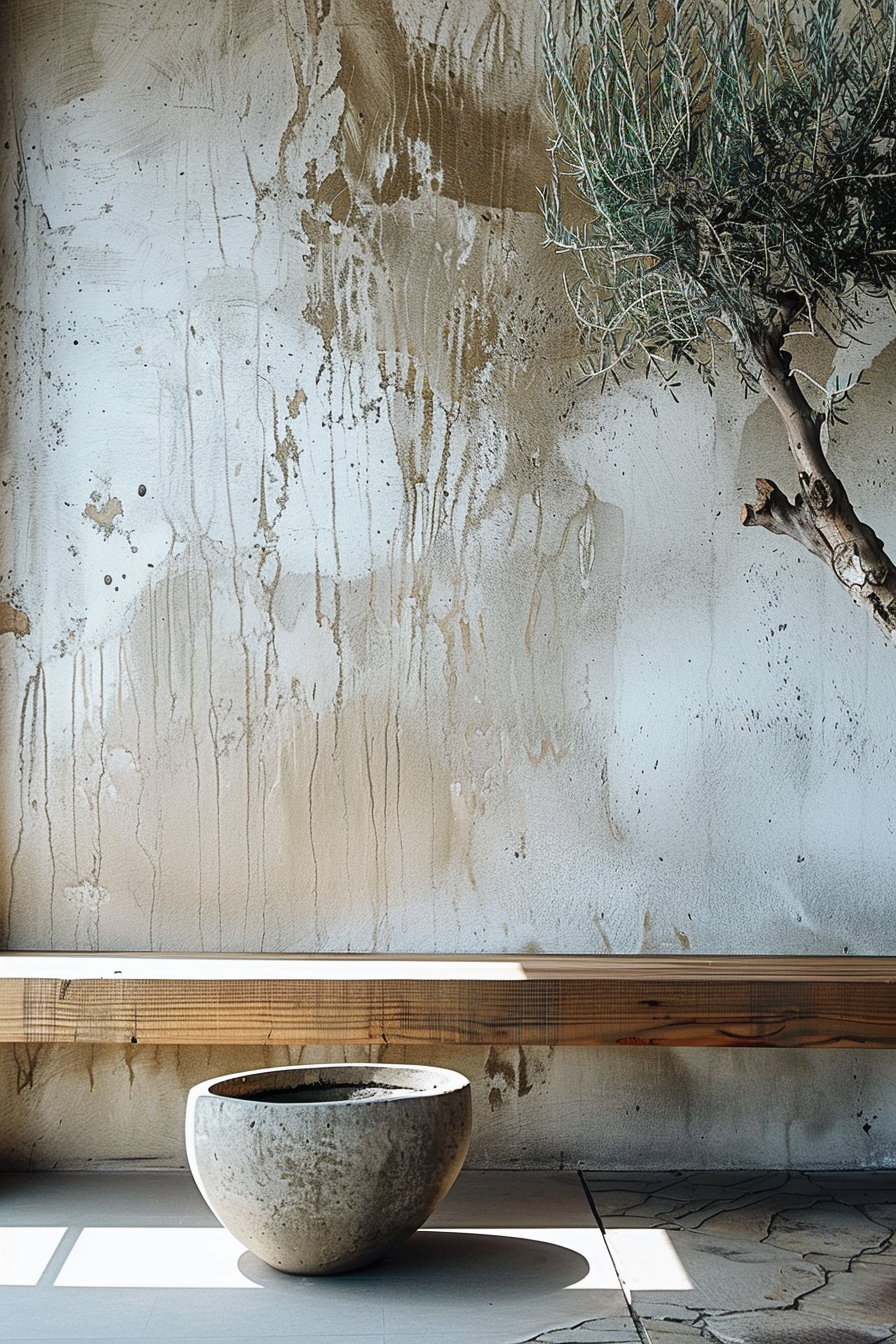
ALT text: A textured wall with drip marks behind a simple ceramic bowl on a floor, beside a slender potted plant with narrow leaves.Save
A cozy living room corner with abstract canvas art, a grey sofa with cushions, a round wooden table, and a bonsai tree.Save
A cozy corner with a minimalist sofa, a throw pillow, a round wooden table, and logs. An abstract painting and tree branch add to the decor.Save
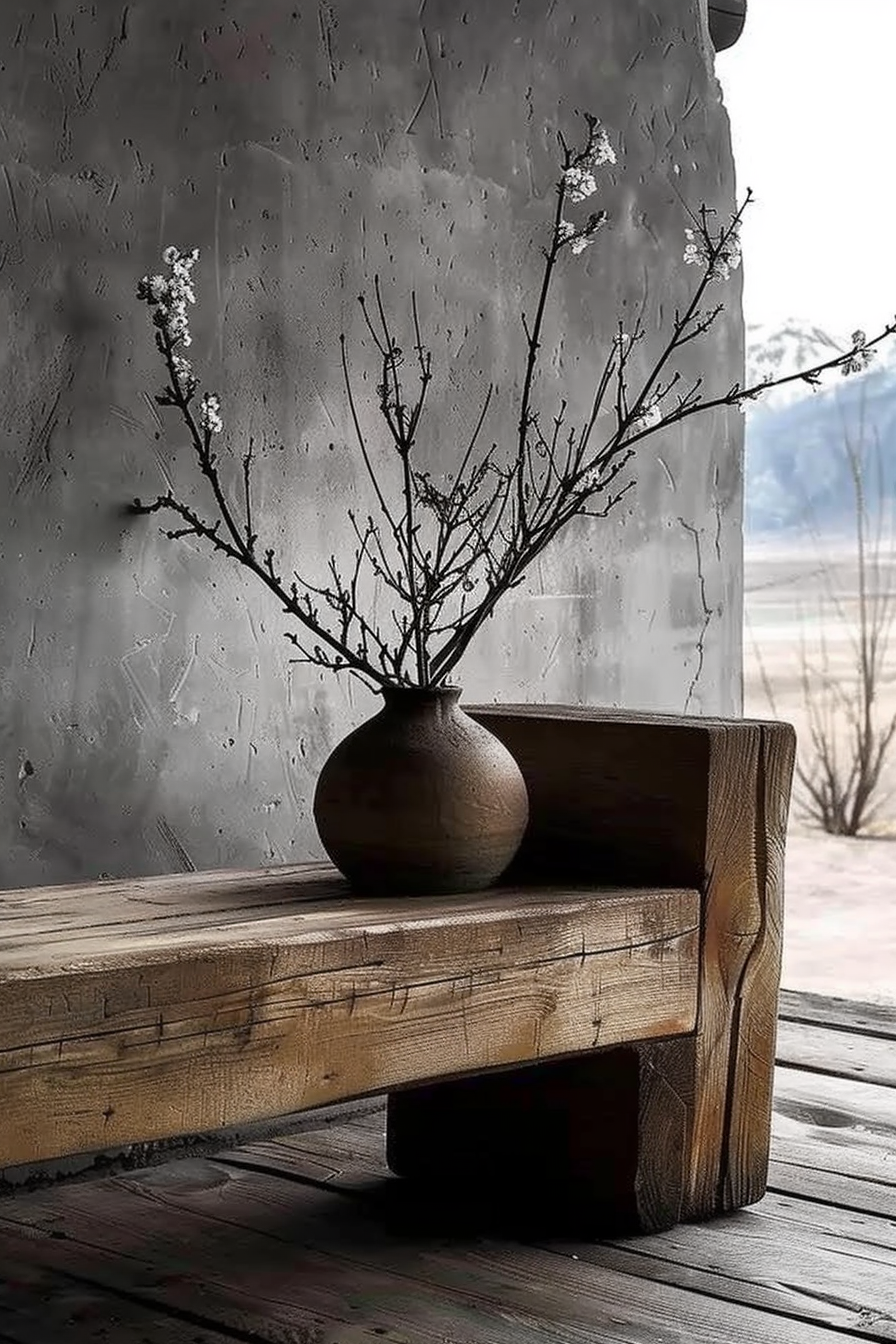
A rustic vase with branches on a wooden bench against a textured grey wall, conveying a minimalist aesthetic.Save
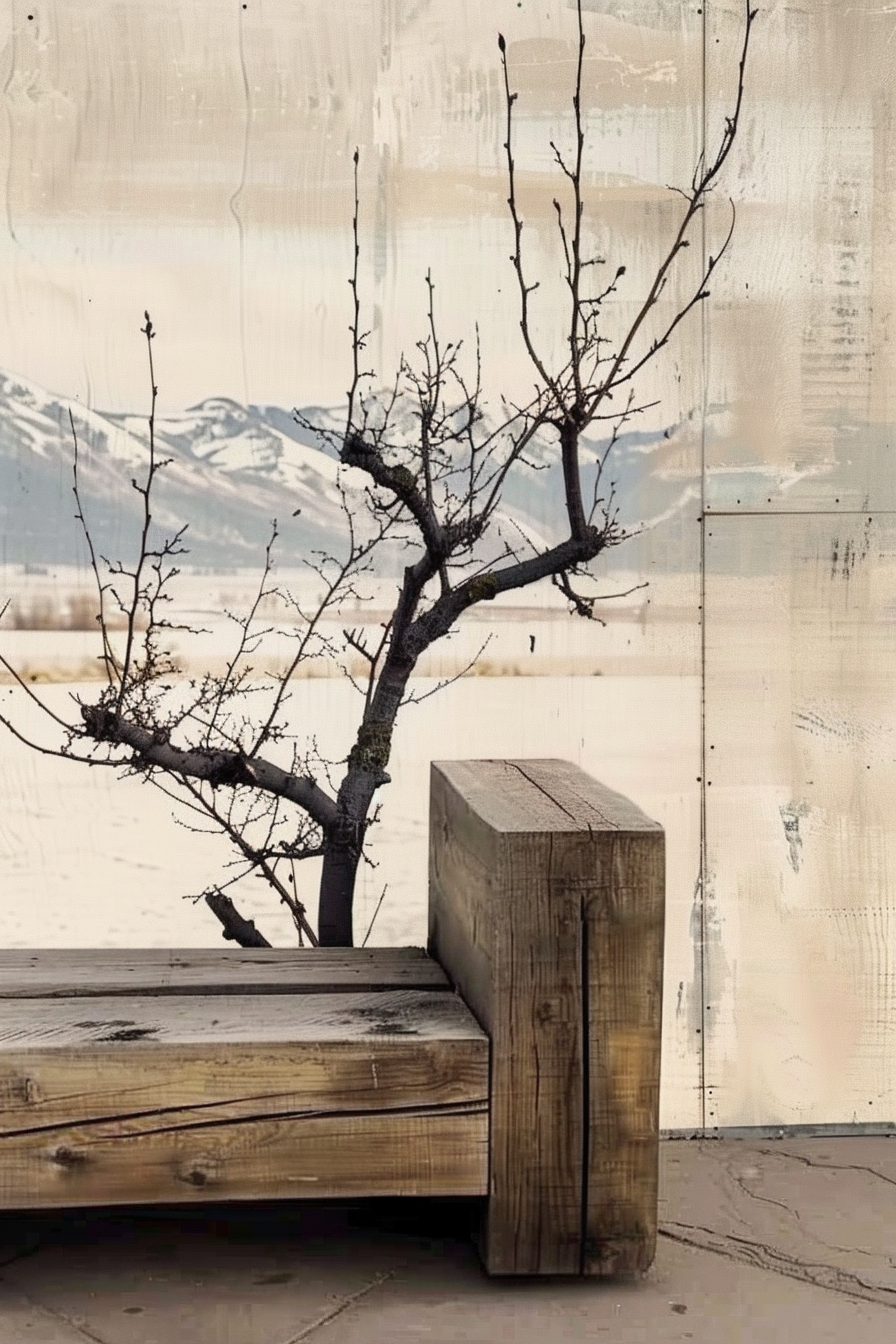
ALT text: A bare tree branch leaning over a rustic wooden bench with snow-capped mountains visible through a glass window in the background.Save
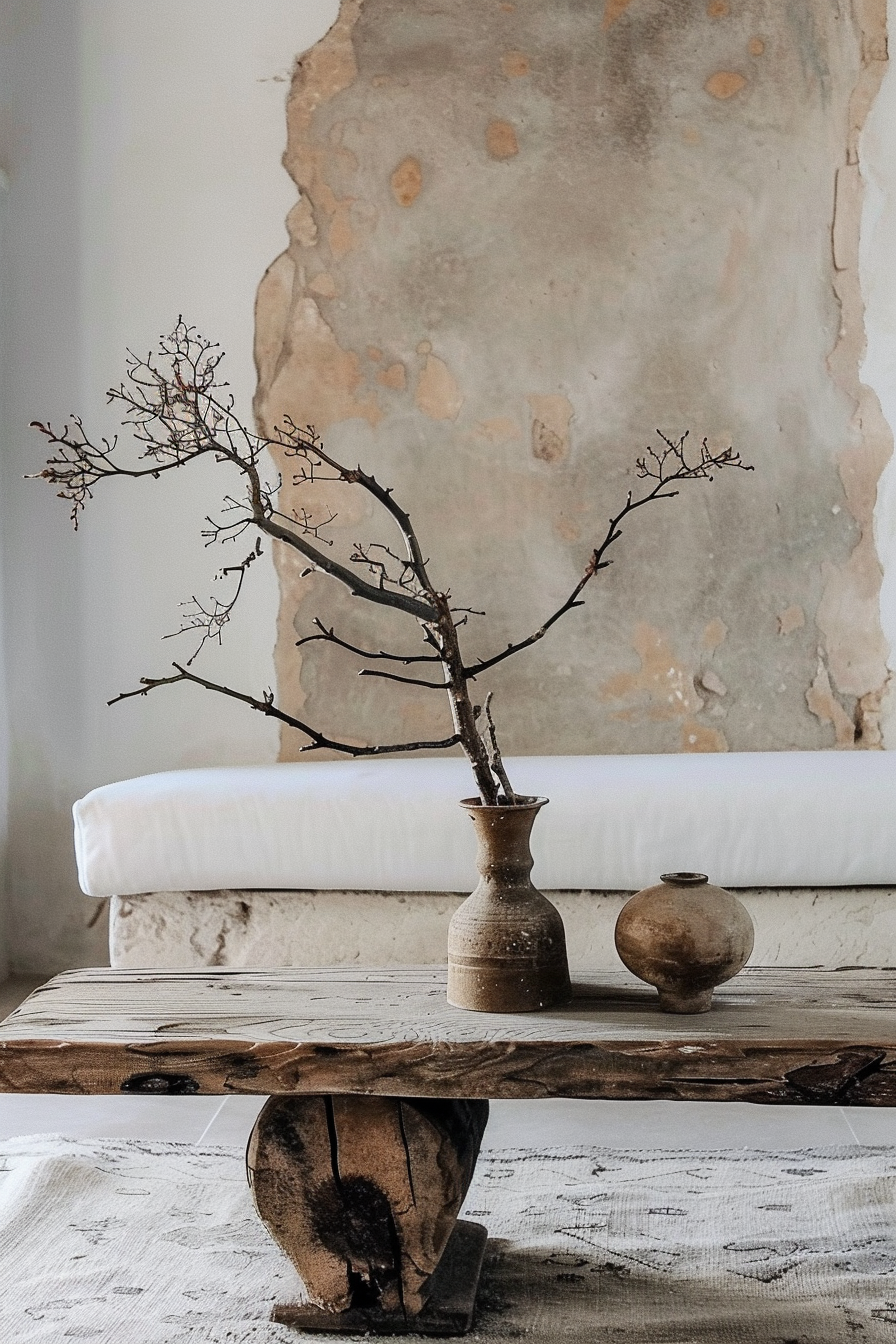
Rustic room decor with a bare tree branch in a vase on a wooden bench, against a weathered wall and near a white sofa.Save
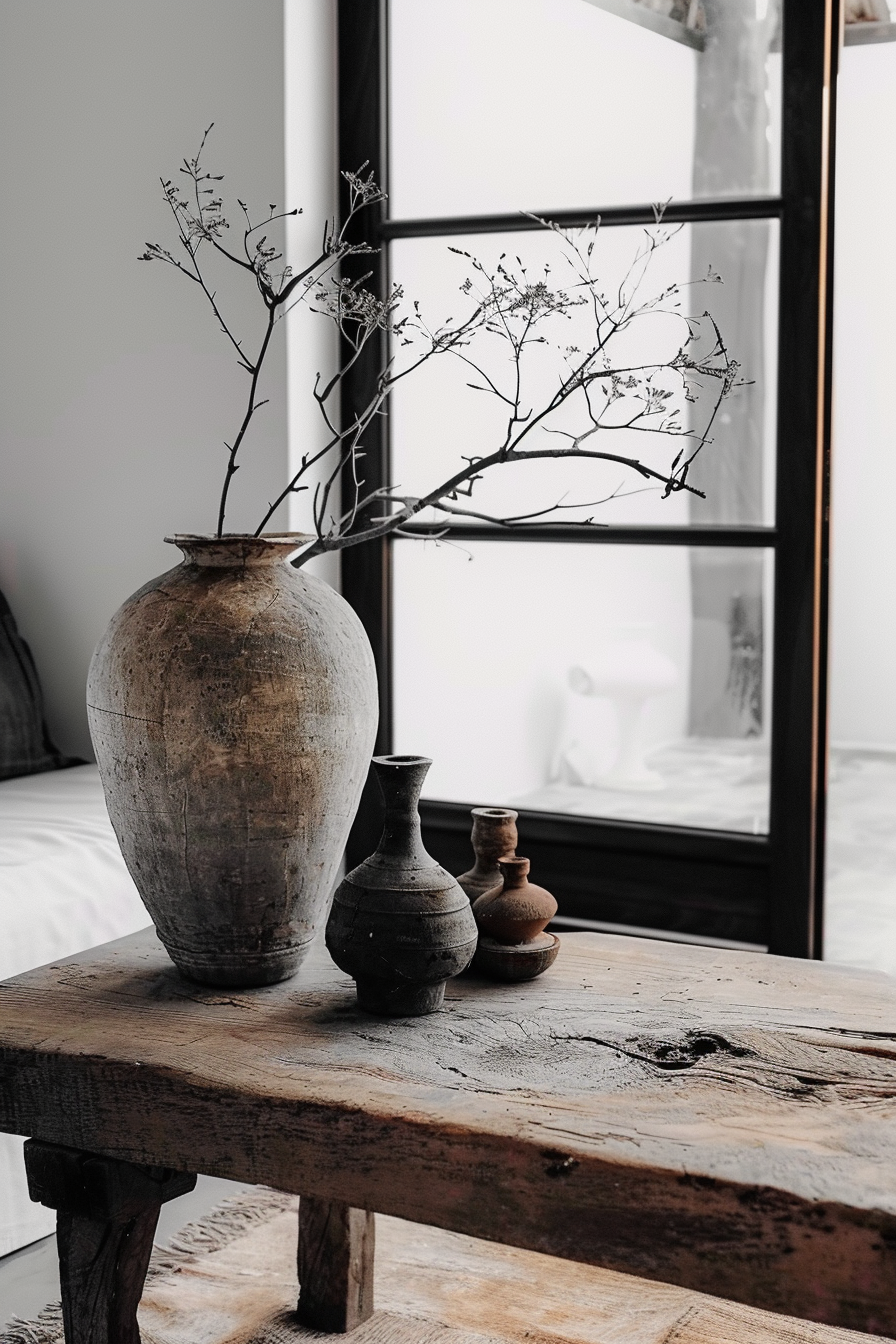
Rustic ceramic vases on a wooden table, with a large vase holding dried branches against a blurred window background.Save
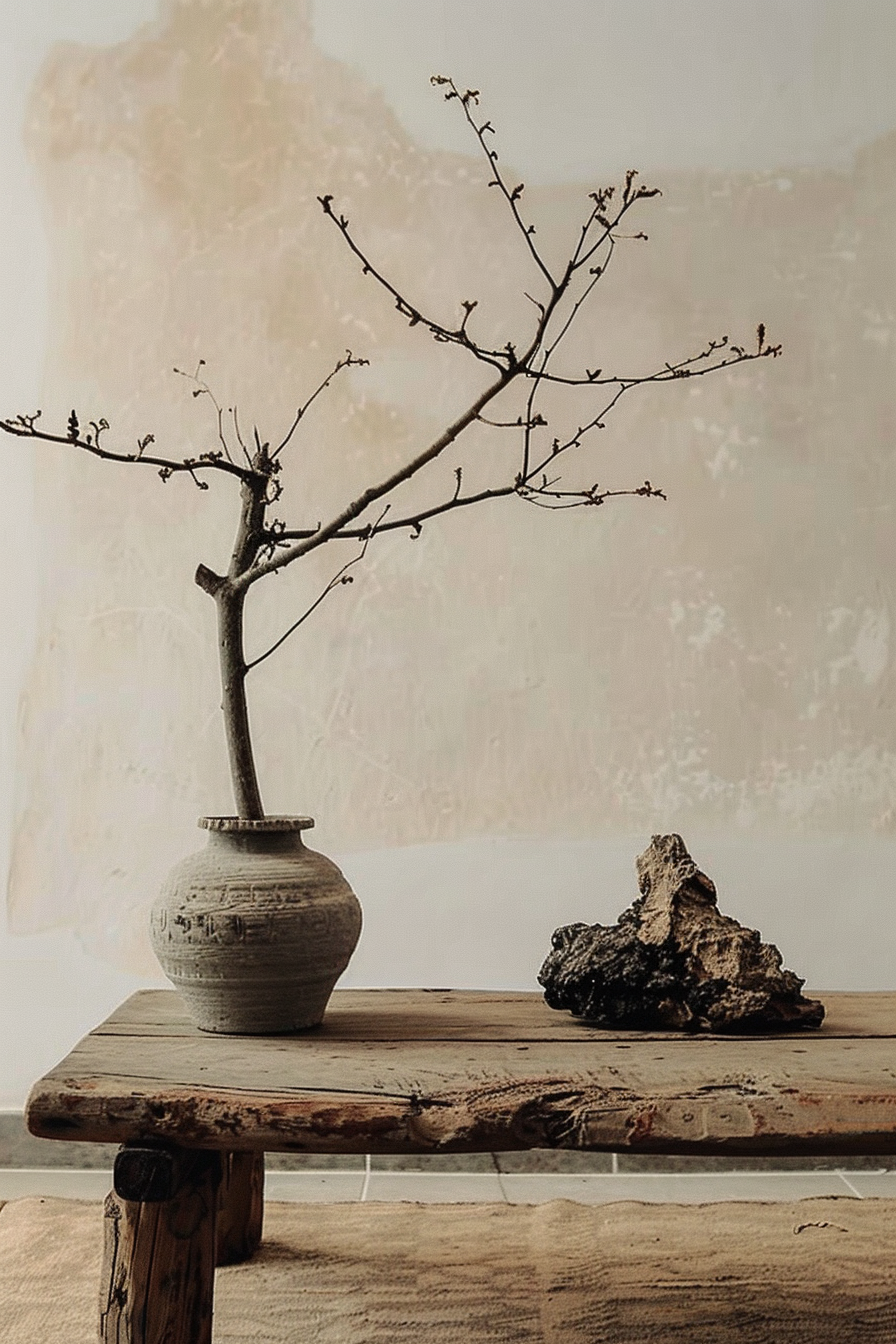
A minimalist still life with a bare tree branch in a vase and a piece of driftwood on a wooden table against a textured backdrop.Save
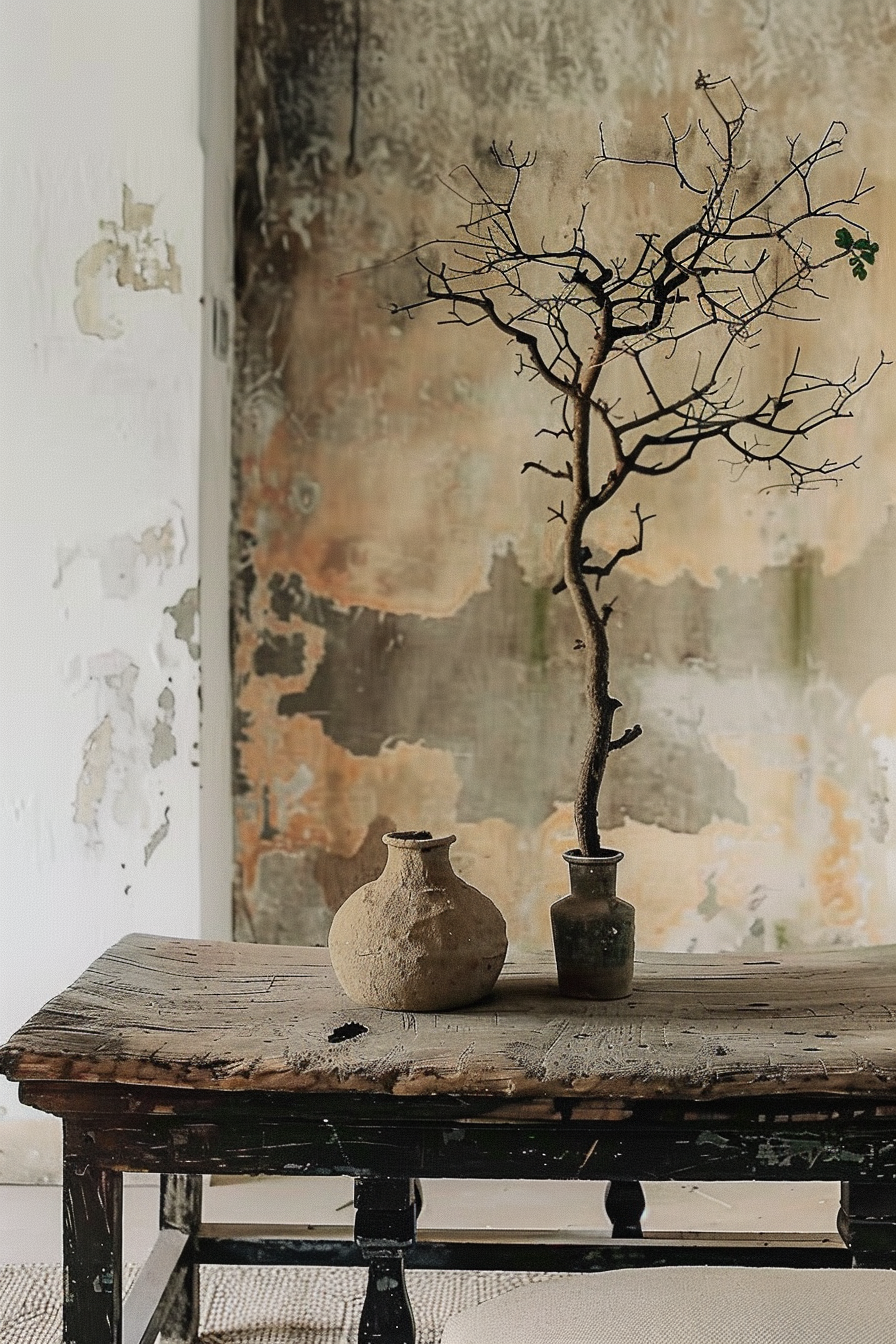
ALT: A leafless tree branch in a vase on an old wooden table, with a clay pot beside it, against a distressed wall with peeling paint.Save

Follow Quiet Minimal on Pinterest for more home design tips and inspiration.
Georgia

Georgia

I'm Georgia, an interior writer covering interior design and home decor across its full range — color and texture, layout and lighting, small-space fixes and seasonal styling. One standard runs through all of it: every idea has to hold up in a real home, not just a photograph.